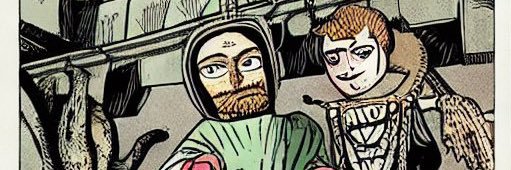
Prof Caroline Wilkinson at the @LJMU and @dundeeuni Face Lab did some facial reconstructions of two victims for History Cold Case: a child and a man. Caroline kindly updated these reconstructions with pigmentation predictions from the DNA. The girl may be one of the sisters.
Our superlatively-titled paper 'Genomes from a medieval mass burial show Ashkenazi-associated hereditary diseases pre-date the 12th century', is out now in @CurrentBiology - Bit of a long thread, but it is 18 years in the making…
https://t.co/REcvulZ6A5
The Durotriges
An Iron Age people with women at the centre of power, kinship and land ownership
A great report on our joint @tcddublin@bournemouthuni research project by @spoke32 in @ScienceMagazine
https://t.co/Q0D8b058Jh
Our new paper is out! Congrats to the whole team, especially the staff and students @bournemouthuni who have been excavating this incredible site for 15 years (with much more left to uncover!)
Widespread matrilocality in Iron Age Britain - Up Na Mná :)
https://t.co/OdQyQYR6nV
Check out our Ancient Genomics Lab, including @pontus_skoglund, @boothicus and @tait_frankie, on tonight’s new episode of Digging for Britain. 🦴
Watch it now on iPlayer (from 46:00), or tune in to @BBCTwo at 20:00.
https://t.co/26njMoExl1
Very happy to share the results of my @MSCActions project done at @UGI_at_UCL with @mt_genes and @pontus_skoglund from @TheCrick. We used ancient DNA to reveal remarkably high genetic diversity in the region of modern-day @Ukraine over the last 3,500 years until ~500 years ago.
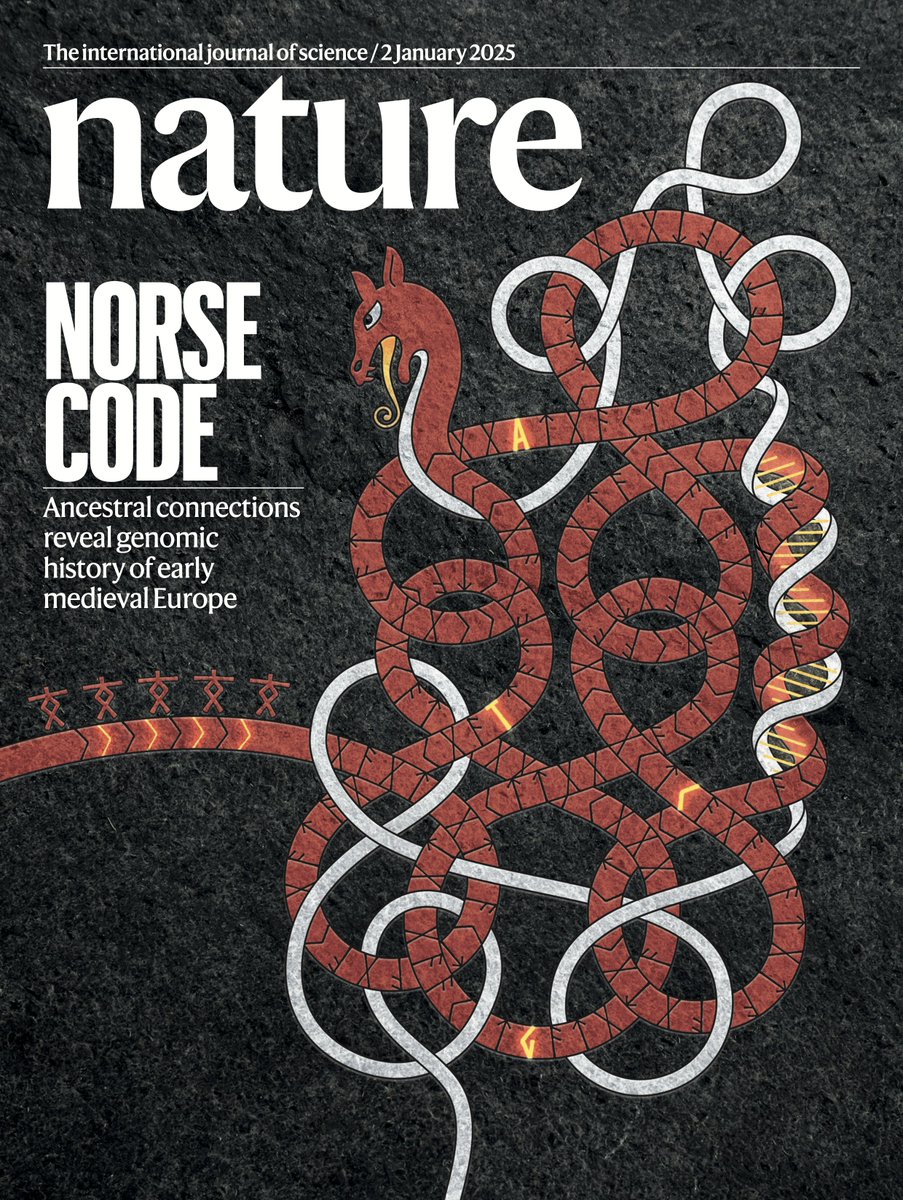
Kicking off the new year, our paper by @leo_speidel et al. is out describing what to me is a breakthrough in ancient genomics. By using genealogies to study ancestry we can get much more resolution to study finer-scale history. We call this method Twigstats.
NEW Analysis of over 3000 human bones from Charterhouse Warren, England, indicates they were massacred, butchered, and likely partly consumed by enemies as a means to dehumanise them, questioning the idea that Early Bronze Age Britain was peaceful.
#AntiquityThread 1/18 🧵
@JulienVillegas@RickSchulting Good point - there were no complete skeletons, everything was partial and mixed up, which means there were seems more likely it was bones/parts of bodies that were deposited.
New paper by @RickSchulting on the Charterhouse Warren Early Bronze Age assemblage, representing dozens of people who had been subject to exceptional violence before and after death, before their remains were dropped into a deep shaft and buried.
https://t.co/6hCKyW6LU1
👏👏 @arevsumer! Contains our IBD analysis led by @YileiHuang317: Multiple really long 20cm++ IBD segments link the two record 45ky-old sequenced modern human sites Zlatý kůň (Czechia) and Ranis (Germany). Showing they are closely related - within few generations. 😮😮 (1/3)
In this comment piece with @jfy133 and @twarinner, we highlight the mounting problems with data archiving and metadata reporting in ancient DNA research. The field cannot afford to keep neglecting this issue.
https://t.co/gFm0GvtlPB
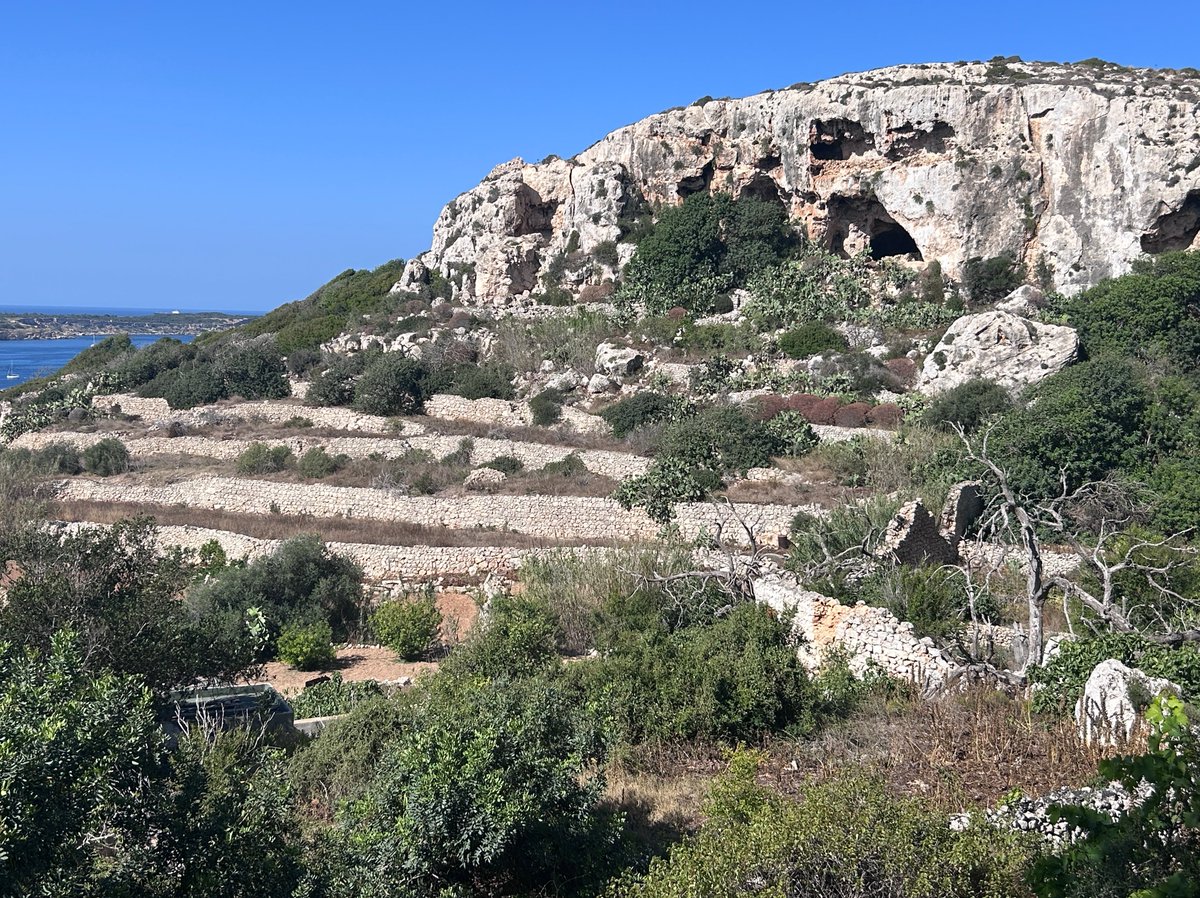
I will be advertising soon for postdoc positions in geoarchaeology and GIS for my Terraform ERC project, starting at the University of Malta in a few months. More information soon, but message me if interested.
(1/11) I am very happy to announce that I have been awarded a European Research Council ‘Consolidator Grant’. The TerraForm project (‘The Rise and Fall of Maltese Terraced Landscapes’) will begin in the spring of 2025.