The Grand Duchess of the Atlantic
The RMS Mauretania rests in Liverpool’s Canada Dock in 1909, captured at the height of its early career as the fastest ship in the world. Built by Swan, Hunter & Wigham Richardson, this ocean liner was a marvel of British engineering, featuring a sleek hull and four iconic raked funnels. Along with its sister ship, the Lusitania, it represented the pinnacle of Edwardian luxury and speed, designed to reclaim the Atlantic’s Blue Riband from German competitors and secure British maritime dominance.
The ship's presence in Liverpool was a source of immense local pride, as the city served as its home port and the primary hub for the Cunard Line. During this era, the Mauretania used its revolutionary Parsons steam turbines to slash travel times between Europe and North America, offering passengers an interior inspired by the French Renaissance. Its ability to maintain high speeds even in heavy seas made it a favorite among the social elite and a vital link in the pre-war global economy.
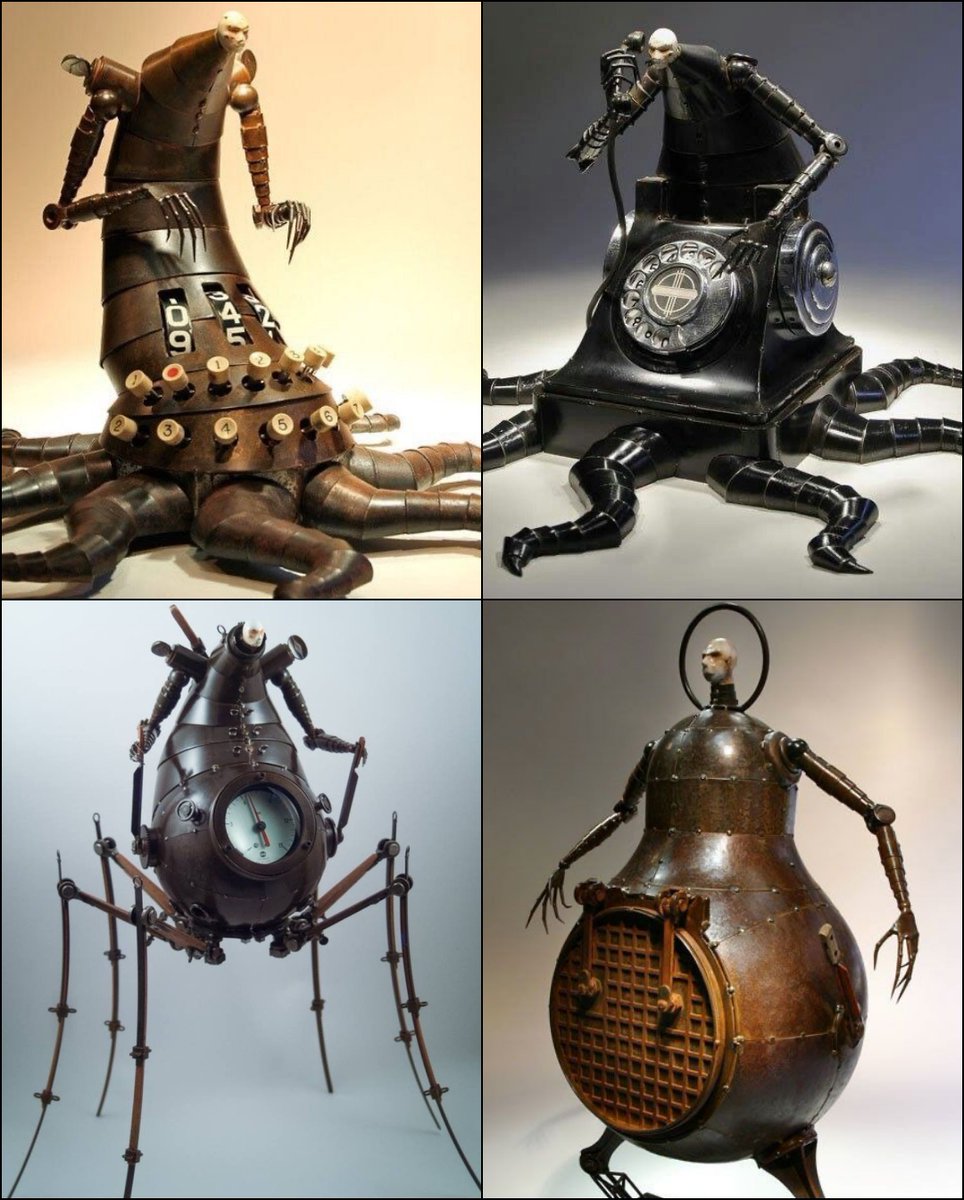
Mechanical Characters by Greg Brotherton
Greg Brotherton, the sculptor behind Brotron, creates a world where industrial scrap and vintage hardware evolve into haunting, heroic figures. His work explores a post-industrial, dystopian vision heavily influenced by early 20th-century political fiction and Kafkaesque imagery.
The "mechanical history" Brotherton crafts is a blend of fine craftsmanship and found-object assembly. Each character is hand-hammered from steel and integrated with salvaged items—ranging from 1950s Electrolux vacuums to typewriter parts and musical instruments. These sculptures often represent the "quiet genius" of an isolated world, acting as a bridge between a desolate past and an imaginative, mechanical future.
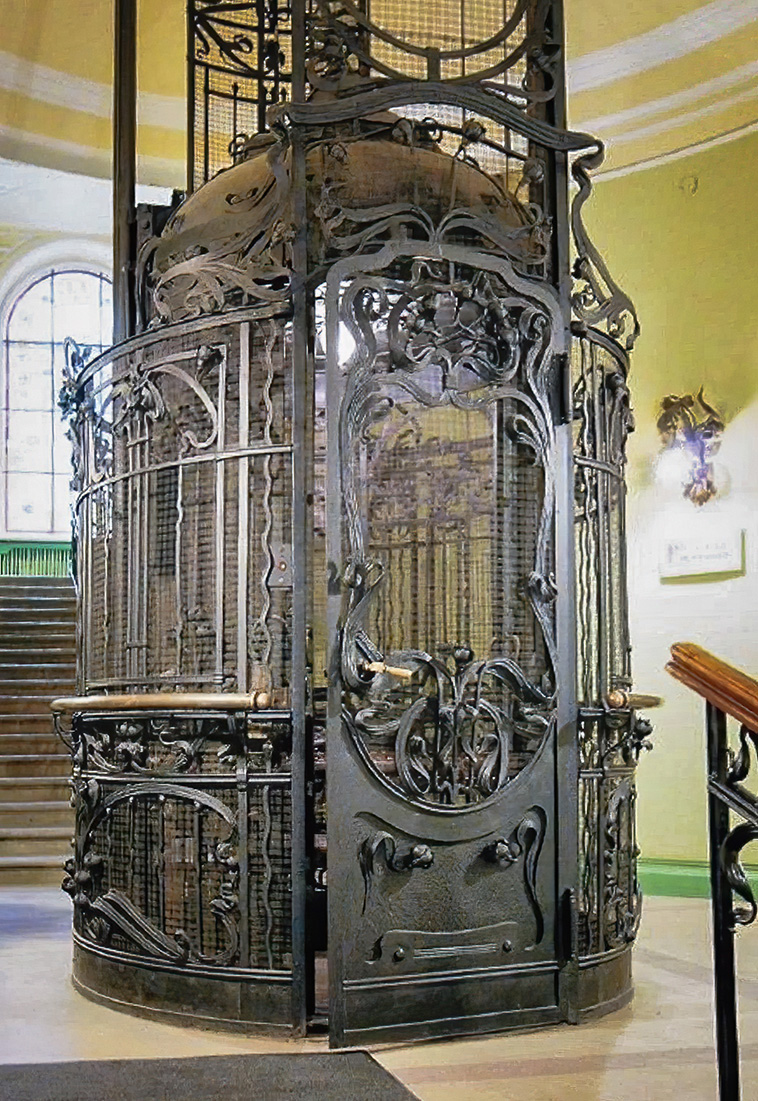
A steam-powered elevator in St. Petersburg, Russia, circa 1902–1903.
Installed in the house of Guard Captain S. Muyaki, it shows how even early elevators could be designed with extraordinary ornament and detail.
Golden clock of the museum D`Orsay. Paris, c.1900
Designed by Victor Laloux for the 1900 World’s Fair, the Gare d'Orsay’s monumental gold clock remains a masterpiece of Belle Époque style. Located in the main hall of what is now the Musée d'Orsay, its ornate gilding and massive scale reflect the luxury and industrial pride of Paris at the turn of the century.
Gorilla sculpture by Muharrem Batman.
A powerful piece of scrap metal art, meticulously assembled from discarded electrical parts and computer components. Giving a second life to industrial waste.
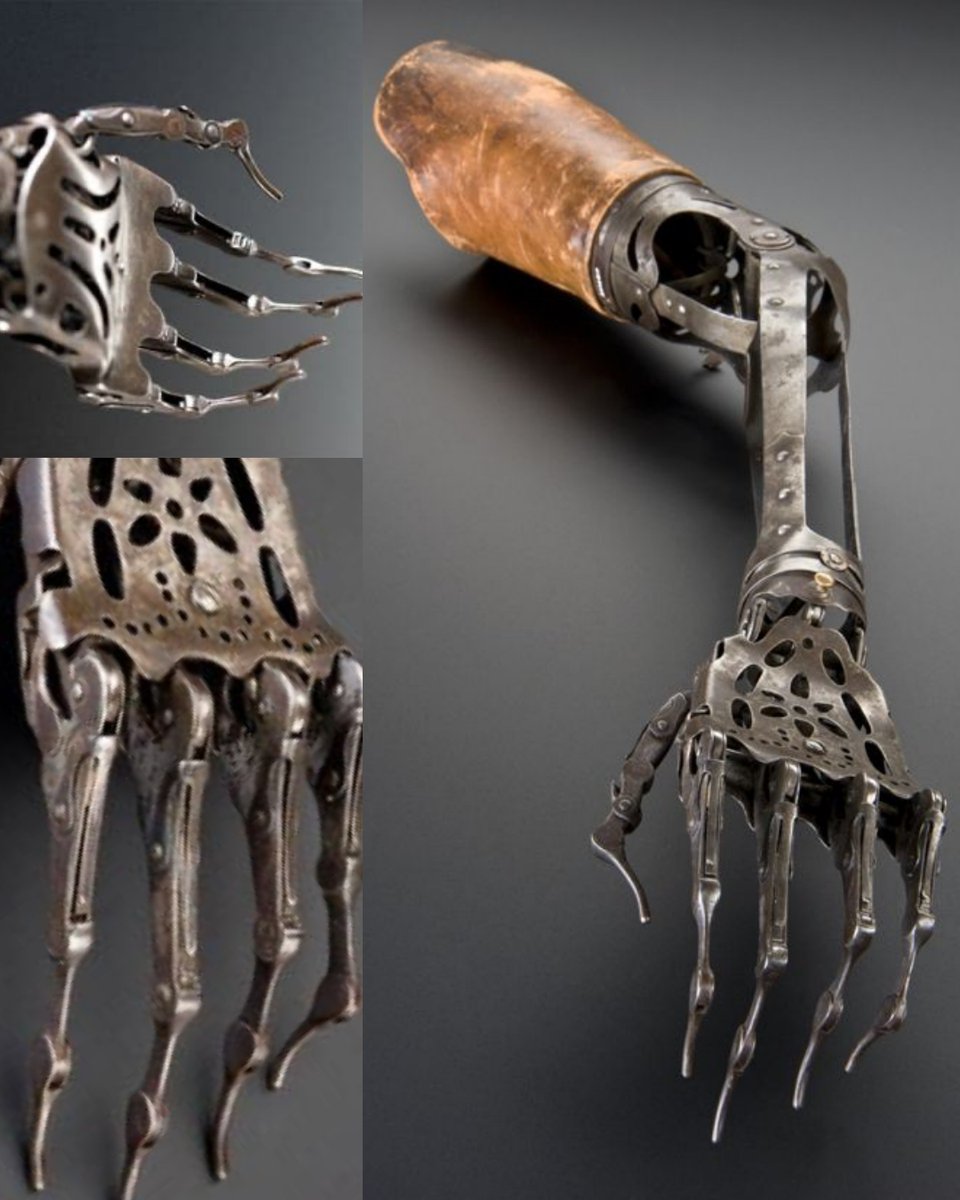
The Art of Victorian Bionics.
150 years ago, losing an arm didn't always mean a simple hook. This 1850s prosthetic, made of steel, brass, and leather, featured articulating fingers and a spring-loaded elbow. While manual and heavy, it was a masterpiece of "surgical mechanics" designed to restore a soldier's silhouette.
Funeral carriage from 1870, Dresden, Germany.
An extraordinary example of 19th-century ceremonial craftsmanship, adorned with sculpted angels and ornate detailing.
Photos by the back to life.
The Singer Rocking Chair
This is an extraordinary repurposing of a classic Singer sewing machine base, transforming industrial history into a unique piece of furniture.
A creative way to keep 19th-century engineering functional in a modern home.