At 4 a.m. on March 28, 1979, a control-room light at Three Mile Island said a valve had closed. It hadn't. For hours, nobody knew.
Next door, the twin reactor is about to come back to life.
https://t.co/X3x9nfn9LV
London had survived hundreds of thick fogs. In December 1952, one sat on the city for five days and killed thousands.
Why that one? The full answer took until 2016, and it came from Beijing.
https://t.co/3CNVRgxnXv
People have sprinted across a pool filled with cornstarch and water. The moment they stopped, they sank to their knees.
Why it holds up a runner took physicists more than half a century to pin down.
https://t.co/SJeVjPJbRt
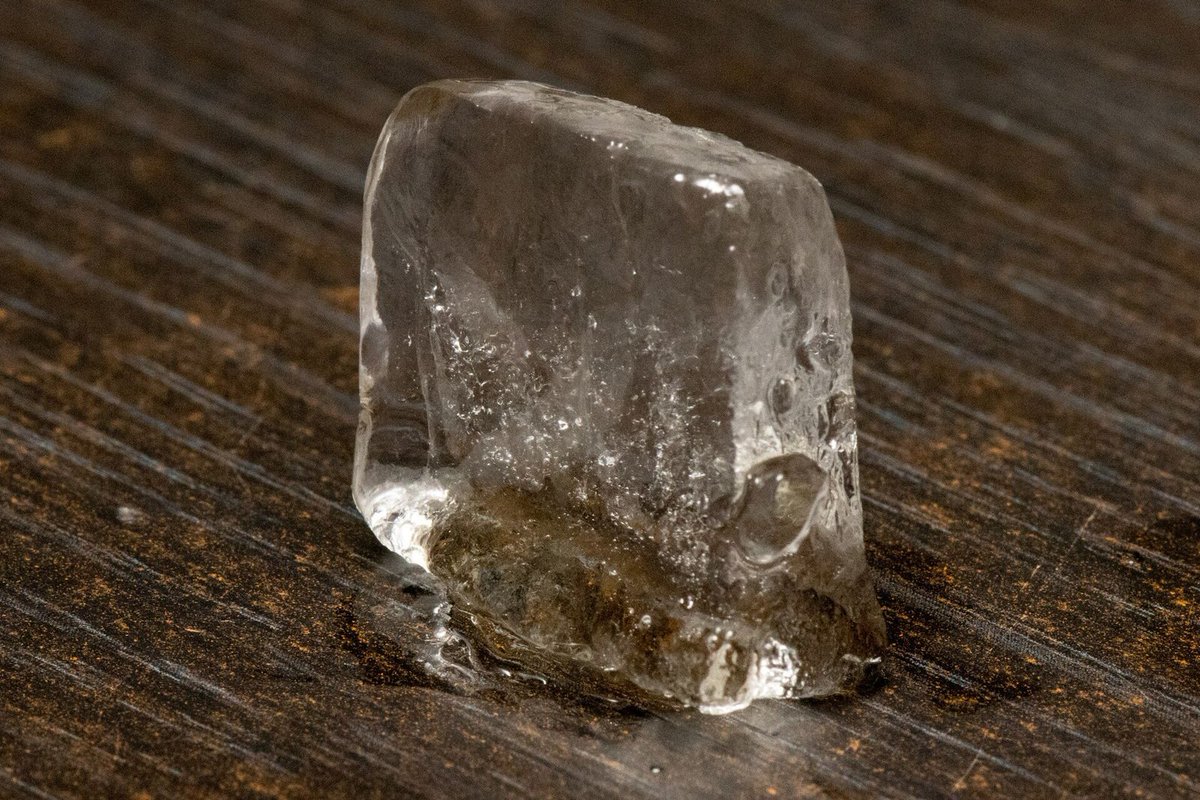
In 1963, a 13-year-old put his ice cream mix in the freezer while it was still hot. It froze first. His teachers said he was confused.
So he stood up and asked a visiting physicist why.
https://t.co/2zQjOy7qSX
@innovationcncl There are many different possibilities here. I was not aware of all the different types (including closed-loop):
https://t.co/p0LJtCpgiS
Starlink Mini 2 just changed the game for internet anywhere.
No outlet. No bulky power bank. Just satellite internet in your backpack.
* 4.5 hours of battery life
* USB-C charging
* Connected in about 60 seconds
But there's a catch—and it might make the original Mini a better buy.
https://t.co/KjtMJn7G16
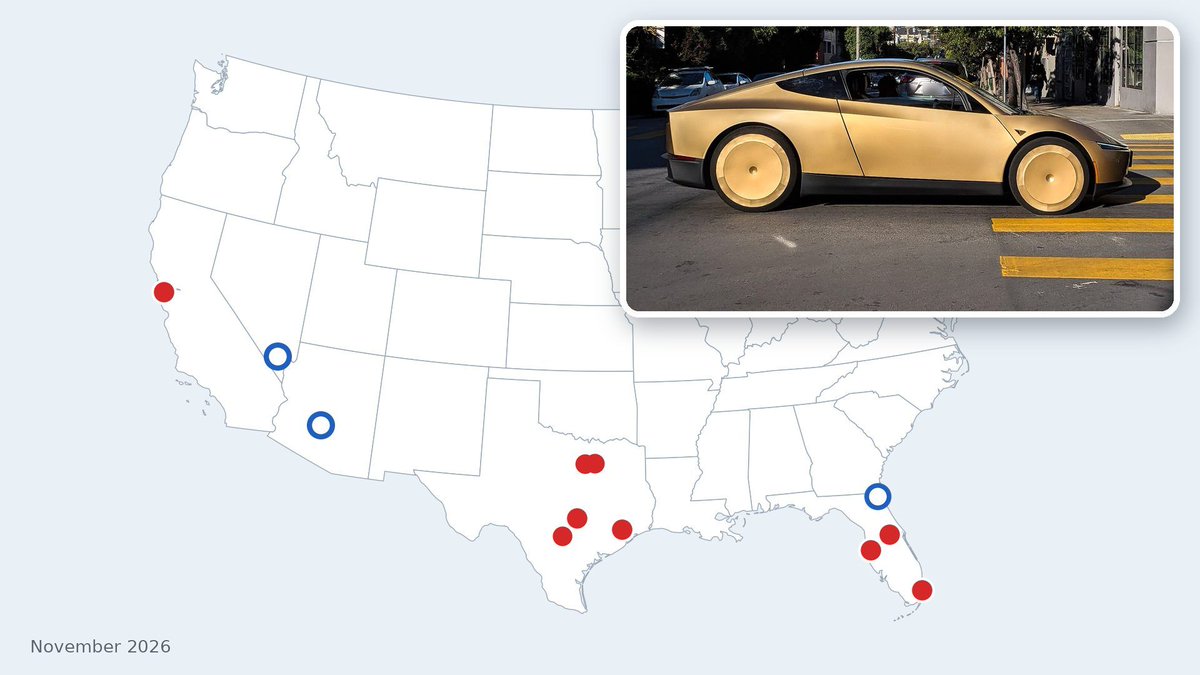
On Monday, Tesla opened a new driverless city at 5 a.m. Central and, the same morning, enlarged the first one it ever launched.
The car with no steering wheel still runs in only one of them.
https://t.co/UrNlaAFB80
My AI agents found an unmapped Maya site in Mexico, using LiDAR data from a NASA dataset.
72 hours from a random thought on vacation to a reply from Mexico's national archaeology institute.
What a time to be alive…
Off Norway's coast, more than 2,500 underwater machines spend every hour hunting a parasite the size of a fingernail, and firing lasers at it.
They never touch the fish they're guarding.
https://t.co/RfhWGjaHI5
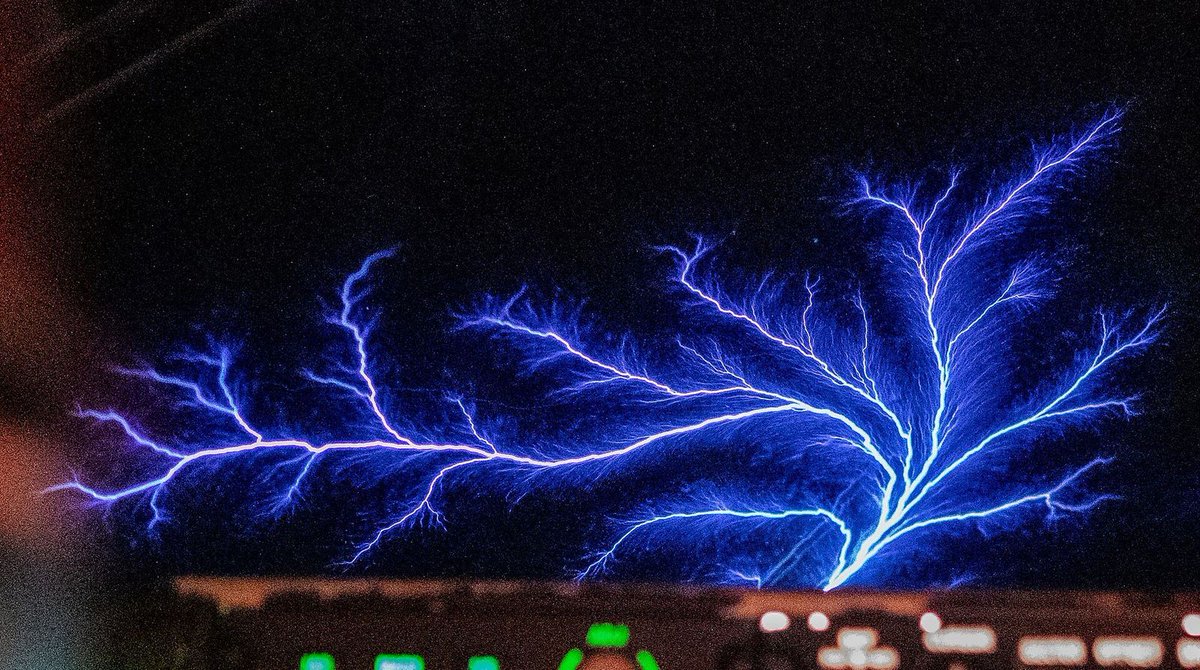
Mid-storm, violet threads start crawling across a jet's windshield. Nothing hit the plane. Nothing is on fire.
Sailors saw this glow for centuries and couldn't agree: blessing or death sign?
https://t.co/I0G82koJhL
Building a cool tech product or service, or have a science story to share? I'd love to write about it on https://t.co/Y5XgkD4asY, with links pointing back and forth between our sites for cross-promotion. Interested in collaborating? DM me.
In 1818, a British naval officer saw a mountain range blocking the Northwest Passage. He named the peaks and turned for home.
The next year, another ship sailed straight through where they stood.
https://t.co/fbP8yZosN8
Hold a strong magnet under a dish of black oil and the liquid does not climb. It erupts into a forest of sharp spikes.
That fluid is a ferrofluid: iron-oxide nanoparticles a few nanometers across, coated in surfactant and suspended in oil or water. The spikes are the Rosensweig instability, mapped in the late 1960s: magnetic stress fighting gravity and surface tension.
Below a critical field, the surface stays flat. Above it, tiny bumps concentrate field lines at their tips and the flat state collapses into a hexagonal lattice of peaks.
NASA's Steve Papell invented the stuff in 1963 to pump rocket fuel in zero-g. In 2026 the same chemistry quietly seals hard-disk spindles and cools loudspeaker coils.
https://t.co/0xD3af1hfS
In 1940, a brand-new suspension bridge began twisting violently in the wind.
But the wind wasn't even that strong.
Engineers watched helplessly as something they hadn't anticipated tore the bridge apart.
What went so terribly wrong?
https://t.co/ZU9qnIOckc
Most grid batteries are lithium packs sized for a few hours of evening peak. That fails when the wind dies for a week.
Form Energy's answer is iron and air. Its cells store electricity for about 100 hours by "reversible rusting": metallic iron turns into iron hydroxide on discharge, then back to iron on charge, while the air electrode breathes oxygen in and out.
Iron is cheap and abundant. The electrolyte is water-based, not a flammable organic solvent. Energy density is too low for cars. For stationary storage, cost per kilowatt-hour and multi-day discharge matter more.
In October 2026, MIT Technology Review named Form one of its Climate Tech Companies to Watch, citing a West Virginia factory, a Minnesota project due in 2027, and a deal that could put roughly 30 gigawatt-hours behind a new Google data center.
https://t.co/mYw6OGuSIY
Turn your pan up hotter, and a drop of water can last longer on it. Not shorter. Longer.
Drip water on a heating skillet. At first the drops hiss and vanish in about a second.
Then, somewhere past roughly 190°C (about 375°F), they suddenly ball up into little beads, skate across the metal with almost no friction, and refuse to disappear.
That's the Leidenfrost effect. The underside of each drop flashes into steam the instant it touches the pan, and the drop ends up hovering on its own vapor cushion, often only tens of micrometers thick.
Steam is a terrible conductor of heat, so the cushion insulates the drop. A drop can outlast its twin on a cooler pan: one Victorian test had a drop vanish almost instantly at 168°C but survive more than two minutes at 202°C.
A German physician described the hovering drops in 1756. Today nuclear engineers still watch fuel cladding for this exact switch.
https://t.co/dbtQTZKUIR