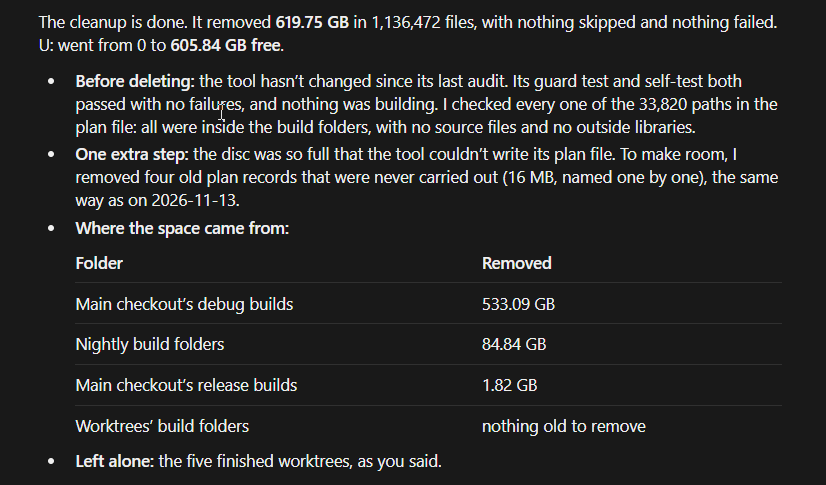
@awesomekling I had it write a garbage collector tool that I call from time to time. evicts all of that plus other legacy stuff in the local assets.
still insane how much claude loves tests. it just loves to test.
Starting around 20:00 UTC on Nov 20, CAD pairs on Kraken saw heavy selling pressure that pushed prices well below other markets. Our platform processed every order correctly, and our security teams found no sign of a breach or compromised accounts. Executed trades stand.
Bitcoin treasury companies are all the rage this week. MSTR, Metaplanet, Twenty One, Nakamoto.
I think they're toxic leverage and the worst thing which has ever happened to bitcoin & what bitcoin stands for. In the right conditions, here's the mechanism of how this blows up
1/n
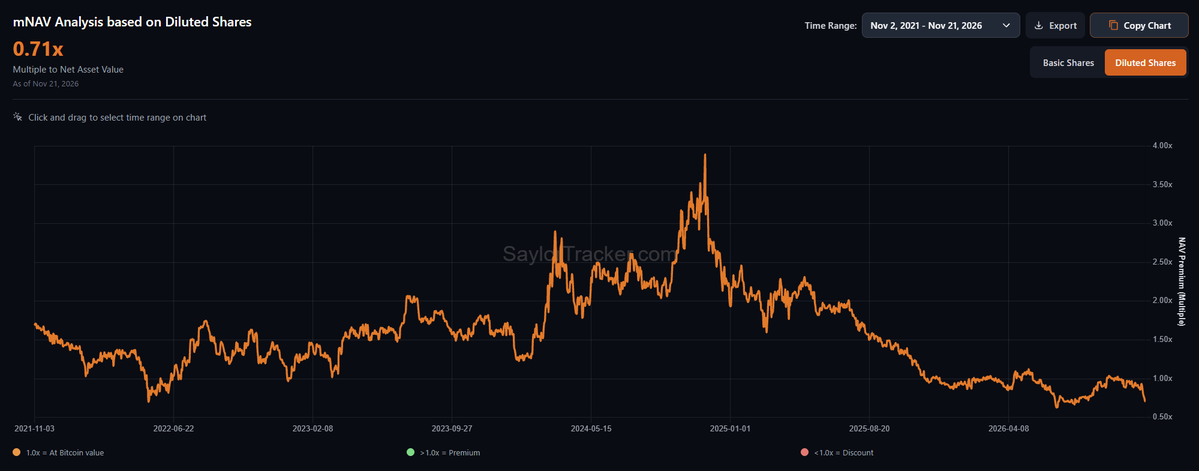
Despite buying BTC for the last 6 years, Saylor is now down -25% on MSTR's holdings.
mnav\diluted share is now 0.71x
BTC\share is trending down now, and likely to go down further with Saylor saying they are willing to sell BTC to defend STRC peg.
Good luck everyone
@avsa As someone who is also 10's of thousands of words deep building a project, from scratch, of something I've wanted for decades... I share your sentiment here. This was an interesting read and I've gone down quite a similar journey.
It's... complicated.
@MyNameIsMurray@TheRightColumn You have access to what you have access to - but in the planning, reviewing and auditing stage, opus\fable combination is a specific tool that can deliver exceptional results.
@MyNameIsMurray@TheRightColumn Sonnet is good enough at executing a plan, it has the tool use and all the other suite of capabilities. But I feel like its thinking\judgement is limited when challenged w\ abstraction. It's poor at reviewing\generating broad architecture.
Opus is far ahead for that.
@ZynxBTC Diluting common holders has been the plan from day one. People are just now starting to understand how unsustainable that is in the current capital structure.
Good luck everyone
https://t.co/ih069E6DEx
The second problem is with the preferred shares. They require perpetual, non-accretive dividend (aka interest) to be paid out to the holders of this debt. MSTR plans on issuing trillions of dollars of these securities and those payments are funded by diluting MSTR equity hodlers.
@analoguepilot@kknow_nobody SLS is a re-used rocket using leftover parts that were already developed. It working on the first try was the expectation.
Starshit is a ground up clean sheet, and they chose to develop in a hardware-rich campaign instead of in simulation.
@analoguepilot@kknow_nobody Look at the trajectory the program is on. First they blew up on ascent. Then they lost control in orbit. Then the ship was in pieces on reentry.
Now they're landing intact ships back at the pad after delivering payload to orbit.
No component of SLS other than Orion is reusable.
Once mNAV crosses under 1.0, the ability for MSTR to raise money will flounder in a similar(ish) way to how GBTC's desire and ability to buy stopped.
Remember, mNAV is entirely sentiment based. There is no mechanism or reason that it needs to trade at what the assets are worth.
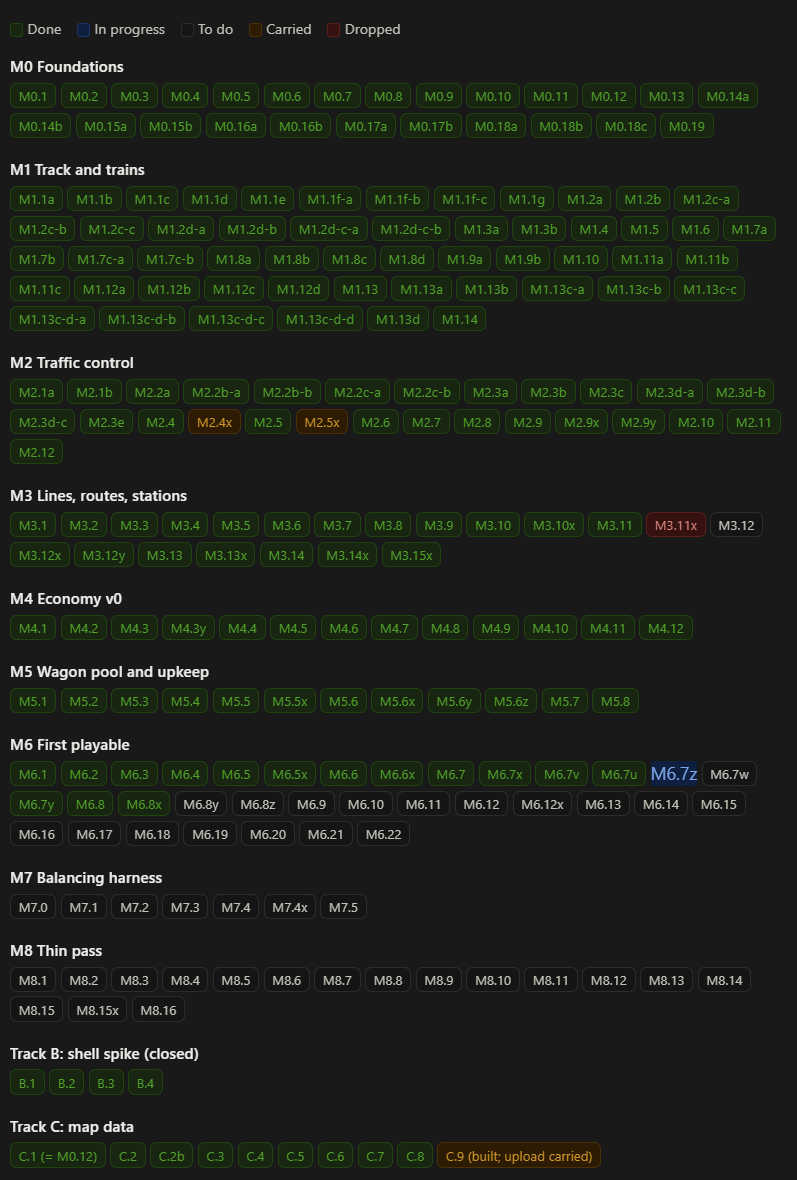
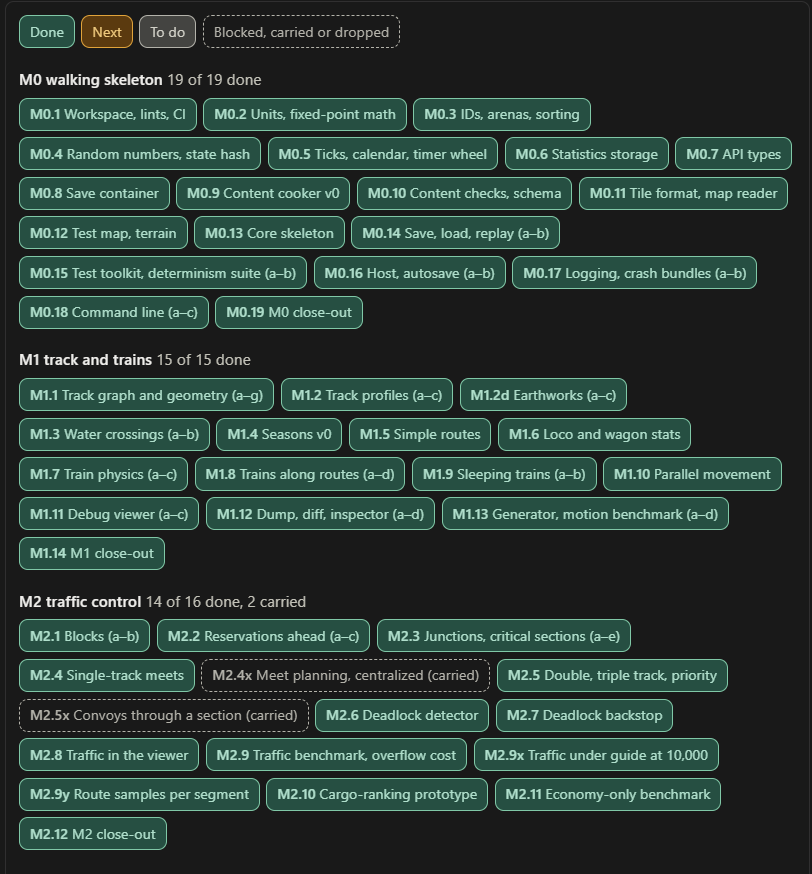
@yaqobhyndes For context - I'm about 3 weeks into development of a custom game engine to build something I've wanted for 20 years. Nothing playable exists, only wire frame debug tooling. It took >10,000 words to describe the systems of the game in a series of plans.
We'll see if it works
@yaqobhyndes It will be interesting to see what an experienced studio can do, leveraging the tooling in a far more complete way and trying to actually make a complete product - rather than a simple demo.