Oslo had 41 road deaths in 1975. By 2019, that number was one: a single driver who hit a fence.
Oslo effectively ended road deaths by redesigning its downtown for people instead of cars.
They removed 700 street parking spaces and replaced them with 37 miles of protected bike lanes and pocket parks.
They lowered speed limits inside and outside the city. Many streets to car traffic entirely.
They created "heart zones" around every elementary school where cars can't pick up or drop off kids.
Did it kill the city? Nope.
Retail sales at shops went up. Kids started walking and biking to school unsupervised.
Air quality improved measurably and traffic congestion got better because fewer people wanted to drive through a pedestrianized downtown.
Every piece of Oslo's strategy is available to any American city that wants it. The problem is solved, now we just need to implement it.
@ianzelbo@kevinxu No, it’s smart. Everyone thinks they are smart enough to beat the market. The vast majority of us aren’t. It’s the Boglehead philosophy
"We build our American cities around fire trucks…
…We should design our cities, then make the fire trucks fit."
In America, we have the largest fire trucks in the world—
and they’re quietly shaping how our cities look, feel, and function.
In this clip with @AustinTunnell , we break down how one overlooked policy is leading to worse urban design.
60% of market demand is for homes with occupants who sleep in ONE bedroom. That's 60,000,000 households.
But zoning prevents small, beautiful, affordable homes from becoming abundant because of lot-size minimums, density maximums, single-family-only zoning, parking requirements, discretionary reviews, etc, etc, etc.
Introducing Project Glasswing: an urgent initiative to help secure the world’s most critical software.
It’s powered by our newest frontier model, Claude Mythos Preview, which can find software vulnerabilities better than all but the most skilled humans.
https://t.co/NQ7IfEtYk7
Spokane County officials are moving forward with new regulations for electric-assisted bicycles at county parks, in what would be the first update to county code regarding the rides since they came to market. https://t.co/TQAYzaxybk
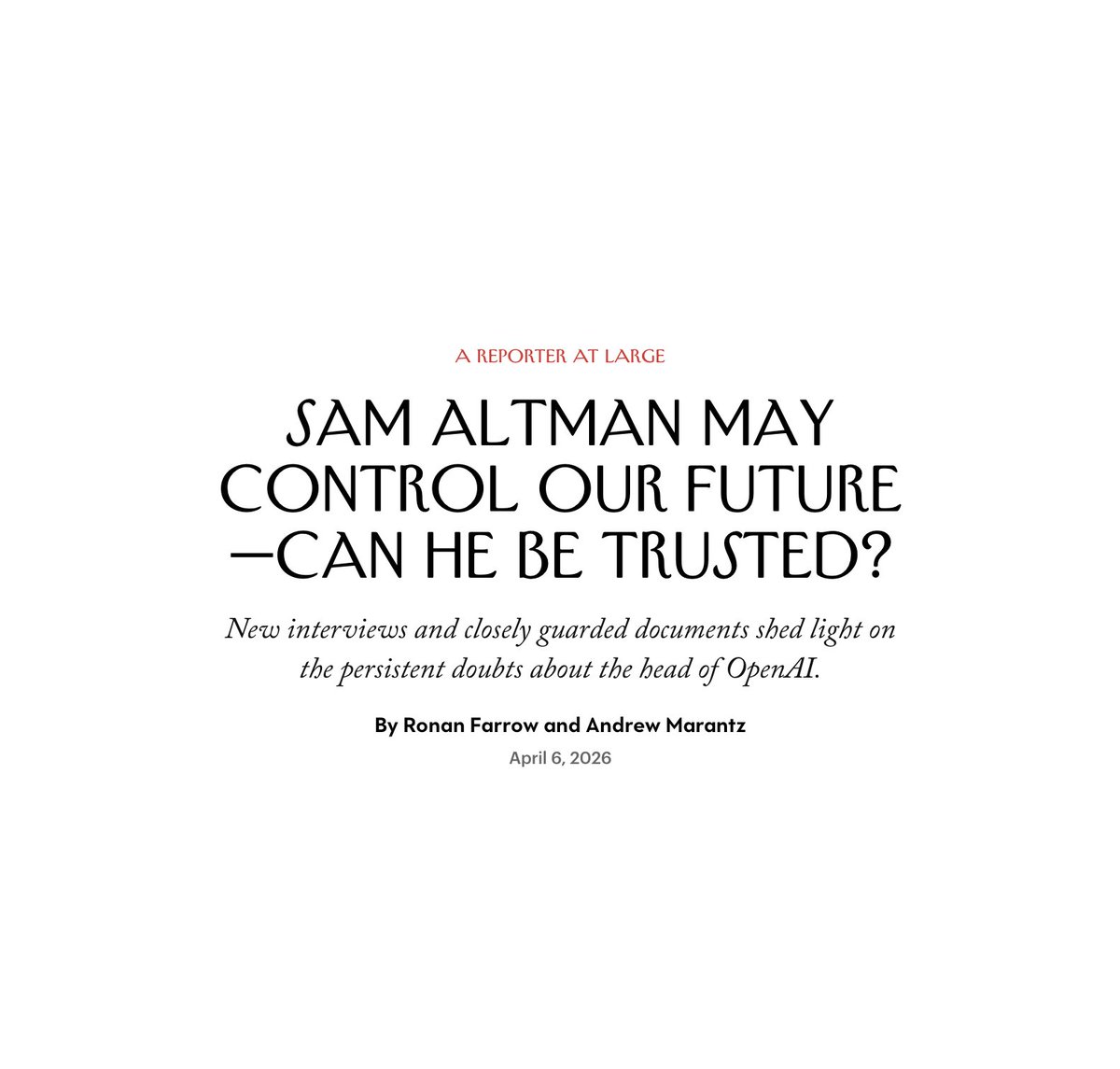
(🧵1/11) For the past year and a half, I've been investigating OpenAI and Sam Altman for @NewYorker. With my coauthor @andrewmarantz, I reviewed never-before-disclosed internal memos, obtained 200+ pages of documents related to a close colleague, including extensive private notes, and interviewed more than 100 people.
OpenAI was founded on the premise that A.I. could be the most dangerous invention in human history—and that its C.E.O. would need to be a person of uncommon integrity. We lay out the most detailed account yet of why Altman was ousted out by board members and executives who came to believe he lacked that integrity, and ask: were they right to allege that he couldn't be trusted?
A thread on some of of our findings:
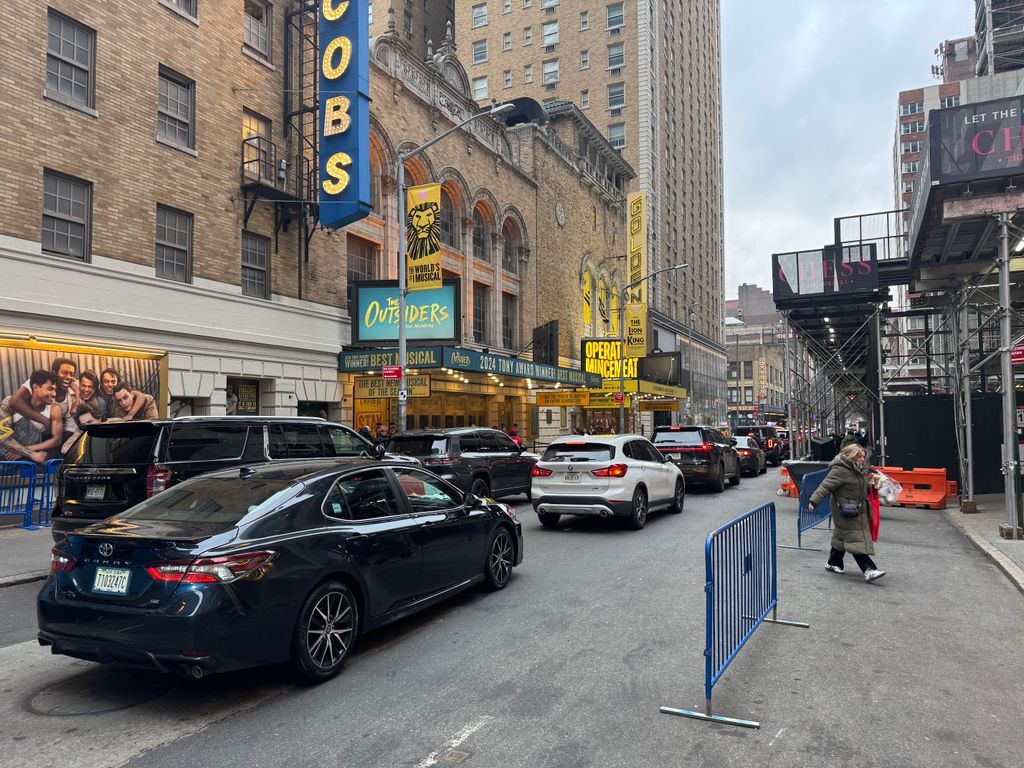
In the 30-block-zone that makes up the Theater District, there were 486 reported crashes last year. It should be a no-brainer to ban private motor vehicles there, given that it has the best public transit access of any similarly-sized area in the US. https://t.co/waIVjaD7ey
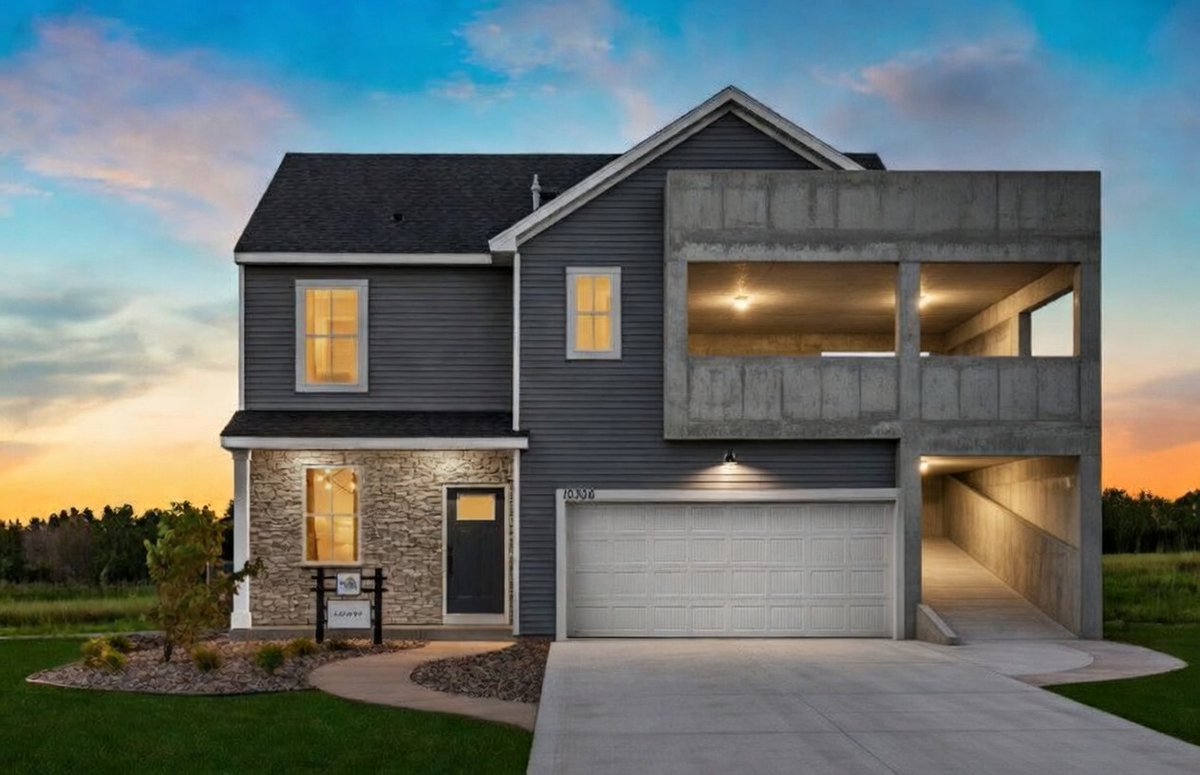
2 car garages aren't large enough for most families
That's why we made the 2 story garage that blends seamlessly with the rest of the house
5 covered parking spots + an elegant parking ramp
Optional upgrade: Add parking meters for your guest parking spots to add some passive income to your garage
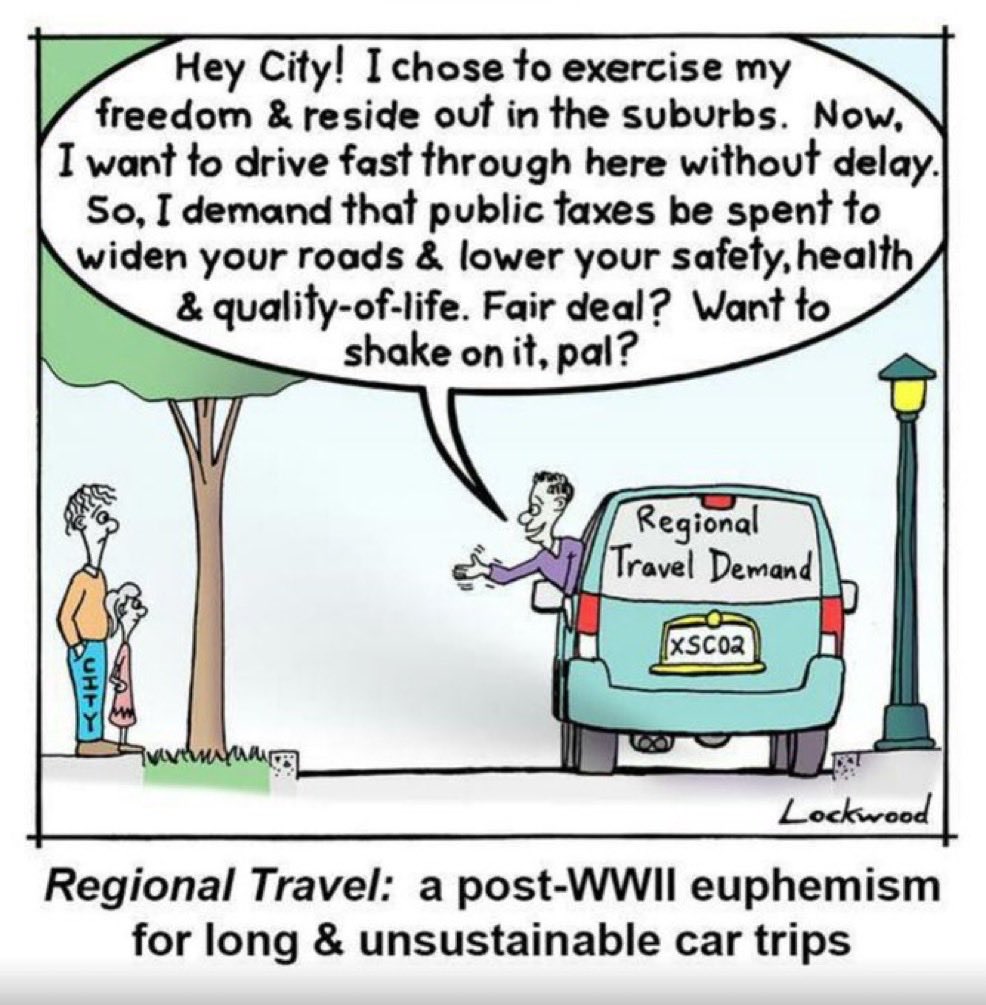
Remember, if you’re interested in what REALLY “drives” a lot of regional growth & infrastructure politics, it’s pretty much this.
Great drawing via @IanLockwoodPE
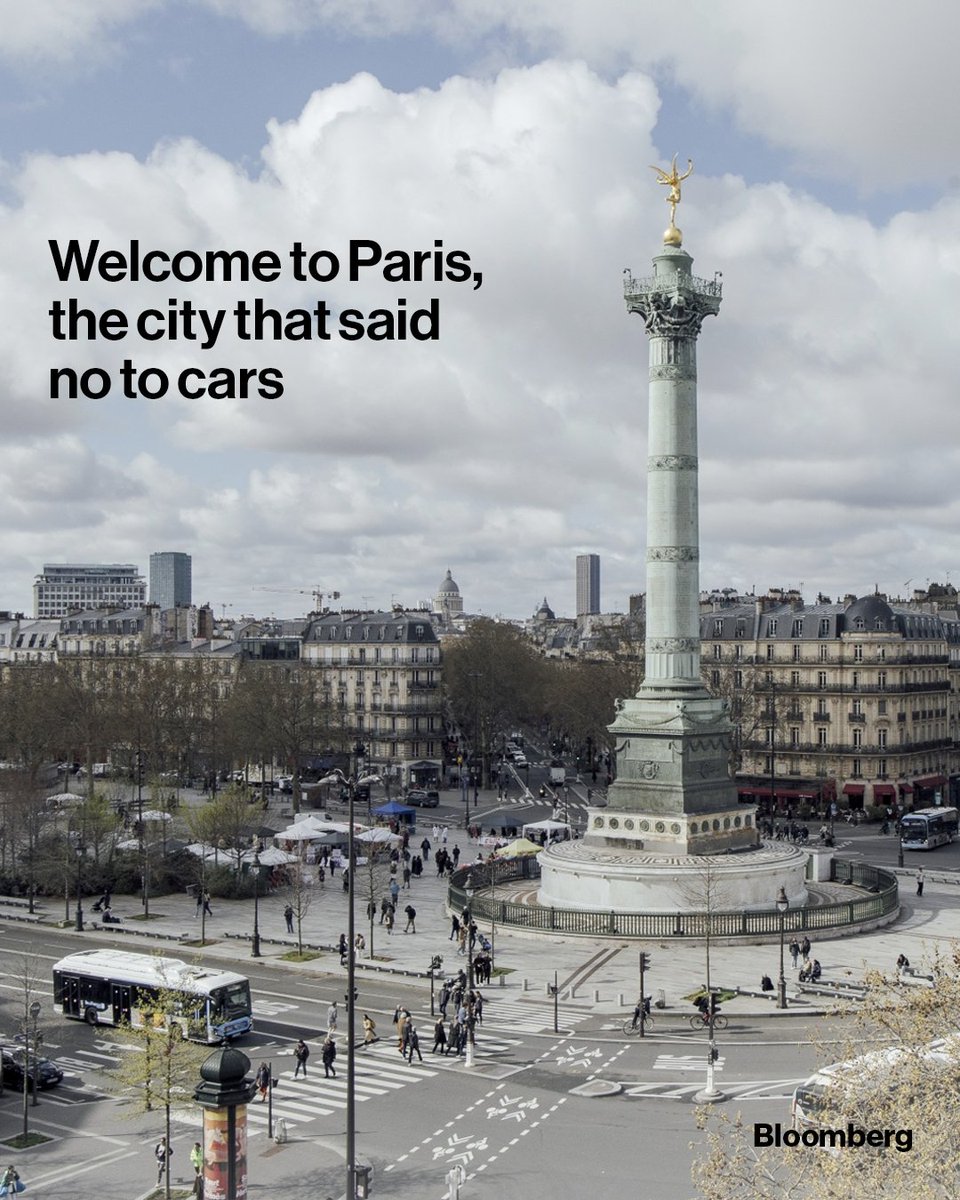
Emmanuel Grégoire has won the race to succeed Anne Hidalgo, the transformational leader since 2014, as the next Mayor of Paris.
He’s pledged to build on her legacy, continuing the expansion of the City's bike network & growing the city’s network of neighborhood green spaces. 🇫🇷
Outgoing Mayor Anne Hidalgo championed a car-free agenda, leaving Paris greener, cleaner and better for walking and biking. Take a journey through the city to see how it's changed. Read more: https://t.co/samymfPM40
📷️: Getty Images
7 years ago, we got laughed out of the room.
Now, leaders from all over the country are visiting Culdesac Tempe asking, "How can I bring this to my city?"
affordable housing and luxury housing are fake words
they do not exist. the only housing that exists without government subsidies is market rate housing, and building more of it will make prices go down, that's how supply increases work