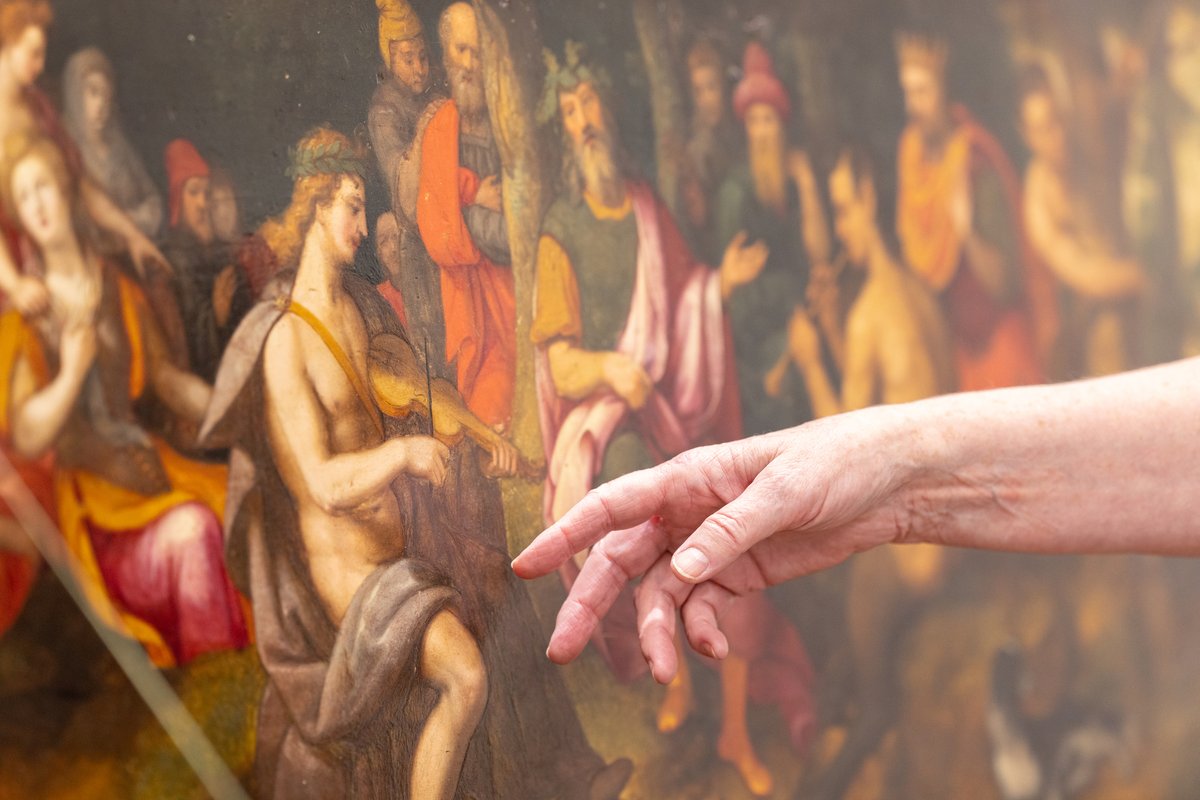
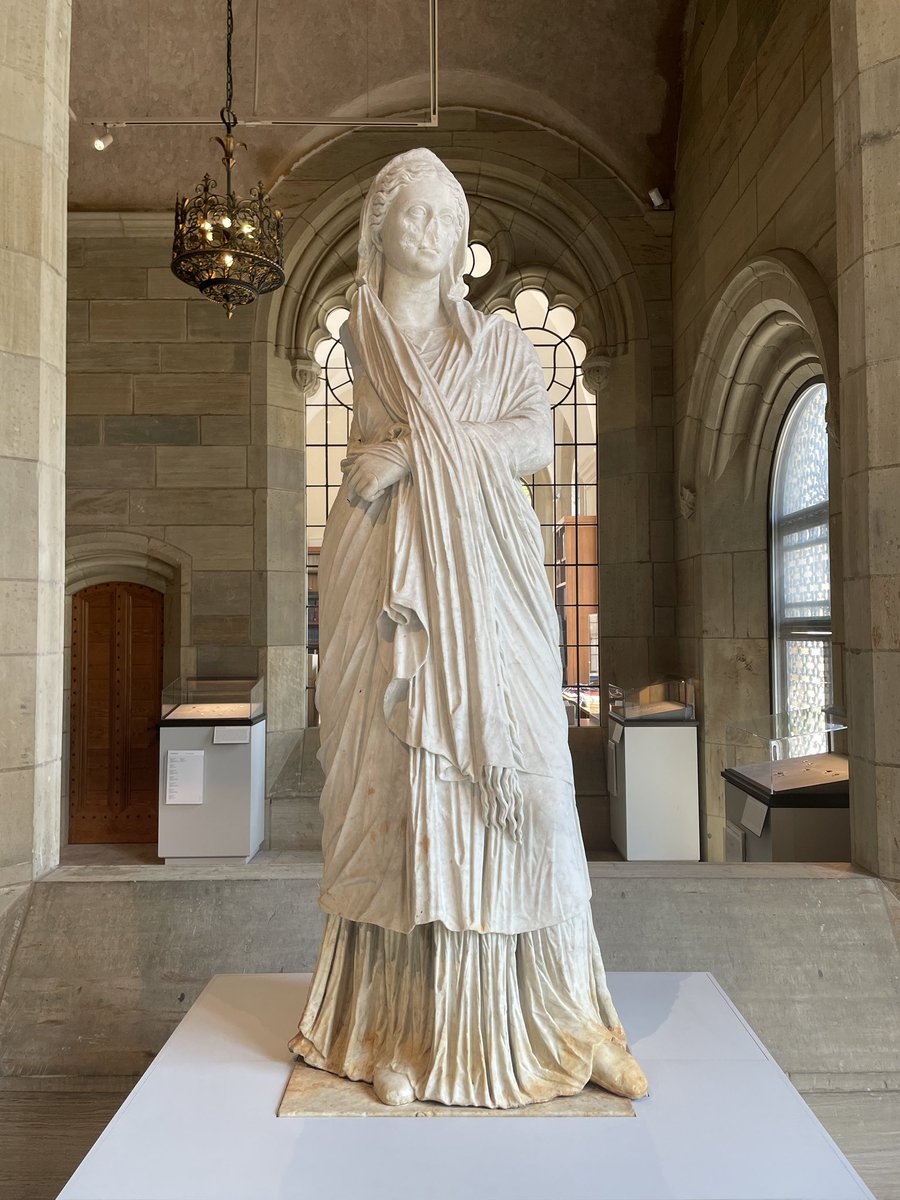
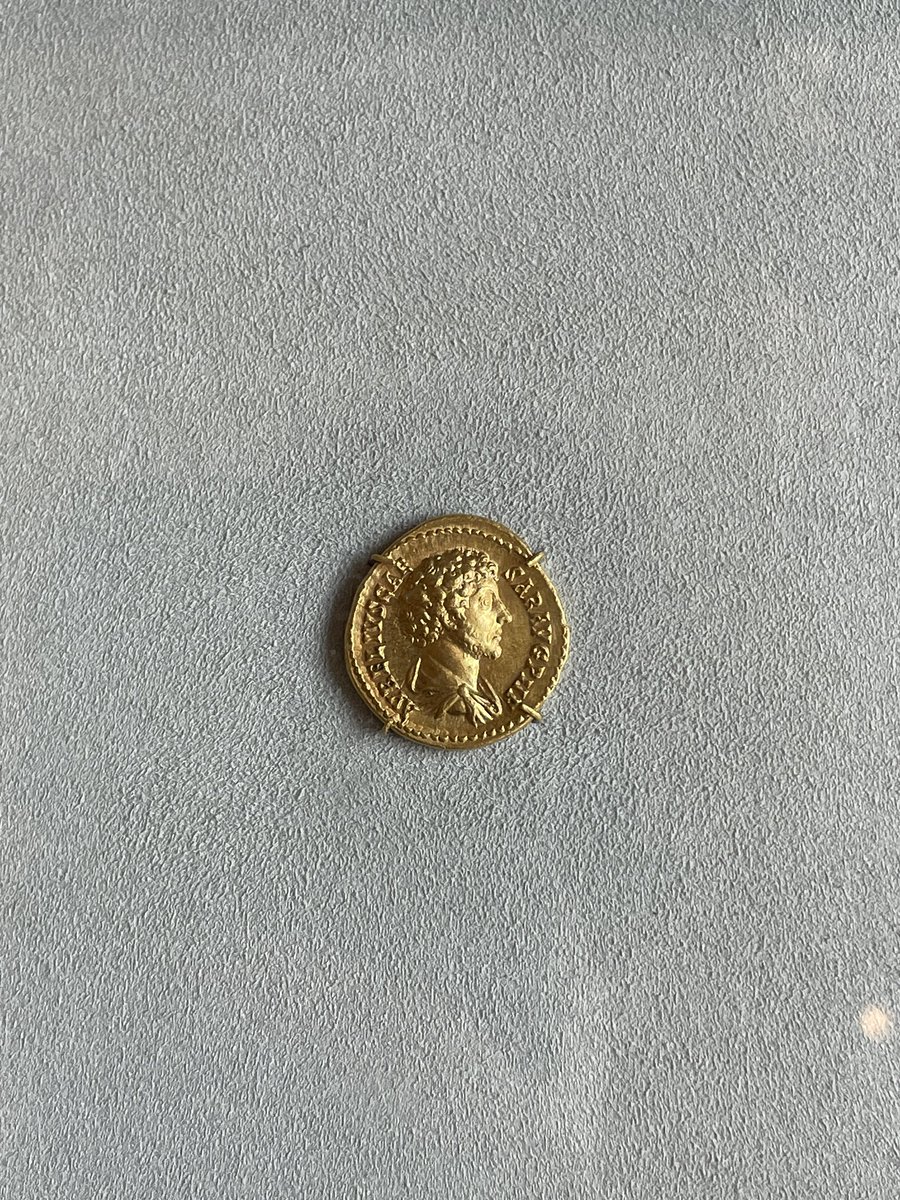
A tortoise, a Roman shield, a centuries-old painting — all under one roof.
The Collection Studies Center at @YaleWestCampus unites experts who care for and study thousands of rare objects — and recently offered a behind-the-scenes look at their work. https://t.co/pbDZTpZkAz
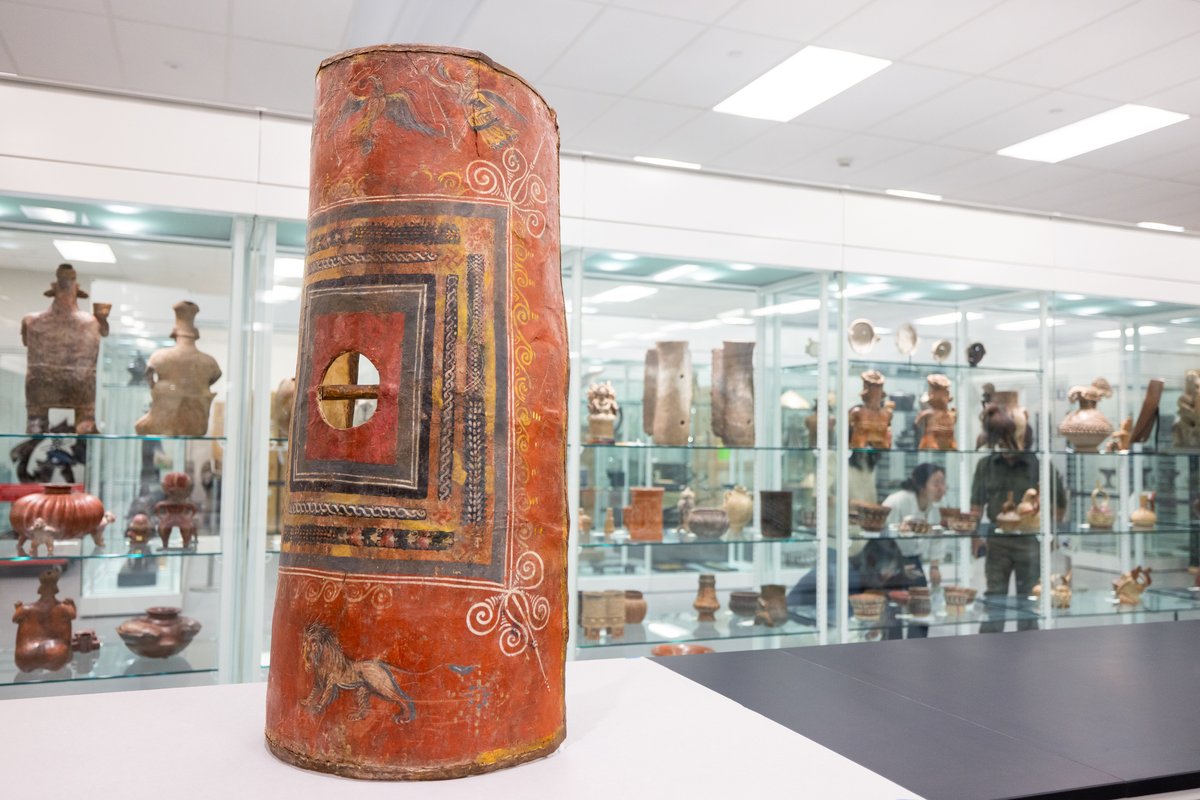
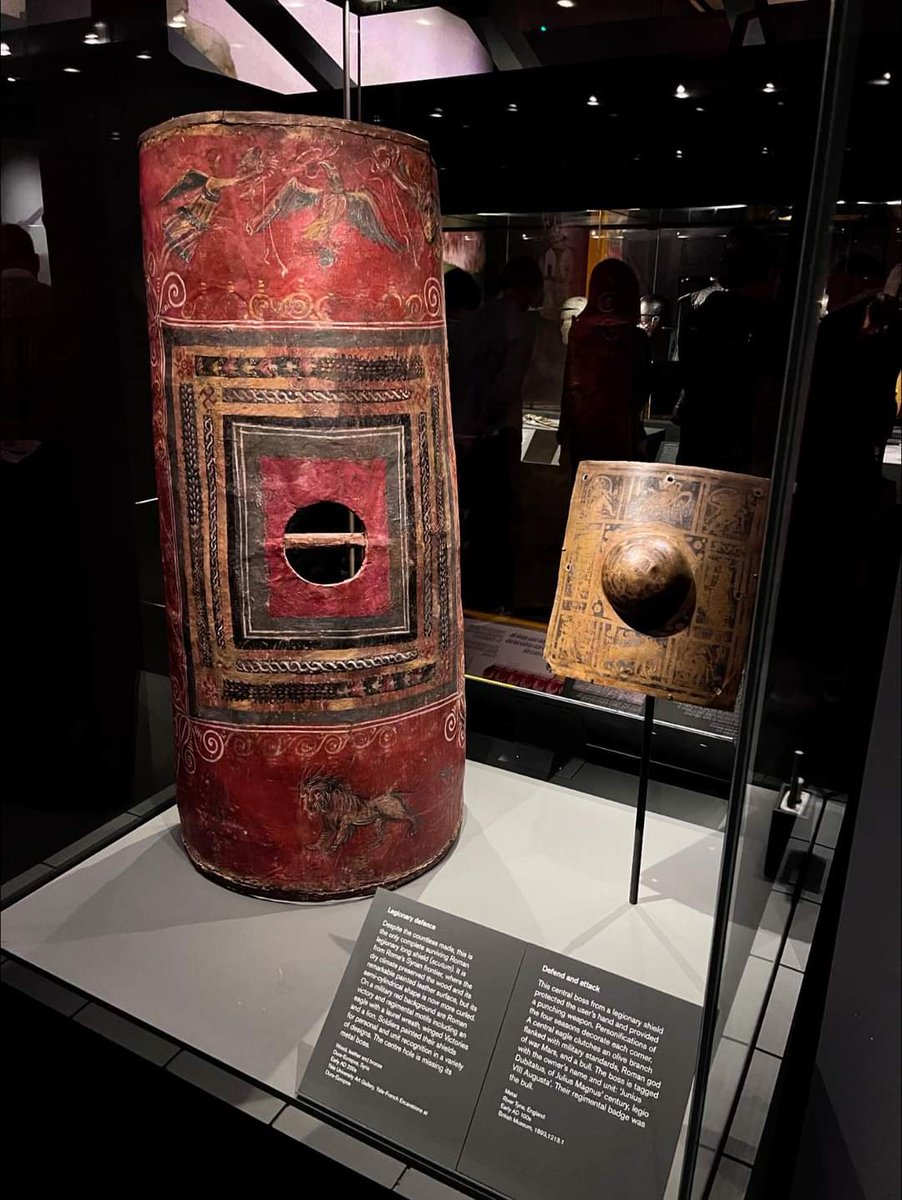
“Focal Point,” a series highlighting noteworthy items from Yale’s vast collections, takes a closer look at a painted shield once wielded by Roman soldiers.
This Roman “scutum” — held at the Yale University Art Gallery — is the only known surviving example of the shields used by Roman legionaries, dating to about 256 C.E.
Learn more and see other items in our “Focal Point” series: https://t.co/r1Ely640BS #Yale
The oldest manuscript of the Diatesseron comes from the Greek parchment fragment known as Dura Parchment 24 (P. Dura 24), discovered in Dura-Europos, Syria, in 1933. This fragment, cataloged as Dura Parch. 10 at Yale University's Beinecke Rare Book & Manuscript Library, is dated paleographically to the early 3rd century, likely before 256 CE, when Dura-Europos was abandoned.
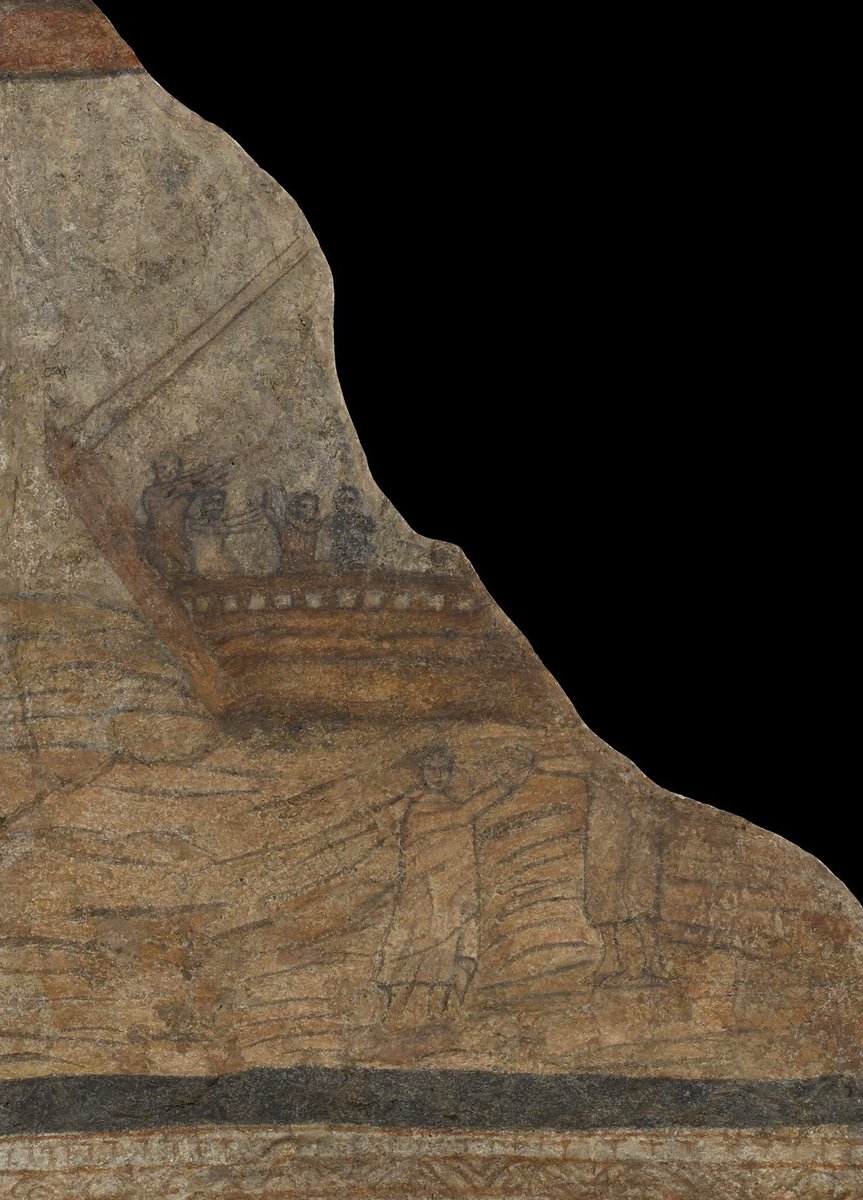
The earliest known images of Jesus originate from a Christian building at Dura-Europos in Syria, the world’s earliest known house church, dated ca. AD 232. The frescoes from the baptistery depict Jesus healing the paralytic and Jesus walking on water. #Easter
Yale University Art Gallery, USA.
https://t.co/JEVZXDFfGY
https://t.co/f6iKdp5jmd
@epirihelen Actually the horse armor is from the time when Dura was a Roman military garrison and was found with other arms and armor of the Roman soldiers
The archives from Yale's collaborative excavations at Dura-Europos and Gerasa have long been on JSTOR, but finally there is a link to these public collections on the Yale University Art Gallery website.
https://t.co/FuPy1PCygA
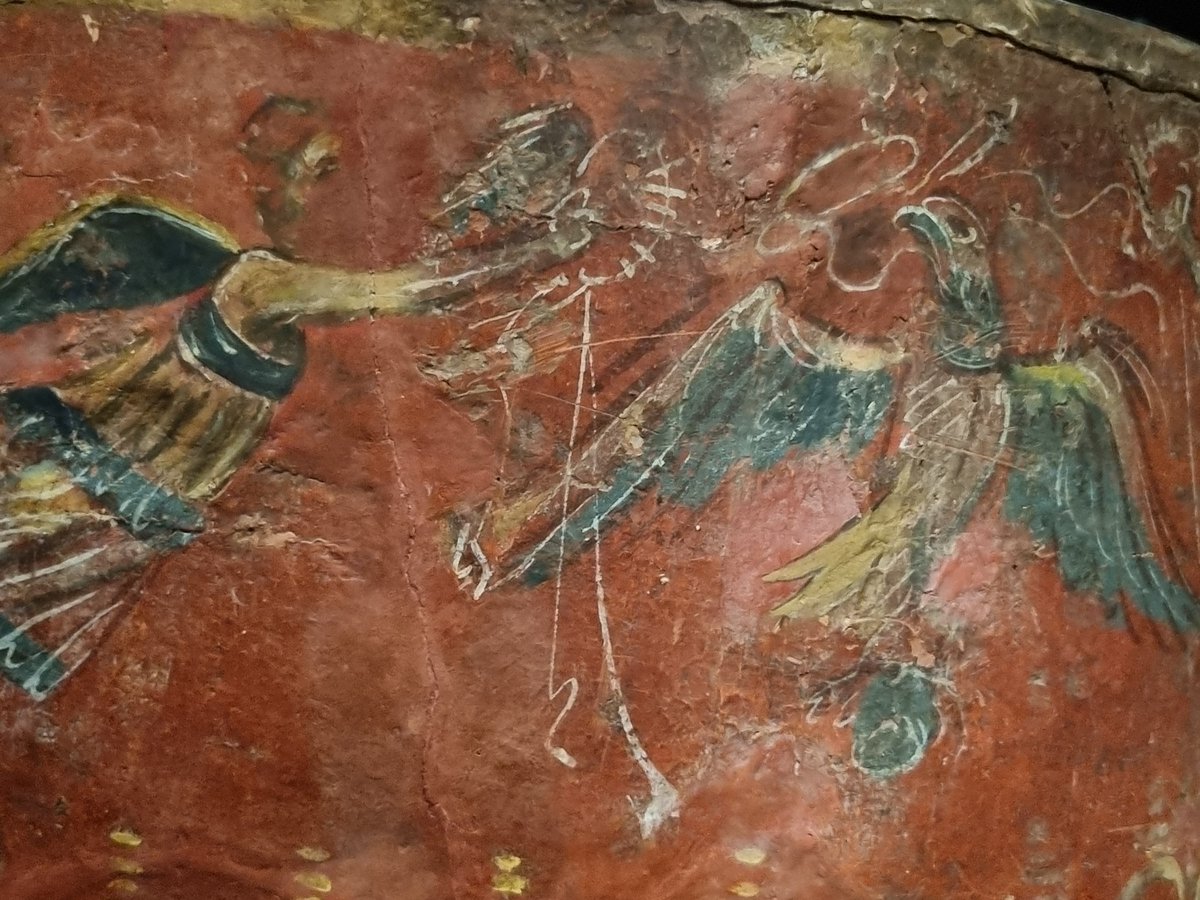
Wonderful detail from the world's only surviving intact Roman scutum from Dura-Europos (photo taken at the @britishmuseum last summer) - winged victory and an eagle.
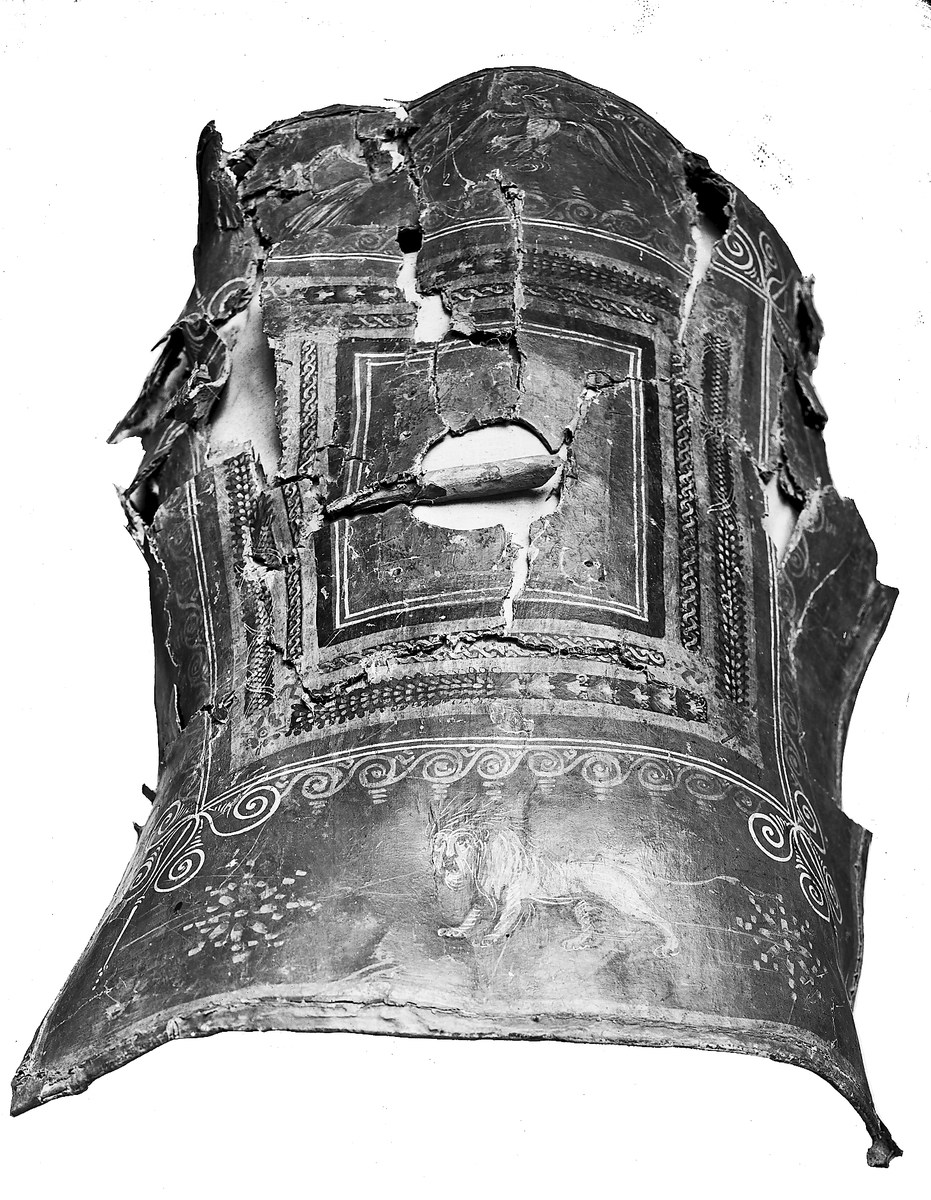
@perlineamvalli@BobbityWren@AlisonFisk Yes, it was reconstructed, but most of the shield was discovered when all of the excavated fragments were put together.
It makes me so happy that this publication is still useful to people wanting to know more about Dura-Europos, and that its now available for free online. One of my favorite projects!
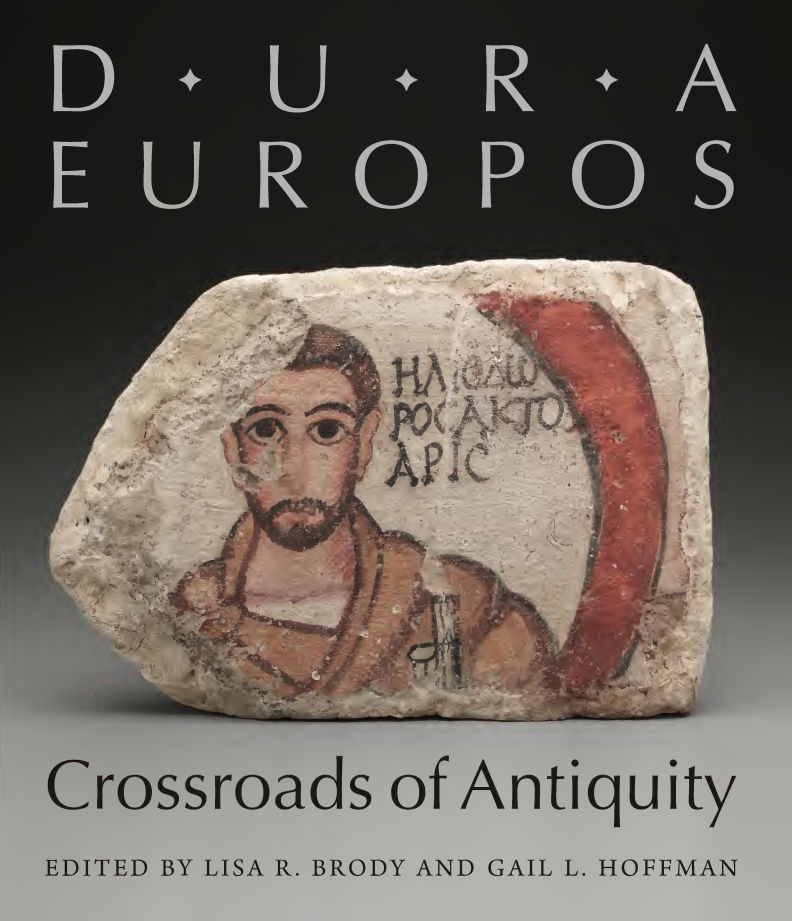
The catalogue of the 2011 exhibition Dura-Europos: Crossroads of Antiquity includes some military equipment and is available for download from the newly restored Internet Archive (direct link to PDF): https://t.co/9ajmtGbOsl
COMING SOON: ‘Artifact War’ from Mystery Box Film, a documentary that follows the work of @alazmamr@Adnan77227624 and @AnthroPaulicy as they track trafficked Syrian antiquities from war zone looting sites to social media sites
https://t.co/UQwe3MvdHD
https://t.co/RxAdqI1BxH
In the 1930s, archaeologists made a stunning discovery at the ancient Roman city of Dura-Europos in modern-day Syria—the only intact Roman legionary shield ever found. This remarkable find offered an unprecedented glimpse into Roman military life, as shields made from wood and leather rarely survive the passage of time. Known as a scutum, the large, rectangular shield was a critical piece of Roman defense, used to form the famous "testudo" formation in battle.
What makes this shield so unique is not only its preservation but the circumstances that saved it. During a siege by the Sasanian Empire in the 3rd century AD, Roman defenders buried parts of the city, including the shield, to strengthen their walls. The combination of rapid burial and the dry, desert climate preserved the shield for nearly two millennia, protecting it from decay caused by moisture and pests.
This artifact stands as a singular example of Roman craftsmanship and battlefield ingenuity, transporting us back to the final desperate days of Dura-Europos and offering a rare, invaluable connection to the ancient world.
Yale University Art Gallery
#drthehistories