Really worth the read! Clearly stating what the issues are – specially within the scientific portion of Python community – should be the first step, and this document does it very well.
That's great! After reading that, and entering the rabbit hole of discussions around Python packaging, I end up finding this gem: https://t.co/fLHJKK0sVY
This is absolutely the best, most-comprehensible description I've seen so far of issues around distributing Python packages that rely on pre-compiled non-Python code.
Speaking as an @IPCC_CH Lead Author, these are some of the most important new messages from the #climate report out today: (🧵)
1. For the first time we’re seeing evidence of real, sustained decreases in greenhouse gas emissions from some countries.
But take a breath because…
Anyone know of a good MLOps tool I should use? I'll be using it to manage a pipeline running a gradient-boosted classifier that decides which MLOps tool I should use.
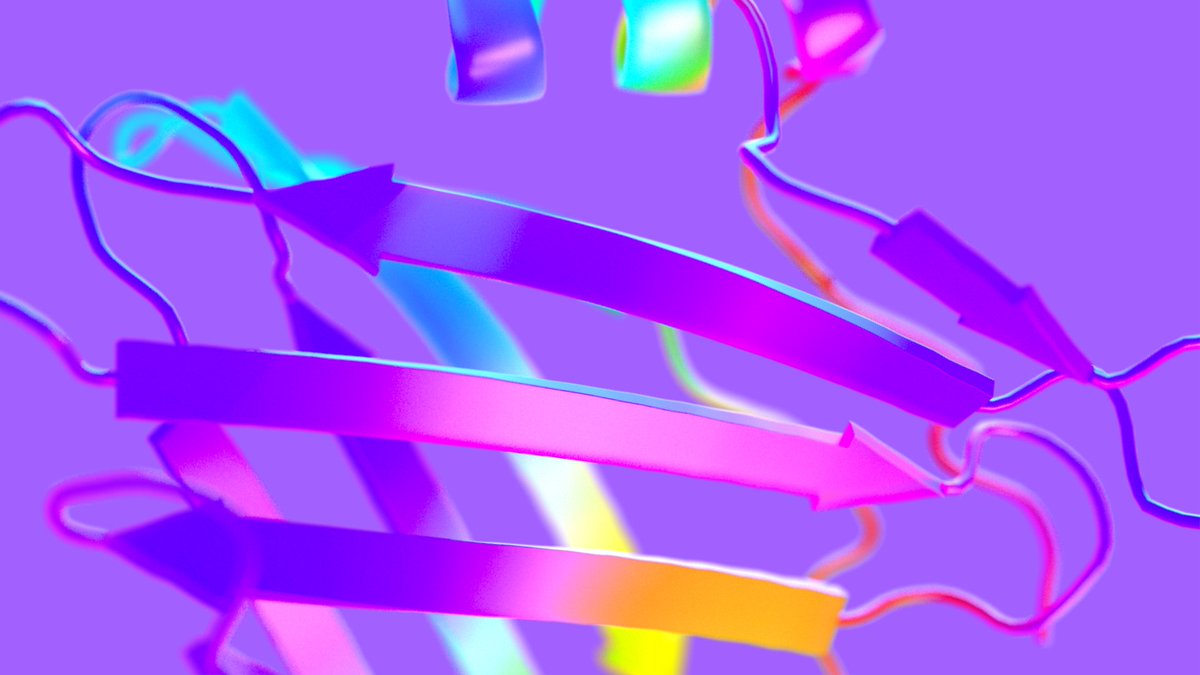
Last year we presented #AlphaFold v2 which predicts 3D structures of proteins down to atomic accuracy. Today we’re proud to share the methods in @Nature w/open source code. Excited to see the research this enables. More very soon!
https://t.co/6uiV51Xly5
https://t.co/CLo7EKubBT
Please share with others.
This thread is about multiple cases of harassment that have happened at my home university (the University of São Paulo, often considered the most prestigious university in Latin America), ever since I was an undergrad.
What is the best way to classify cells? If you are interested in this and other related topics, you should check out @lubianat's pre-print on this messy world of cell types!
A school board official on the radio jut said “we surveyed teachers and, after counting ‘non responses’ as votes for ‘in person’, about 50% of teachers want to teach in person this fall”.
🤦🏼♀️🤦🏼♀️YOU CANNOT IMPUTE THE ANSWER YOU PREFER WHEN YOUR DATA ARE MISSING🔊🔊🔊