I'm going to start posting on here so I'll introduce myself.
I've been an entrepreneur since I could remember. Over time I became obsessed with two things, commercial real estate and technology.
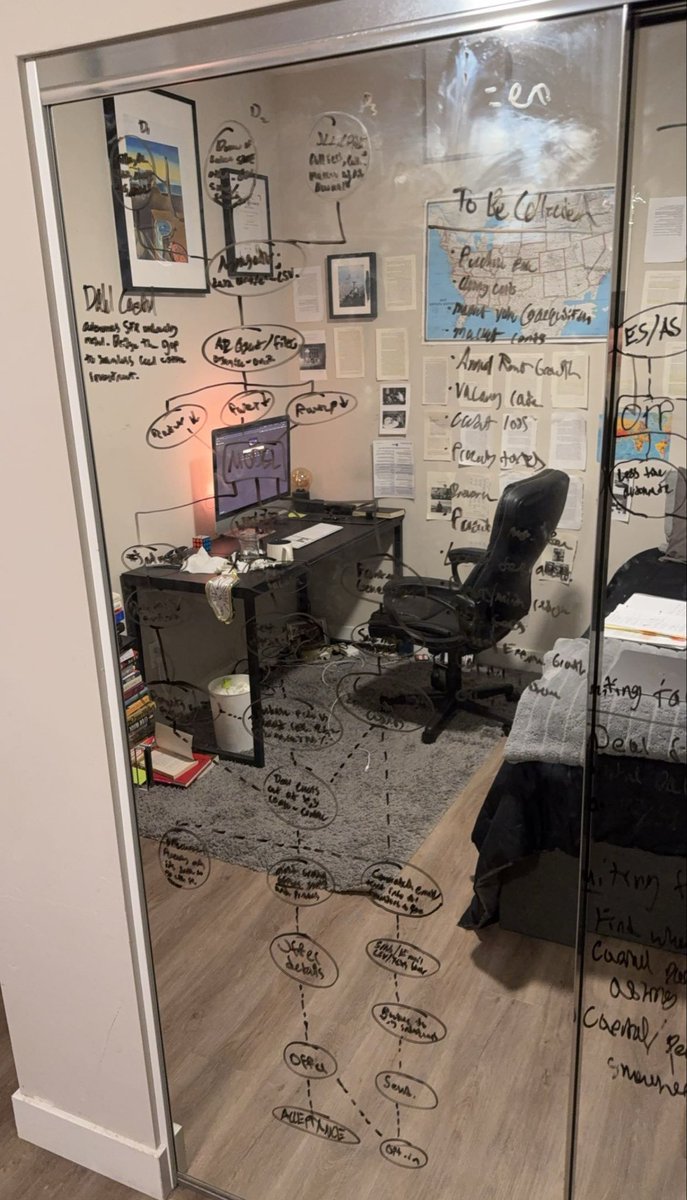
I started investing in real estate at 18 and built my own AI underwriting system in 2025 to analyze more deals than I could on my own.
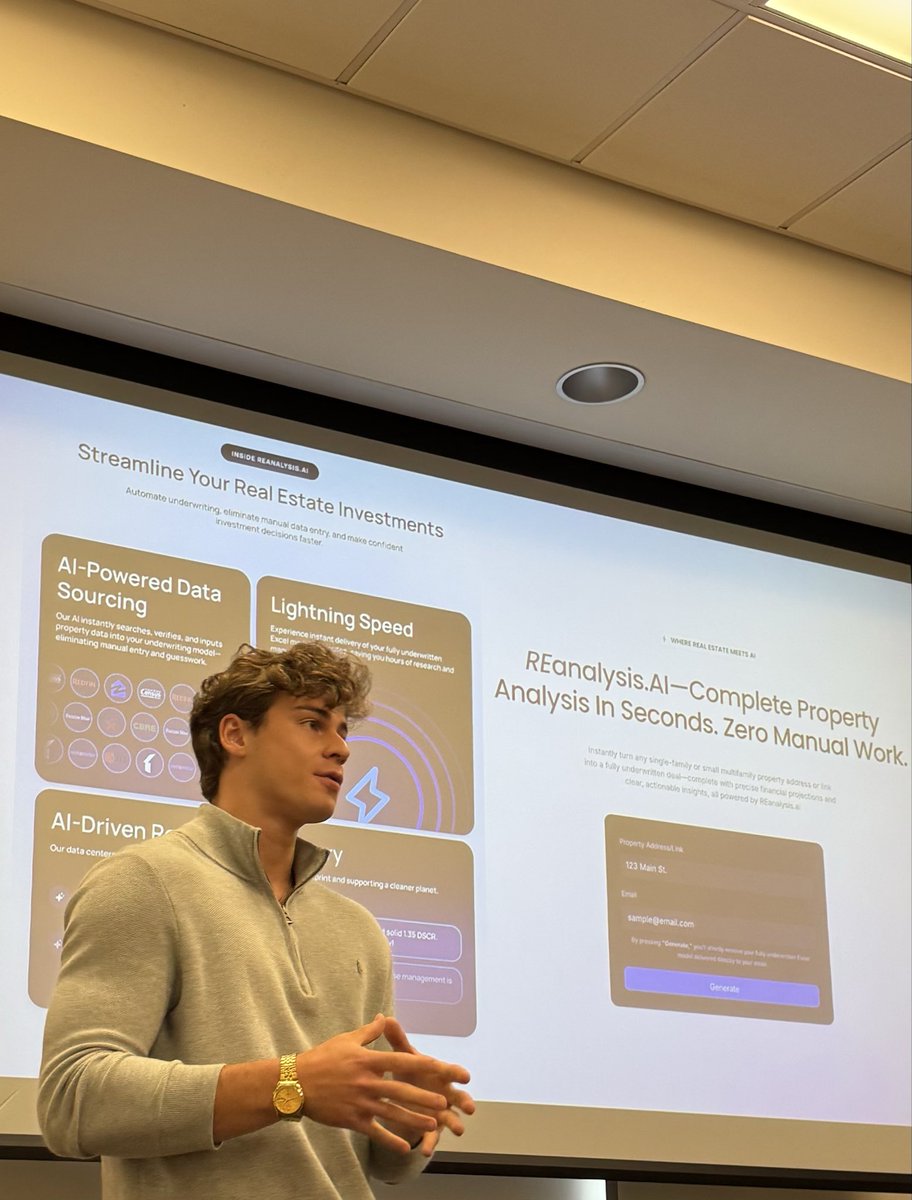
Shortly after that I realized how poorly the real estate industry was run, and that the system I built for myself could be built for the entire industry. A month later I started Rets AI.
Raised my first round of funding while still in college and then dropped out.
After that, I closed a $15.5M valuation cap raise, and am now building the AI-native operating system for commercial real estate investment firms.
Excited to post the journey here on X.
In CRE, there is a meaningful difference between using AI to solve a compute-bound problem versus a judgment-bound one.
Running 5 instances of Claude on the same problem yields diminishing returns because the instances share weights and a training distribution, so their outputs are highly correlated.
Putting 5 humans on one problem can be more fruitful because each brings an independent prior shaped by different experience.
The limiting factor at your firm should never be manpower it should be judgement.
The AI job panic misses the mechanism.
Companies that adopt AI don't fire half the team and pocket the savings.
They increase velocity: more projects shipped, more deals closed, more revenue per headcount.
Velocity creates margin. Margin funds growth. Growth requires hiring.
Treat AI literacy the way you treated Excel in 1995 or Google in 2005. Not as optional. Not as someone else's department. As table stakes.
Real estate tech is creating a generation of analysts who can run models with AI but can't smell a bad assumption themselves.
The tedious manual work was never wasteful and it will only prove to be more essential.
These are the schooling fees you paid in exchange for a sixth sense.
The newer generation needs this too.
For the first time in history, a non-technical person can build something great if they cast their attention in the right direction
Go through the discomfort of being a beginner again, build something small but useful, and then you will get an addiction to building things