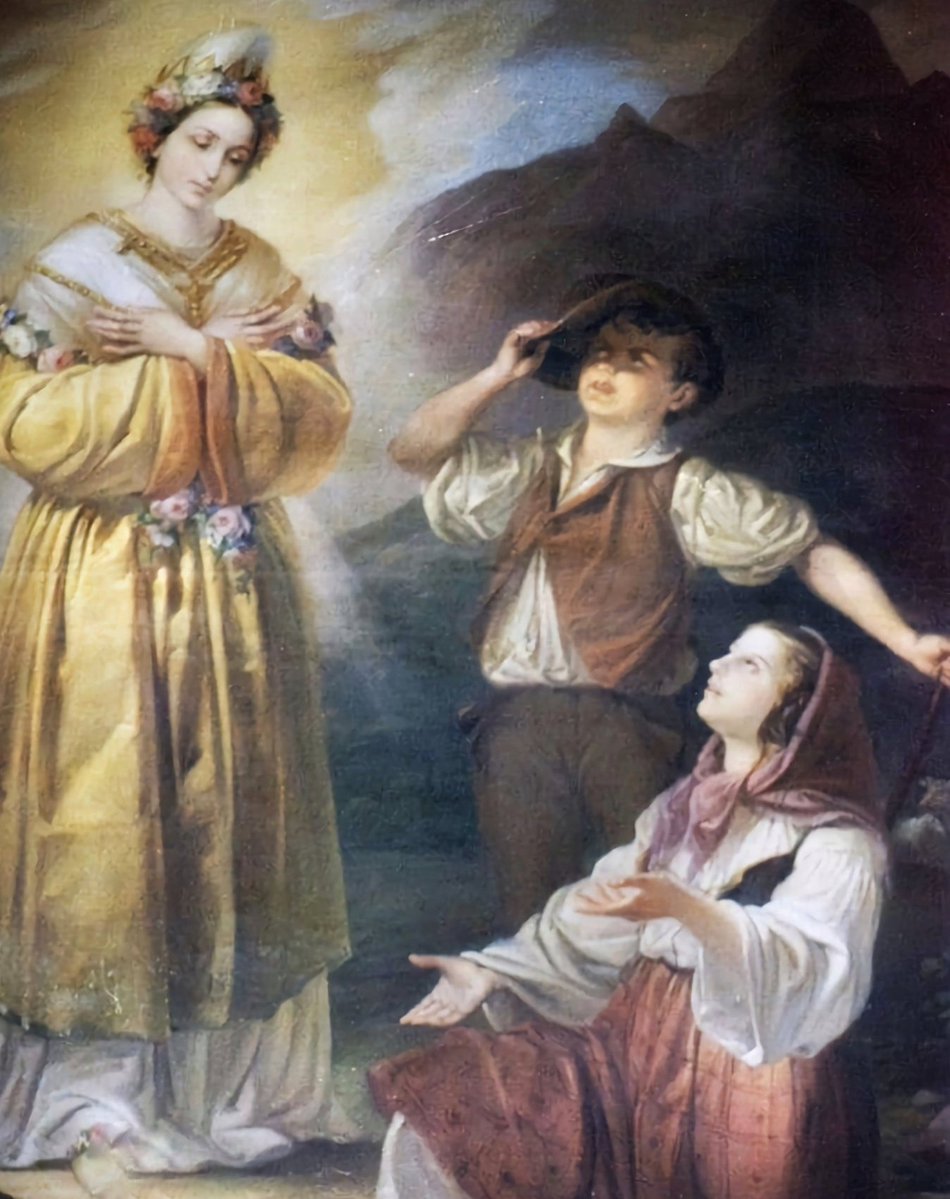
"All the civil governments will have one and the same plan, which will be to abolish and do away with every religious principle, to make way for materialism, atheism, spiritualism and vice of all kinds." - Our Lady of La Salette
Meet Thaddeus Daniel Pierce, the “World’s Oldest Baby.”
Baby Thaddeus was conceived via IVF in 1994 along with three siblings. His biological parents implanted his sister and froze the rest of their children.
After divorcing, Thaddeus’ biological mother gained custody of the remaining embryos. She intended to implant them, but menopause led her to choose embryo adoption.
In 2024, Lindsey and Tim Pierce adopted Thaddeus and his two remaining siblings after 7 years of infertility. One embryo died after being defrosted, and two were implanted in Lindsey’s uterus.
Only Thaddeus survived.
Thaddeus was born on July 26th, 2025. But he’s biologically 31 years old.
Media outlets are confused: They say Thaddeus was created or born “from an embryo that was frozen.” But Thaddeus’ life didn’t begin in 2024 or 2025. He was alive in 1994 and was alive during the 30 years being frozen.
Thaddeus was the embryo. He’s the same human being, just older now.
Thaddeus is a miracle. But also a victim of an unethical practice.
No child should be subjected to IVF, as it puts children at serious risk.
➡️ 40% increased risk of birth defects
➡️ Double the chance of stillbirth
➡️ Higher risk of childhood leukemia
➡️ Low birth weight
➡️ Higher blood pressure
➡️ Hormonal imbalances
➡️ Advanced bone age
➡️ Cardiovascular issues
➡️ Cerebral palsy
➡️ Autism spectrum disorder
➡️ Infertility
More lives are lost during IVF than born alive.
Only 7% of human embryos created via IVF result in a live birth.
93% of these lives are frozen, miscarried, or aborted.
Over 1 million embryos are currently frozen in the U.S.
Thaddeus was treated as an “extra” baby, frozen for 30 years, and two of his siblings were killed.
Children deserve better.
Ban IVF now.
Source: Nancy Flanders/@LiveAactionNews
“Courage is fear that has said its prayers.”
~ St. Thomas Aquinas
Photo: Fr. Francesco Vera, executed immediately after saying Mass (which had been outlawed), Mexico, 1927.
“Continue a rezar, pois é impossível que se perca um filho de tantas lágrimas”. Este foi o conselho dado por um bispo a santa Mônica, cuja memória litúrgica a Igreja celebra hoje (27).
A santa seguiu este conselho, não se deixou abater pelas dificuldades até ver seu filho, santo Agostinho, convertido. Por essa razão, tornou-se a padroeira das mães cristãs.
Ao recordar a vida desta santa, em 2013, o papa Francisco destacou o exemplo que ela deixa a tantas mulheres que atualmente choram por seus filhos. “Quantas lágrimas derramou aquela santa mulher pela conversão do filho! E quantas mães, também hoje, vertem lágrimas a fim de que os seus filhos voltem para Cristo! Não percais a esperança na graça de Deus!”, disse.
Santa Mônica nasceu em Tagaste, atual Argélia, na África, em 331. Ainda jovem e por um acordo dos seus pais, casou-se com Patrício, um homem violento e mulherengo.
Algumas mulheres lhe perguntaram por que o seu marido nunca lhe batia, então lhes disse: “É que, quando meu marido está de mau humor, eu me esforço por estar de bom humor. Quando ele grita, eu me calo. E para brigar é preciso de dois e eu não aceito a briga, pois... não brigamos”.
Suportando tudo no silêncio e mansidão, encontrava o consolo nas orações que elevava a Cristo e à Virgem Maria pela conversão do esposo, que mudou de vida, batizou-se e morreu como bom cristão.
Mas a dor dessa mulher não terminaria aí. Agostinho, seu filho mais velho, tinha atitudes egoístas, caprichosas e não se aproximava da fé. Levava uma vida dissoluta e ela sofria por ver o seu filho afastado de Deus. Por isso, durante anos continuou rezando e oferecendo sacrifícios.
Agostinho se tornou um brilhante professor de retórica em Cartago. Mais tarde, foi, às escondidas, para Roma e depois para Milão, onde conseguiu o cargo de professor em uma importante universidade. Em Milão começaria também sua busca por respostas que a vida intelectual não oferecia. Abraçou o maniqueísmo e rejeitava a proposta da fé cristã.
Mônica não desistiu e viajou atrás de seu filho. Ela sentiu que a sua missão foi realizada quando, tempos depois, santo Agostinho foi batizado na Páscoa de 387. Mônica faleceu em 27 de agosto de 387.
📌 Siga @acidigital para mais conteúdo católico.
THE CHURCH FATHER WHO WROTE THIS IN 107 AD AND IT SILENCES EVERY PROTESTANT ARGUMENT
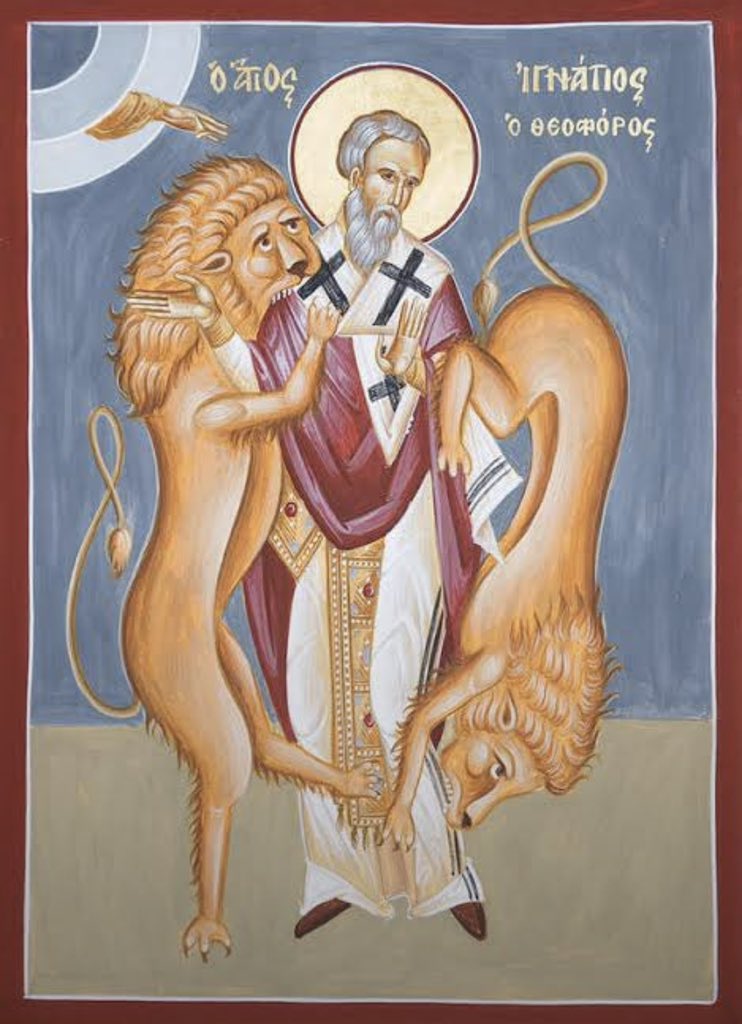
St. Ignatius of Antioch was a student of the Apostle John. He was arrested and sent to Rome to be eaten by lions.
On the way, he wrote seven letters. In 107 AD, within living memory of the Apostles, he wrote:
“Where the bishop is, there let the multitude of believers be; even as where Jesus is, there is the Catholic Church.” (Letter to the Smyrnaeans, 8:2)
This is the first recorded use of the term “Catholic Church” and it comes from a man who personally knew the Apostle who leaned on Jesus’ chest at the Last Supper.
He also wrote:
“Take note of those who hold heterodox opinions… They abstain from the Eucharist and from prayer, because they do not confess that the Eucharist is the flesh of our Savior Jesus Christ.”
Real Presence of Christ in the Eucharist. The Catholic Church by name. Obedience to bishops in apostolic succession.
107 AD. Not the Council of Trent. Not the Middle Ages.
The next time someone tells you the Catholic Church invented these doctrines centuries later, show them Ignatius.
He wrote this on the way to die for it.
La FSSPX entrando en San Pedro cantando durante el Jubileo 2025.
Volveremos a entrar.
Y los que convirtieron Roma en un laboratorio modernista tendrán que ver cómo vuelve aquello que intentaron enterrar: la Tradición.