La Cueva de las Golondrinas es otro tesoro natural de PR; se llega caminando por la Playa Pastillo, cerca de Montones y Jobos en Isabela.
Sólo se puede ver entre julio y septiembre, cuando hay marea baja. El resto del año queda sumergida bajo el mar.
¡Seguimos repartiendo ceros en el Mundial Sub 23!
#LosNuestros🇵🇷 cierran primera ronda con 3-2.
Estamos a la espera de los resultados de Panamá vs. Australia y Nicaragua vs. República Checa para conocer el panorama de la súper ronda.
Esta semana defendió el último estudiante de doctorado en finanzas. Era doctorado único en PR, con la acreditación más alta del mundo, pero con los recortes de @FOMBPR no hay $ para plazas y al final quedó un solo profesor. Así progresa un país que tiene un solo recurso:el humano
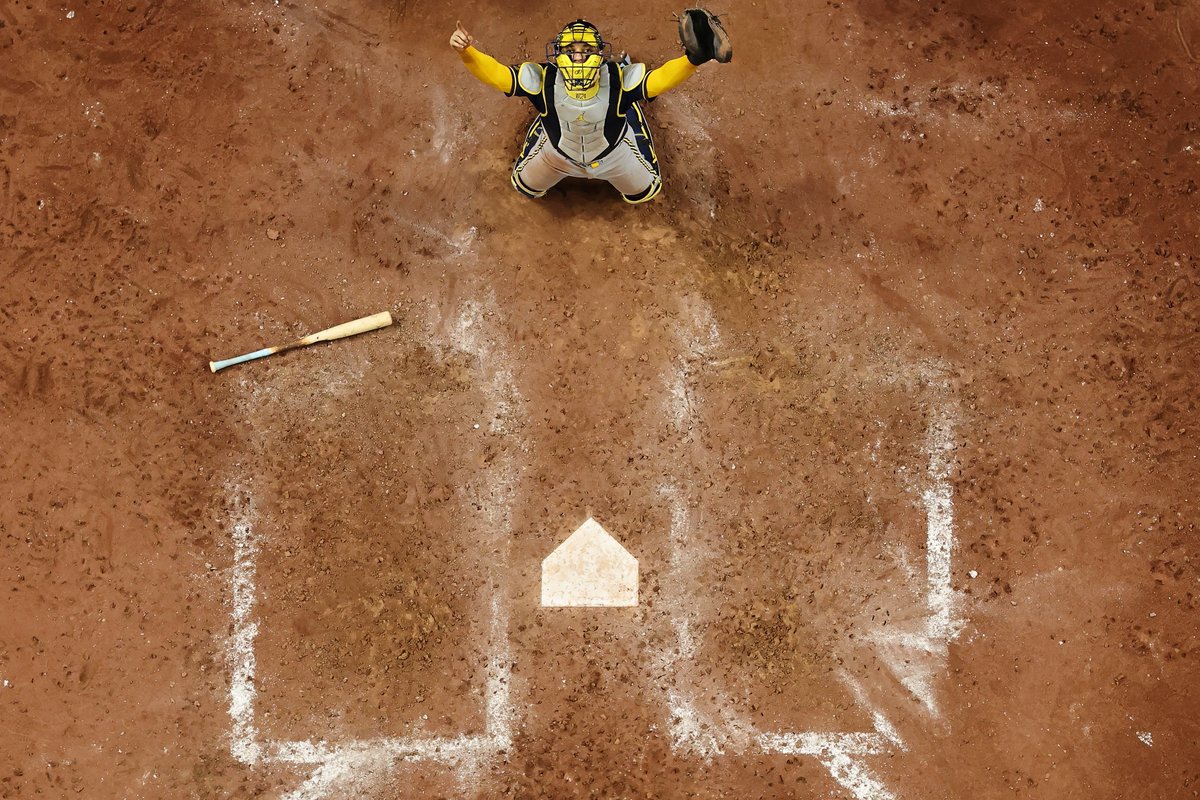
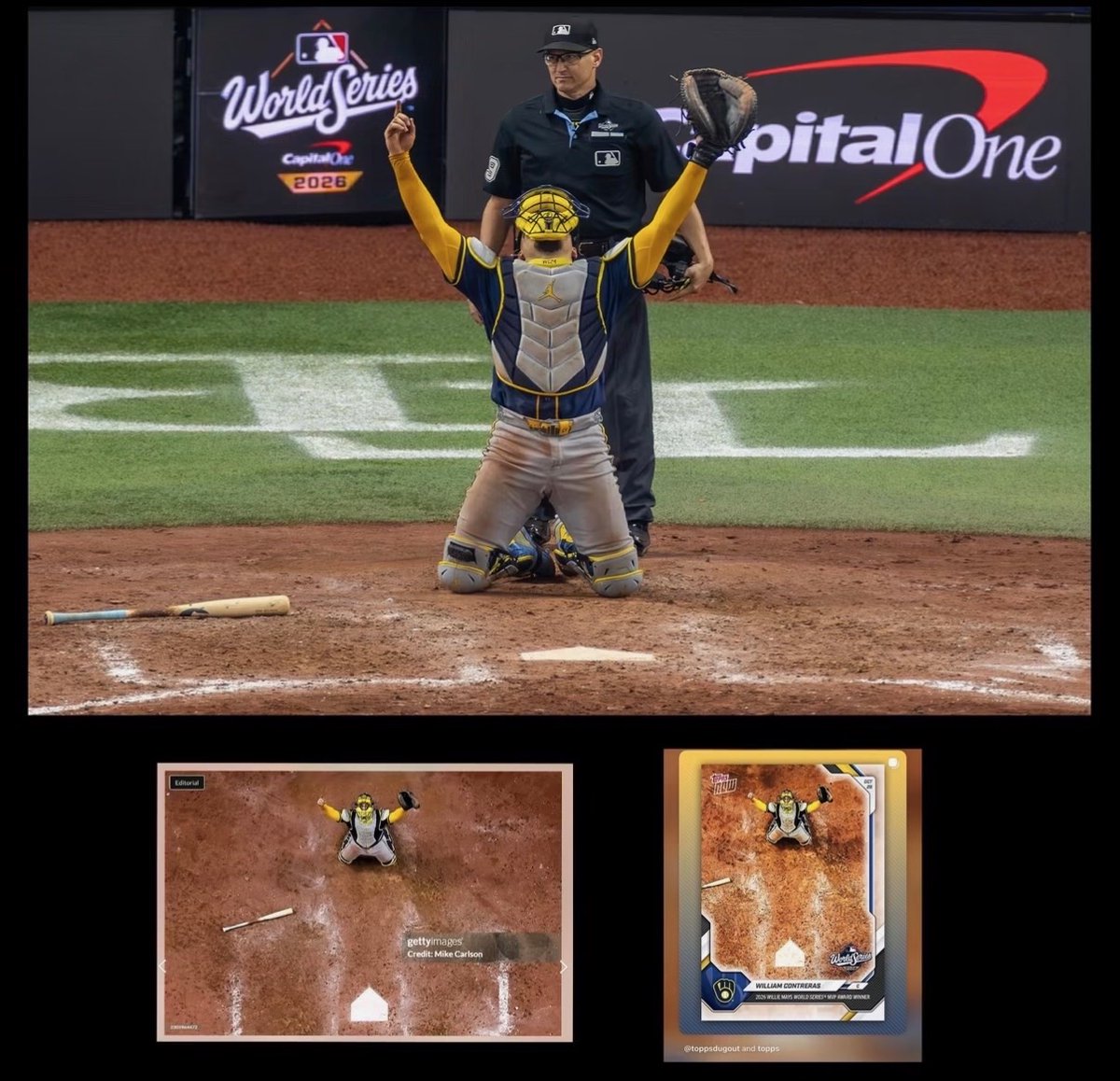
This World Series photo is one of the best sports photos I have ever seen, but the process behind how it was captured might be even more interesting.
No, it wasn't done with AI or a drone.
Here's what you need to know...
Mike Carlson and Carmen Mandato took this photo, and Carlson broke down the process on Instagram.
He says they go up on the catwalk before games to install a series of cameras mounted in different positions — looking at home plate, the mound, etc.
But since photographers can't sit on the catwalk during games (and also have to take other photos), Carlson and Mandato install a trigger to help take photos remotely.
The way it works is simple: When Carlson and Mandato take photos with their handheld camera in the outfield, the catwalk camera also takes a photo.
The catwalk camera is also connected to a network, so it automatically sends the photo to an editor.
This is similar to the process NBA photographers use to get those popular "spotlight effect" photos.
But instead of mounting their camera on a catwalk in the arena, NBA photographers use a trigger to activate the strobe lights most NBA arenas have installed in the rafters. Most people never notice the strobe light going off, but once you do, you'll notice it every time.
Super interesting.