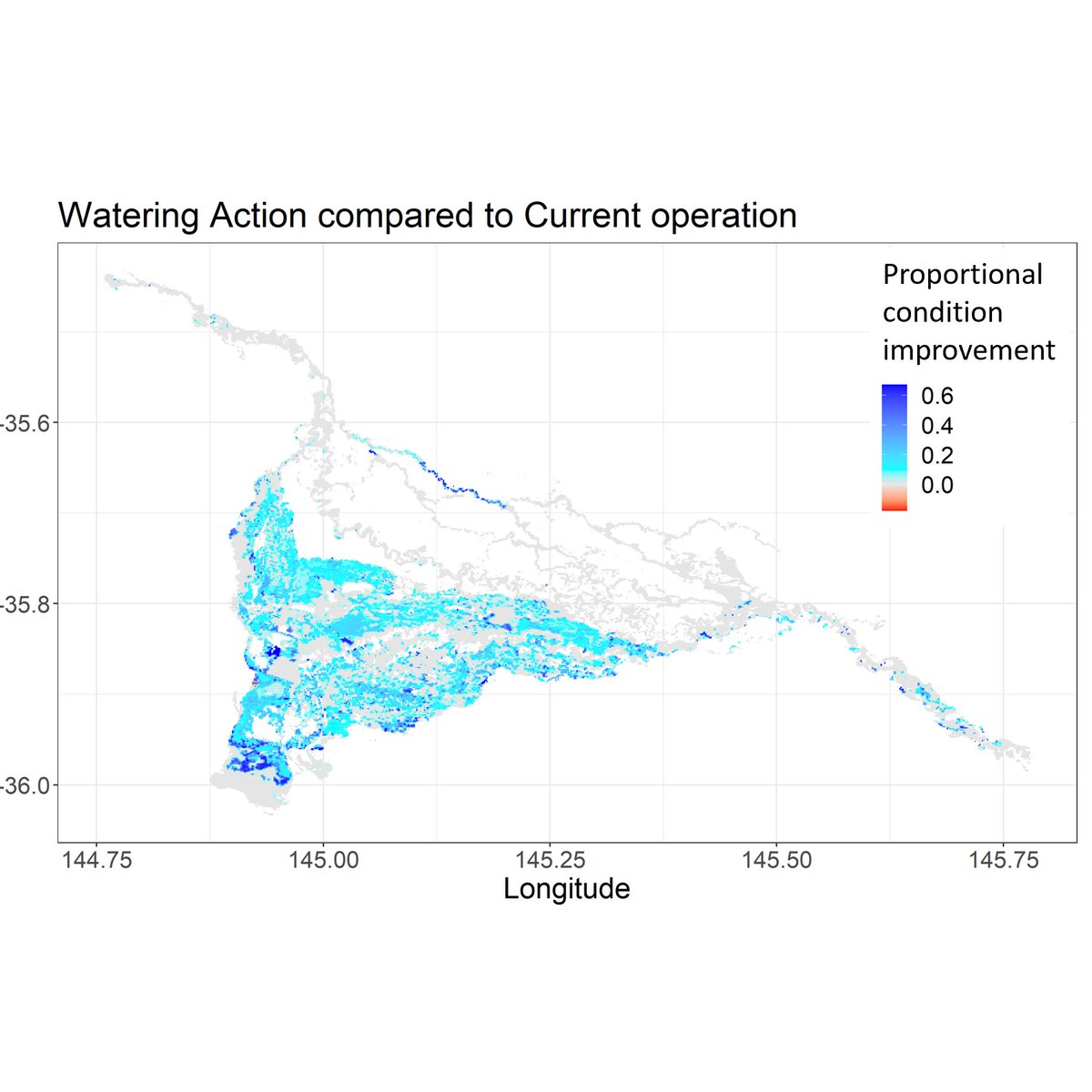
Dr @LukeMcPhan's research explores how river flow shapes communities of Australian flora and fauna.
His work has highlighted the importance of returning flow events to rivers for the health of vegetation and aquatic populations. 🌦️https://t.co/C3tVxUu8Xt
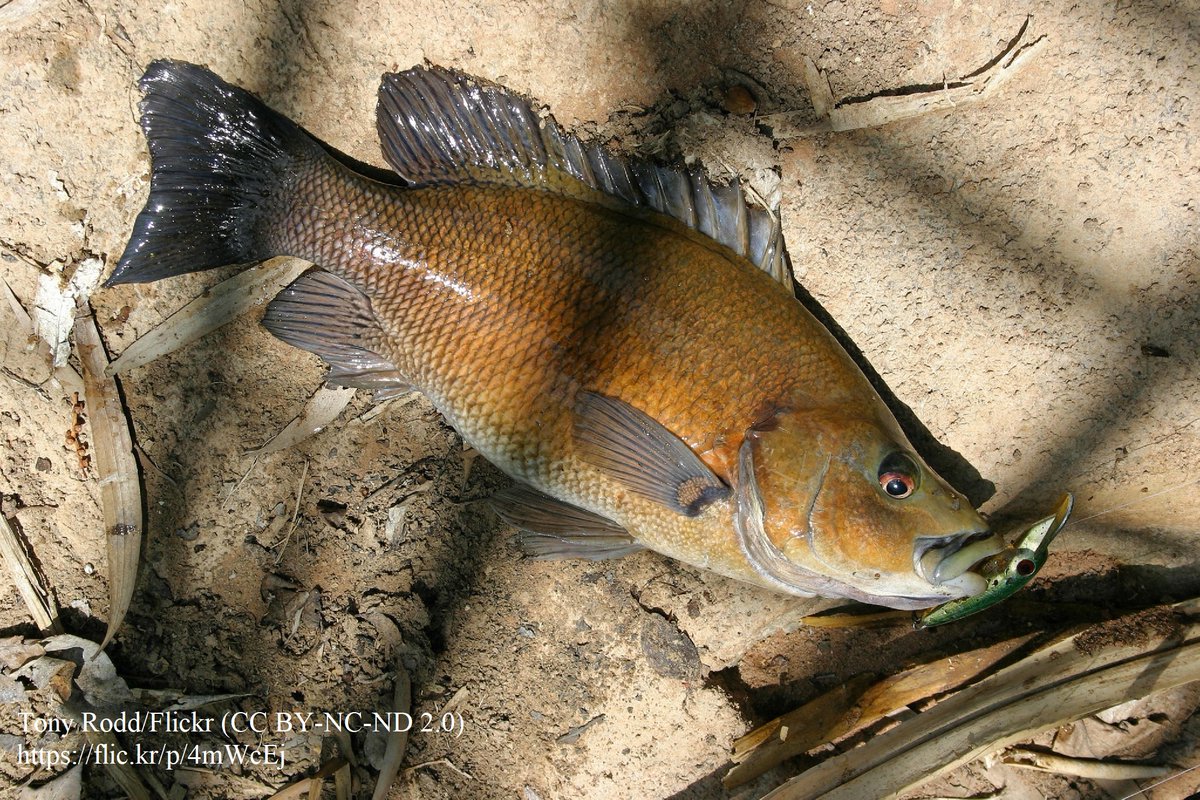
New study: Using radiotelemetry to monitor the habitat preferences and environmental flow requirements of juvenile sooty grunter (Hephaestus fuliginosus).
https://t.co/5TTcpOY2Ay
Murray cod are breeding in the north! Scientists are finding larvae in Macquarie River near Trangie, where we are delivering #WaterForTheEnvironment. Spring water temps in this part of the river are above 18 degrees– just how our native fish like it @nswenviromedia #iheartrivers
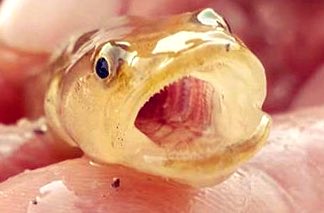
Check out the teeth on this beauty! The carnivorous flat-headed gudgeon was seldom detected in the early days of monitoring but through targeted delivery of #environmentalwater to key wetlands in the mid-Murrumbidgee, numbers have increased @theCEWH@ilwscsu @FMerproject
“The reality is that this combination of events have not been experienced by our fauna before, so the risk of things being extinct or being dramatically reduced is high." - @ProfRossatUC
https://t.co/9ZZl6s3Fq8
“There is an urgent need to implement national conservation efforts for this unique mammal."
A new study led by UNSW's Centre for Ecosystem Science has found Australia’s devastating drought is having a critical impact on the iconic #platypus. https://t.co/wsezt9Toy0
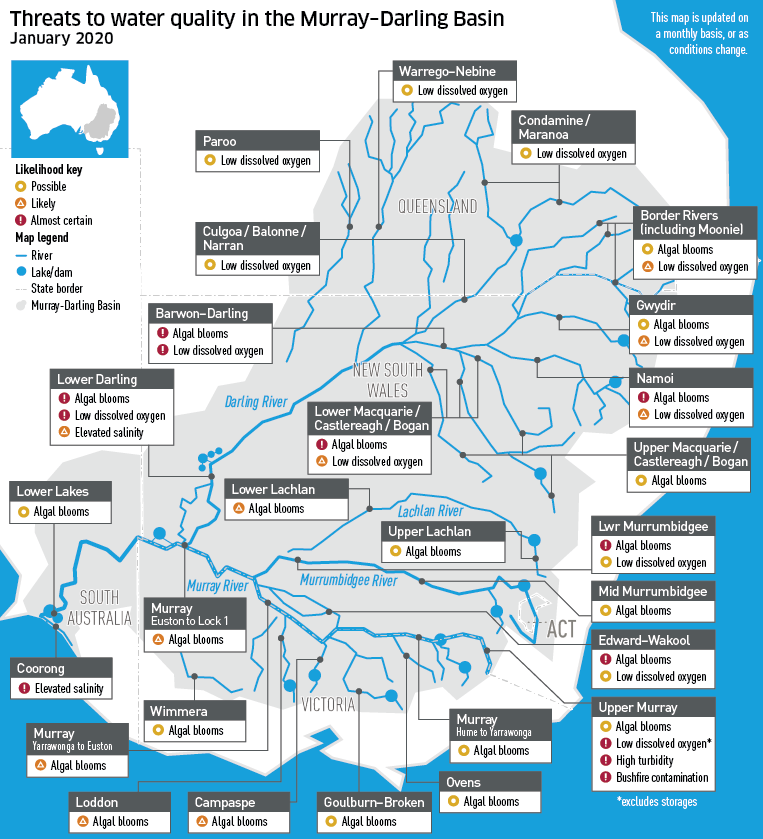
The latest snapshot of water quality shows possible algal blooms forming in most #MDBasin rivers in NSW and Vic, and bushfire contamination in the Upper Murray. https://t.co/9Go845F0Mk
“These are very tired and very old conspiracy theories that get a run after most major fires,” says Prof Ross Bradstock, “They’ve been extensively dealt with in many inquiries.” #bushfirecrisis#ClimateEmergency#AustralianFires https://t.co/RcdqlhDmpN
Why Barnaby Joyce and Andrew Forrest have got it wrong on the drought https://t.co/ad0ntSR8MP
“This will not overcome our continent’s changing climate cycle. Unfortunately, all the scientific evidence is pointing to harsher and longer droughts, with higher temperatures.”