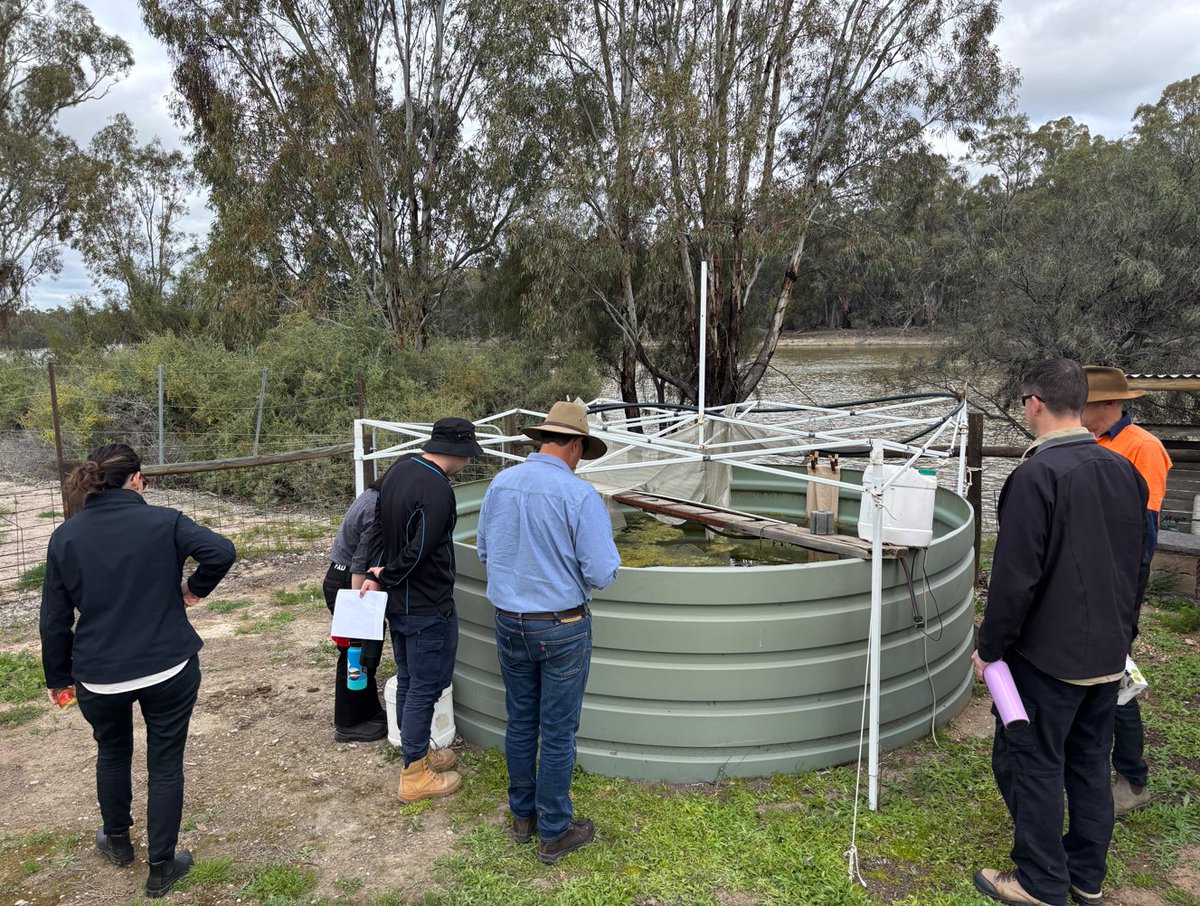
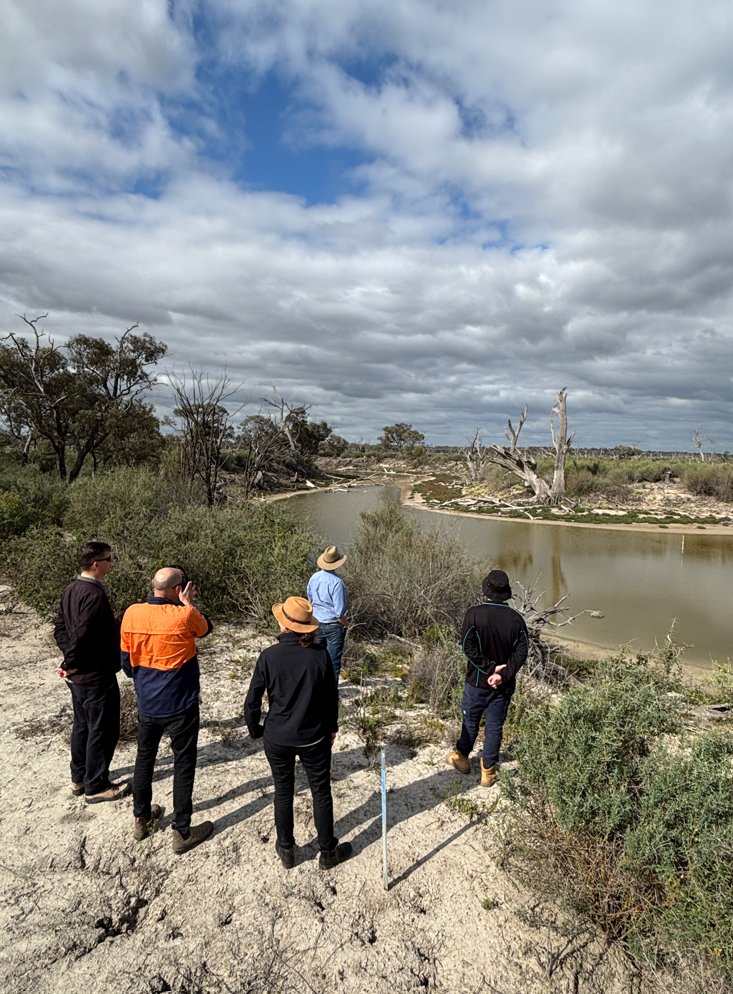
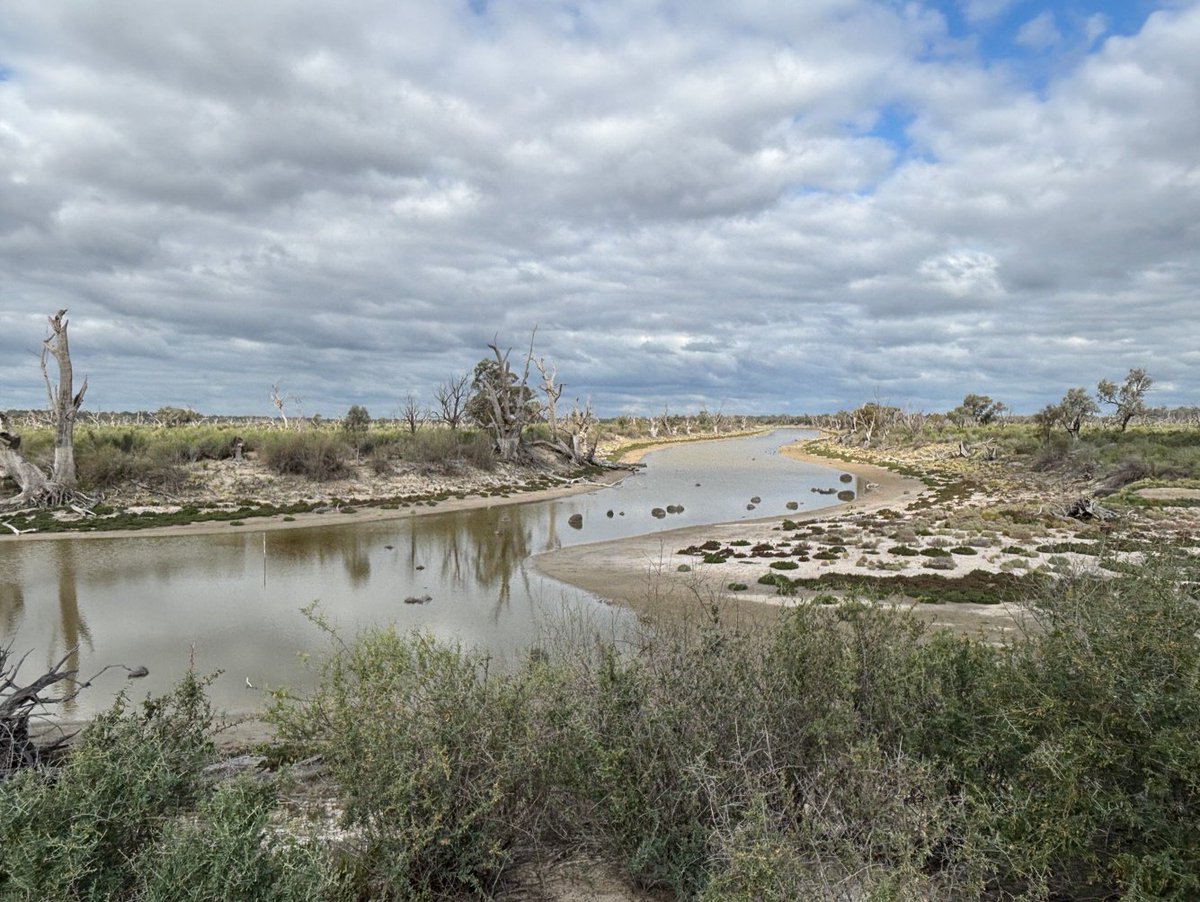
Scientists are using monitoring and research to better understand riverbank health in the lower Goulburn River.
@FlowMERprogram scientists are using the latest technology, including drone photogrammetry, to achieve results.
https://t.co/kafMnonC44
We are excited to partner with @nswdcceew, Leeton Shire Council & other partners to deliver this captivating photography exhibition!
Called “Wetlands in Focus”, the exhibition features 60 stunning images of the Ramsar-listed Fivebough & Tuckerbil Wetlands.
Well worth a visit.
Our frog friends are calling….for everyone to participate in Frog ID Week! 🐸
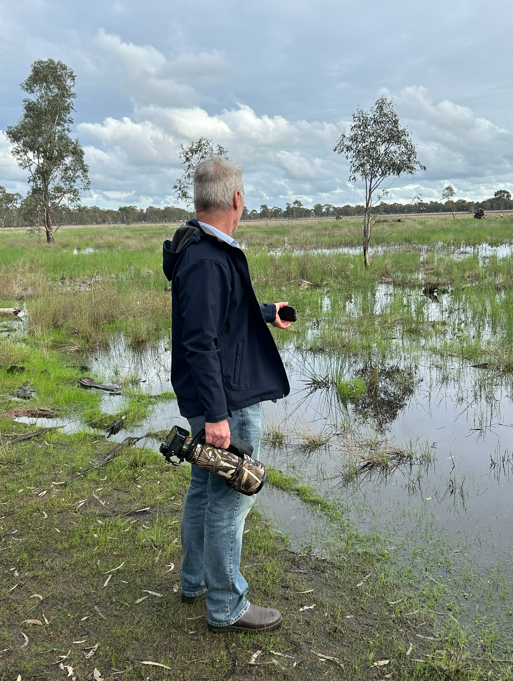
CEWH Dr Simon Banks participates every year and is pictured here using the Frog ID app to record frog sounds.
Find out more: https://t.co/RTaqKYCjpH
The CEWH’s science program, @FlowMERprogram, evaluates our work.
Some 2024-25 environmental water outcomes:
💧 2,369 gigalitres watered key assets across the Basin
🌱 2,043 GL for native vegetation
🐟 2,292 GL for native fish
🦆1,568 GL for waterbirds
https://t.co/F1dqR9kp2A
Congratulations to the Goulburn Broken CMA for another successful year of catchment management!
We’re pleased to help deliver environmental water at:
1. Mallee
2. Wimmera
3. North Central (Campaspe and Loddon)
4. Goulburn Broken
5. North East
https://t.co/G75b6hhUk9
Local Engagement Officer Greg Ringwood attended the launch of the Pindari Dam Bubble Plume Cold Water Pollution mitigation project. @nswdcceew Fisheries & CEWH’s science program, @FlowMERprogram, will undertake fish monitoring below the dam to assess the outcomes for native fish.
An important environmental water milestone, a groundbreaking First Nations environmental water plan and travelling Golden perch are all covered in the latest edition of the CEWH newsletter.
Don’t miss it!
https://t.co/R4JaukJfpq
Spring has definitely sprung and so have our spring freshes and flows! 🌱
Keep up-to-date about water for the environment delivery via our interactive water use map: https://t.co/KVINFA7MrB
This National Water Week we are delighted to announce:
The CEWH has reached a significant milestone – the delivery of 20,000 gigalitres of environmental water to rivers, wetlands and floodplains across the Murray–Darling Basin.
https://t.co/YcnIDN8VOq
The Aussie Bird Count is on so why not connect with nature and your photography skills this weekend?
Local Engagement Officer Tim Field is working with @NSWDCCEEW_Water to participate in bird identification and recording this week near Euston, NSW. https://t.co/xI3EgAHtR9
Local Engagement Officer Tim Field conducted a Wingillie Station (western NSW) visit to see how environmental water helps:
🏞️maintain healthy wetlands
🦆support native wildlife
🐟protect & re-establish populations of small-bodied native fish
💧long-term conservation outcomes
Congratulations @MRLandscapeSA on a great year of achievements in 2025-26!
We are delighted to see the outcomes from our partnership delivering environmental gains.
More work to do and, as always, we’re off to a flying start in 2026-27.
https://t.co/QyVaJSz3fH
@Griffith_SciEnv scientists (@FlowMERprogram) have researched Lower Balonne vegetation & found:
· Water management needs to allow time for seedlings to grow without sudden drying or flooding
· A mix of young and old trees is essential
https://t.co/jqQiKFHHCD
Assessing on-ground conditions, LEO Jason Wilson examined several sites in the Upper Barwon including Collarenebri Weir, Mungindi Weir, Gil Gil Creek & the Namoi & Barwon confluence.
Jason found refuge pools are looking good however drying conditions are present in the catchment.
This is really uplifting news!
Our science program, @FlowMERprogram, continues to assess the benefit of water for the environment in building healthy ecosystems for Basin plants and animals, including the Darling River snail. 🐌
https://t.co/NgJMoAlbcK
As part of our @FlowMERprogram, we funded @nswdcceew & @UNSW to conduct a waterbird survey in the Macquarie Marshes in August.
The results are encouraging!
The teams recorded 33 waterbird species including:
- brolga
- sharp-tailed sandpiper
- black duck
- black swan
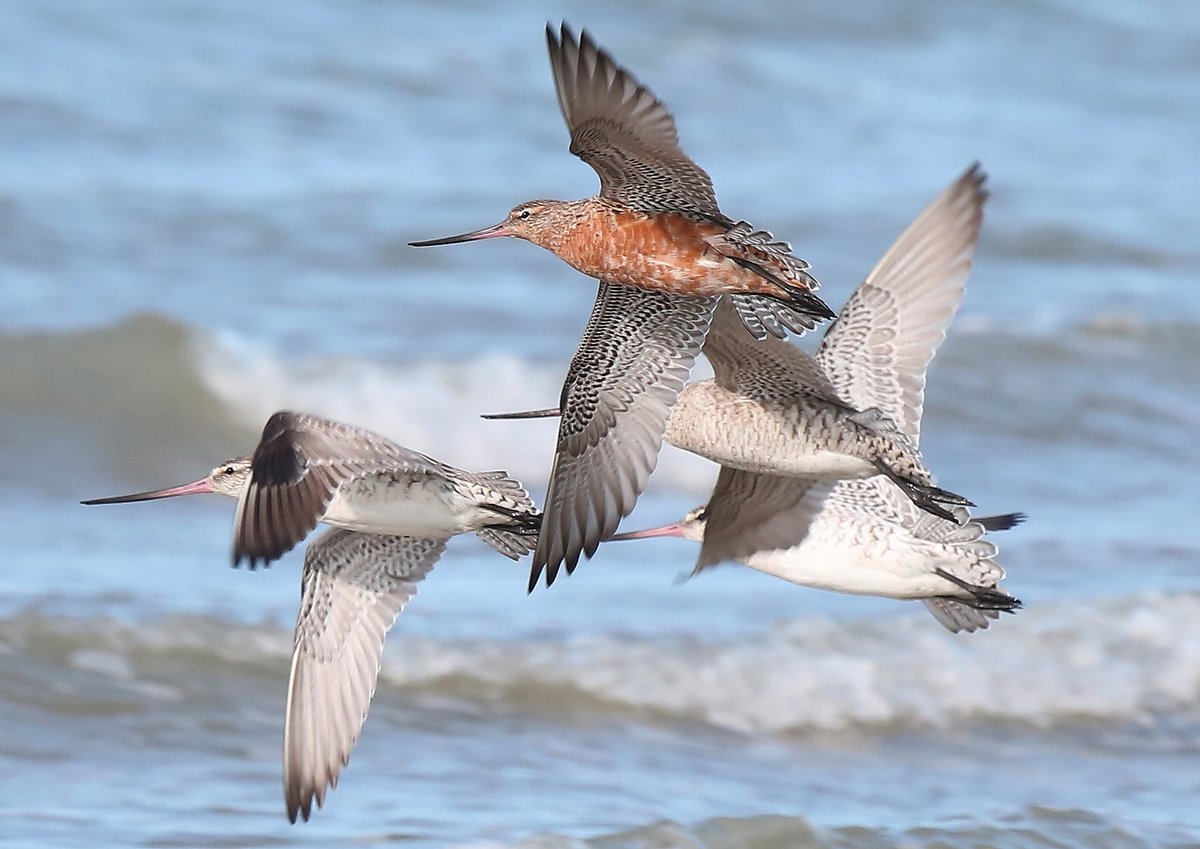
On World Migratory Bird Day, we are highlighting “Every Bird Counts – Your Observations Matter!”
Water for the environment is a key support for migratory birds that travel vast distances. We are grateful for citizen scientists who help in bird counts. Images: MJackson @CSIRO
Our Local Engagement Officer Tim Field joined the @latrobe Water Management third-year students to present on the practical and strategic aspects of water management across the Basin.
Lots of questions, learning and inspiration!
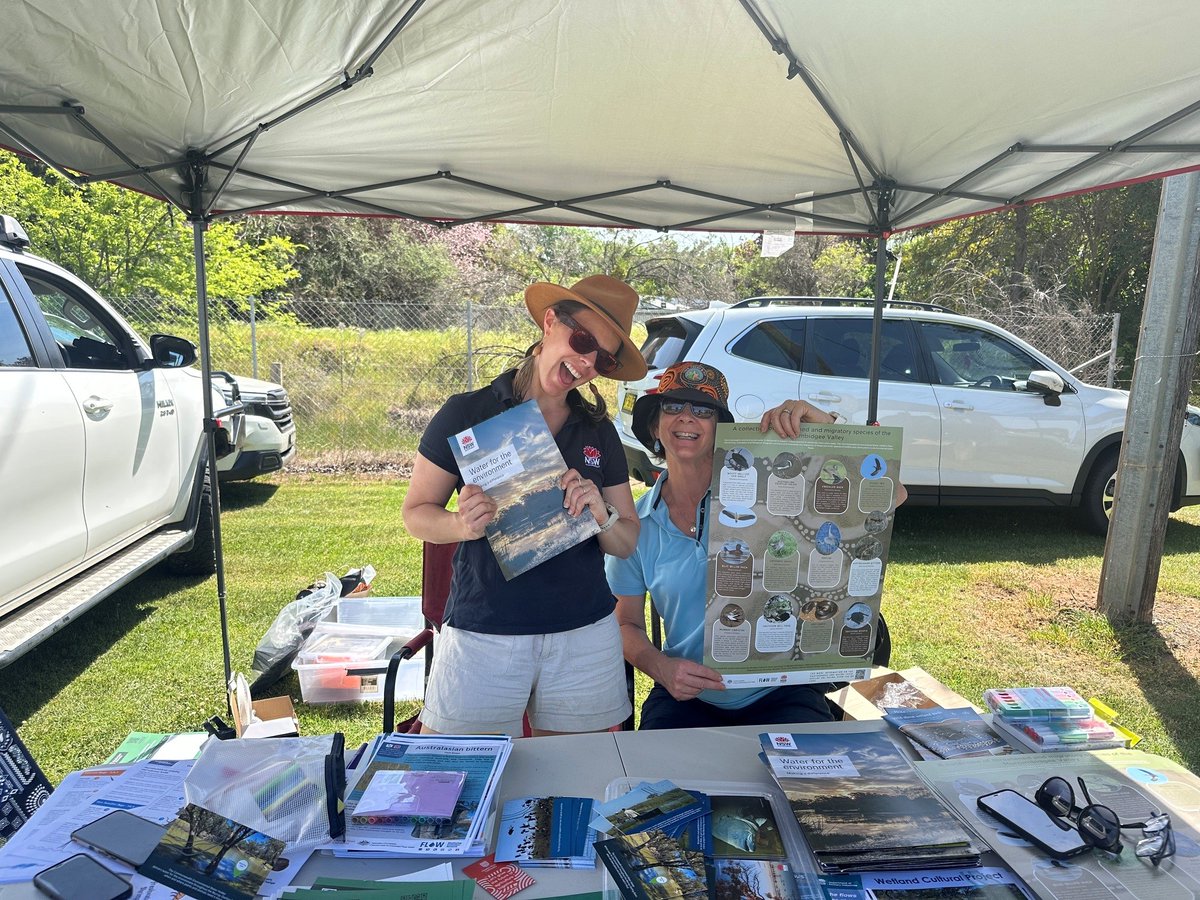
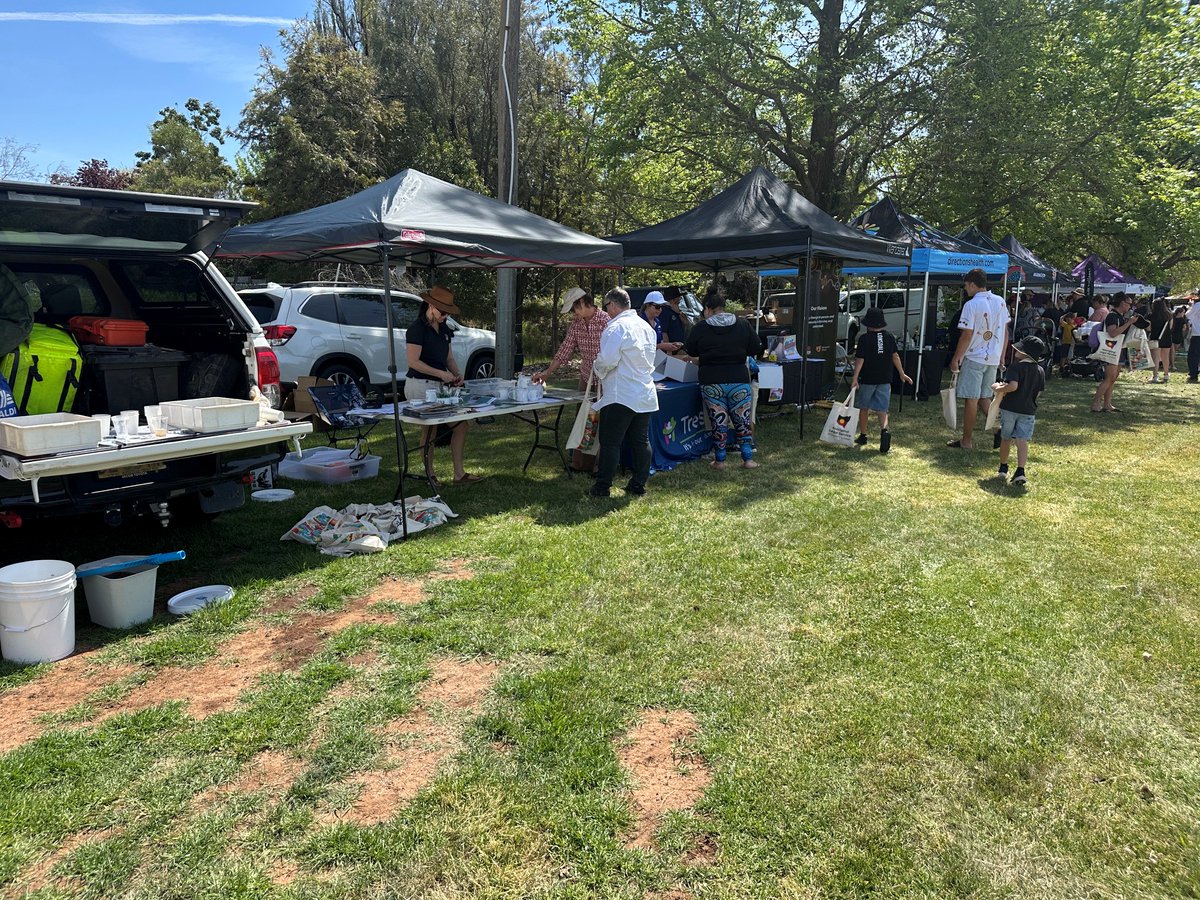
Local Engagement Officer Michele Groat, along with @FlowMERprogram@CharlesSturtUni & @NSWDCCEEW_Water, had a busy day at the Leeton NAIDOC Family Fun Day!
Attendees learned about water for the environment, Murray–Darling Basin plants & animals plus waterbug identification. 💧🪱
During Australian Wildlife Week we are sharing the work of our CEWH-funded platypus research!
Since 2023 @UNSW has monitored and conducted research into platypus populations in the northern Murray–Darling Basin.
Watch A/Prof Bino release a platypus following a health assessment: