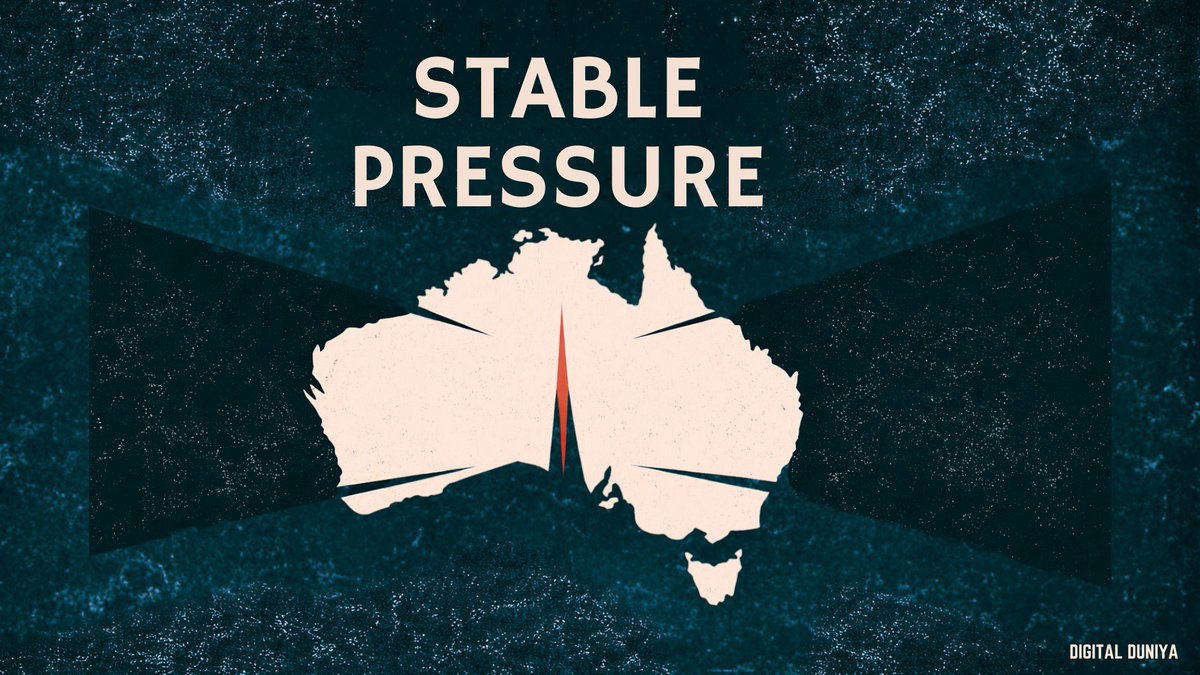
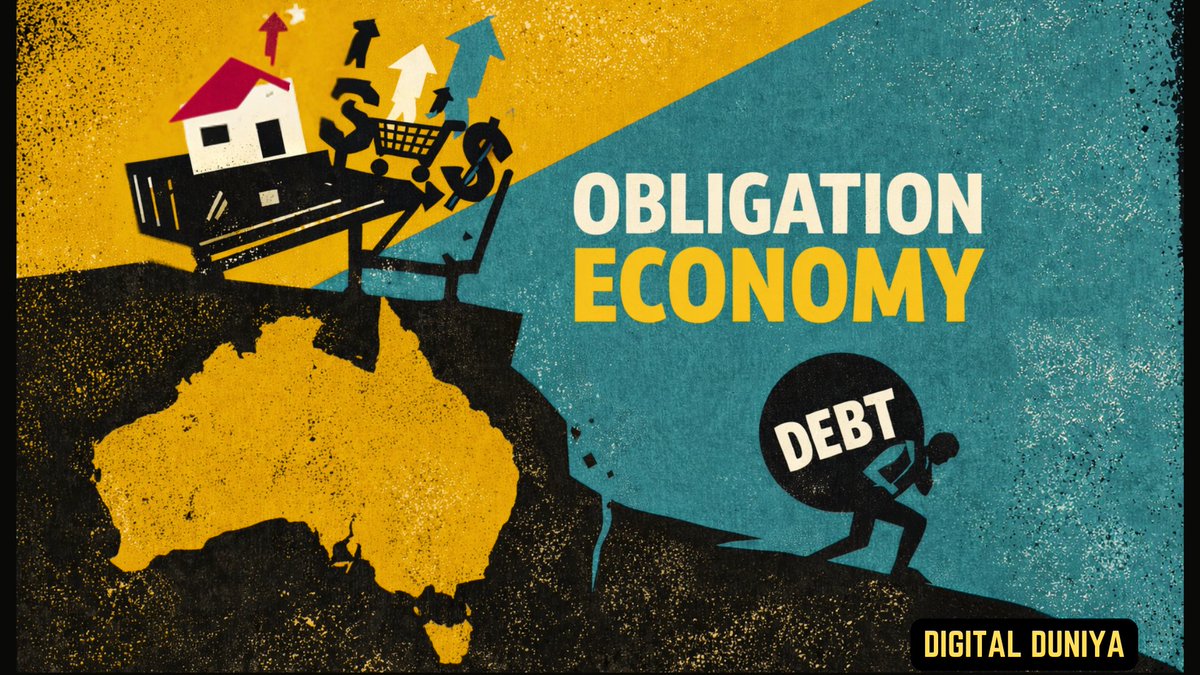
Australia is no longer in a boom–bust housing cycle.
It’s in a compression cycle — where stability survives by shrinking participation.
That distinction changes how you read every Australian housing headline.
Full breakdown 👇
Australian housing hasn’t stopped adjusting.
It just stopped adjusting through prices.
The real pressure point is upstream — in Australian household cash-flow tests that fail quietly. 👇
This phase quietly separates observers from operators.
If you’re still watching price alone, you’re already late to the signal.👇
https://t.co/l1EuOj0hP3
Quiet markets tend to resolve through participation, not price.
The key question is timing: does volume re-enter before structure fails?
Interested in how others have seen this resolve in prior cycles. 👇
What I’m still watching isn’t direction — it’s where liquidity shows up first.
Spot, ETFs, or derivatives usually blink before price does.
Curious which signal people here trust most in this kind of regime.
Introducing Polaris.
A self-scaling stablecoin operating system.
Uncorrelated yields. No T-Bills. No CEXs. No compromises.
Here's what we've been building 🧵
This cycle isn’t about narratives or adoption anymore.
It’s about which balance sheets are about to be forced out. Full Breakdown👇
https://t.co/N491cPmYMV
Most people think crashes start with fear.
They don’t.
They start at a level
Where leverage quietly makes selling unavoidable.
Almost nobody watches that level.
This explains it clearly 👇