Il 5 ottobre 2003 è stato il giorno più brutto della mia vita. Non ho mai accettato di averti perso e ancora adesso, se solo sento il tuo nome, piango. In fondo io desidero solo un'altro tuo abbraccio
Forse uno dei milioni di parenti dei morti uccisi da Stalin potrebbe dire la stessa cosa. Forse dovremmo relegare il fascismo e il comunismo nel passato come totalitarismi da non ritirare fuori?
In 2004, Ukraine was standing at a turning point.
The country was caught between two futures. One path pulled it closer to Moscow and the old post-Soviet system. The other pointed toward Europe, reform, and a more democratic national identity.
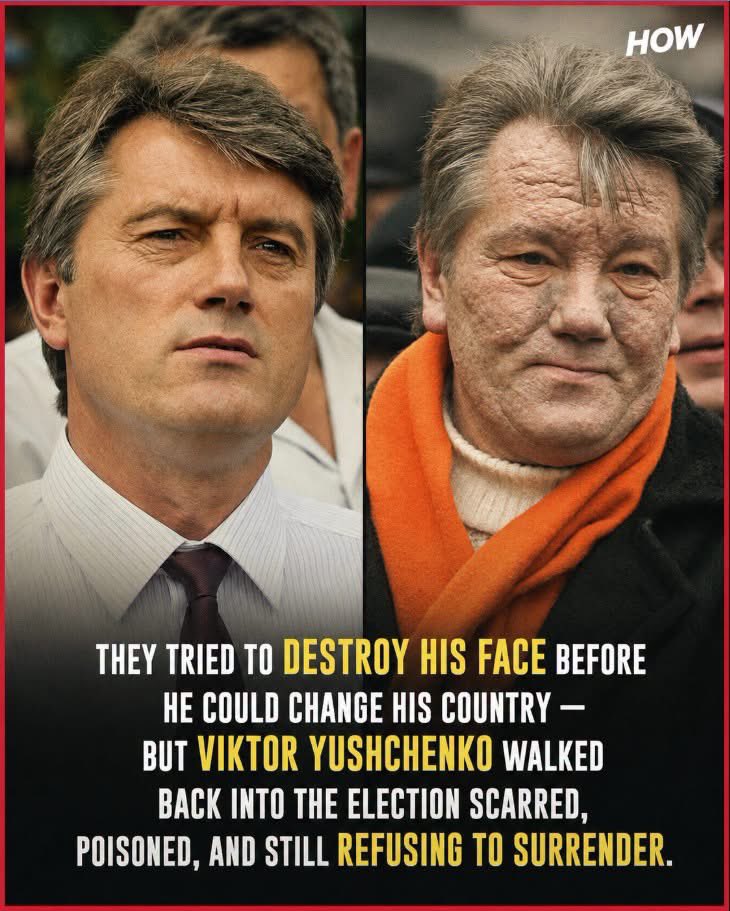
At the center of that battle stood Viktor Yushchenko.
He was a presidential candidate, a former prime minister, and the leading opposition figure against the government-backed candidate Viktor Yanukovych. To many Ukrainians, Yushchenko represented a chance to break away from corruption, intimidation, and political control.
Then, during the campaign, he suddenly became violently ill.
At first, the symptoms were confusing. He suffered terrible pain, swelling, weakness, and internal damage. His body seemed to be collapsing without a clear explanation. When he appeared in public again, the change was shocking.
His once recognizable face had become swollen, scarred, and disfigured.
Doctors later confirmed he had been poisoned with dioxin, one of the most toxic chemical compounds known. The poisoning caused severe chloracne and left visible damage across his face. It was not just a medical emergency. It looked like an attempt to remove him from the political race.
But Yushchenko survived.
And instead of hiding, he returned to the campaign.
His face became a symbol of what was at stake. Every scar seemed to tell Ukrainians that the election was no longer just about politics. It was about fear, control, and whether a nation could choose its own future.
Yushchenko and his family believed the assassination attempt was connected to Moscow, because he was pushing for closer ties with Europe and challenging pro-Russian influence in Ukraine. That allegation has never been fully proven in court, but the poisoning became one of the most infamous political attacks of the modern era.
The election itself became a national crisis.
When Yanukovych was first declared the winner after a disputed runoff, millions of Ukrainians believed the vote had been stolen. People flooded the streets wearing orange, the color of Yushchenko’s campaign. The protests became known as the Orange Revolution.
For days, crowds stood in the cold demanding a fair vote.
The pressure grew so strong that Ukraine’s Supreme Court ordered a new runoff election because of widespread fraud concerns. In that repeat vote, held in December 2004, Viktor Yushchenko won.
He entered the presidency carrying the physical marks of the attack against him.
His victory did not erase the pain. It did not restore his health overnight. It did not answer every question about who poisoned him or why. But it proved something powerful.
The poison changed his face.
It did not silence him.
Viktor Yushchenko’s story remains one of the most dramatic political survival stories in modern history — a reminder that sometimes a scar becomes more powerful than the weapon meant to destroy the person carrying it.
Poisoned, disfigured, and nearly destroyed — Viktor Yushchenko survived the attack and still won the presidency.
Source: History of the world
Rispondo ad Alessandro Barbero, perché dire “sono comunista” (così come chi dice “sono fascista”) non è una provocazione innocua: è un errore che rischia di trasmettere un messaggio pericoloso alle nuove generazioni. Le ideologie che hanno prodotto dittature, repressione e milioni di vittime non vanno rivendicate con leggerezza, ma studiate criticamente.
P.S. Forse certe affermazioni si fanno con tanta leggerezza solo perché non si è mai vissuto sotto una dittatura.
"russia has castrated Ukrainian soldiers, russia has raped Ukrainian women, russia has abducted Ukrainian children" and the International Olympic Committee is letting them back in to international sports.
How @iocmedia can you justify this?
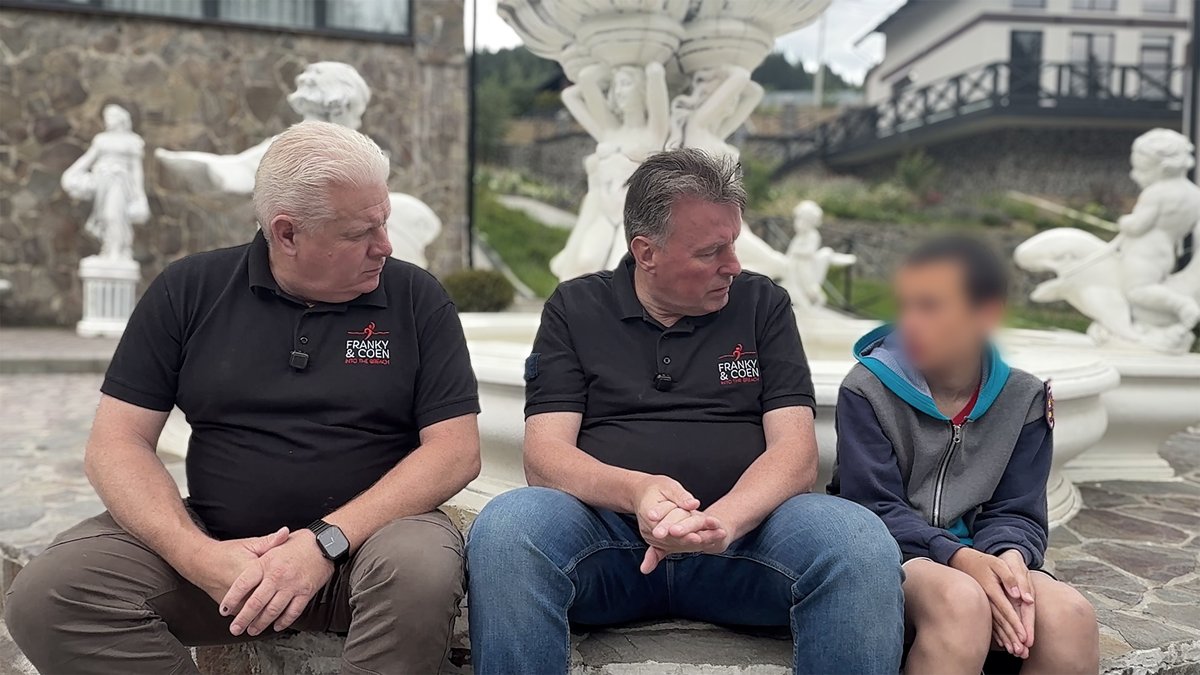
Door de ogen van Franky
''Sascha van 12 is niet bang''
Sascha is twaalf en woont in Kherson.
Hij woont bij zijn oma en dat vindt hij leuk. Zijn vader leeft niet meer. Ik heb hem niet gevraagd wat er met zijn vader is gebeurd, maar ik denk het antwoord wel te weten. Zijn moeder vecht vrijwillig aan het front.
Vorige week heb ik Sascha leren kennen tijdens de kindervakantie die wij voor oorlogskinderen organiseerden. We hebben uitgebreid met elkaar gesproken. Niet alleen over voetbal, gamen en de vakantie, maar ook over zijn leven thuis.
Op vakantie mag Sascha buiten spelen.
In Kherson mag dat niet.
Maar hij doet het stiekem toch. Want een jongen van twaalf blijft niet altijd binnen.
En Sascha is niet bang.
Sascha vertelde dat hij ook niet bang is voor raketten of KAB's, de zware vliegtuigbommen.
Sterker nog, hij vertelde dat hij samen met zijn vriendjes, die vaak ook niet buiten mogen spelen, wel eens op zoek gaat naar drones die ergens op straat zijn neergekomen.
Levensgevaarlijk.
Maar Sascha is twaalf.
Hij kan de gevaren nog niet helemaal overzien. In Kherson zijn al kinderen omgekomen door droneaanvallen.
Maar Sascha is niet bang.
Dat zegt hij, maar als het echt heel hard wordt, verstopt Sascha zich in de badkamer. En heel soms in een kast.
Tijdens de vakantie zagen we hem veranderen. Volgens de begeleiders was hij de eerste dag stil en teruggetrokken. Een paar dagen later rende hij lachend over het terrein, speelde met andere kinderen en genoot zichtbaar van alles wat hij mocht doen.
Op vakantie mag Sascha buiten spelen.
En hoeft hij even echt niet bang te zijn.
Maar aan iedere vakantie komt helaas een einde. En hoe moeilijk dat ook is, de kinderen moeten dan weer terug naar huis. Dinsdag ging Sascha weer terug naar Kherson. Terug naar zijn oma. Terug naar een stad waar hij eigenlijk niet buiten mag spelen. Maar ik weet bijna zeker dat hij het toch weer gaat doen. Want Sascha is twaalf. En Sascha is niet bang.
Voordat hij vertrok, beloofde ik hem dat hij volgend jaar weer mee mag op kindervakantie.
Hij glimlachte.
Ik glimlachte terug.
Maar diep van binnen dacht ik aan iets heel anders.
Als Sascha volgend jaar tenminste nog leeft.
Want Sascha is niet bang.
En Sascha woont in Kherson.
Vandaag schrijf ik over Sascha.
Maar deze column had net zo goed over Vadim kunnen gaan. Of Natacha, Igor, Irina. Of een van de andere meer dan vijftig kinderen die we dinsdag hebben uitgezwaaid, want ze wonen in Kherson, Zaporizja of elders aan het front.
#standwithukraine
#help #steun #oekraine
ZELENSKYY: I want to emphasize this. Unlike Putin, we're not fighting this war for pleasure or for geopolitics. Russia brought this war to Ukraine and killing our people. Russia wants to destroy our independence and from the first day of this war, we're only defending ourselves.
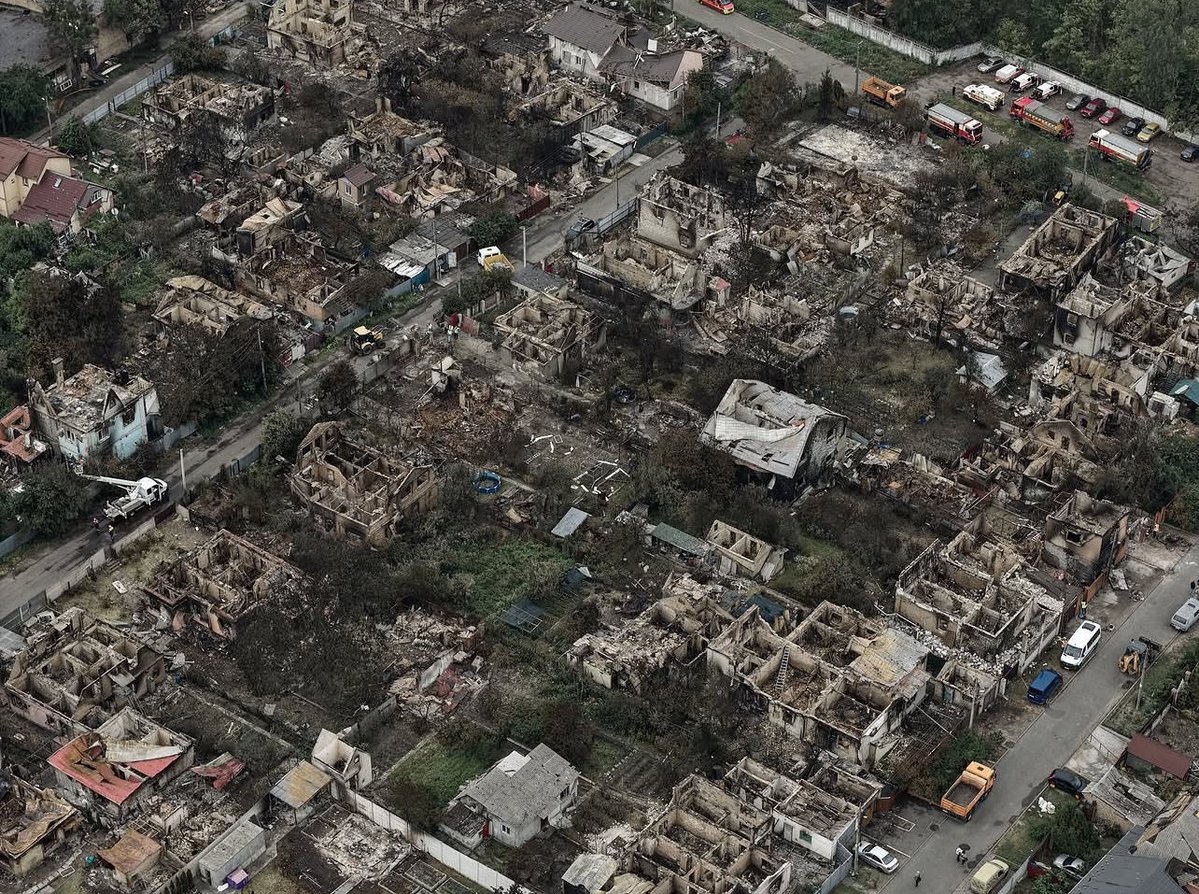
I don’t know how to live with the fact that this is ~ 10 min metro and 30 min bus ride away from my neighbourhood . Not a movie, not someplace far , far away.
This is Vyshneve, Kyiv area, after Russia bombed it in the most recent massive attack.
राजस्थान की 13 वर्षीय मासूम बच्ची, जिसने 32 दरिंदों की हैवानियत झेली, आखिरकार 5 दिन तक ICU में जिंदगी और मौत से लड़ने के बाद आज इस दुनिया को छोड़ गई।
यह केवल एक बच्ची की मौत नहीं, बल्कि इंसानियत की हार है।
अब यदि इस जघन्य अपराध के दोषियों को फांसी से कम सज़ा मिलती है, तो लोगों का न्याय व्यवस्था से भरोसा उठना स्वाभाविक होगा। ऐसे अपराधों पर त्वरित और कठोर कार्रवाई होनी चाहिए, ताकि कोई भी दरिंदा कानून से बच निकलने की हिम्मत न कर सके।
मासूम बच्ची को भावभीनी श्रद्धांजलि। ईश्वर उसकी आत्मा को शांति दें और उसके परिवार को यह असहनीय दुख सहने की शक्ति दें।🥹🙏🥹@
यह जितने 32 से 32 हैं उनकी एक ही सजा है हत्या उनकी हत्या कर देनी चाहिए ताकि दोबारा कोई ऐसा जगन अपराध न करें
बेटी तुम्हारी आत्मा को शांति नहीं मिलेगा तुम्हारी आत्मा शांति तभी मिलेगा जब वह 32 इस दुनिया से छोड़कर चले जाएंगे
ओम शांति🙏🙏🙏🙏🙏😭😭😭😭😭😭
Leggete Anna Politkovskaja sul rispetto che ha la Russia per i suoi caduti, cadaveri di giovanissimi soldati dispersi e dimenticati in Cecenia, abbandonati come rifiuti in una discarica. Ora mandano a morire in Ucraina diciottenni dalle regioni più povere.
🚨 Ecco cosa fa l'ambasciata russa in Italia! 🚨
Secondo una scioccante inchiesta della Procura di Roma e del ROS dei Carabinieri, due ex agenti segreti italiani avrebbero VENDUTO la sicurezza nazionale italiana a un funzionario dell'ambasciata russa a Roma in cambio di soldi!
She was only 18.
Her name was Tetiana Bubynets.
She loved dancing. She studied. She worked. She had her whole life ahead of her.
A russian drone killed her at a gas station in Zaporizhzhia.
Another future erased by russia.
Ich verstehe nicht, weshalb die NATO nicht endlich der Ukraine dabei hilft, den Luftraum zu schützen.
Das ist rein defensiv. Das ist zum Schutz der Zivilbevölkerung.
Das Dahinmetzeln von Familien muss aufhören.