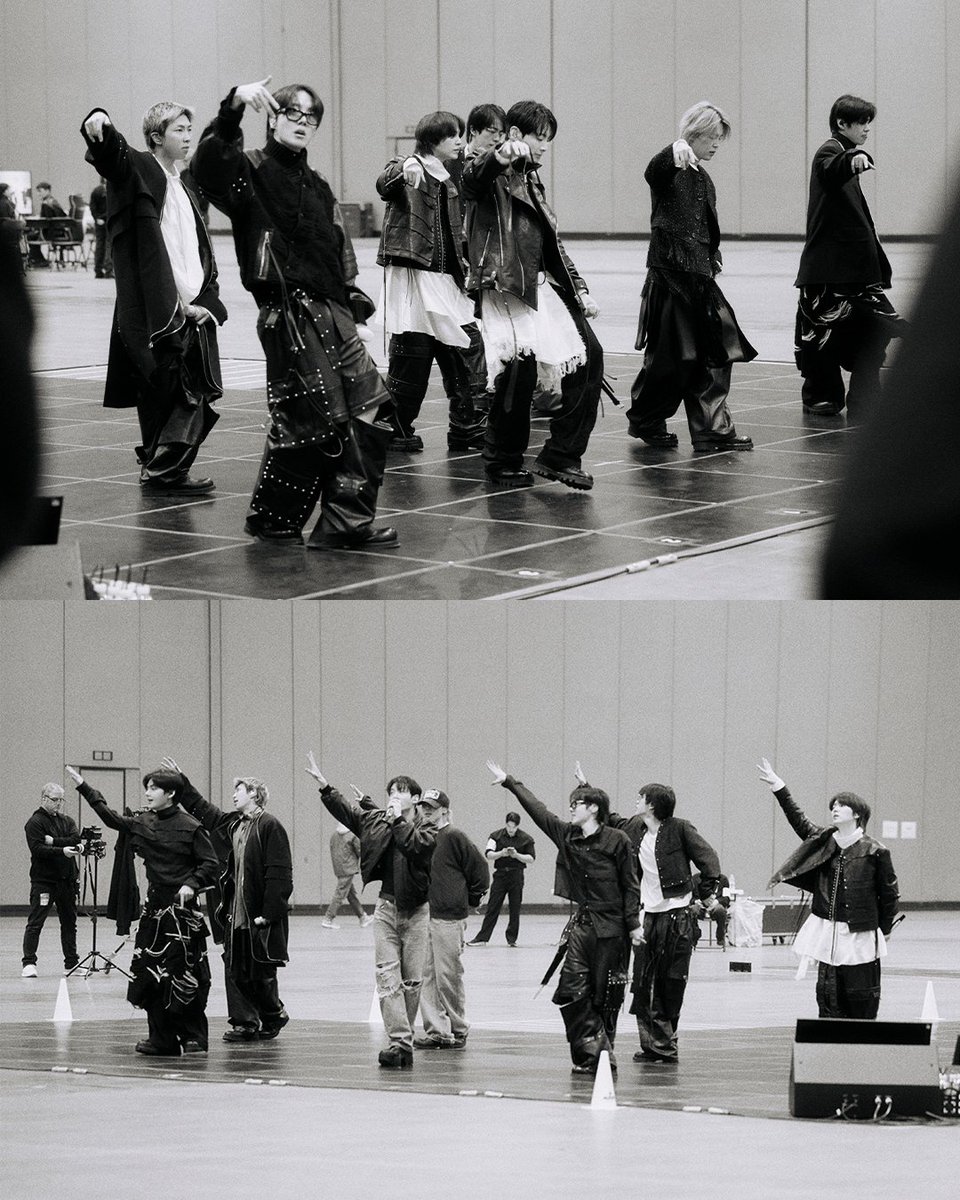
“O código de ética que o BTS escolheu seguir aqui não é algo que possa ser exigido de outros artistas. Os integrantes não estão fechando uma porta; eles estão dizendo que uma porta específica não deveria ser a única de acesso para artistas asiáticos. O BTS vinha rompendo barreiras há anos, muito antes de o K-pop viver sua noite histórica de recordes no Grammy de 2026. Eles decidiram fazer uma declaração, mesmo ao custo de abrir mão da chance de ganhar um Grammy por ‘ARIRANG’. Eles parecem dizer que, se não se manifestarem, essa barreira continuará sem ser contestada. E talvez essa seja uma barreira que todos desafiarão juntos.” — Weverse Magazine
THE MOST ICONIC PHRASE ON MUSIC INDUSTRY
“We hope music will be recognized and loved for what it is, rather than being divided by region or language”
#WeStandWithBTS
Sometimes the bravest decision isn't chasing what you've always wanted, it's choosing yourself instead. If a space repeatedly makes you feel unseen or unwelcome, protecting your peace is never a loss. BTS continues to teach that lesson to me.
I don't think people fully understand the magnitude of this decision.
Some of the music industry's most respected producers, writers, engineers, and creatives worked on ARIRANG. A project built to the highest artistic standard. One producer even spoke publicly about hoping the album would receive Grammy recognition.
Then the Recording Academy introduced a category specifically for Asian pop.
And BTS chose not to submit.
Think about that. The biggest musical project of the year. One of the strongest commercial and artistic contenders. A project that could have competed across multiple major categories. It simply won't be in the race because the artists chose principle over prestige.
Moves like this don't happen often. When artists at BTS' level willingly walk away from the biggest stage in music, the conversation shifts because of what they refused to endorse.