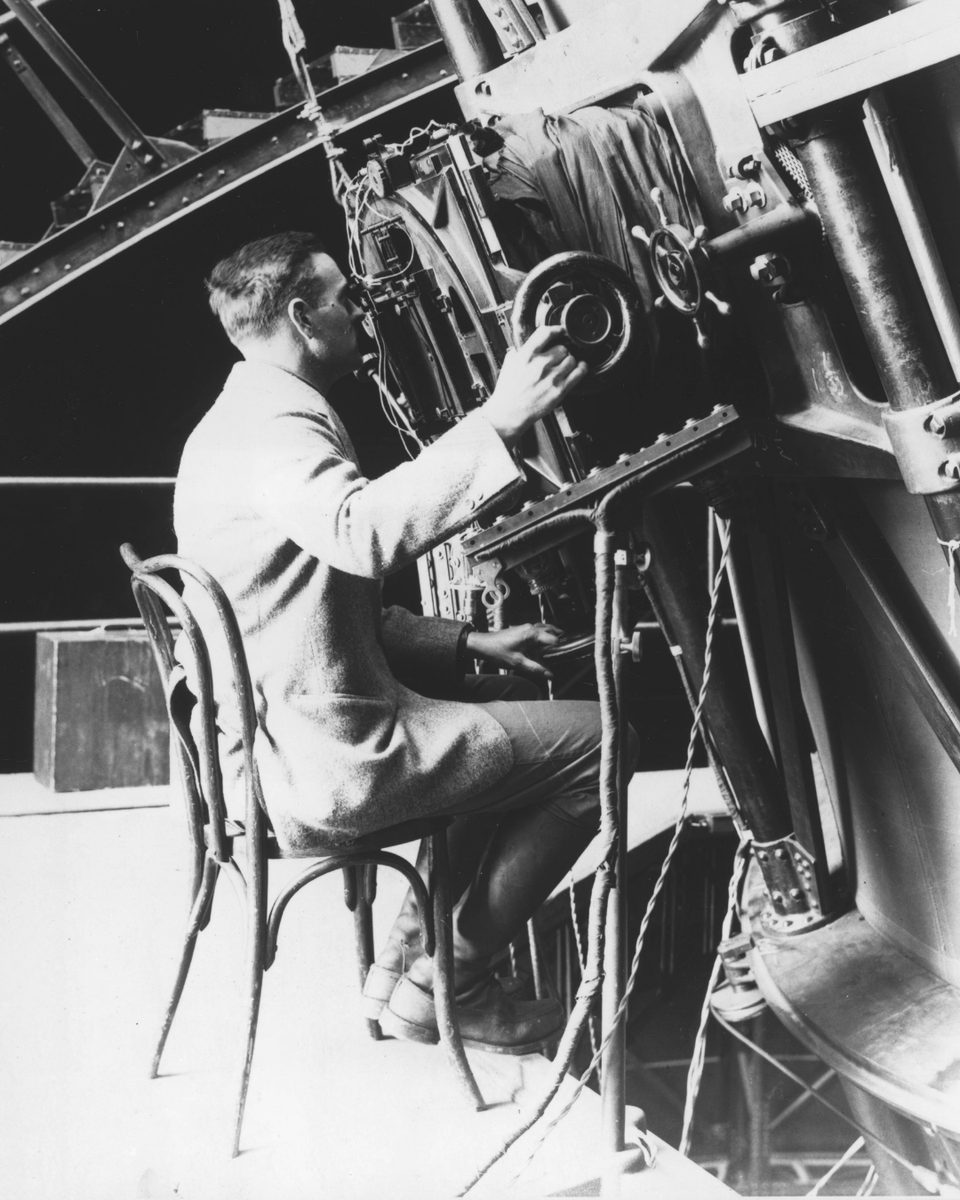
Just a few tickets left! Join us this Sat, Oct 17 for our final Talks & Telescopes of the season. Hear Observatory history from founder George Ellery Hale’s grandson, Sam Hale, then observe through our historic 60-inch & 100-inch telescopes!
🎟️ https://t.co/8Qi9HJp4EO
Astronomers suspect NGC 3137 and its large spiral neighbor, NGC 3175, mimic the Milky Way and Andromeda galaxies in our Local Group.
Image credit: ESA/Hubble & NASA, D. Thilker and the PHANGS-HST Team
Read more:
https://t.co/A5HvTasTe8
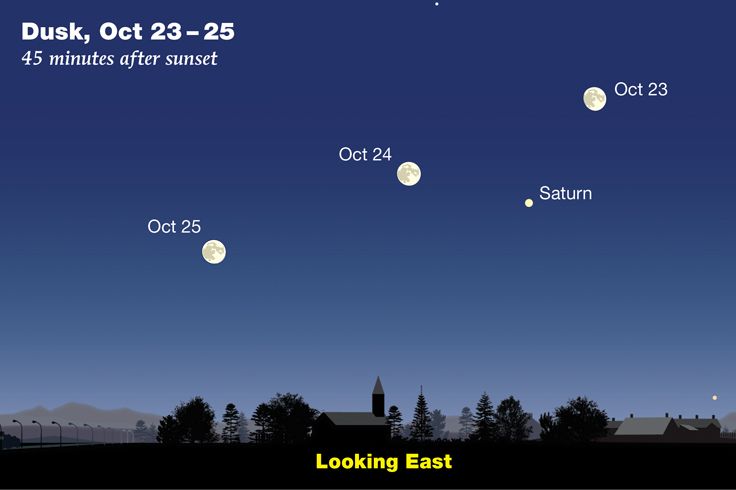
Tour the stars and planets that you’ll see overhead during October. This month the spotlight is on Saturn, which can be seen all night, and a fantastic occultation of Jupiter by the Moon. So grab your curiosity, and come along on this month’s Sky Tour.
https://t.co/FumsIWCV0l
Hey guys! sending you a big smile from the road! I love touring! This was my first time playing in a small town that keeps booking me back, i always come back with new songs! Hugs from the South! XX. Marion
What a way to close out the season! A sold-out crowd filled the 100-inch dome for our final concerts of 2026, ending the afternoon on their feet, cheering the piano quartets. Thank you to our musicians, audiences & Artistic Director Cécilia Tsan. See you in the dome in 2027!
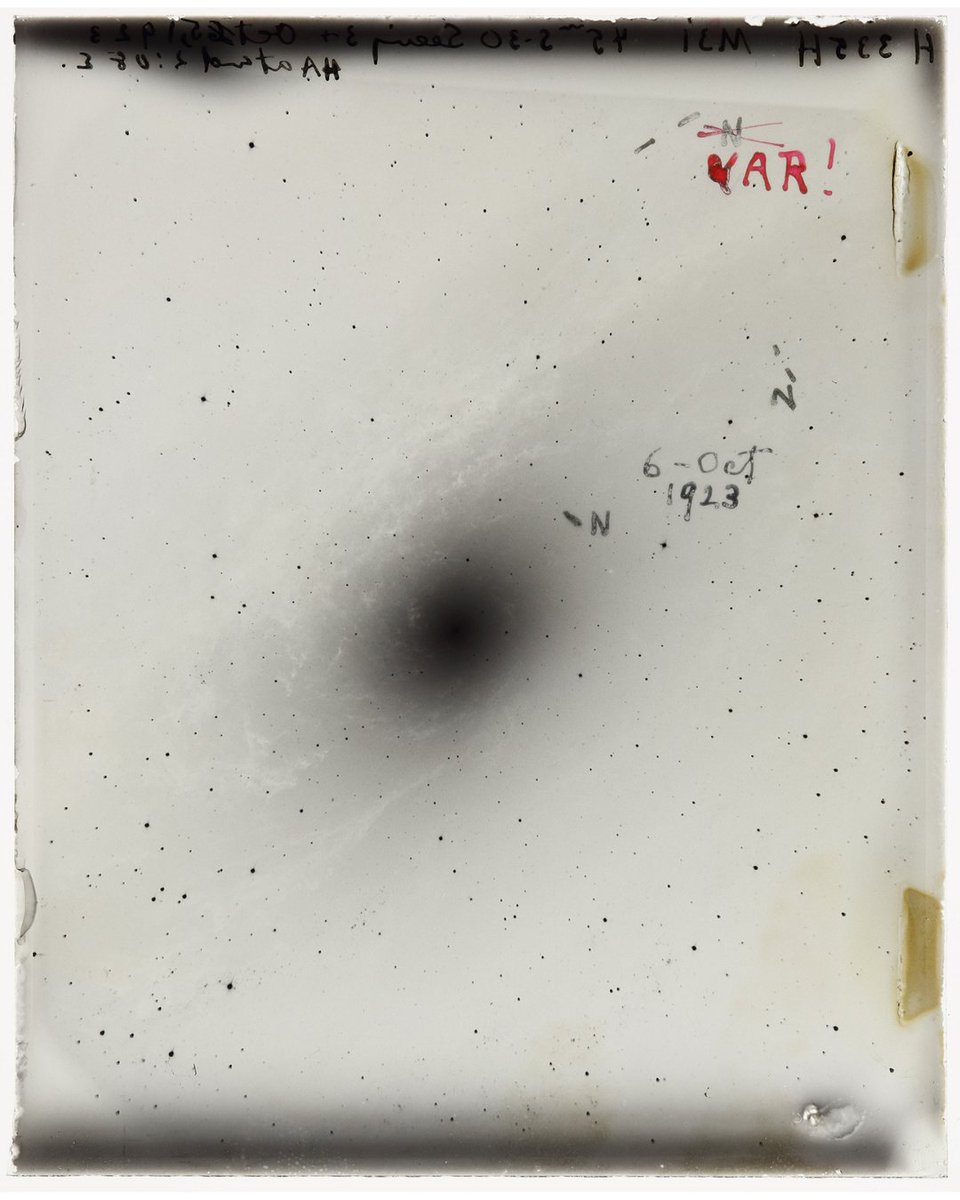
On Oct. 5, 1923, Edwin Hubble began the night at Mount Wilson’s 100-inch telescope that helped reveal a universe beyond the Milky Way. 103 years later, Rep. @RepJudyChu introduced a resolution designating Oct. 5 as National Beyond the Milky Way Day.
🔗 https://t.co/erw7G2iG8M
Sky Today: October 11
The Red Planet passes through M44, also known as the Beehive Cluster, a bright group of young stars in Cancer the Crab.
Image Credit: Steve Elliot (Flickr, CC BY-SA 2.0)
Read more:
https://t.co/fGyRhljgze
Proposals are submitted annually by scientists who wish to use these facilities, and are reviewed by the Telescope Allocation Committee. https://t.co/UH96mP7VFO
When it comes to your astrophotos, capturing the right wavelengths makes a big difference. Here's how to choose the best filter for the job. https://t.co/ggDo6jiJJ6
Sky Today: October 10
With no Moon in the sky, it’s the perfect time to look for the so-called false dawn before sunrise: the zodiacal light.
Image Credit: Ashok Kolluru (Flickr, CC BY-NC-ND 2.0)
Read more:
https://t.co/HPhfzAIHTT
Sky & Telescope is proud to announce the release of the 250th episode of our Sky Tour Astronomy podcast! 🎉 This October follow along as Saturn makes its return to the evening sky with a celestial splash and the Moon passes in front of Jupiter.
https://t.co/xvPgHfEdeT
#podcast
New simulations suggest that the planets' orbits will destabilize well before the Sun expands into its red giant phase.
Read more: https://t.co/FqS8JihnPC
The stellar gathering known as Garro 04 belongs to a growing number of enigmatic groupings that combine traits of young open clusters ancient globulars.
Read more: https://t.co/ceskFZnUwz
Take advantage of these moonless evenings! Make friends with some far Cassiopeia clusters in the high-arching Milky Way. Soon the Moon will return.
Read more: https://t.co/f1RAFWlyXp
Sky Today: October 9
This dense globular cluster is the only Messier object in Capricornus, perfectly positioned for evening observing in the Sea Goat.
Image credit: Dominique Dierick (Flickr, CC BY-NC-ND 2.0)
Read more:
https://t.co/lAznAoMKck
Medford, New Jersey. 2 AM. Two teenagers driving home from a late movie spot a strobe light above their car. They pull over. A dark triangle hangs in total silence above the trees.
Then it moves. It follows them down the road at tree-line height, keeping pace. Half a mile. It passes directly overhead. By the time they pull into the driveway, it's already hovering above the house. They run inside. The car alarm starts screaming in the garage.
This is one of ten cases I examine, from five countries. The reconstructions are AI illustrations based on the accounts.
The question isn't who they are. It's what they're doing.
https://t.co/7DtWGsUCgH