With apologies, a long tweet, about the likely macroeconomic outcomes of Liberation Day.
Tariffs can be imposed for understandable if not necessarily good reasons: Protect a sector, right or wrong. Extract rents from foreign producers if there are rents to be extracted. Sure, if there is retaliation, everybody will be worse off, but it maybe worth taking the risk.
Across the board tariffs, which sounds like what we are going to get, are however the worse possible tariffs. They are bad for the country that imposes them, even without retaliation.
Standard scenario: The initial effect of higher tariffs may look good: Lower imports. Higher demand for domestic goods. Smaller trade deficit.
But, with the smaller deficits, and the higher interest rates needed to keep demand under control, appreciation of the dollar (say), less competitive exports. Until trade deficit is back to square one.
So: Useless? Worse. Costly reallocation from exports to import competing sectors. Misallocation. And for the revenues from tariffs: They are there, but in the end, they are paid mostly by US consumers.
A relevant twist, which changes the standard scenario: The enormous uncertainty about Trumps’s tariff policy: Are the tariffs transactional or permanent? Will they remain/increase/decrease?
In that environment, if I am a firm, what do I do? Build a plant in Mexico or in the US, in Vietnam or in China, etc. I do not know, and so I wait. We all wait. Investment comes down, aggregate demand falls, and the effect is a recession.
Now the trade balance improves, for two reasons. The direct effect of tariffs, and lower activity means lower imports. As the Fed tries to maintain activity, lower interest rates and a lower dollar mean more exports. Looks great. Claim of success on the trade front (if you can make people forget the recession)
But only for a while. Over time, as the economy recovers, you go back to the first scenario. The depreciation eventually turns into an appreciation, activity recovers, the trade deficit returns to square one Overall result: a recession, no gain. A general mess.
We shall see how it all turns out.
Uno de los efectos del control de precios es que baja los precios que controla (faltaría más), pero……
Estrecha mercado y reduce el acceso.
Y eleva precios de sustitutos al derivar demanda hacia ellos.
Pero luego salen eurodiputadas a contar demagogia pq no entiende o no quiere
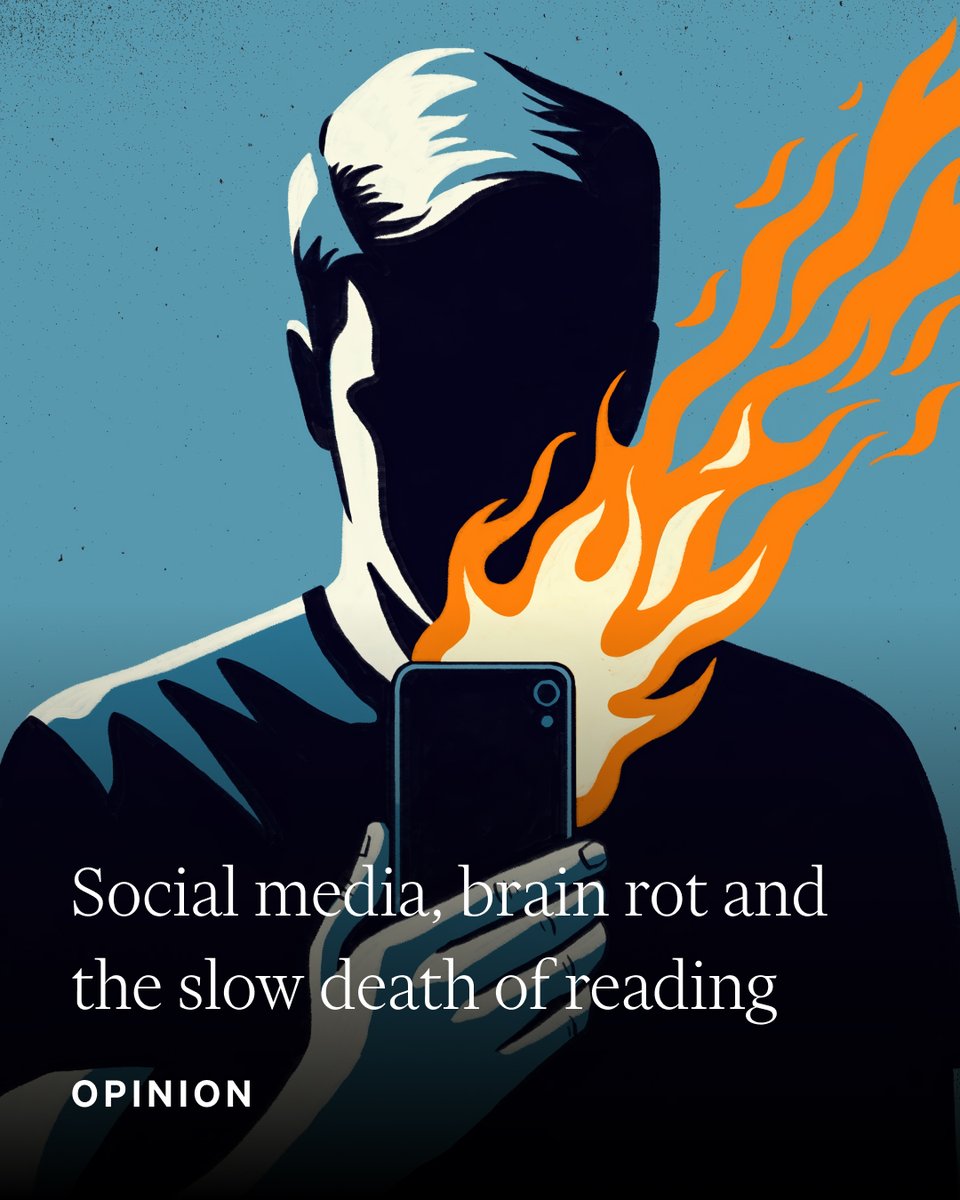
The dopamine hit of smartphone scrolling makes reading a book feel more demanding — but the rewards are worth the extra effort. Here’s why https://t.co/yEQ1j3phvi
We welcome the conclusion of negotiations on the #Mercosur Agreement.
We are creating the largest free trade zone in the world, with an additional market of 260 million potential consumers of European goods.
It is a win-win for European and South American countries.
We have a deal: the EU-Mercosur partnership agreement is moving forward🇪🇺🇦🇷🇧🇷🇵🇾🇺🇾
The deal will deepen political and economic ties and create stronger trade and sustainability commitments with the world’s fifth-largest economy outside the EU.
🔗 https://t.co/3DHgQJ7TMb
The European Parliament is the ♥️ of the 🇪🇺 democracy. In the Strasbourg Plenary deep dive today on the future of the #SingleMarket. Thank you @EP_President. I always enjoyed the greatest support from @EUparliament in preparing the Report “Much More Than a Market”.
Los galardonados han obtenido el #NobelEconomía2024 por sus estudios sobre cómo la calidad de las instituciones (entre ellas, los bancos centrales) influye en la prosperidad económica relativa de los países. Consulta nuestro Blog https://t.co/mci9cFF1Ku #NobelPrize#bdeBlog
BREAKING NEWS
The Royal Swedish Academy of Sciences has decided to award the 2024 Sveriges Riksbank Prize in Economic Sciences in Memory of Alfred Nobel to Daron Acemoglu, Simon Johnson and James A. Robinson “for studies of how institutions are formed and affect prosperity.”
#NobelPrize