So Japan was the country that got invaded?
Japan was the country that had 23 million of its people killed?
Japanese women were subjected to industrialized mass rape?
Japanese civilians were used for live human experimentation?
You do not get to reverse perpetrator and victim, call Chinese historical memory “fabricated,” and then pretend you are politely correcting “mistakes.”
The only thing the descendants of Japanese fascists learned after the war was how to play the victim—
while screaming at the actual victims:
“This isn’t true.”
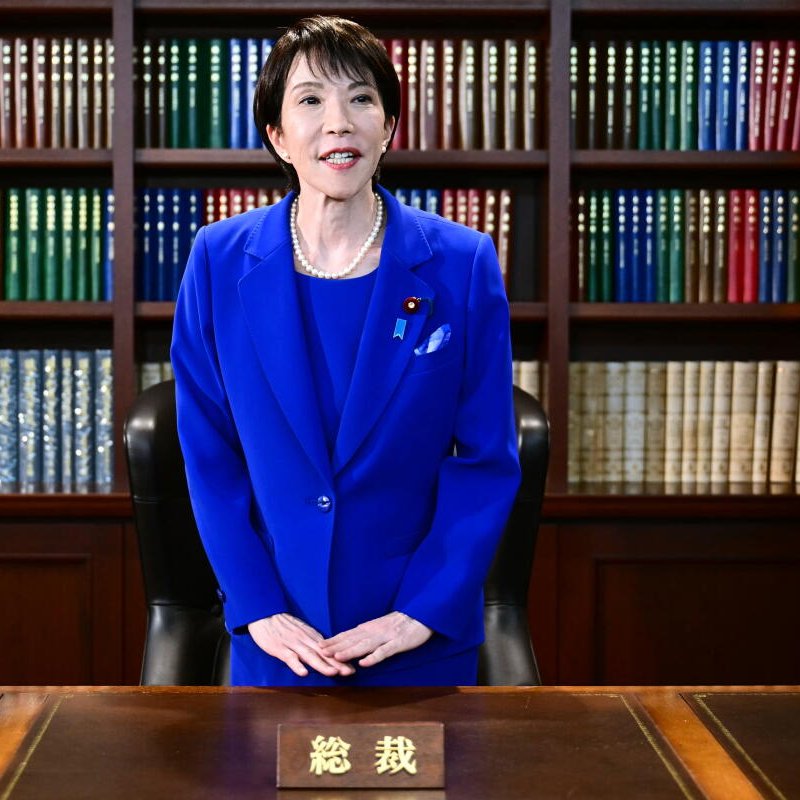
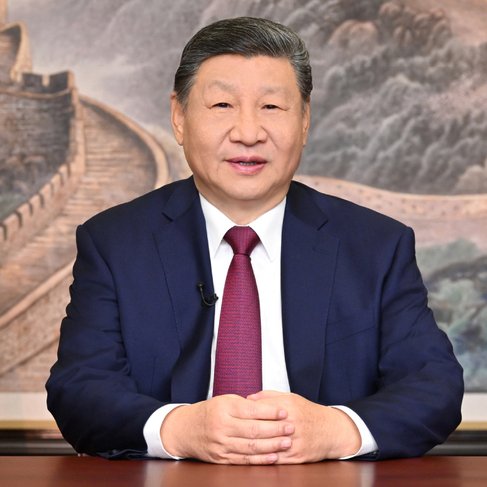
🇨🇳🇯🇵 Japan’s PM is heading to China for APEC hoping for a handshake: However, every major leader may get a meeting with Xi except her
On the 18th and 19th of November, China hosts the APEC leaders’ summit in Shenzhen.
Diplomatic sources told Kyodo that Japan’s Prime Minister Sanae Takaichi is likely to be the only leader among the major participants who does not get a formal meeting with Xi Jinping.
Tokyo is now hoping for a handshake at best.
None of this happened by accident.
On the 7th of November last year, Takaichi told Japan’s parliament that a Taiwan crisis involving “warships and the use of force” could be a “survival-threatening situation” for Japan.
That is the legal trigger for Japan’s military to join a war.
Abe never said that as prime minister. Kishida would not say it either.
China’s ambassador to the UN called it the first time since Japan’s defeat in 1945 that a Japanese leader had threatened force against China in an official setting.
A year later, she still has not withdrawn it.
In 1972, Japan signed a joint communique with China.
It said Japan “fully understands and respects” China’s position that Taiwan is an inalienable part of its territory. Japan also said it deeply reproached itself for the damage its war caused the Chinese people.
That was not a suggestion. It is the foundation of the whole relationship.
China has not just talked. It has acted.
It warned its citizens against travelling to Japan, and about 491,000 tickets were cancelled. Japanese seafood imports stopped. Dual-use exports to Japan’s military were banned. Chinese visitors to Japan fell 55.5 percent in the first nine months of this year.
Meanwhile, Tokyo has kept going.
This week, it signed a ¥4.3 billion deal to give the Philippine military coastal radar and drones. It is considering raising its five-year defence budget to as much as ¥80 trillion. In August, Takaichi sent an offering to the Yasukuni Shrine, which honours 14 Class-A war criminals.
China’s Foreign Ministry put it simply: “The current serious difficulties in China-Japan relations are entirely the responsibility of the Japanese side.”
Western media will call this a snub.
It is not a snub. It is a consequence.
Why should China roll out the red carpet for a leader who will not honour the agreement her own country signed?
In SW China’s Chengdu, the Chinese and US militaries held a ceremony to transfer the remains of American airmen recovered along the Hump Route back to the United States.
Eighty years after they crossed the Himalayas to aid China’s resistance against Japanese aggression, these heroes are finally homeward bound — a return made possible with China’s humanitarian assistance.