Only 31% of U.S. employees were engaged at work during the first half of 2026.
People need clarity. They need connection. They need to understand where they contribute. And they need to know that contribution is seen.
#EmployeeEngagement#EmployeeRecognition
People watch what gets noticed. They watch what gets celebrated. They watch which behaviors are rewarded.
Recognition can be one of the most practical tools leaders have for turning organizational change into everyday behavior.
Incentive Research Foundation research: Nearly 40% of employees regularly set goals to earn rewards or recognition. Another 43% do so occasionally.
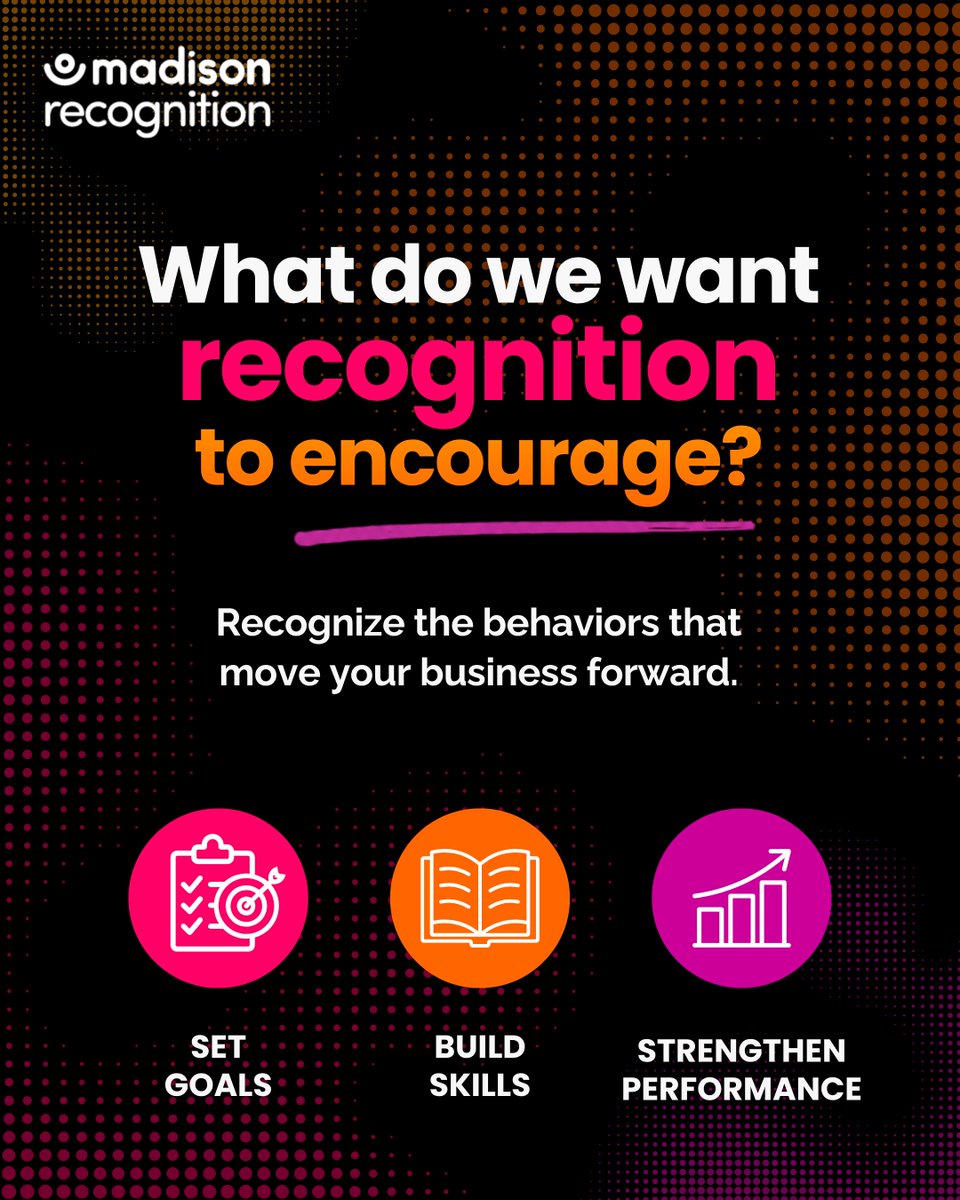
As you plan for 2027, ask: What do we want recognition to encourage people to do?
In an AI-enabled organization, recognition may need to become more human, more specific and more intentional.
Technology can help identify contributions. Humans still have to decide what deserves to be valued.
#AI#EmployeeRecognition#WorkplaceCulture#FutureOfWork
Gartner reports 67% of CHROs say productivity expectations have increased. As fewer people carry more, recognition must reinforce the behaviors, skills and contributions that drive results.
In 2027, make recognition part of the performance system.
Four generations. Four different definitions of work ethic.
Which generation got it right? All of them. And none of them.
That's the premise behind Madison's latest position paper, The Work Ethic Myth: https://t.co/t3cbzblzUc..
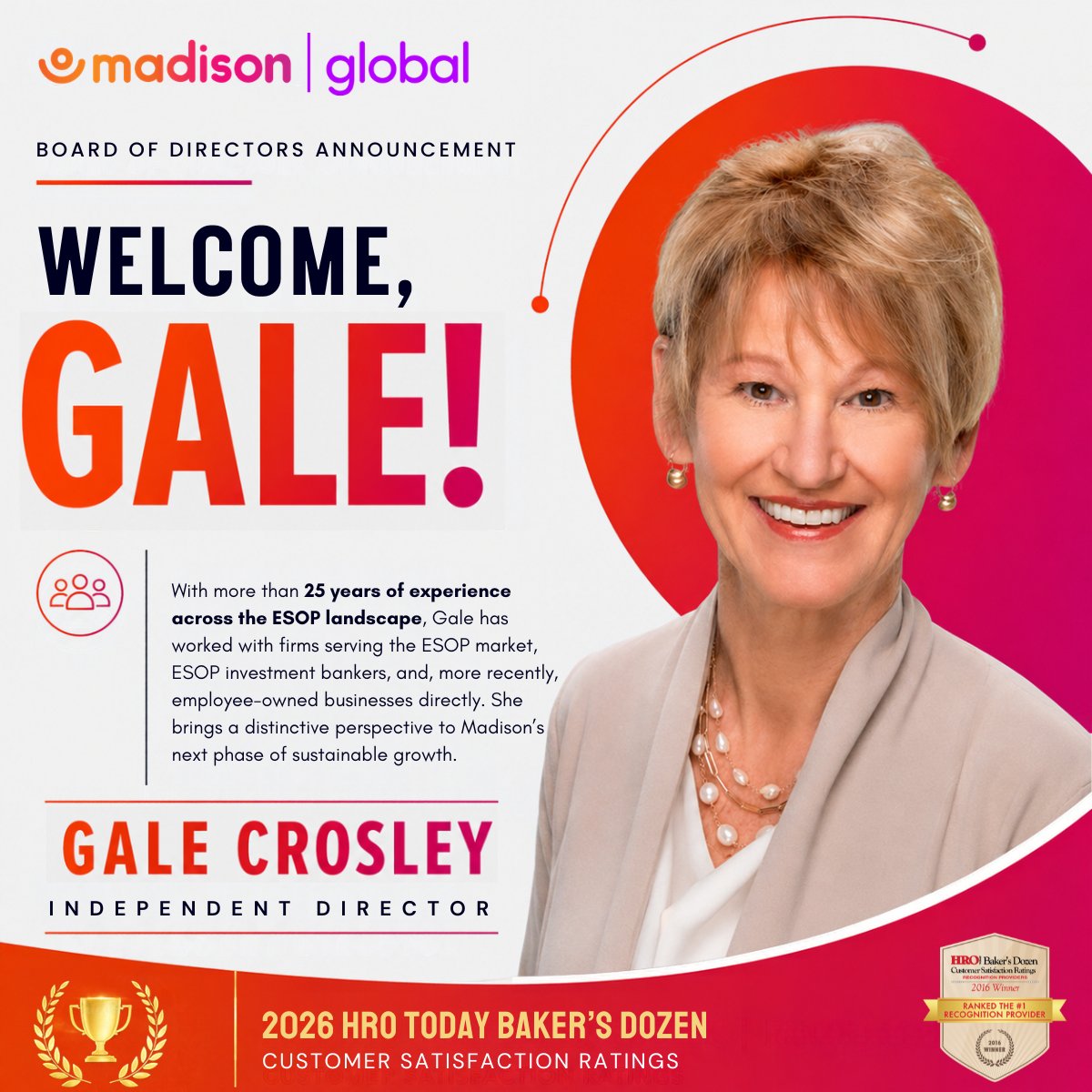
Madison Global is pleased to welcome Gale Crosley as an Independent Director on our Board of Directors.
Welcome to the Board, Gale. We’re excited for what’s ahead.
Read the full announcement: https://t.co/I0FdTk2UFr
When did being visible become the same thing as being valuable?
Our latest blog looks at what Baby Boomers got right about work ethic, and why today's leaders need to build upon that legacy rather than abandon it.
Read the blog: https://t.co/RNVBfzmEUd
Baby Boomers didn't invent work ethic. They redefined it.
Commitment still matters. We just need to get better at recognizing what it looks like now.
Read more in our latest blog: Baby Boomers Didn't Invent Work Ethic. They Redefined It. https://t.co/g03GsnNnUV
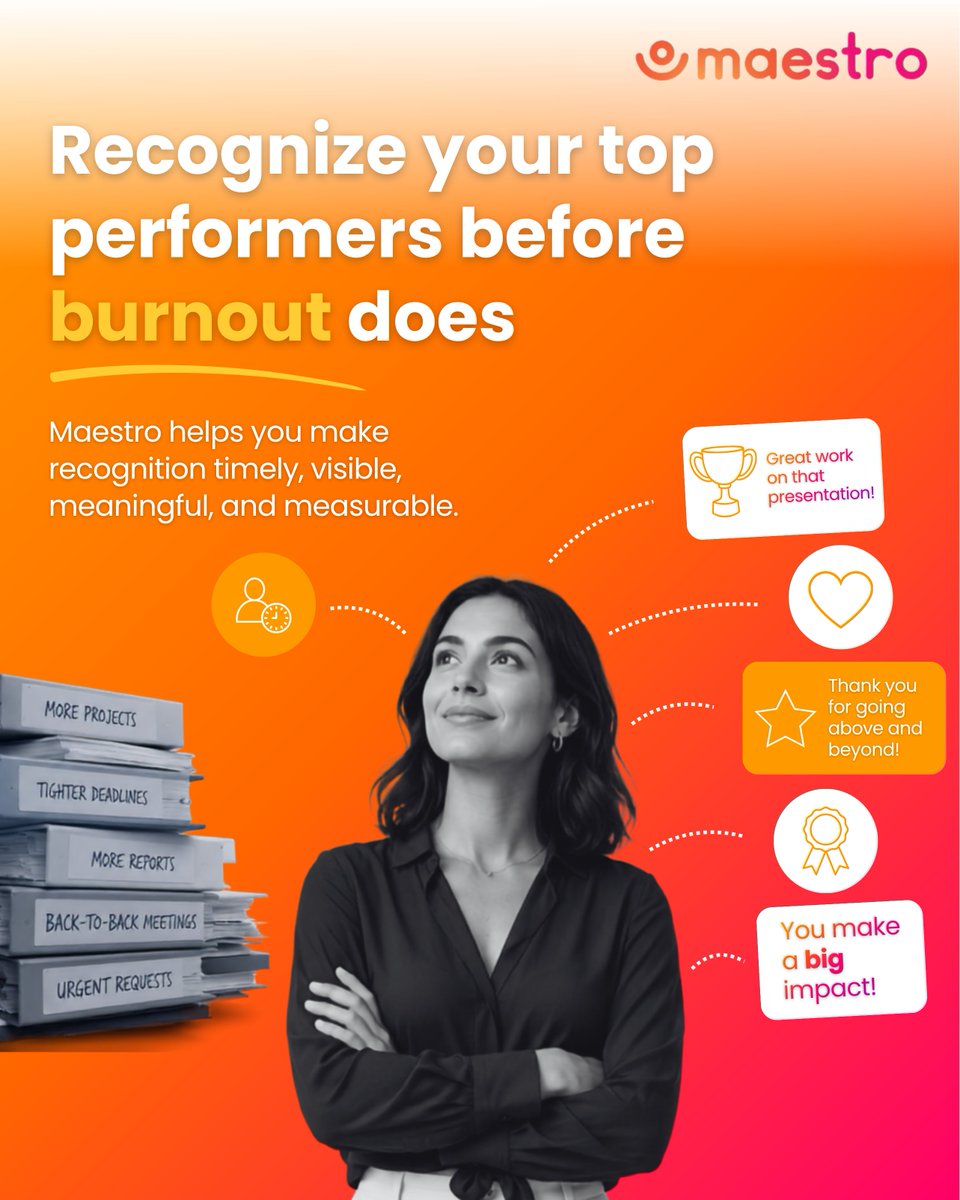
With Maestro, organizations can make recognition timely, visible, meaningful and measurable, connecting appreciation to the moments that matter most.
See how recognition can help protect your high performers.
Read the blog: https://t.co/954xe4ltSN
We’re excited to welcome Agnes O’Connell as Vice President of Marketing, leading marketing strategy across Madison Recognition and Madison Travel.
Welcome to Madison, Agnes! We’re excited to have you helping shape what comes next.
Read announcement here: https://t.co/PGTKTopeUp
Every generation thinks the next generation has a work ethic problem.
Instead of debating which generation works hardest, should we be defining what great work looks like today?
Read The Work Ethic Myth: https://t.co/M2sAsKaPw2.
We’re excited to welcome Steven Trompeter as Senior Vice President of Sales, bringing more than 20 years of leadership across employee recognition, incentives, and SaaS.
Welcome to Madison, Steven! We’re excited for what’s ahead.
Read announcement: https://t.co/P2sP65lvbr
Recognition programs generate incredible insight. The organizations seeing the greatest impact don't just collect recognition data, they use it to strengthen culture, improve leadership, and spot trends before they become retention problems.
Learn more: https://t.co/BnYl3gVRxO
Madison has been named the #1 Recognition Provider Overall in the 2026 HRO Today Baker’s Dozen Customer Satisfaction Ratings, and earned the #1 ranking for Customer Service.
See why clients ranked Madison #1 → https://t.co/t6w0nAo23W
The most valuable work often doesn't appear in a dashboard. It's the employee who mentors new hires. The teammate everyone relies on. The person holding a struggling project together. Data matters. Human context matters more.
Read our latest blog: https://t.co/qxy9c3VDnP
AI is making work faster. But is it making work feel less human? As organizations automate more decisions, employees interact with systems more often, and people less often. Efficiency is increasing. Connection isn't always keeping pace.
Read more: https://t.co/aEcaB1k4oD
When recognition becomes nothing more than automated prompts and templated messages, employees notice, and culture loses something important: meaning.
Our blog explores the difference between recognition that scales, and recognition that truly connects. https://t.co/AJZAdRdwaP
Organizations that succeed won't necessarily have the smartest algorithms. They'll be the ones that help employees understand decisions, feel recognized, and believe they're treated fairly.
Explore here: The Algorithmic Boss https://t.co/tNs8AfERic
AI can measure productivity. It can identify patterns. It can predict outcomes. But it still can't recognize invisible effort. Mentoring teammates. Calming difficult situations. Carrying emotional load.
Read our newest blog: https://t.co/oMh0CCS7tE