I have a tenant, a single dad with two little girls. He’s never late. In fact, he usually pays early. Last December, he came to my door with the rent, but he looked gutted. He handed it to me and said, “Here it is… and I’m sorry, but I won’t be able to renew the lease in January. I have to move to a cheaper place.”
I asked why. He admitted that after taking care of the bills and home expenses, he barely had anything left for Christmas gifts or even enough groceries to last the month. He told me he chose to give me what he owed instead of giving his daughters a Christmas.
I handed it back to him.
I said, “this month is on the house. Go buy those girls some presents and fill your fridge. We’ll talk about the lease in February.”
He broke down right there on my porch.
He’s still my tenant three years later, and I’ve never had a better one.
A roof is important, but memories are essential
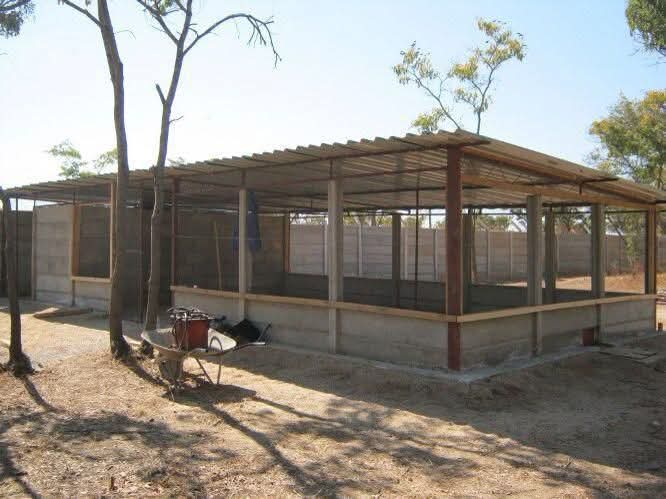
HOW TO CONSTRUCT A POULTRY HOUSE.
Commercial chicken farming demands expertise, understanding, and unwavering commitment for success. Getting your poultry housing right is crucial for laying a solid foundation for your venture.
Here's a handy checklist to guide you through poultry house construction:
🏘️ PROVIDE COMFORT:
⚡Ensure your poultry house offers a comfortable environment shielding birds from weather extremities like rain, wind, and direct sunlight.
🏘️ SPACIOUSNESS:
⚡Allocate adequate space based on stocking density:
🐔 • Layers: 1m² for 6 birds
🐓 • Broilers: 1m² for 11 birds
*Before we continuewith this discussion,* if you are a poultry chicken farmer and would like to turn your poultry farm into an agri-business or you are a beginner who would love to start a poultry chicken farming venture, we got you!
We've put together 24 poultry chicken farming PDF guide books to guide you on your journey to building your dream poultry chicken farm!
🏘️ VENTILATION:
⚡Opt for an open-sided house with east-west orientation to allow natural airflow. Avoid direct sunlight exposure.
🏘️ STRUCTURE:
⚡Construct a rectangular-shaped house with a wall not exceeding three feet in height on the longer side. Opt for materials like stones, iron sheets, or bricks for durability.
🏘️ MESH MATTERS:
⚡Use a small gauge chicken wire mesh to prevent entry of wild birds, dogs, and rodents. Consider a plastic-coated mesh for longevity.
🏘️ ROOFING:
⚡Choose a reflective surface for the roof and ensure proper pitch for ventilation. Maintain adequate gap between birds and roof to prevent heat stress.
🏘️ FLOORING:
⚡Floors should be ideal for easy cleaning and disinfection.
🏘️ HYGIENE MEASURES:
⚡Install a foot-bath at the entrance and clear vegetation around the pen to deter rodents. Keep the feed store separate to minimize rodent attraction.
🏘️ ISOLATION:
⚡Construct the house in isolated areas to minimize contamination risks.
🏘️ VENTILATION MANAGEMENT:
⚡Optimal ventilation is crucial for heat and moisture regulation, oxygen supply, and air quality improvement. Open curtains for airflow during warm weather and close them for warmth during cold spells.
🏘️ SAFETY:
⚡Fence the area and keep doors locked to prevent entry of stray animals and visitors!
Thank you for reading through this article. #OptimistFarmer
Simple Clove Cultivation: Grow Your Own Spice from Seed to Harvest
1. Selecting Clove Seeds: Choose fresh, high-quality clove seeds free from damage or mold.
2. Germinating Clove Seeds: Scarify the seeds by gently nicking the outer shell and soak them in warm water overnight to enhance germination.
3. Planting Clove Seeds: Use well-draining potting mix or sandy loam soil to sow the scarified seeds in small pots or seedling trays, keeping the soil moist in a warm, humid location with indirect sunlight.
4. Caring for Clove Seedlings: Provide bright, indirect sunlight, regular watering, warm temperatures, and balanced fertilizer to support healthy growth.
5. Harvesting Cloves: Harvest the flower buds just before they open, using sharp pruning shears, and dry them in a warm, well-ventilated area until dark brown and hard.
6. Drying and Storing Cloves: Once dried, store the cloves in an airtight container in a cool, dry place away from sunlight to preserve their flavor and aroma.
By following these steps and providing proper care, you can enjoy the satisfaction of growing your own spice from start to finish, enhancing your culinary creations and enjoying the medicinal benefits of cloves for years to come.