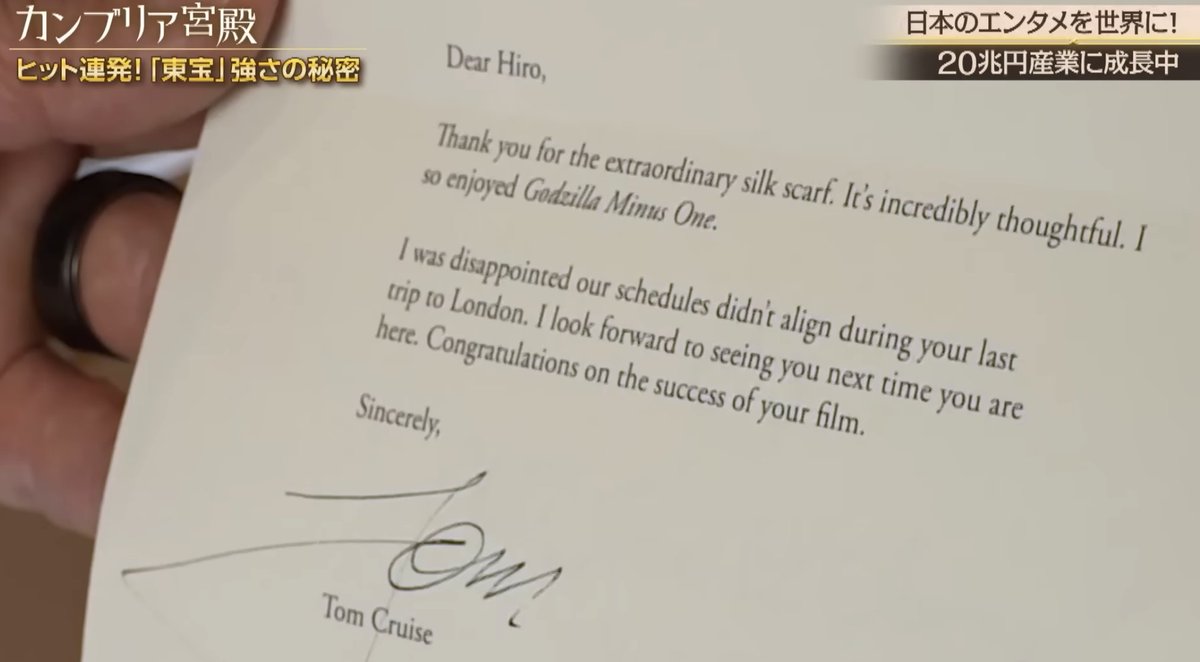
It’s now official! 🥳
Tom Cruise has been confirmed as a guest speaker at David Beckham’s Hollywood Walk of Fame ceremony.
What a great start to June. Hope this is just the beginning of a fantastic month!
https://t.co/vQoUh3aYpr
OK since I’m seeing the discourse again, for the record, it’s Val Kilmer’s real voice in Top Gun Maverick. He did make an AI voice in life but they didn’t use it. Yes it is confusing
Michael Mann couldn't shoot Collateral on film. The cameras couldn't see Los Angeles at night the way he wanted. So he picked a digital camera no other major Hollywood movie had used. The crew was still building parts for it during the shoot.
Mann was chasing a specific look. Around 10 or 11pm in LA winters, a low cloud bank drifts in off the ocean and settles about 1,200 feet up. The orange sodium streetlamps below light up the bottom of those clouds and turn the whole sky into a soft, hazy glow. Mann said it looked like winter in England.
Movie film couldn't see that. To shoot a single downtown block clearly, the crew would have had to bring in massive lights and brighten up entire streets just to make the buildings visible. Even with the lens open as wide as it goes to pull in any available light, almost nothing outside the foreground would stay in focus.
The camera Mann picked was the Thomson Viper, brand new and not really ready for production. There was no memory card or storage inside the body. It had to be plugged into a separate hard drive with a cable.
About 80% of Collateral was shot digital. The other 20% on regular film was mostly the Korean nightclub shootout, where the bright club lighting gave the crew plenty to work with.
The coyote scene only exists because of the digital camera. Mann didn't plan it. A small pack of coyotes wandered across an empty street between takes, and because the camera could see in near-darkness, the crew just rolled. On film, that shot would have required lighting up the whole intersection first.
The helicopter shots over the city work the same way. Palm trees against the night sky, the downtown skyline lit only by the city's own light. On 35mm film, none of that would have shown up.
The movie cost $65 million to make and earned $220 million worldwide. It won Best Cinematography at the BAFTAs, the British version of the Oscars, and helped push Hollywood toward digital cameras for night shoots.
One catch. That orange light Mann chased is mostly gone now. Starting in 2009, LA began replacing its sodium vapor streetlamps with white LEDs. By 2013 the city had swapped out 141,000 of them. Today the lighting system is 98% LED. The Los Angeles you see in Collateral doesn't exist anymore.
In May 2021, Tom Cruise returned his three Golden Globe awards in protest after a Los Angeles Times investigation exposed the HFPA’s lack of diversity, including zero Black members.