After more than a year away, our old friend Nguvu stopped by!
Nguvu is a unique orphan. We rescued him in 2016 after he became stuck in a drying waterhole. Our Voi Keepers managed to haul him out using ropes and a pulley, but he was so exhausted it took four days of tender care and ample food before he was finally able to stand up unaided.
His name – 'Nguvu' – means 'strength' in Kiswahili, and within a few years he quickly transitioned to the wild. While his time in our care was briefer than most orphans, he still circles back to see us. This time, it had been 18 months since his last visit to Voi!
We don't know when Nguvu's next visit will be, but whenever he is in the mood for home, we will be here to welcome him. Meet our orphan herd on a journey back to the wild: https://t.co/CooVpdJj7e
If plastic were a country, it would be the 4th-largest emitter of greenhouse gases in the world.
But if we shift to reusable systems, we could eliminate unnecessary single-use plastic packaging and improve the health of our blue planet. 🌎
Learn more: https://t.co/1lHCUUQZ9l
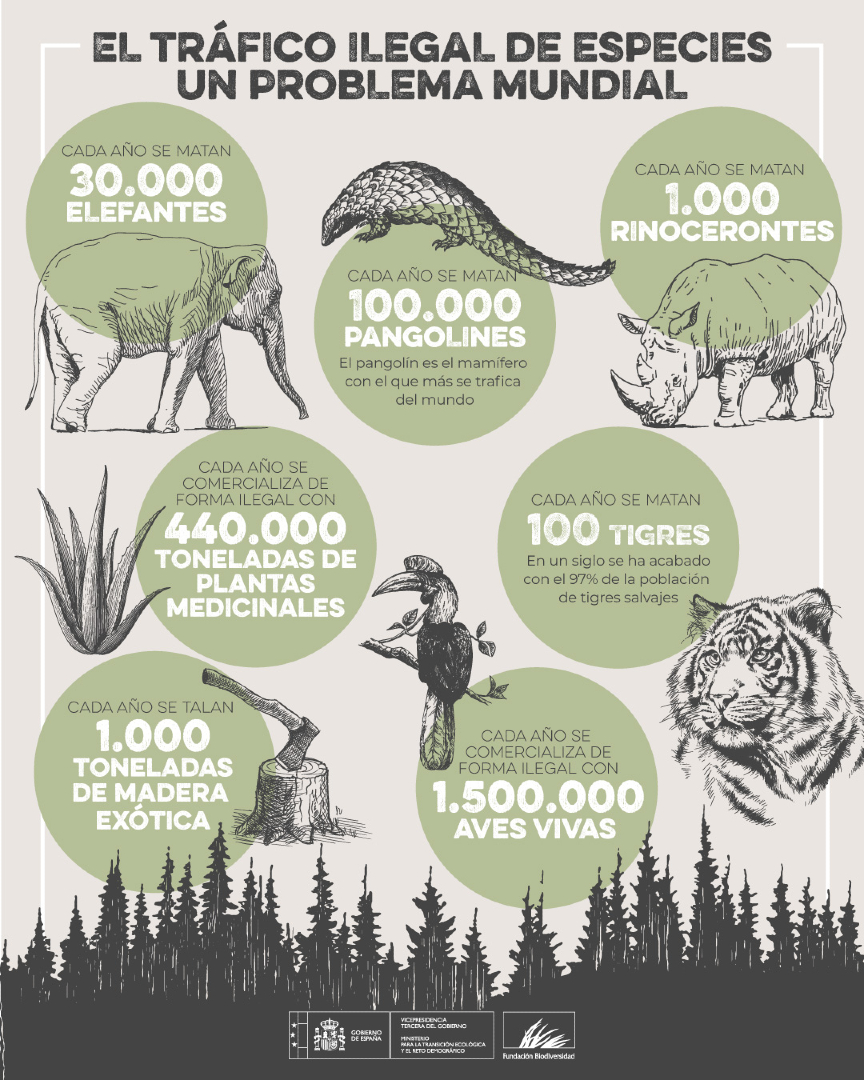
El tráfico ilegal de especies pone en peligro la vida silvestre y acelera la pérdida de biodiversidad 🐘🌿
Detrás de cada red de comercio ilícito hay ecosistemas dañados y un mayor riesgo de transmisión de enfermedades zoonóticas 🦠
#DíaMundialDeLaVidaSilvestre
Remember Toto – the tiny calf who was too nervous for mud baths?
He's now splashing around, throwing his trunk about and generally living his best life. But his story gets even better: he was rescued by other elephants who found him all alone and brought him to our stockades. Somehow, they knew exactly where to take him for help.
See his transformation in pictures: https://t.co/Ymaj6fE0FY
When too many fish are caught at once, the breeding population becomes too depleted to recover. Less fish in the ocean means less food and income for coastal communities.
See how being #GenerationRestoration can help prevent overfishing & protect biodiversity: https://t.co/rYVZQsWhYz
Raising young orphaned elephants requires extraordinary commitment. Every step of the way, we are by their sides – from milk‑bottle feeds to night‑time cuddles, and first mud baths to graduating to one of our Reintegration Units. And it requires donors like you, who adopt and become a part of our foster family, ensuring we can guide these babies back to a wild life. Become one of our foster parents today and adopt an orphan in our care: https://t.co/CooVpdJj7e
🌊🌿 Happy #WorldSeagrassDay!
Seagrass might not seem like much at first glance, but it's a powerful force beneath the waves—storing carbon, providing shelter for marine life, and keeping our oceans healthy.
Join Oceana in protecting vital ocean habitats today: https://t.co/gmxp2CD1NK
Today is #WorldSeagrassDay! 🌿
Seagrass is our ocean's unsung superhero. It feeds marine wildlife, protects coastlines, supports fisheries, improves water quality and SO much more. ✅
🔗 Learn just how important seagrass is and how you can help us work to protect it: https://t.co/FgLmgRVnoX
Seagrass meadows are among the most widespread and valuable marine ecosystems on Earth.
Yet every 30 minutes, a football field’s worth of seagrass disappears.
This #WorldSeagrassDay, discover why these often overlooked meadows matter more than you imagine.
https://t.co/AMXOKf0slN
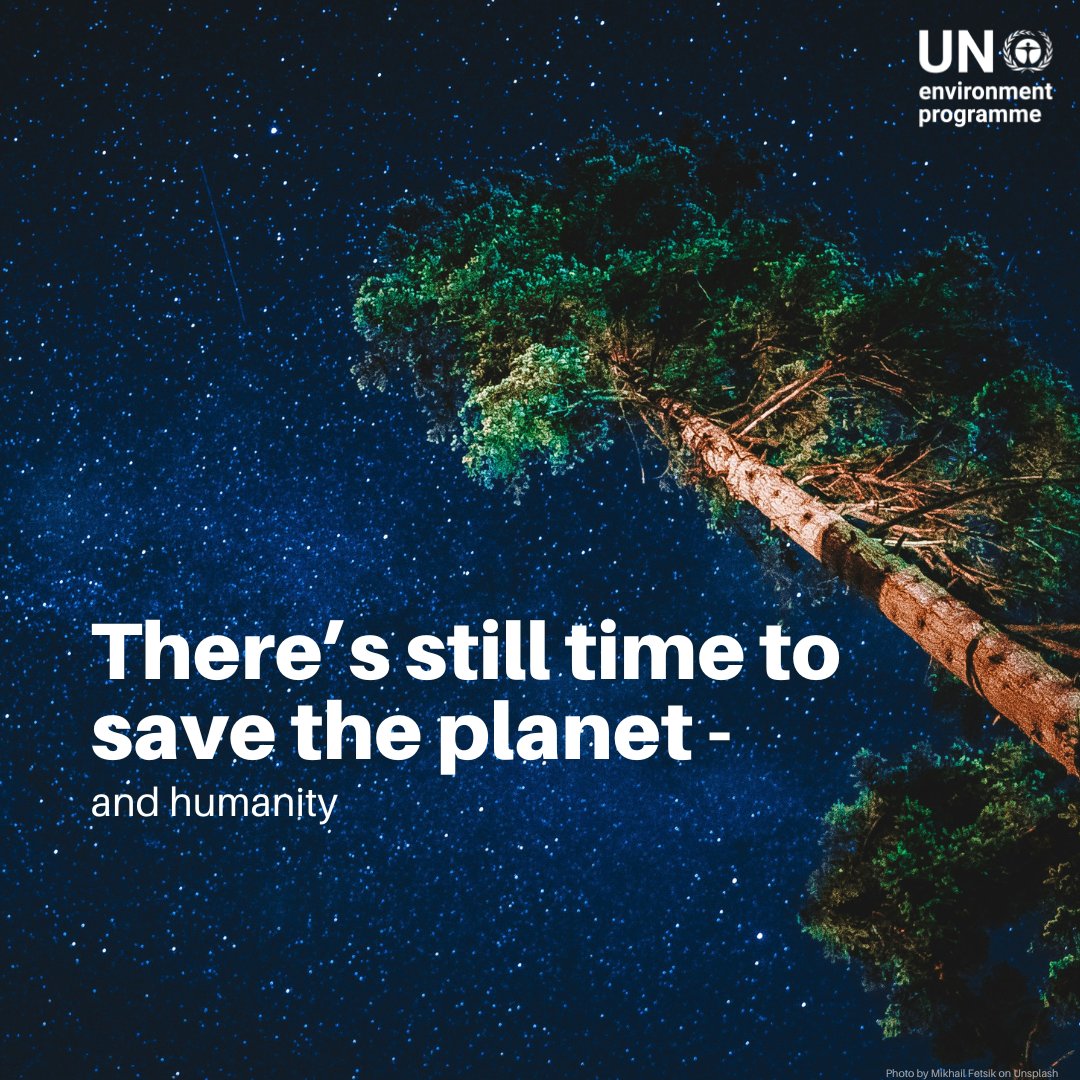
We still have time to turn things around for the better.
Fixing the planet is possible, but it means transforming how we power our world, grow food, manage waste, and protect nature.
The payoff? Up to US$100 trillion in benefits every year.
Read more: https://t.co/SmsjQ9JQFu
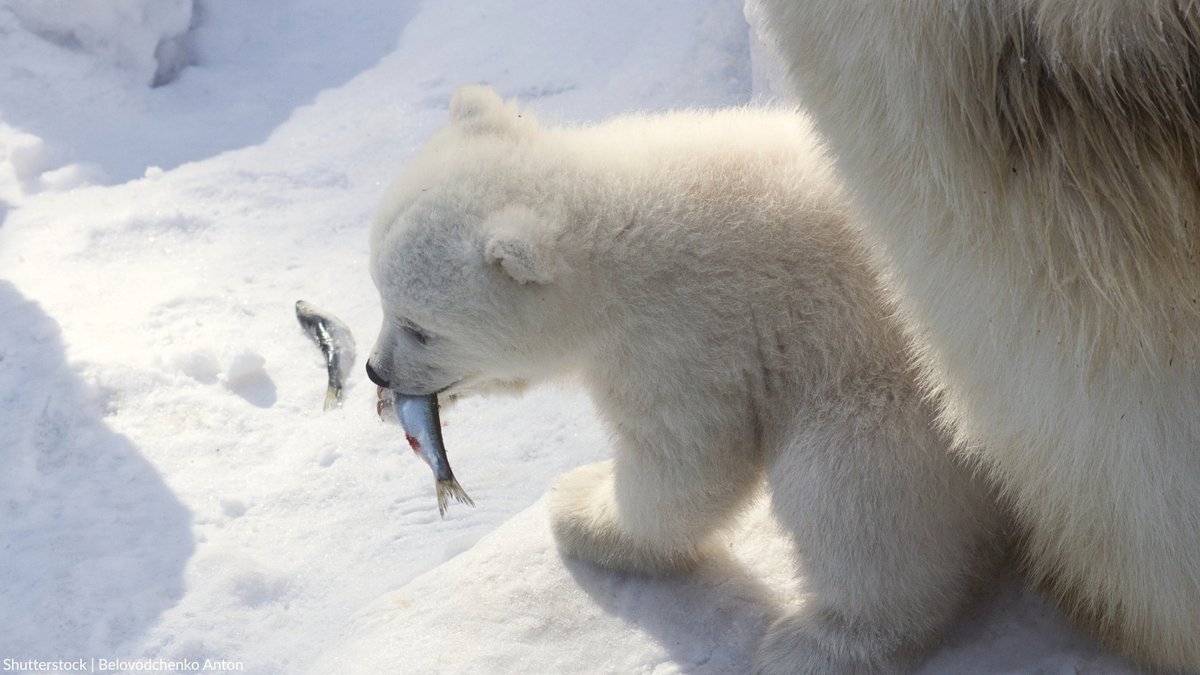
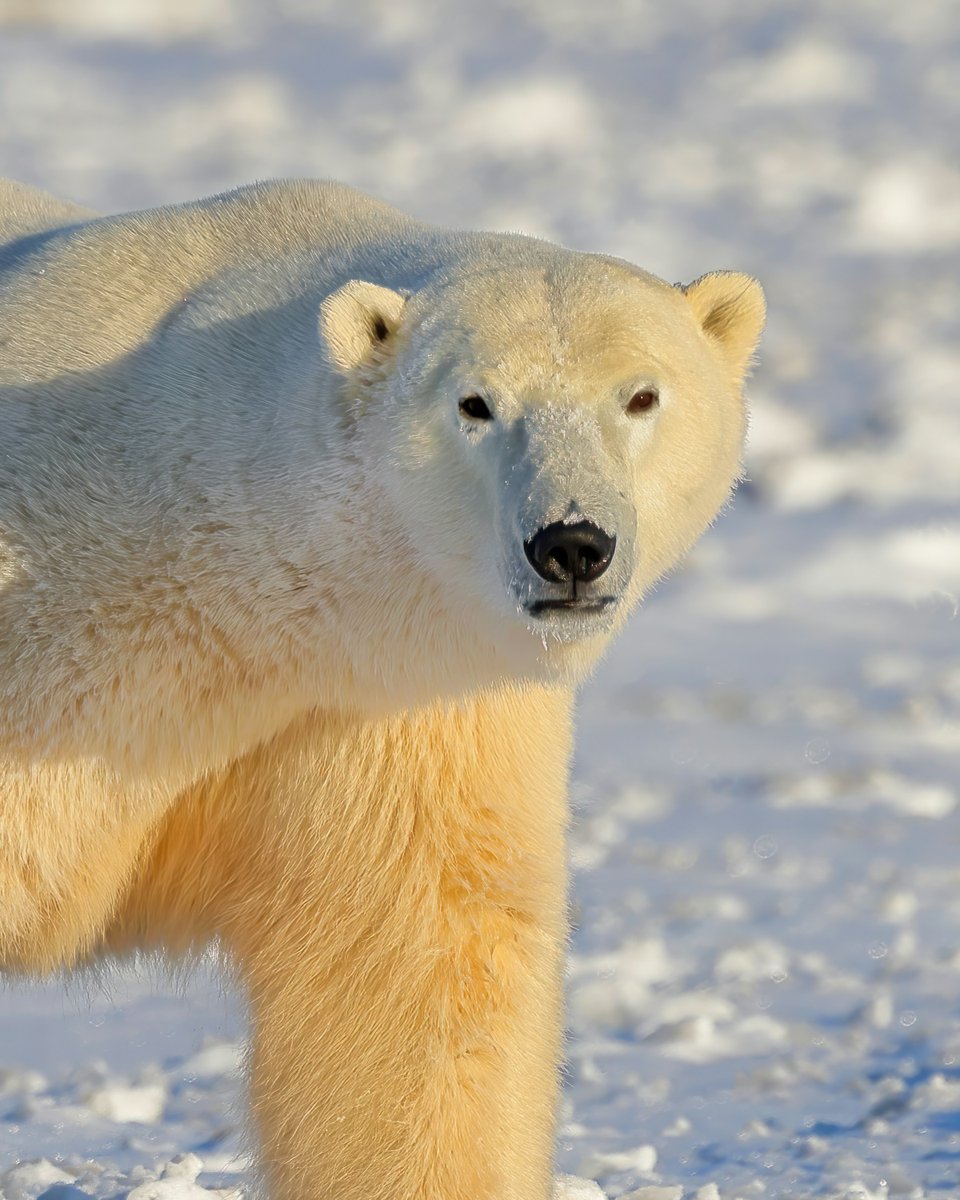
Today is #InternationalPolarBearDay! 🐻❄️
Did you know polar bear fur isn’t actually white? It’s transparent! Their hair shafts are hollow, allowing the fur to reflect back the sun's light. Much like ice, this reflection allows these bears to appear white or even yellow. 🧊
Did you know: Humpback whales were nearly wiped out by commercial whaling. Thanks to the International Whaling Commission’s 1985 moratorium, their numbers have rebounded to more than 80,000 worldwide!
At Kaluku Field Headquarters, four orphans are growing up together. Each arrived here against extraordinary odds.
Mwinzi was found comatose in the Amboseli dust, felled by drought before he was five months old. He revived in an hour and has been making up for lost time ever since – currently the most enthusiastic consumer of leafy branches at Kaluku by some distance.
Natibu was pulled from a water pipeline manhole in Maungu, deeply traumatised by the experience. The same elephant who once trembled in his stable now launches himself into mud wallows with absolutely no hesitation whatsoever.
Korbessa fell into a well at two days old. She arrived at Kaluku fast asleep – so spent from her ordeal that the team had to wake her up to board the rescue plane. She has since assumed full command of the unit. Keeper Joseph is her devoted subject.
And then there is Toto – Korbessa's self-appointed big brother, a role she acknowledges only when it suits her. She is just as fond of jailbreaking him from his stable as she is of being looked after by him.
Four rescues. Four extraordinary characters. All of them here because someone made the call, flew the plane, and stayed through the night.
Your adoption helps fund the milk, the Keepers, and the round-the-clock care that keeps them alive. Meet Toto, Natibu, Mwinzi, and Korbessa – and adopt one of them, or all four – https://t.co/CooVpdJj7e
Twenty years ago, after the release of “An Inconvenient Truth,” I invited 50 people to gather on my family farm outside Nashville, Tennessee. We came together, empowered by science and concerned about the dangers posed by the climate crisis. We believed then, as I do now, that informed and determined citizens can help drive the transformative solutions our planet urgently needs.
That gathering was the catalyst for The Climate Reality Project.
Over the past two decades, I have watched with deep gratitude as thousands of Climate Reality Leaders stepped forward to become champions for science-based solutions, inspiring others and driving climate action around the world.
Now, 20 years later, we’re returning to Nashville, Tennessee.
On May 1–2, I invite you to join me and Climate Reality as we celebrate this milestone and recommit ourselves to the necessary work ahead. And as part of this anniversary year, we’ll also gather and train leaders in Chile and Singapore to continue building momentum worldwide.
The climate crisis demands courage and commitment. Join us in Nashville and help shape the next chapter of climate leadership.
Register here: https://t.co/dK3sTadZVi
Have you met Wamata?
This little girl approaches life at full speed and without much forethought – which is how she once reversed straight back into her stockade after colliding with a warthog at full tilt. It took Kerrio walking in, trunk outstretched, to coax her back out.
Her story began with a radio call: our pilot had spotted a tiny baby all alone, and circled above as rangers trekked to the scene. From then on, we've been her guardian angels – flying her to our Nursery where she could begin a slow and steady recovery, and offering her a family among our orphan herd. We'll continue to look after her until she is ready to return to the wild, and then long after that too.
Find out how you can play a role in Wamata's story by adopting her: https://t.co/cEHxj0lg6m
Polar bears are a keystone species, essential to keeping the Arctic ecosystem in balance.
But they’re facing a new threat as some members in Congress aim to weaken their protections.
These irreplaceable animals don’t have a voice. Use yours: https://t.co/kwI8EP7Fxn