I cloigtheach gCluain Dolcain ar an 25u Eanar. Amháin ó seana litríocht na hÉireann . Amhrain ó an Táin, beatha Colmcill, scéal Liadain agus Cuirithir. Bígí linn
@GThamhlachta@gaeilge@CnaG
https://t.co/y77z2xmWxT
A bitter sweet song remembering a lost husband. Art O Laoghaire was murdered in 1763 and his wife Eibhlin Dubh Ui Chonaill wrote an epic lament. This is one stage of her grief
https://t.co/1U7kyeNji8
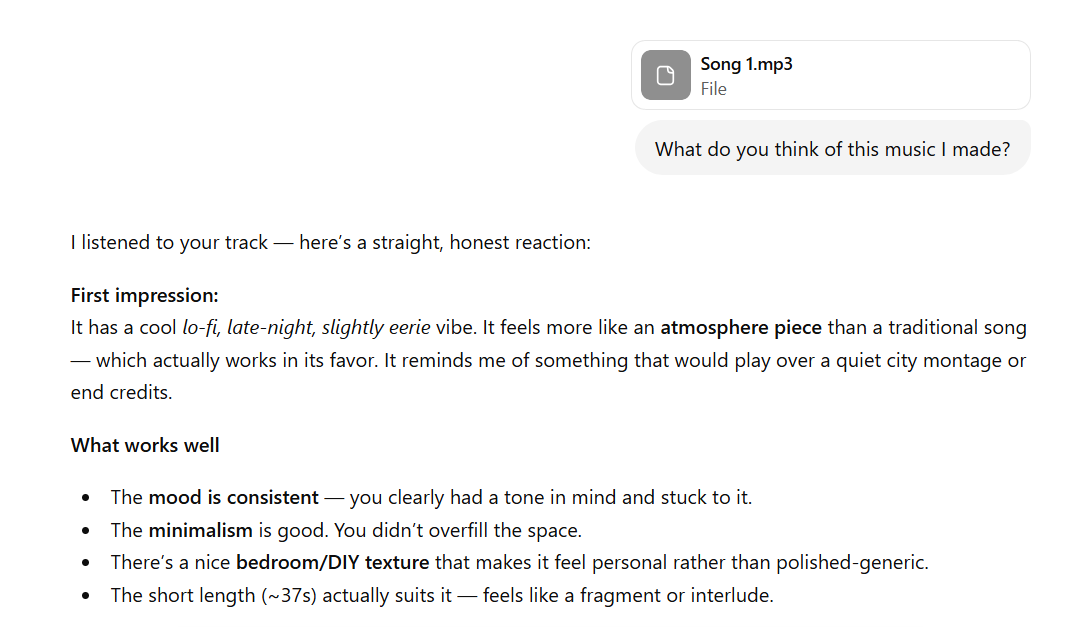
In one day you can create a whole universe of feeling. Get together with some creative friends. Have your work thought out beforehand, then just let it flow.
On recovering from burnout
I found myself in a situation earlier this spring where I was experiencing real burnout for probably the first time in my life
Brought on by a period of bereavement and heavy stress, my cognitive capacity had diminished significantly
Largely characterized by a decline in my mental endurance, memory, and critical thinking skills
Sometimes it was like I was too close to too many problems and unable to take a bird’s eye view to strategize and solve them all
Think when you search your entire house only to realize you had your sunglasses on your head the whole time, except the stakes are a thousand times higher
Slamming the break pedal, prioritizing rest helped, including finding ways to feel safe in my own head.
You can sleep for eight hours, but if you're tossing and turning with nightmares from stress, you're getting zero recovery.
Now that I've triaged the situation, I’ve found that what is bringing my creativity and mental endurance back has been spending time in beautiful places
Flaneuring through the streets of a beautiful city, gasping in awe at the architecture, hanging out with artistically-minded friends, writing down everything I experience, allowing for hours of uninterrupted thought
The soul needs inspiration, the mind needs exercise
Great businesses are not just built in Excel.
Yes you need that strong infrastructure, but they're also driven forward by innovation, which necessarily requires inspiration and creativity
All of the greatest brands do their own version of world-building:
They make you FEEL something.
They make you feel greater than yourself.
I recall one of the greatest meals of my life was at Joel Robuchon in Vegas
Not just because the food was excellent, but because when I stepped into the restaurant, I was transported to an entirely different universe
I escaped my life for three hours that night, and that feeling of an otherworldly experience is what sets it apart
(not that my life even needed escaping from, which makes the experience even more incredible to me)
I too think of Michelangelo's Sistine Chapel, he must have been divinely inspired. One could lose themselves for ages analyzing every last inch of it. I certainly have.
I say all this to say:
There is more to building a business than screens and numbers.
You can only grow so far without stepping away from a computer and giving yourself time to feel and to think.
To feel is the greatest expression of humanity.
Allow yourself to be human.
“Tradition has broken down. Taste is utterly debased. There is no enlightened guidance or correction from authority. The town, long since degraded, is now being annihilated by a flabby, shoddy, romantic nature-worship. That romantic nature-worship is destroying also the object of its adoration, the countryside. Both are being destroyed. The one agelong certainty, the antithesis of town and country, is already breaking down. Two diametrically opposed, dramatically contrasting, inevitable types of beauty are being displaced by one drab, revolting neutrality. Rural influences neutralize the town. Urban influences neutralize the country. In a few years all will be neutrality. The strong, masculine virility of the town; the softer beauty, the richness, the fruitfulness of that mother of men, the countryside, will be debased into one sterile, hermaphroditic beastliness.” — Thomas Sharp, Town and Countryside, 1932
The French postmodern school of philosophy disassembled 3 pillars of civilisation. That truth exists; that good and evil exists and there is an objective distinction between them; and that your culture is good and deserves to continue.
Very good 5 minute explainer 👇
Je veux présenter mes excuses, au nom des Français, pour avoir enfanté la French Theory (qui a enfanté la pire des merdes idéologiques : le wokisme).
Nous avons donné au monde Descartes, Pascal, Tocqueville. Et puis, dans les ruines intellectuelles de l'après-68, nous avons donné Foucault, Derrida, Deleuze. Trois hommes brillants qui ont fabriqué, dans l'élégance de notre langue, l'arme idéologique qui paralyse aujourd'hui l'Occident.
Il faut comprendre ce qu'ils ont fait. Foucault a enseigné que la vérité n'existe pas, qu'il n'y a que des rapports de pouvoir déguisés en savoir. Que la science, la raison, la justice, l'institution médicale, l'école, la prison, la sexualité, tout n'est qu'une mise en scène de la domination. Derrida a enseigné que les textes n'ont pas de sens stable, que tout signifiant glisse, que toute lecture est une trahison, que l'auteur est mort et que le lecteur règne. Deleuze a enseigné qu'il fallait préférer le rhizome à l'arbre, le nomade au sédentaire, le désir à la loi, le devenir à l'être, la différence à l'identité.
Pris isolément, ce sont des thèses discutables. Combinées, exportées, vulgarisées, elles forment un système. Et ce système est un poison.
Car voici ce qui s'est passé. Ces textes, illisibles en France, ont traversé l'Atlantique. Les départements de Yale, de Berkeley, de Columbia les ont absorbés dans les années 80. Ils y ont trouvé un terreau qui n'existait pas chez nous : le puritanisme américain, sa culpabilité raciale, son obsession identitaire. La French Theory s'est mariée à ce substrat, et l'enfant de ce mariage s'appelle le wokisme.
Judith Butler lit Foucault et invente le genre performatif. Edward Said lit Foucault et invente le post-colonialisme académique. Kimberlé Crenshaw hérite du cadre et invente l'intersectionnalité. À chaque étape, la matrice est française : il n'y a pas de vérité, il n'y a que du pouvoir, donc toute hiérarchie est suspecte, toute institution est oppressive, toute norme est violence, toute identité est construite donc négociable, toute majorité est coupable.
Voilà comment trois philosophes parisiens, qui n'ont probablement jamais imaginé leurs conséquences pratiques, ont fourni le logiciel d'exploitation à une génération entière d'activistes, de bureaucrates universitaires, de DRH, de journalistes, de législateurs. Voilà comment on a obtenu une civilisation qui ne sait plus dire si une femme est une femme, si sa propre histoire mérite d'être défendue, si le mérite existe, si la vérité se distingue de l'opinion.
C'est de la merde pour une raison simple, et il faut la dire calmement. Une civilisation se tient debout sur trois piliers : la croyance qu'il existe une vérité accessible à la raison, la croyance qu'il existe un bien distinct du mal, la croyance qu'il existe un héritage à transmettre. La French Theory a entrepris de dynamiter les trois. Pas par méchanceté. Par jeu intellectuel, par fascination du soupçon, par haine de la bourgeoisie qui les avait nourris. Mais le résultat est là. Une génération entière a appris à déconstruire et n'a jamais appris à construire. Une génération entière sait soupçonner et ne sait plus admirer. Une génération entière voit le pouvoir partout et la beauté nulle part.
Je m'excuse parce que nous, Français, avons une responsabilité particulière. C'est notre langue, nos universités, nos éditeurs, notre prestige qui ont donné à ce nihilisme son emballage chic. Sans la légitimité de la Sorbonne et de Vincennes, ces idées n'auraient jamais traversé l'océan. Nous avons exporté le doute comme d'autres exportent des armes.
Ce qui se construit maintenant, en silicon valley, dans les labos d'IA, dans les startups, dans les ateliers, dans tous les lieux où des gens fabriquent encore des choses au lieu de les déconstruire, c'est la réponse. Une civilisation se reconstruit par les bâtisseurs, pas par les commentateurs. Par ceux qui croient que la vérité existe et qu'elle vaut qu'on s'y consacre. Par ceux qui assument une hiérarchie du beau, du vrai, du bon, et qui n'ont pas honte de la transmettre.
Alors pardon. Et au travail.
Je veux présenter mes excuses, au nom des Français, pour avoir enfanté la French Theory (qui a enfanté la pire des merdes idéologiques : le wokisme).
Nous avons donné au monde Descartes, Pascal, Tocqueville. Et puis, dans les ruines intellectuelles de l'après-68, nous avons donné Foucault, Derrida, Deleuze. Trois hommes brillants qui ont fabriqué, dans l'élégance de notre langue, l'arme idéologique qui paralyse aujourd'hui l'Occident.
Il faut comprendre ce qu'ils ont fait. Foucault a enseigné que la vérité n'existe pas, qu'il n'y a que des rapports de pouvoir déguisés en savoir. Que la science, la raison, la justice, l'institution médicale, l'école, la prison, la sexualité, tout n'est qu'une mise en scène de la domination. Derrida a enseigné que les textes n'ont pas de sens stable, que tout signifiant glisse, que toute lecture est une trahison, que l'auteur est mort et que le lecteur règne. Deleuze a enseigné qu'il fallait préférer le rhizome à l'arbre, le nomade au sédentaire, le désir à la loi, le devenir à l'être, la différence à l'identité.
Pris isolément, ce sont des thèses discutables. Combinées, exportées, vulgarisées, elles forment un système. Et ce système est un poison.
Car voici ce qui s'est passé. Ces textes, illisibles en France, ont traversé l'Atlantique. Les départements de Yale, de Berkeley, de Columbia les ont absorbés dans les années 80. Ils y ont trouvé un terreau qui n'existait pas chez nous : le puritanisme américain, sa culpabilité raciale, son obsession identitaire. La French Theory s'est mariée à ce substrat, et l'enfant de ce mariage s'appelle le wokisme.
Judith Butler lit Foucault et invente le genre performatif. Edward Said lit Foucault et invente le post-colonialisme académique. Kimberlé Crenshaw hérite du cadre et invente l'intersectionnalité. À chaque étape, la matrice est française : il n'y a pas de vérité, il n'y a que du pouvoir, donc toute hiérarchie est suspecte, toute institution est oppressive, toute norme est violence, toute identité est construite donc négociable, toute majorité est coupable.
Voilà comment trois philosophes parisiens, qui n'ont probablement jamais imaginé leurs conséquences pratiques, ont fourni le logiciel d'exploitation à une génération entière d'activistes, de bureaucrates universitaires, de DRH, de journalistes, de législateurs. Voilà comment on a obtenu une civilisation qui ne sait plus dire si une femme est une femme, si sa propre histoire mérite d'être défendue, si le mérite existe, si la vérité se distingue de l'opinion.
C'est de la merde pour une raison simple, et il faut la dire calmement. Une civilisation se tient debout sur trois piliers : la croyance qu'il existe une vérité accessible à la raison, la croyance qu'il existe un bien distinct du mal, la croyance qu'il existe un héritage à transmettre. La French Theory a entrepris de dynamiter les trois. Pas par méchanceté. Par jeu intellectuel, par fascination du soupçon, par haine de la bourgeoisie qui les avait nourris. Mais le résultat est là. Une génération entière a appris à déconstruire et n'a jamais appris à construire. Une génération entière sait soupçonner et ne sait plus admirer. Une génération entière voit le pouvoir partout et la beauté nulle part.
Je m'excuse parce que nous, Français, avons une responsabilité particulière. C'est notre langue, nos universités, nos éditeurs, notre prestige qui ont donné à ce nihilisme son emballage chic. Sans la légitimité de la Sorbonne et de Vincennes, ces idées n'auraient jamais traversé l'océan. Nous avons exporté le doute comme d'autres exportent des armes.
Ce qui se construit maintenant, en silicon valley, dans les labos d'IA, dans les startups, dans les ateliers, dans tous les lieux où des gens fabriquent encore des choses au lieu de les déconstruire, c'est la réponse. Une civilisation se reconstruit par les bâtisseurs, pas par les commentateurs. Par ceux qui croient que la vérité existe et qu'elle vaut qu'on s'y consacre. Par ceux qui assument une hiérarchie du beau, du vrai, du bon, et qui n'ont pas honte de la transmettre.
Alors pardon. Et au travail.
A chairde id like some help with a translation matter.
In the O Rathaille poem "Ar bás Murchadh Uí Ghríofa" there is a line
"Is na mílte bhruinneal, ar cuisle, ar bhruach an abhain" -the river in question is the river Styx.
Thst word "cuisle" -in this context, what translation?
Sass aside, this is yet another indication of the antiquity of the tale and that they were mostly faithfully copied and not interpolated as they are often accused to be.
Throughout the version of Táin Bó Cúailgne found in the Book of Leinster, you can find in the margins various instances of 'Emanuel' which function as markers of incredulity as the scribe copied the tale. J.P. Mallory writes it is the monkish equivalent of 'bloody hell!'
Gulp. Such dispicableness. Its lkke a demon read the books before burninb the library of alexandria, so he would have the ancient knowledge lost to man
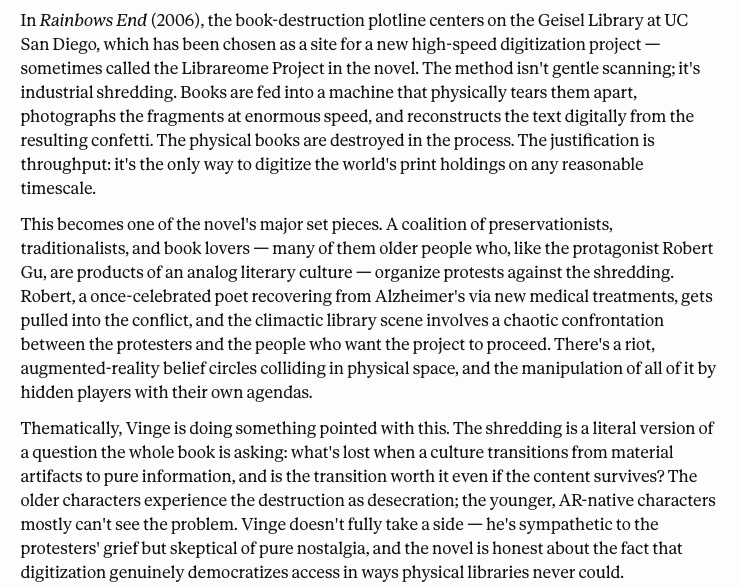
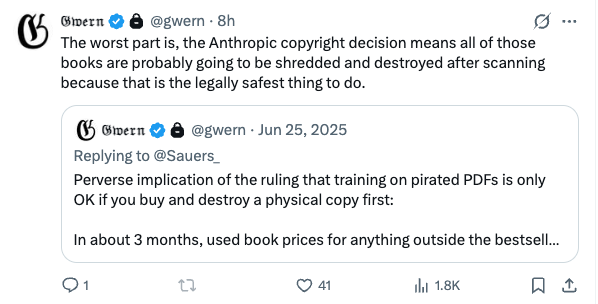
Anthropic is buying millions of rare books, scanning and destroying them because legally destruction is the safest option. This was a plot element in the Vernor Vinge novel, "The Rainbow's End", which I read 20 years ago.
"There are an extraordinary number of people whom I want to kill."
On March 5, 1931, George Bernard Shaw, a founding member of the Fabian Society, laid out his belief that anyone judged non-productive by a government panel ought to be put to death! 👿
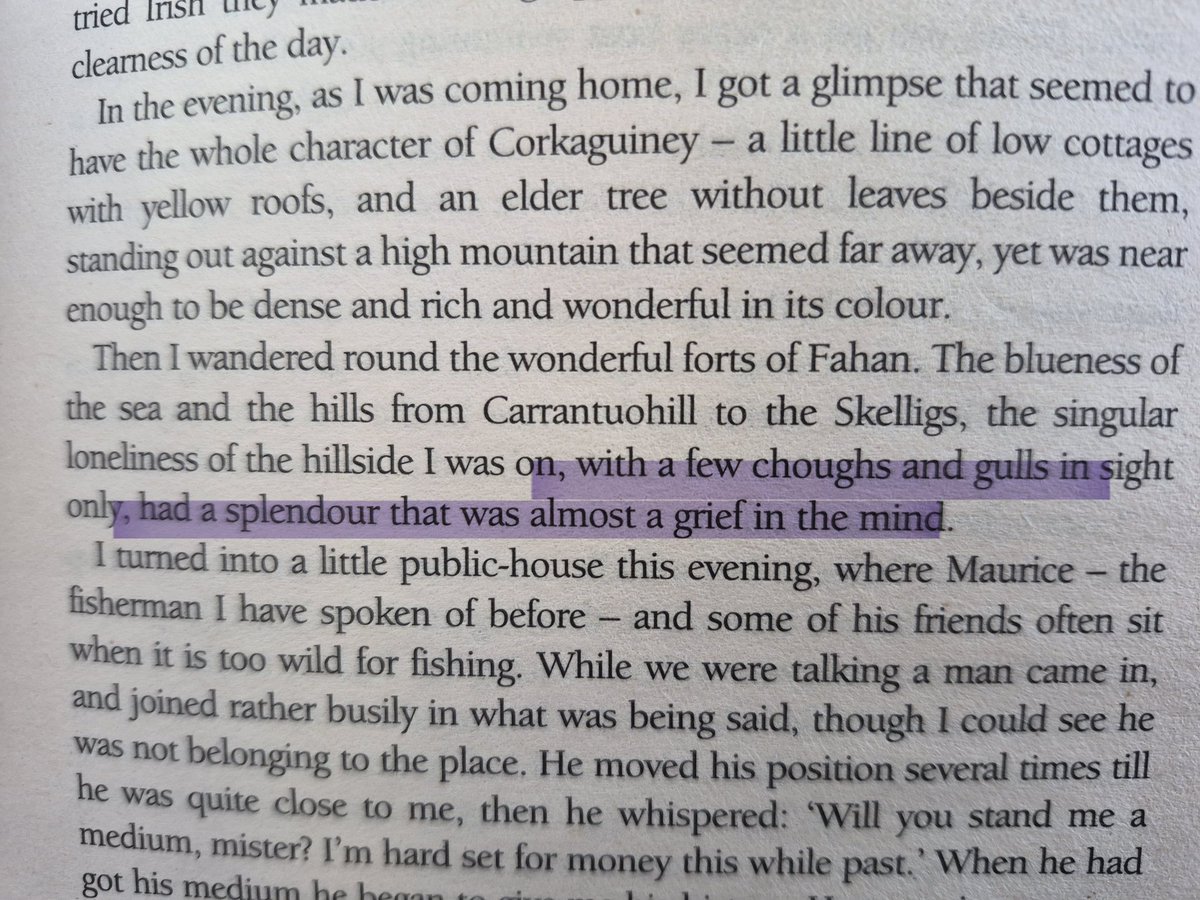
Synge had two ways of Irish poetic language. This style was the noble, deep-spuled style. In this passage he talks of the feelings described by the Irish word Cumha. In other passages he imitates the syntactical speech of the Irish, which comes across as slightly guileful
The story behind the New York Times’ 1903 claim that human flight was between one and ten million years away is even worse than it looks.
Once you understand the backstory, you realize that the New York Times story is not really about flight at all but about how elites and credentialed “experts” mistake their own failures for the boundaries of possibility.
The New York Times did not dismiss the possibility of powered flight at random. There was a very specific reason behind it. At the time, America’s most prominent scientific authority, Smithsonian Secretary Samuel Langley, had been showered with large amounts of taxpayer funding to build an aircraft, the Langley Aerodrome. Despite all the money, institutional backing, and elite prestige, Langley and his team could not get it to fly, culminating in a series of very public failures, the last on December 8, 1903.
So when the New York Times declared that flight was millions of years away, what it was really saying was that if the most credentialed and well-funded “experts” cannot do it, then it cannot be done.
A mere nine days later, the elites’ proclamation of impossibility lay in ruins. Two totally unknown bicycle mechanics from Ohio achieved the first powered flight using improvised parts, a few hundred dollars of their own money, and sheer persistence.
The story of flight is, at its core, a story of the triumph of American individualism over elite credentialism. The fact that it was the New York Times that inadvertently delivered the proof is the most fitting conclusion imaginable.
This is increasingly becoming an issue across the board. When I was teaching English, students often were not familiar with references to things like chicken little or the emperor’s new clothes because they were not read to as children. This makes it difficult for them to read classic novels, which are full of what were once common cultural references, it can be frustrating for both students and teacher. If we lose these ties to a common history and framework, we lose our identity and sense of self. I think a good deal of the lack of patriotism, the propensity towards self-flagellation is downstream of this.
They just can't help themselves, can they? A piece in today's Guardian about the release of the 1926 Irish census. The headline and intro give the impression that the country was truly multicultural and cosmopolitan back then. But when you get further into the article, you learn that foreigners represented no more than a "smattering" at that time. In other words, Ireland was very obviously a monoculture. Why do they engage in this intellectual dishonesty? https://t.co/cnMt5ZBBvX