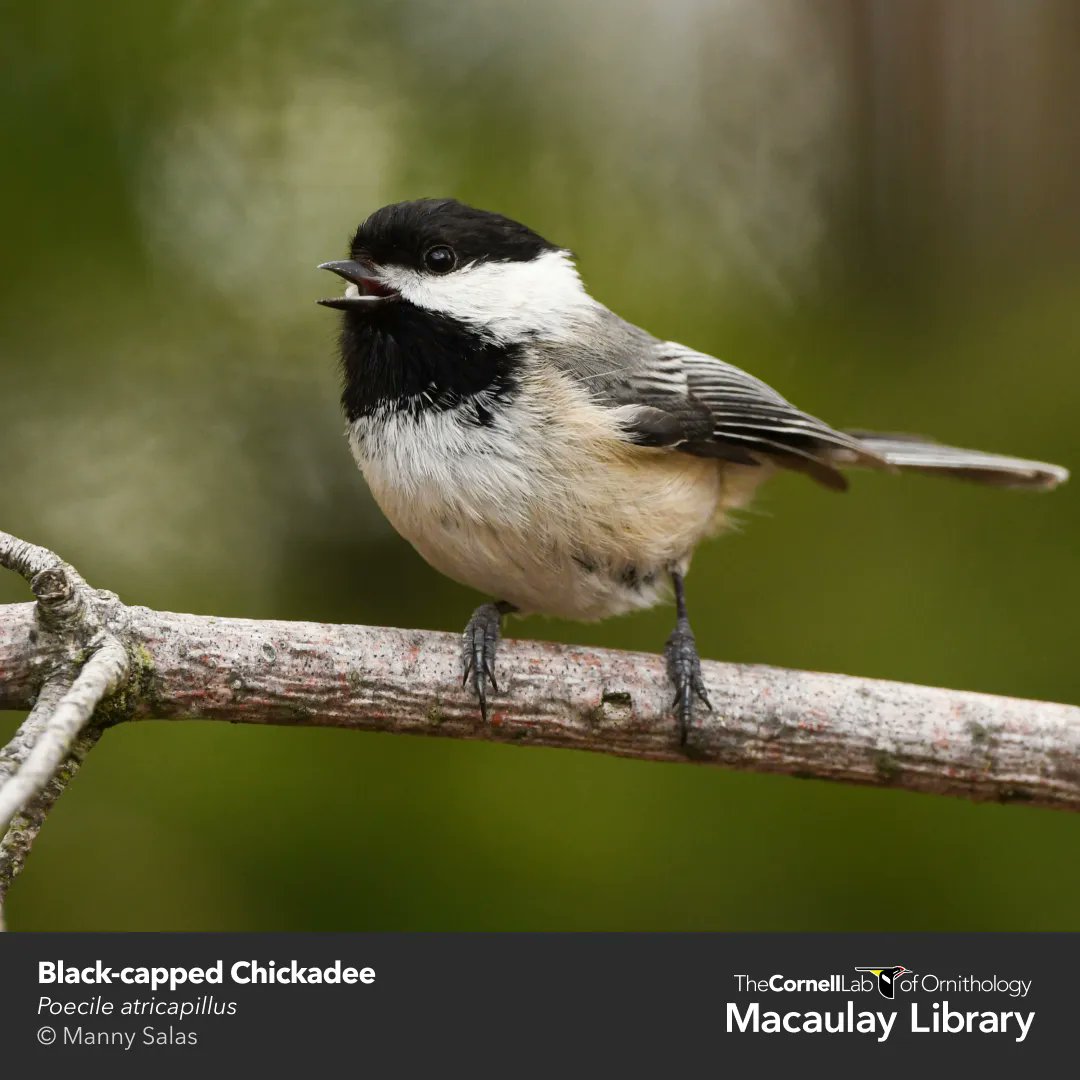
🚨 LIVE NOW 🚨
It's the return of our bird identification trivia game, just in time for migration season! Come ready to play as we put the Merlin Bird ID app to the test against experienced birders: https://t.co/8rXIRW1tUX
The biggest day in birding, #GlobalBigDay, is one week away! Go #birding on May 13 & share what you find with eBird. By taking part, you’re also celebrating #WorldMigratoryBirdDay. Where will you be birding next Saturday? #birds#BirdTwitter https://t.co/UA1LEX2JZe
Using @MacaulayLibrary photos and @Team_eBird records to understand differing migration strategies between juvenile and adult Whimbrels. https://t.co/NxCPhQEliz
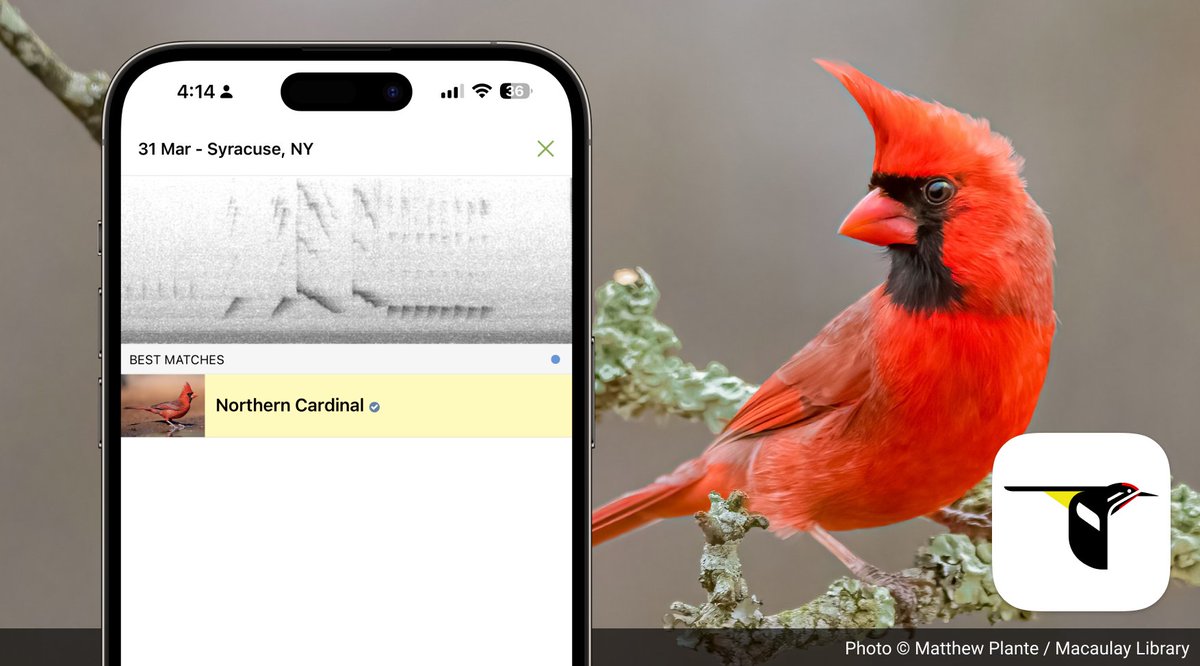
You've all identified 615,986 Northern Cardinals this week with Sound ID!
🦆🦉What are you hoping to discover this weekend with Merlin? 🦃🐦
Get Merlin for free to discover the birds singing around you at https://t.co/3Cbd2V4YHL
#birding#merlin#soundid#whatbird
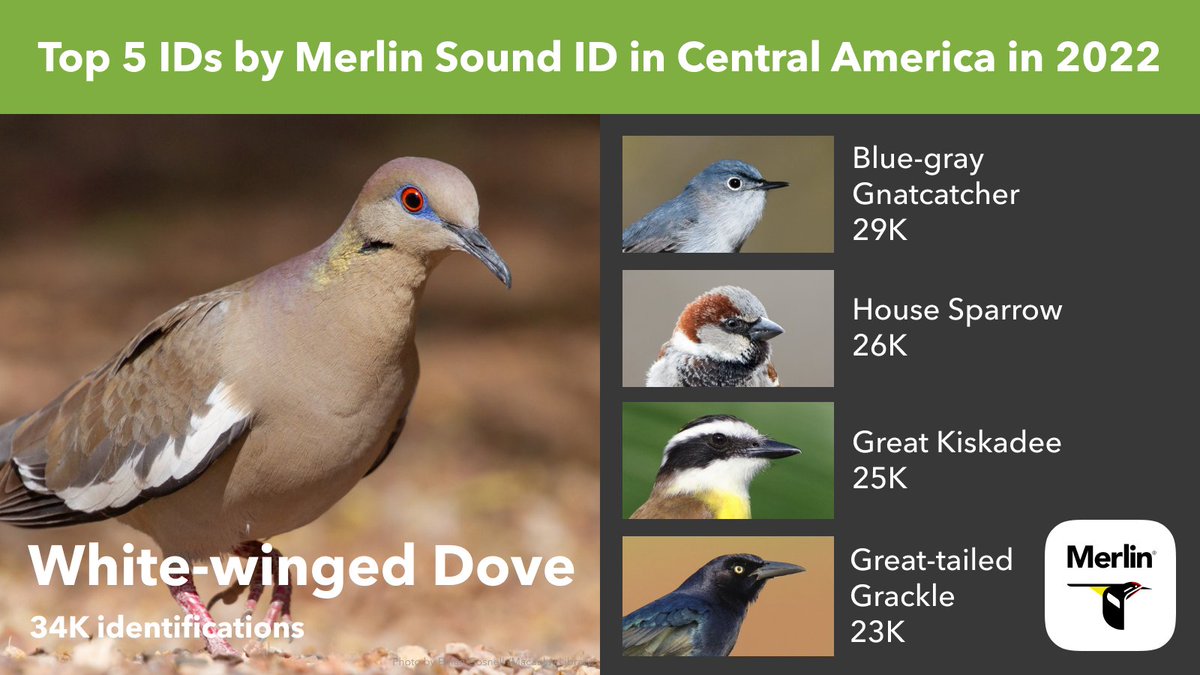
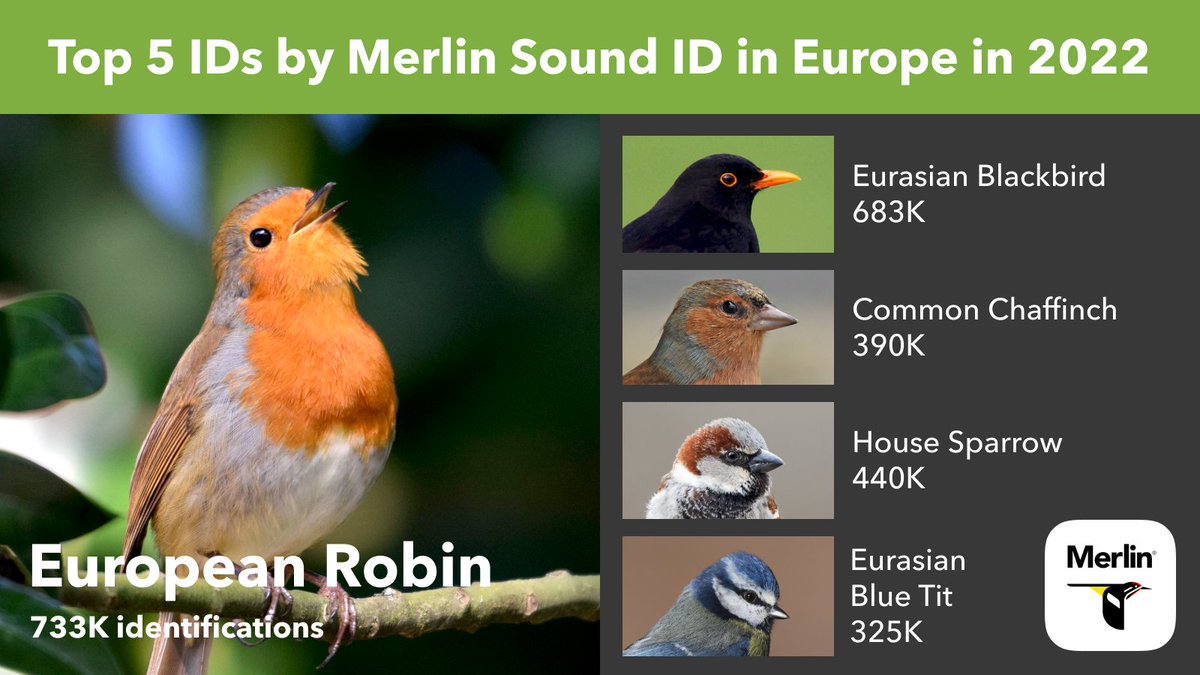
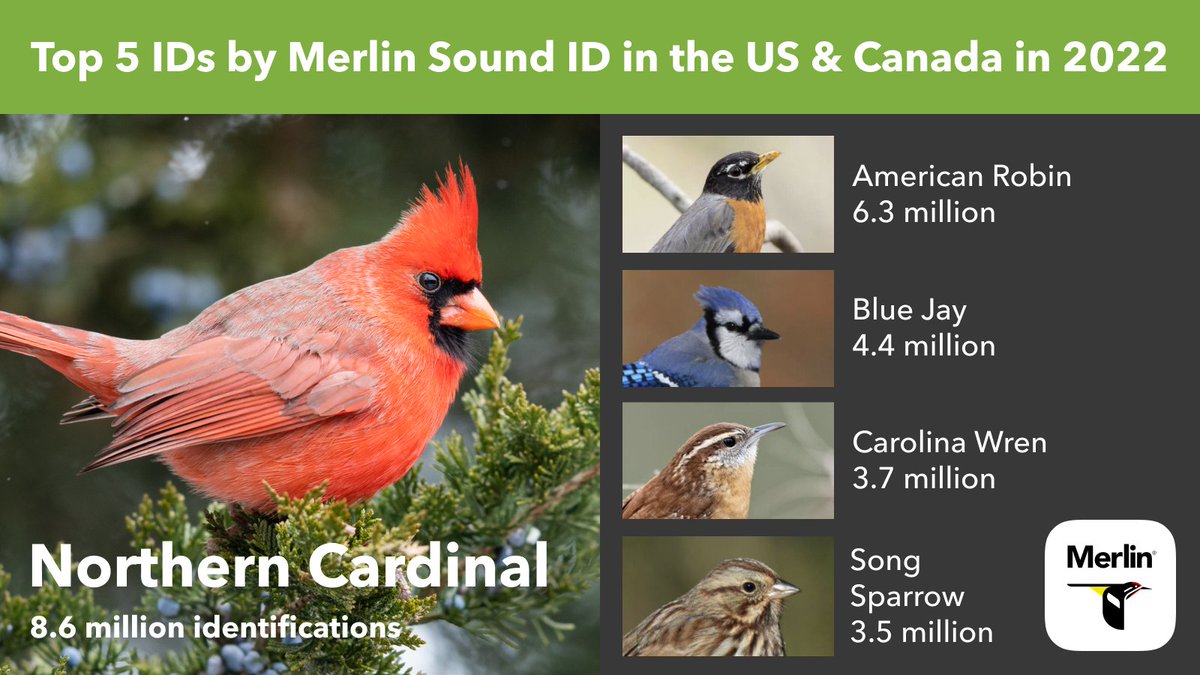
You can now identify 870 different bird species using Sound ID, with complete coverage for the US, Canada, and Europe. A whopping 1.5 million people around the world used #MerlinBirdID to identify 178 million birds by sound this year! #MerlinYearInReview
We’re looking back at 2022 and celebrating #MerlinBirdID ‘s biggest year yet! With 4.6 million people around the world using Merlin to identify birds, we have a lot of cool stats to share over the next few days! #MerlinYearInReview
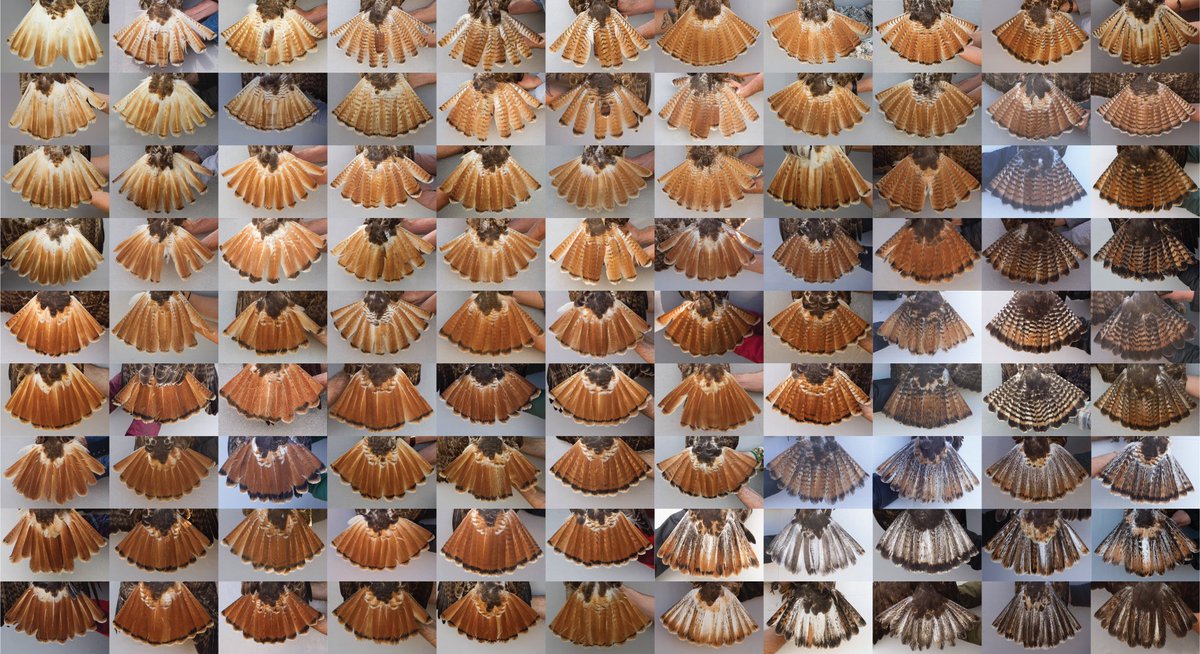
Here’s a photo collage highlighting the diversity of pattern and coloration in the tails of adult Red-tailed Hawks. Photos by myself and Red-tailed Hawk Project collaborators Jesse Watson, @LHDeCicco, and @NeilPaprocki, all of which are stored in @MacaulayLibrary. @CornellBirds
To #BringBirdsBack, the 1st thing we need to know is how they're doing. New @Team_eBird Trends maps give a super close-up view of species increases/declines. A new milestone in avian research and conservation, and a free resource for all: https://t.co/NwaVB3f9MY
In two weeks we’ll be leading a workshop on sound recording at the @sabirdfair in Cusco! Come learn from @JayMcGowan, @FabriGorleri, and other sound recordists how to record, edit, and upload audio that contribute to our understanding of birds and power tools like @MerlinBirdID
Longtime Macaulay Library contributor David L. Ross, Jr. recently sat down with ML to talk about his passion for nature & sound recording. Learn more about Dave’s spark bird, favorite recordings, & efforts to create the “Voices of the Cloud Forest” https://t.co/q7mgbr597x
🚨 Job alert! 🚨
New opening at @CornellBirds for @MerlinBirdID Project Coordinator. This position is perfect for someone passionate about connecting people to birds, and working with a fantastic team at the Cornell Lab of Ornithology.
https://t.co/G3glNjqqoy
Bird Feeders--a restaurant for Accipiters with a lively and ever revolving cast of daily specials. What do Sharp-shinned and Cooper's Hawks like to order? And do they order the same thing? @oisinmacaodha@Feederwatch@PFWCanada https://t.co/JJCCdYOVz1
If you are interested in working on Sound ID and other machine learning projects alongside myself, @EliotITMiller, and the rest of the great team @MacaulayLibrary and @CornellBirds, then please check out this open position: https://t.co/Cq923rb5Um
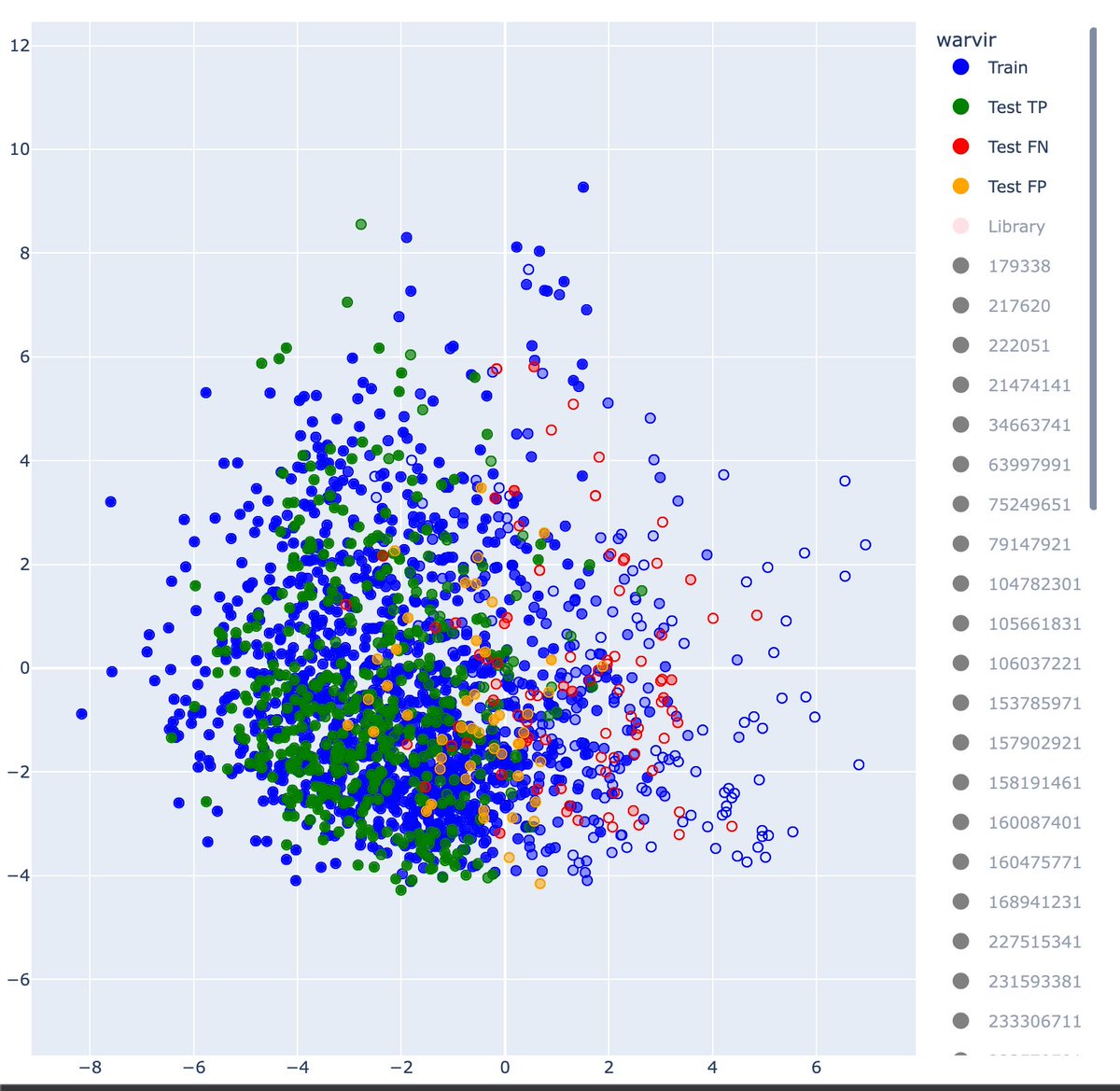
Here with another Thursday peek behind the scenes @MerlinBirdID Sound ID and its varied and exciting research potentials. @Grant_Van_Horn has been working on some fascinating per-species interactive embeddings of the feature vectors that come off the sound ID model.
New research finds that a bird's response to alarm calls is innate. Pishing, the noise birders often make to bring birds out into the open, may also work in similar ways. Learn more at:
https://t.co/JFM8t1BYAa
#ornithology
Audio recordings inform science but also inspire art & a new way to connect with our world. Artist Millicent Young created a multi-media installation about extinction & loss that features the song of the now extinct Kauai O'o from the Macaulay Library.
https://t.co/aARiw2x8YW
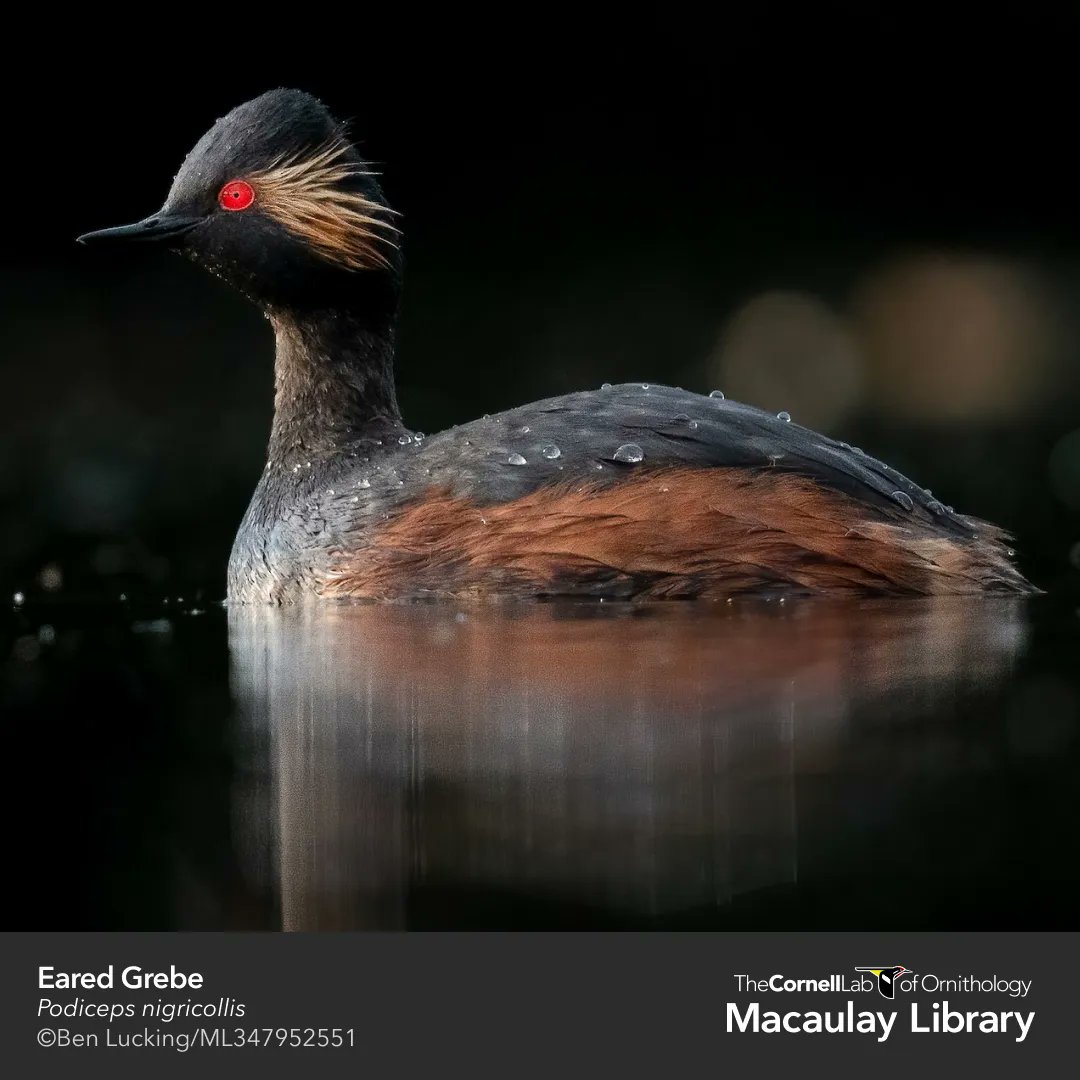
Digging into our #BestOfMacaulay photos to highlight this gorgeous Eared Grebe, a small grebe that feeds on invertebrates in lakes worldwide, including Mono Lake, California, and the Great Salt Lake, Utah. More: https://t.co/58y19nlmPw
Research using recordings in the Macaulay Library finds that Ruby-crowned Kinglets have many song dialects across their range, suggesting that song is learned. Mapping dialects can help better understand migratory connectivity 🌎
https://t.co/TmkCcciZLA
@FieldOrnith @ldouglas14