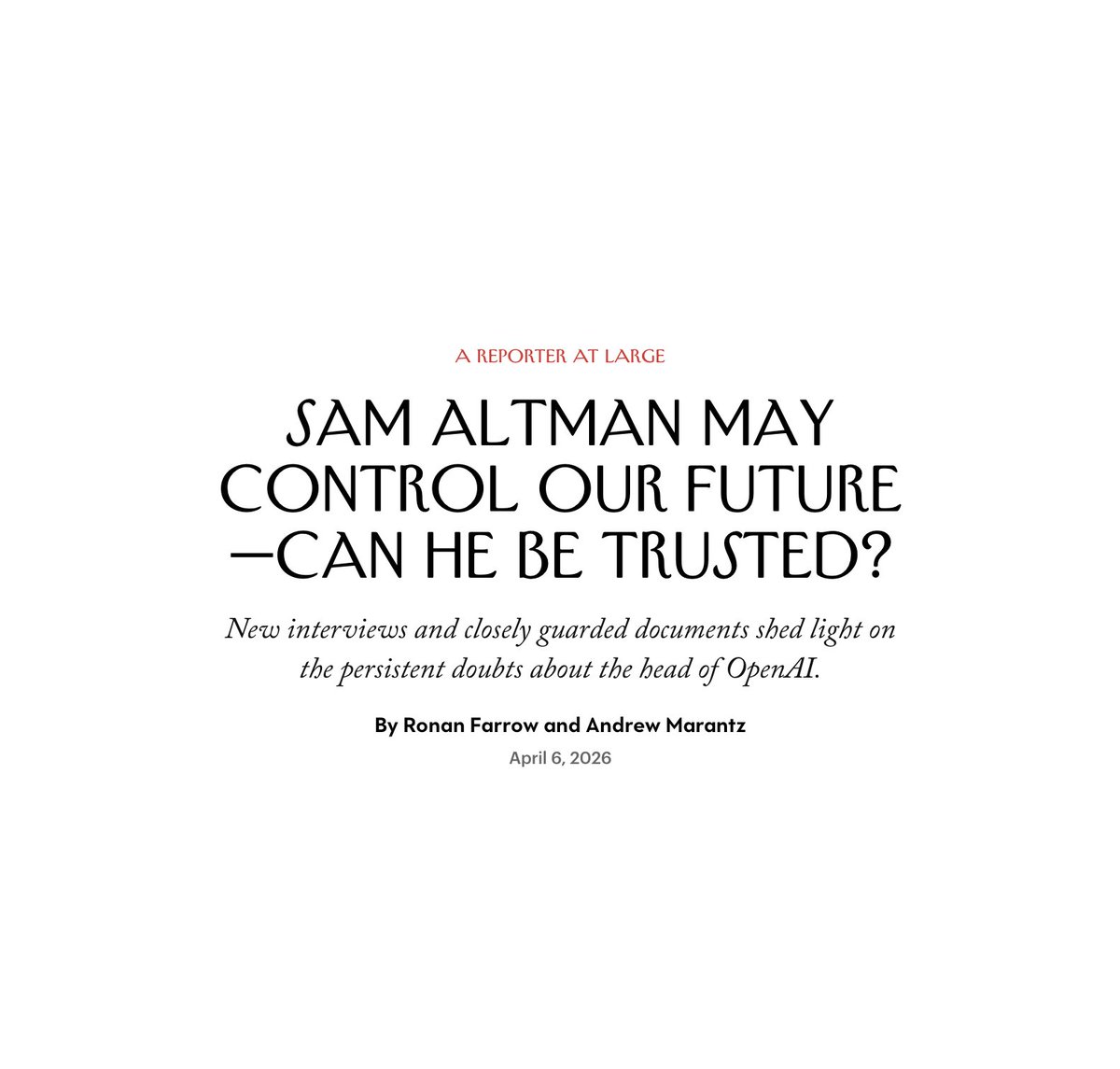
(🧵1/11) For the past year and a half, I've been investigating OpenAI and Sam Altman for @NewYorker. With my coauthor @andrewmarantz, I reviewed never-before-disclosed internal memos, obtained 200+ pages of documents related to a close colleague, including extensive private notes, and interviewed more than 100 people.
OpenAI was founded on the premise that A.I. could be the most dangerous invention in human history—and that its C.E.O. would need to be a person of uncommon integrity. We lay out the most detailed account yet of why Altman was ousted out by board members and executives who came to believe he lacked that integrity, and ask: were they right to allege that he couldn't be trusted?
A thread on some of of our findings:
Whoop has 800 employees today and just announced plans to grow headcount +600 this year. Investing in talent AND ai tools not mutually exclusive.
Many of these “AI layoffs” are just companies under performing or lacking a bigger market opportunity.
@codyplof afaik ai is already built into some discovery tools with lookalike profiles, but still poor results imo. (A workout wellness girl produced lingerie model results in one of my searches yesterday bc of a 2-piece workout set.) still have to filter through a lot of noise!
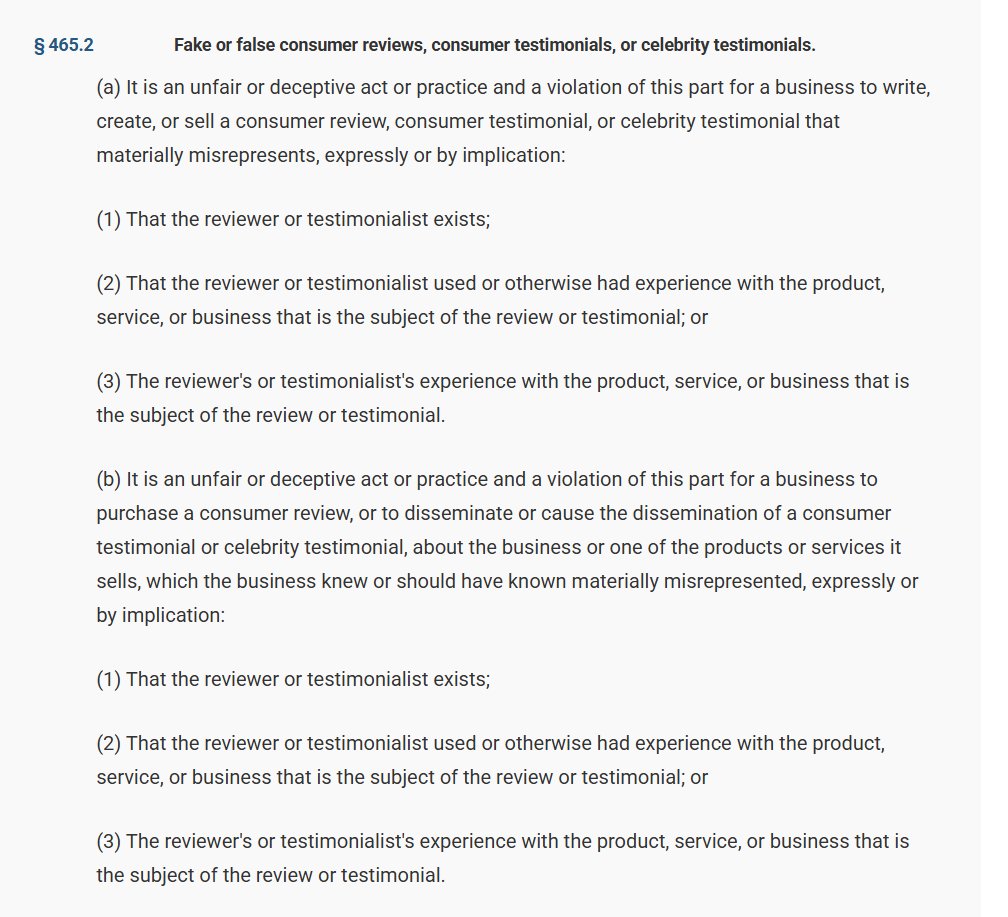
I get tagged in a lot of posts asking whether using "AI UGC" tools is legal.
Here's language directly from the FTC's Rule on the Use of Consumer Reviews and Testimonials, which went into effect on October 21, 2024.