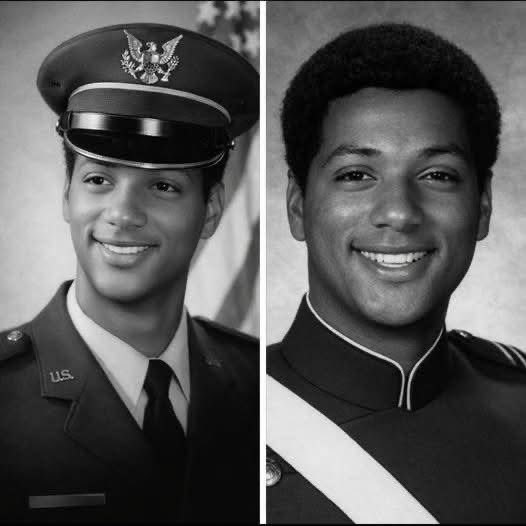
On the morning of September 11, 2001, LeRoy Wilton Homer Jr. reported for work like he had countless times before.
He was a pilot. A husband. A son. A Black man who had earned his place in a cockpit that had never been designed with him in mind.
When United Flight 93 was hijacked, LeRoy didn’t disappear into fear. From inside the plane, a calm but urgent voice reached the ground. He relayed what was happening. He fought for time. He fought for lives. And when passengers rose up against terror, he was already standing in resistance.
The plane never reached its intended target.
It crashed into a field in Pennsylvania instead—because the people onboard, including the pilots, refused to surrender quietly. Because courage lived in that cabin.
LeRoy Wilton Homer Jr. died that day at just 36 years old.
His name is rarely spoken when 9/11 is remembered. His face is often missing from the narratives. And yet, his sacrifice is inseparable from the lives he helped save. Even in a moment of national mourning, his story reminds us of a painful truth: Black heroism is too often overlooked, even when it costs everything.
But history does not forget forever.
LeRoy Homer was a Black pilot who faced terror with resolve, who helped prevent even greater loss, and who gave his life in the fight. He deserves to be remembered—not as a footnote, but as a hero.
Honor LeRoy Homer Jr.'s legacy by sharing his story and keeping his heroism alive. His courage deserves to be remembered.