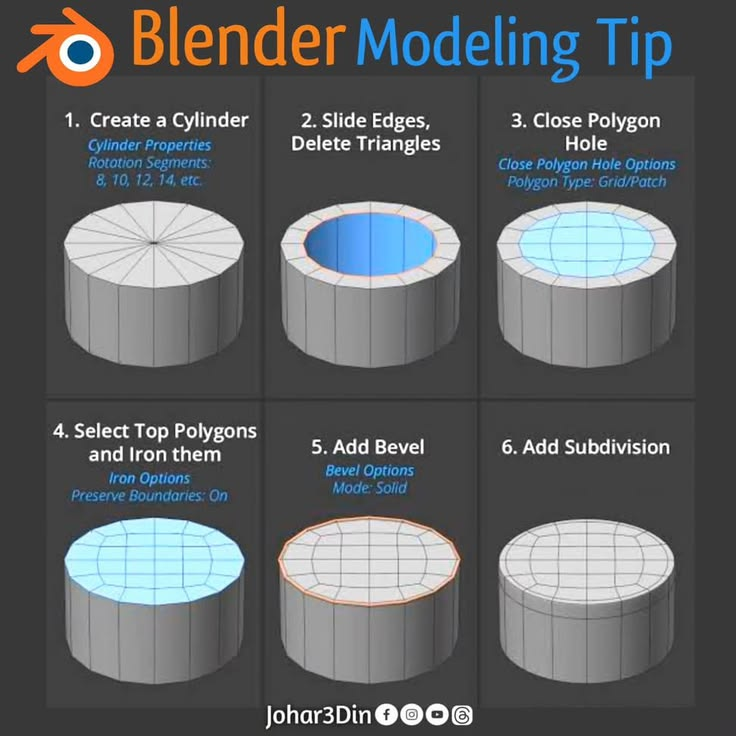
Some fine-tuning with the #SHAPESBrush which doesn't only smooth or relax, but also respects the point spacing of the original mesh. This helps to get the best surface transitions.
#SHAPES#Blender#b3d#correctiveshapes
https://t.co/WtF8aA7XI6
Shoulder and chest deformation is notoriously one of the hardest problems to solve in character rigging.
Most technical artists rely on dozens of corrective blendshapes, heavy muscle systems, or complex deformers to prevent mesh collapse. But Matt Le-Fevre, Senior Technical Artist at Ninja Theory, tackled it using 100% joints attached to curves—with zero blendshapes required.
By letting poses drive authorable curves, the underlying joint skeleton handles non-linear movement, volume preservation, and twist offsets seamlessly.
Are you still relying on corrective blendshapes for shoulder rigs, or are you moving toward pose-driven curve and RBF joint setups?
Quick video to show how you can use cloth sims to get a skirt to fit if it's too small without needing to sculpt. (Originally made the skirt lower but raised it up, so needed to refit it). #b3d#blender
One interesting design of BAN that I like quite a lot, It's hip joint balls are stationary and the base of the upper legs slide on the surface of them.