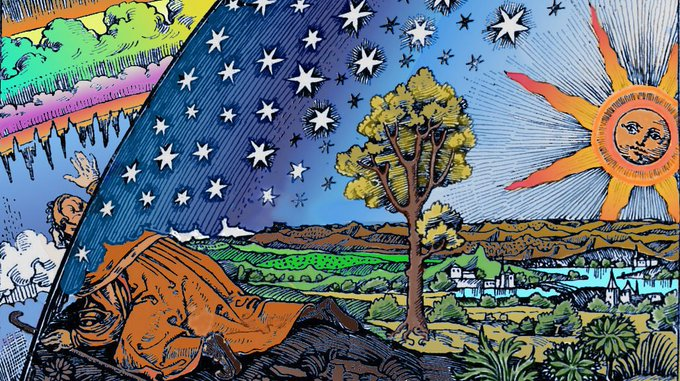
Over my lifetime I've managed to step over a threshold into a realm unknown to other human beings (and previously to myself). But I'm not sure how many other people will want to hear about it. In this case, the truth is taboo. https://t.co/mwXowhFXgp
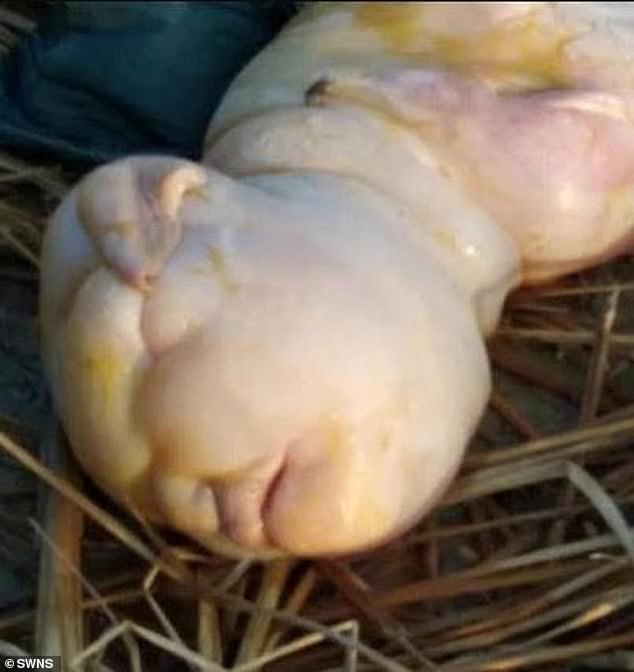
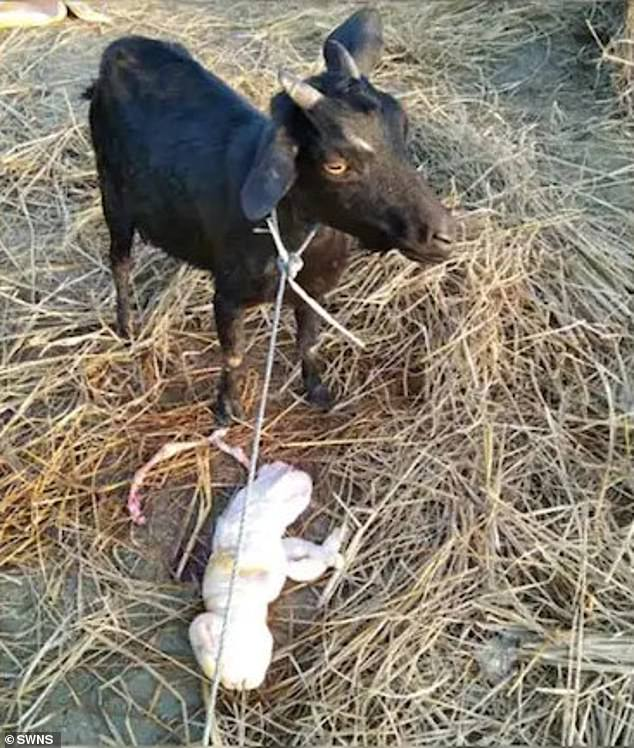
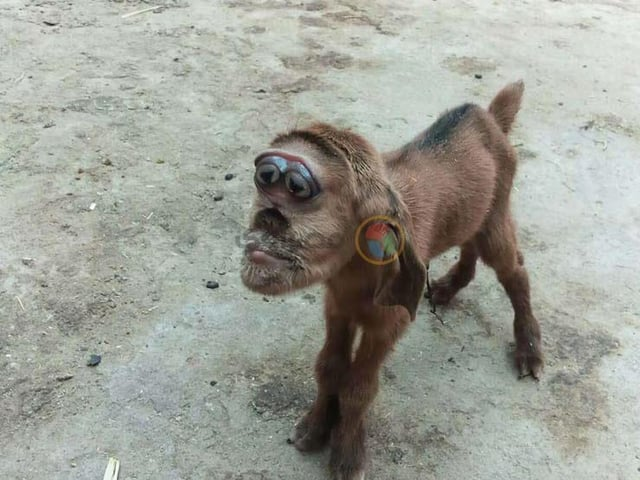
The latest edition of Telenothians (https://t.co/8PGiKgeeX4) collects 3,000 separate reports about distant (interordinal) hybrids, about half of which were human-animal hybrids. Somehow, I missed this goat-human born in India (Gangapur, Assam) in 2021. It was born alive.
@zeroinputag The molecular genetics underlying such births is the thing needing analysis. Why is there such broad variation in phenotype among the offspring from the same cross? Why, a similarly high level of variation in viability? Some abort early, others reach maturity.
The latest edition of Telenothians (https://t.co/8PGiKgeeX4) collects 3,000 separate reports about distant (interordinal) hybrids, about half of which were human-animal hybrids. Somehow, I missed this goat-human born in India (Gangapur, Assam) in 2021. It was born alive.
@nullbotto@arcticinstincts Isaac Newton's first rule of reason states that "We are to admit no more causes of natural things than such as are both true and sufficient to explain their appearances." The inheritance of DNA is sufficient to explain the inheritance of traits. It's also true.
A probable elk/mule deer hybrid photographed by David Whitley in the Tehachapi Mountains in 2018 at Bear Valley Springs, about 15 miles southeast of Bakersfield, California. https://t.co/LNkhJbokVH
@nullbotto@Oxygen_Token Although I know that plant hybrids exist in vast variety, I don't study them. My concentration has been on animal hybrids, especially mammals and birds.
@NathanS31397389@SnkBrs There's a long list of such intermediates, any of which could be investigated further, at the bottom of this page: https://t.co/C0dG8UmC4Z
@NathanS31397389@SnkBrs I might add that I have a whole list of organisms that I'm curious about in the same way. The problem is that thoroughly investigating any single one of them represents a big project that would take a lot of time.
@NathanS31397389@SnkBrs Re muscovies, the carunculation on the face does fit with chicken, or even turkey. But that trait is found in other kinds of birds. To analyze it you'd have to list traits distinguishing it from other ducks and then look for a non-duck that matched that list.