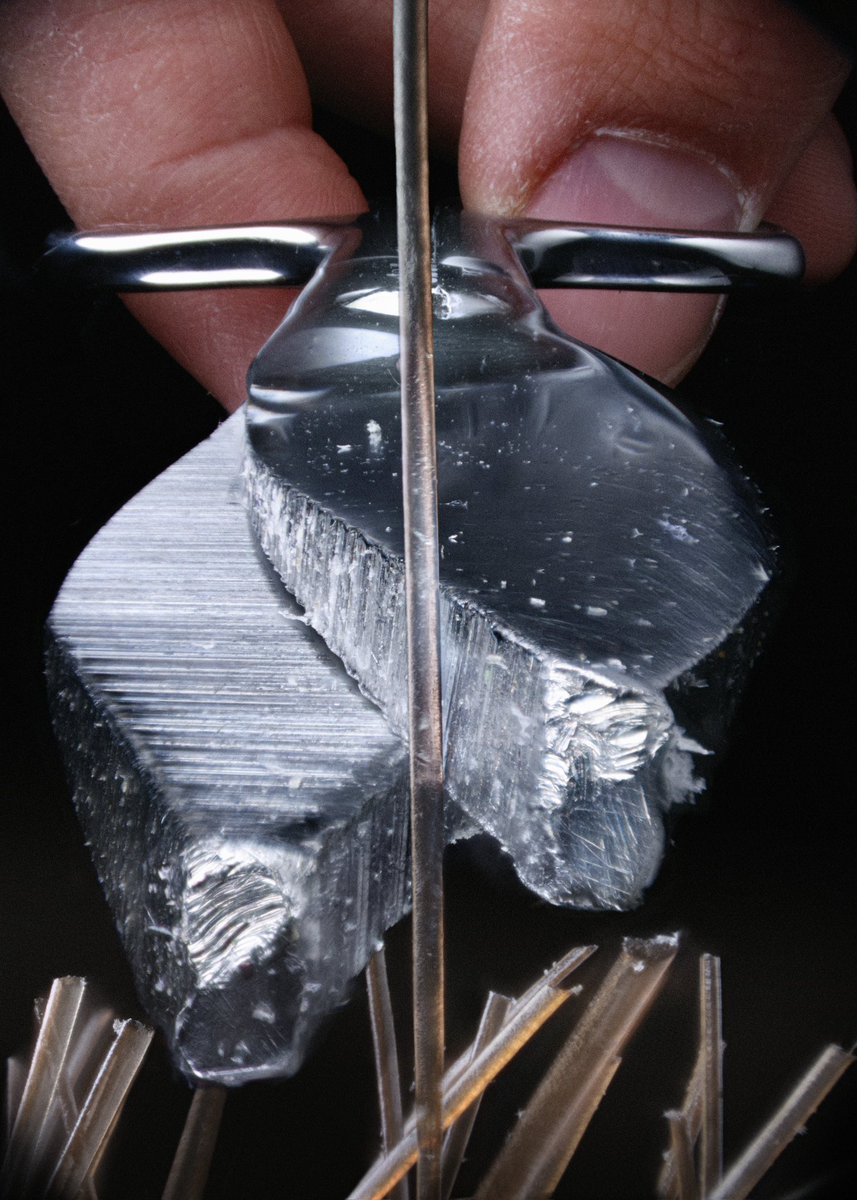
🥇Congratulations to Ole Bielfeldt for winning this year's #NikonSmallWorld competition with his image of a microscopic view of an inkjet printer depositing ink onto paper!
Read more about the creation of his image in his Masters of Microscopy article: https://t.co/Hfrp2tltZF
The day we've all been waiting for has finally arrived! Presenting: The official gallery of the 2026 #NikonSmallWorld competition. Congratulations to our winners, and thank you so much to everyone who entered.
See the full gallery here: https://t.co/1ljjs8loMK
Your printer hides a high-speed spectacle. A winning microscope photo freezes ink droplets in flight, revealing how letters take shape on a page. Take a closer look at this year’s Nikon Small World winners.
https://t.co/IjdfQ0qbJo
I know I'm not a renowned artist, nor am I represented by any gallery...
However, I've always dreamed of printing my work large! So I'll be trying to produce three ultra-high-resolution prints at 120 x 170 cm. Would anyone be interested in one or has advice for me?
Thanks so much for all the amazing feedback on my Macrozoom project! Lucky for y'all, I've been super busy these past years, so I've got more to share!
@Erics_Alter_Ego@monteywoolley@luci_memoriesai I didn’t intend on reinventing focus-stacking! The goal was to create a seamless transition between a wide-angle lens and a 50x magnification, without needing to switch lenses. As far as I know, this hasn’t been done before, mainly because there’s no real practical use for it.
@coreyward The main difference is maximum magnification. The probe lens reaches 2:1, which places it firmly in the macro range. My project aimed for a maximum magnification of around 50x, so the result is closer to a hybrid of a microscope and a wide-angle lens.