Thank you, OC Habitats, for the opportunity to contribute an article to your blog. In the article, I shared ideas about teaching through a local lens, utilizing the iNaturalist app to connect students to their local environments. https://t.co/JqC2lSMl8v @inaturalist@CEEIN4u
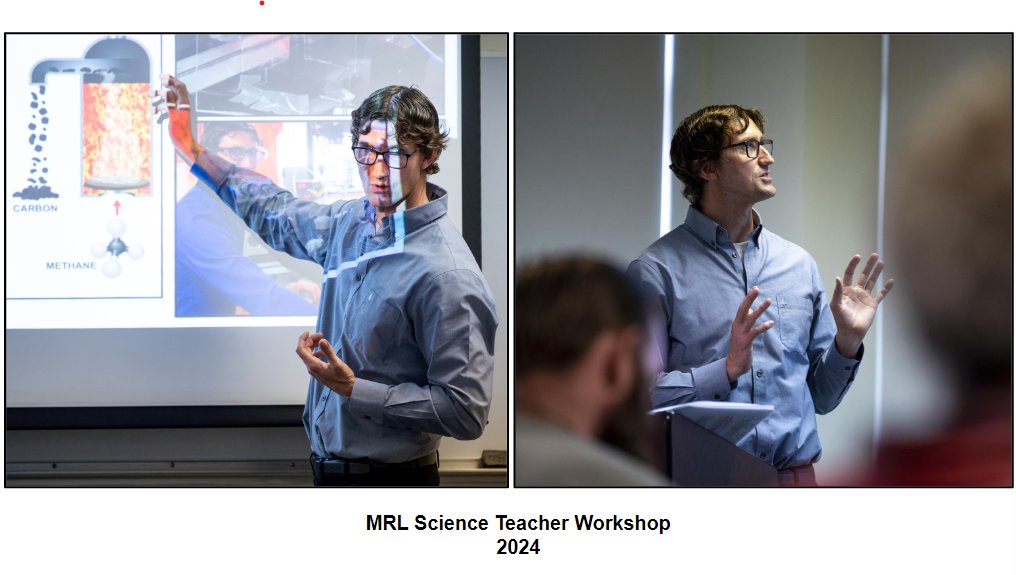
Last week, I presented my Research Experiences for Teachers curriculum project at UCSB's MRL science teacher workshop. This presentation completes my 3 year RET program. Grateful to my mentors for their time & support. More info here:https://t.co/ljg4glKk9O #teachers#stem#scied
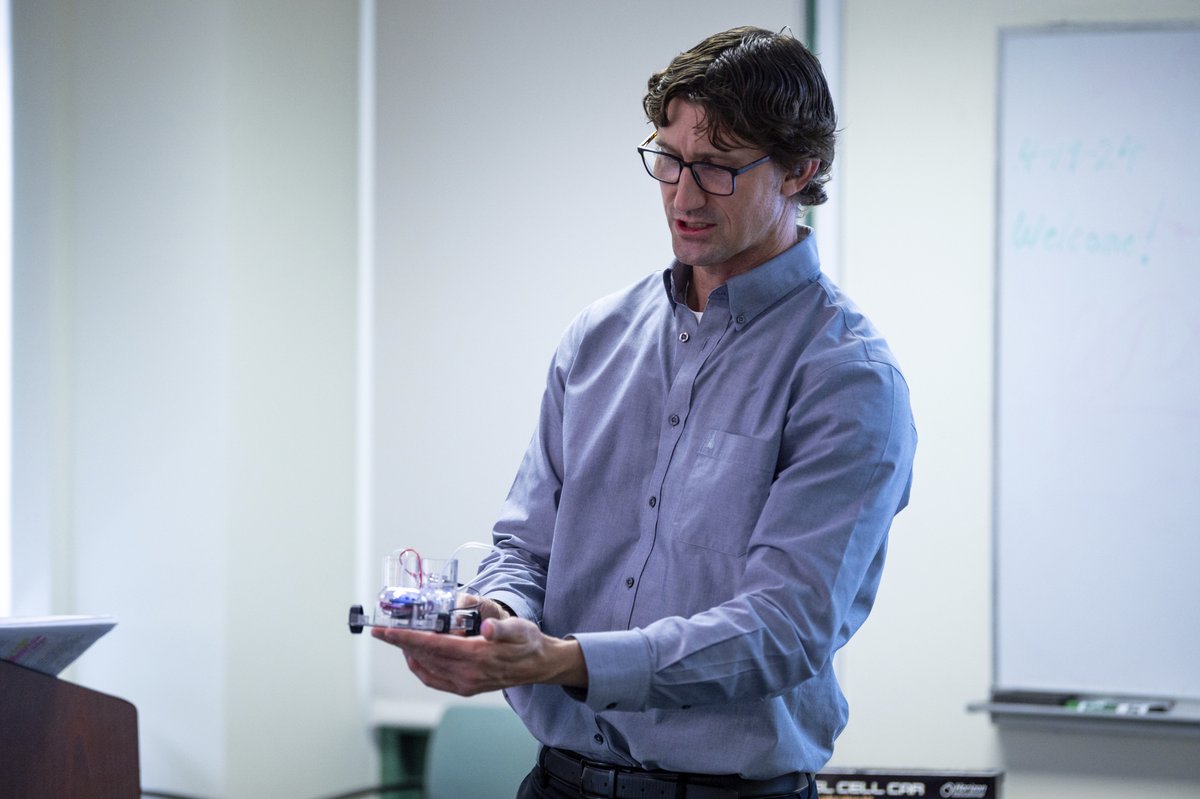
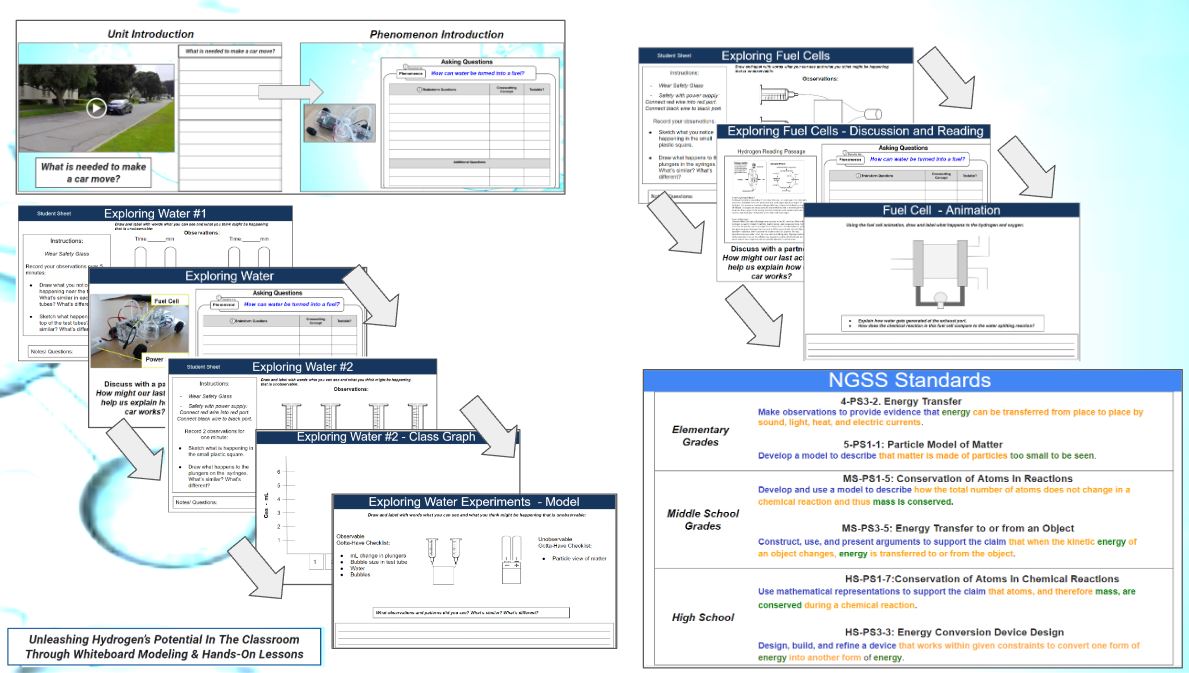
Research Experiences for Teachers project: "Unleashing Hydrogen's Potential in the Classroom" Throughout the unit, students engage in hands-on lessons w/ hydrogen fuel cell technology & use sense-making activities, such as modeling, to explain how water can be turned into a fuel.
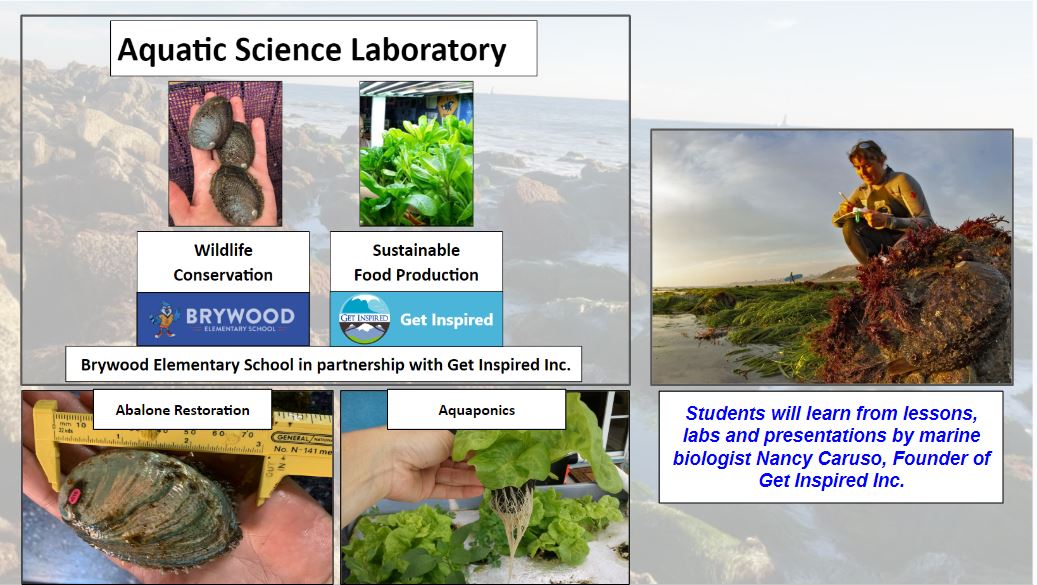
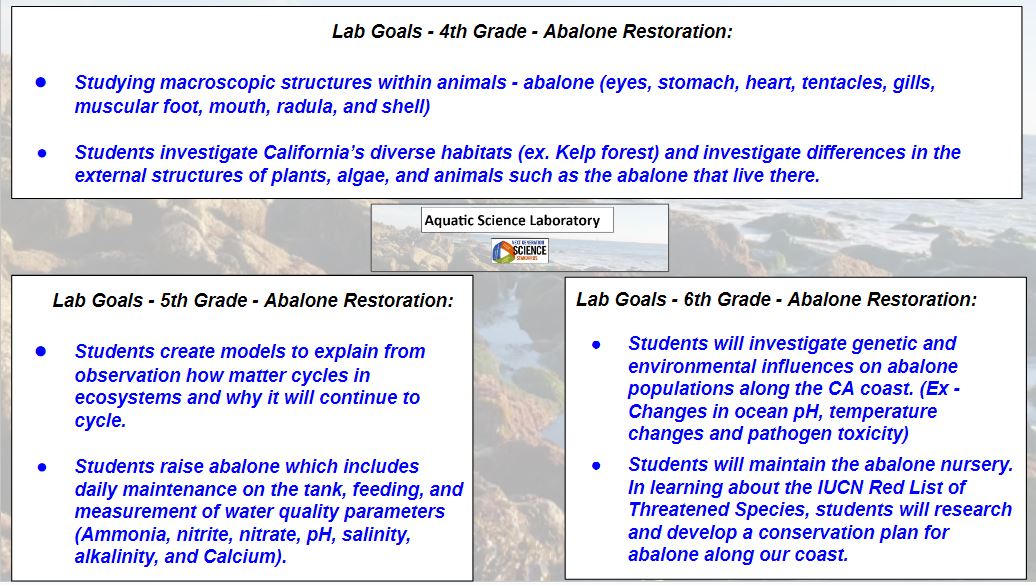
Grateful to bring ocean conservation & sustainable farming to Brywood Elementary School through a 3-year innovative grant from the Irvine Public Schools Foundation @IPSFinfo. We will partner with the local nonprofit Get Inspired Inc. @GetInspired8@cascience@TheCACoast#ngss
@krademaker#NGSSchat - Exploring tide pools & participating in @inaturalist projects - some footage of a few Spanish Shawl nudibranchs from this past year. Hopefully, finding more time to share these experiences & observations w/ students. (#NGSSchat A5) #exploring#wondering#connecting
@krademaker@AmerChemSociety - Elementary Science Simulations https://t.co/I9YCvi9Lx3 What is similar to your own investigation? What is different? A2 - #NGSSchat - Conducting / Carrying out investigations - 5th Grade
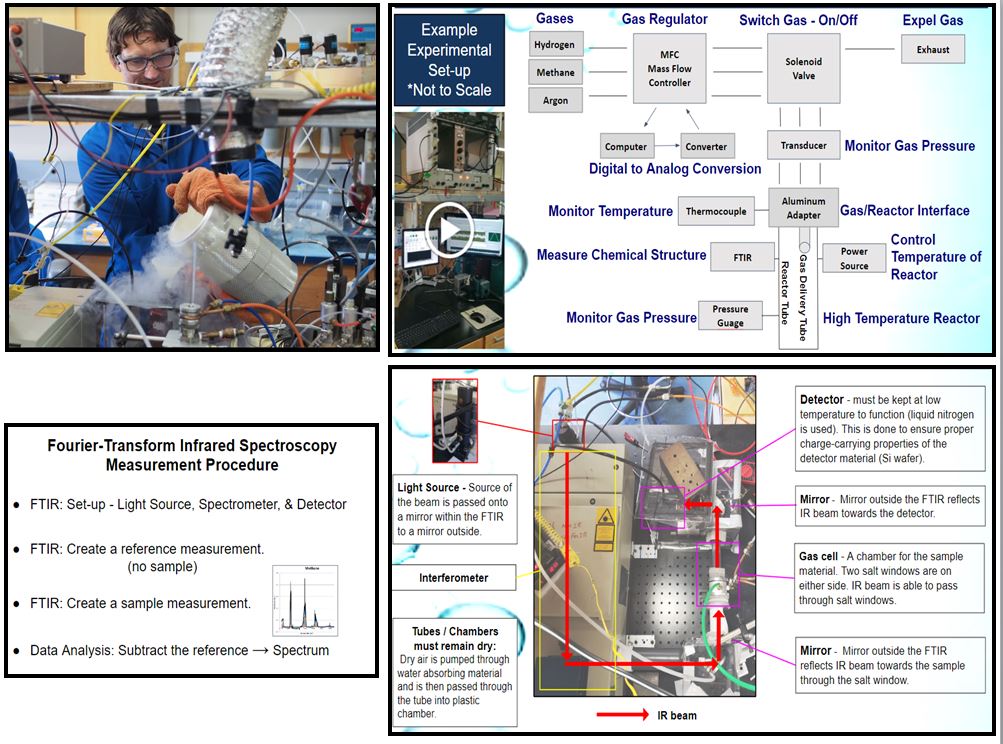
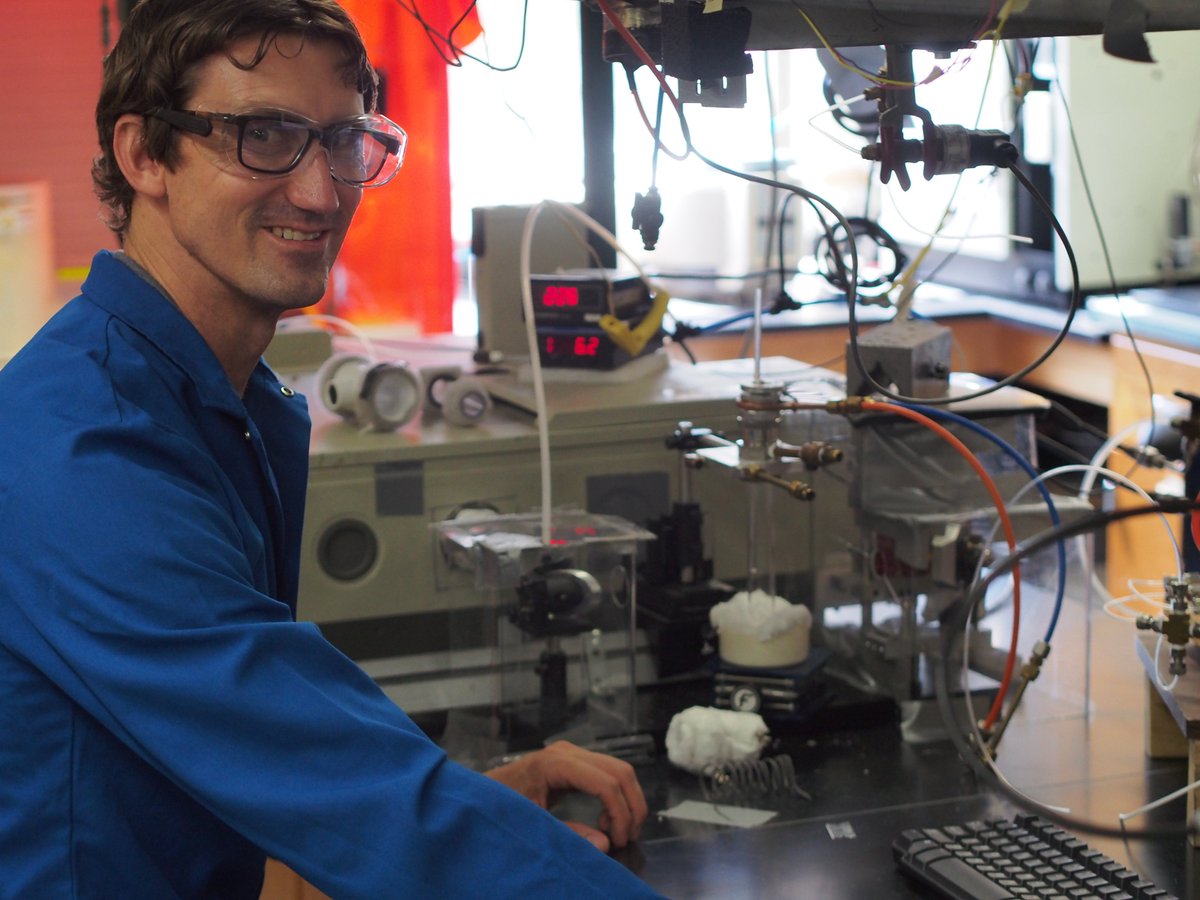
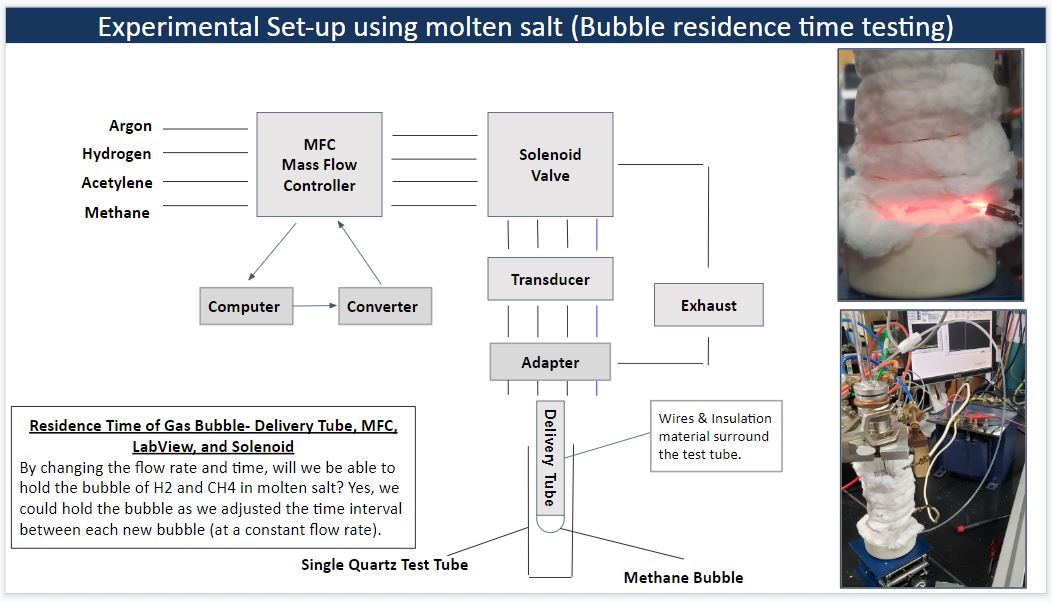
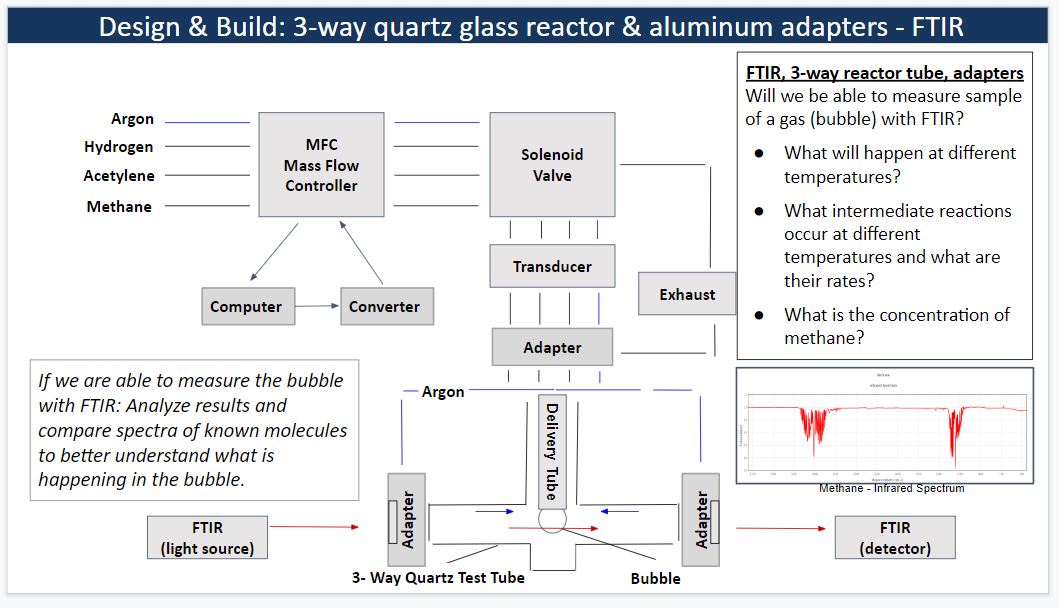
Research Experiences for Teachers at UC Santa Barbara - Weeks 3-4: Studying methane pyrolysis with different experiments. It is a technically challenging experience. FTIR is used to measure the amount/concentration of gaseous species (by-products) during methane pyrolysis.
Research Experiences for Teachers at UC Santa Barbara - Week 1 & 2: I learned the goals of my project, started to become familiar w/ lab equipment, gave presentations, & collected sample data. Using FTIR spectroscopy, we plan to learn about the chemical composition of the gas.
@kimmomteacher@BethPesnell 8 Ways to Pose Better Questions in Math Class - applies to K-6 and is "adapted from the NCTM publication Principles to Actions: Ensuring Mathematical Success for All" https://t.co/C9dEJ0Hn3J
@TdiShelton A2 - Structure lessons into a coherent sequence (storyline). Integrate our local spaces into learning. Provide opportunities for students to apply knowledge in more meaningful ways. #NGSSchat
@TedWillard2061 A1: Earlier investigations and evidence gathered was not simply done to complete a task or for a one & done lab. This work contributes to a body of evidence used to support & evaluate the strength of claims made. #NGSSchat