New Web3 Communication Talks 🎙️
@MagasJulia, co-founder of Magas PR, revealed what journalists actually look for in expert commentary, why many founder pitches get ignored & how AI has raised the bar for proving expertise.
🔗 Read the full conversation: https://t.co/IezSAHLAUW
New Web3 Communication Talks 🎙️
@MagasJulia, co-founder of Magas PR, revealed what journalists actually look for in expert commentary, why many founder pitches get ignored & how AI has raised the bar for proving expertise.
🔗 Read the full conversation: https://t.co/IezSAHLAUW
Worth keeping in mind at all times:
⛓️ Even if something happens to the blockchain, full node operators can roll back to the last secure block. The network will survive.
🏦 Do the dollar and banks have this option?
Since 1930, the market has always dropped in the first 3 months after the appointment of a new Fed chairman. Alan Greenspan had the worst 1st month in office — during the Black Monday of 1987, the Dow Jones dropped 22.6% in a single session. Will Kevin Warsh break this tradition?
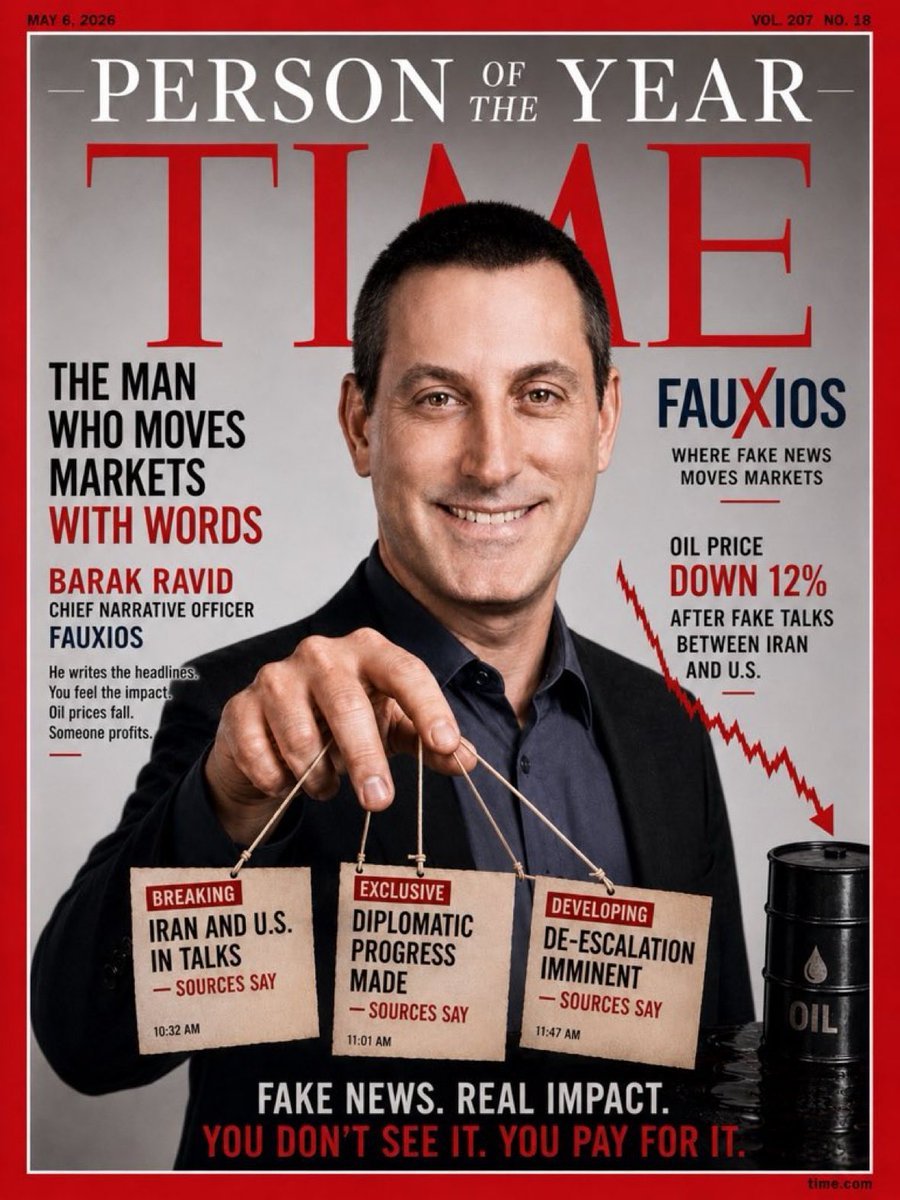
Reading the comments under #Axios journalists' tweets has become a new meme trend. On the eve of the opening of futures trading on Monday, Barak Ravid made another “insider post” claiming that #Iran had transmitted its response to the U.S. ceasefire proposal via Pakistan.
🚨 LATEST: BlackRock CEO Larry Fink says every currency, ETF, and asset will be digitized and tokenized with a global settlement layer connecting it all.
“We’re not talking about it enough. Most countries aren’t ready for what’s coming.”
The future of finance is tokenized 🚀
Dark stablecoins are likely to emerge in the future.
#Bitcoin was created by the cypherpunk community to be censorship-resistant and belongs to no one, making it impossible to control.
Stablecoins, however, act as a bridge between the internet and the real world, so they need someone to manage them. Companies like Tether and Circle have done this so far by holding cash reserves in banks. Governments, except when tackling money laundering, haven’t really interfered with stablecoins, which made them useful for various groups, like Chinese miners, as a safe place to store assets.
But that’s changing. Soon, any stablecoin issued by a country could face strict govt regulation, similar to traditional banks. Transfers might automatically trigger tax collection through smart contracts, and wallets could be frozen or require paperwork based on govt rules. People who used stablecoins for big international transfers might start looking for censorship-resistant dark stablecoins instead.
There are two ways dark stablecoins could be created:
1. Algorithmic stablecoins that aren’t controlled by governments.
2. Stablecoins issued by countries that don’t censor financial transactions.
One possible example could be a decentralized stablecoin that follows the price of regulated coins like USDC using data oracles like Chainlink. I haven’t seen a project like this yet, but if you know of one, let me know.
USDT itself used to be considered a censorship-resistant stablecoin. If Tether chooses not to comply with U.S. govt regulations under a future Trump administration, it could become a dark stablecoin in an increasingly censored internet economy.
I'm not sure if there are still long-term crypto investors out there, but I think dark stablecoin-related assets could have investment potential in the Internet capital markets. DYOR.
The BTC price remains stable as the election's results are about to be announced. However, the volatility may increase in the event of litigated results.
https://t.co/jbNG7vMBx1
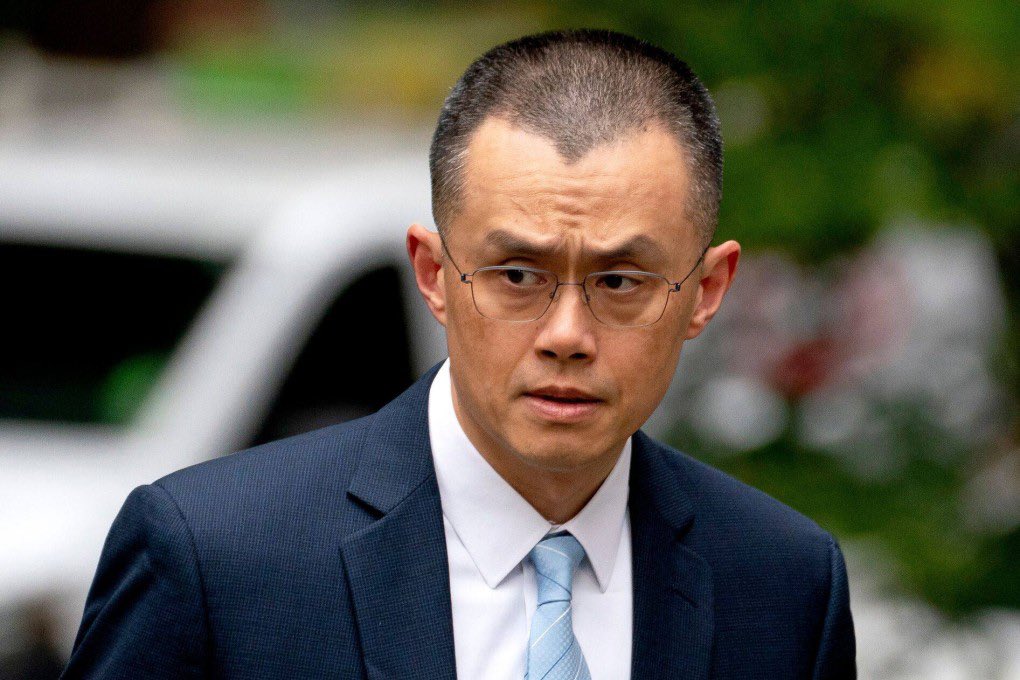
Not released, but rather replaced by another exchange leader — Caroline Ellison, who was sentenced two days ago. If not for that sentence, CZ might have spent more time in prison.
I share the optimistic outlook on the BTC mining market provided @GracyBitget in her Benzinga article. Big companies are smart enough to navigate any risks and volatility. Here are some thoughts on what are they doing for this: https://t.co/iRxNNSAxYo
Crypto investors are keeping a close eye on the emergence of the altcoin season, where the returns from low-cap coins often outweigh the higher risks, especially when diversifying an investment portfolio.
https://t.co/S8PnIyZjOm