Did you know SARS love to do things low-key...@Simon_Sithole20?
SARS in December 2025 quietly made it mandatory for both buyer and seller of property (local or foreigner) to have a valid income tax reference number in property transactions valued at R2 million or more.
Non-compliance = no transfer duty receipt.
Ref: Transfer Duty Declaration (TDC01)
Donate:
https://t.co/bbZqN7qjDo
#propertyrightsdefense
A SA techie who was woken by a spam call at 6am has built an app that lets users report and block spammers, and he named it exactly what everyone is thinking. FokOffMense, built by 30-year-old IT specialist Mathew Riddle, launched on Android devices in July and will be rolled out to Apple devices soon.
Read on https://t.co/2hdQLijHXr
#SouthAfrica #technology #innovation #SpamCalls #FokOffMense
Who would have thought?
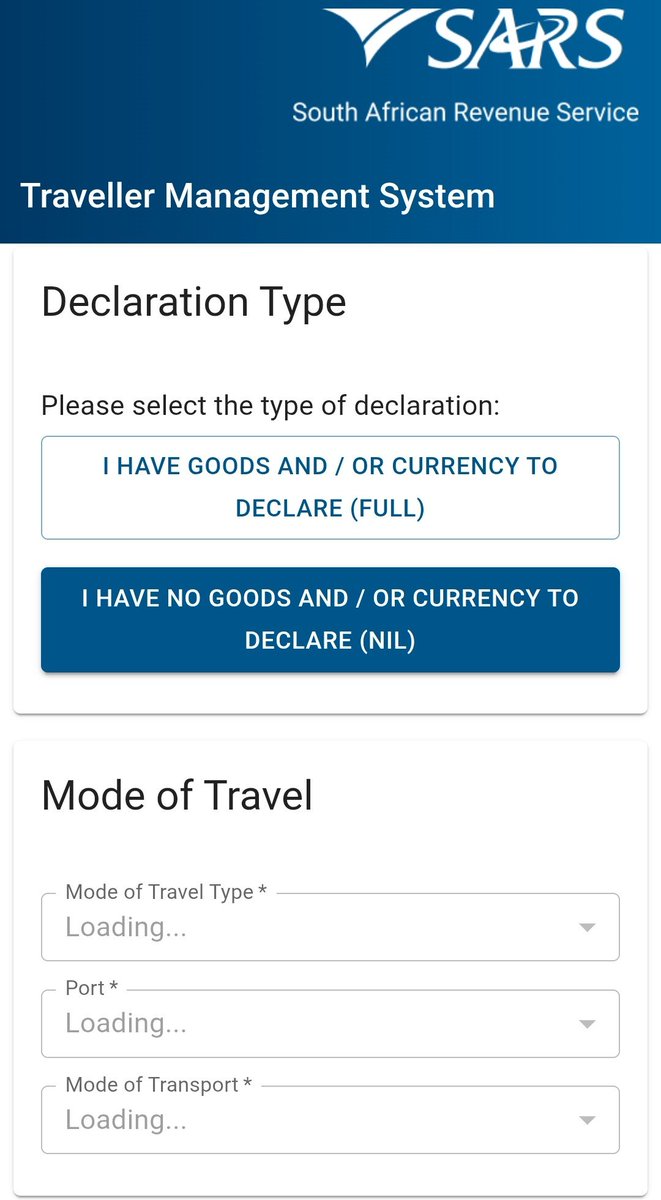
@sarstax's new mandatory online declaration for travellers leaving or arriving in SA is not working 🤣
All of the selectable fields are stuck saying 'loading.......'what an absolute fucking shitshow this one will be!
At your service 💩 🚮🚮🚮
🇪🇺 EUROPE JUST FOUND ANOTHER THING TO TAX
From today, every parcel under €150 from outside the EU carries a €3 charge, per item.
The label: "fairness" and "consumer protection."
The irony: this is the exact "protectionism" the EU attacked Trump for.
Same tariff, nicer branding.
The target:
Shein and Temu 5.9 billion parcels last year.
First the digital euro. Then cash limits. Now your online orders.
Different tool. Same direction.
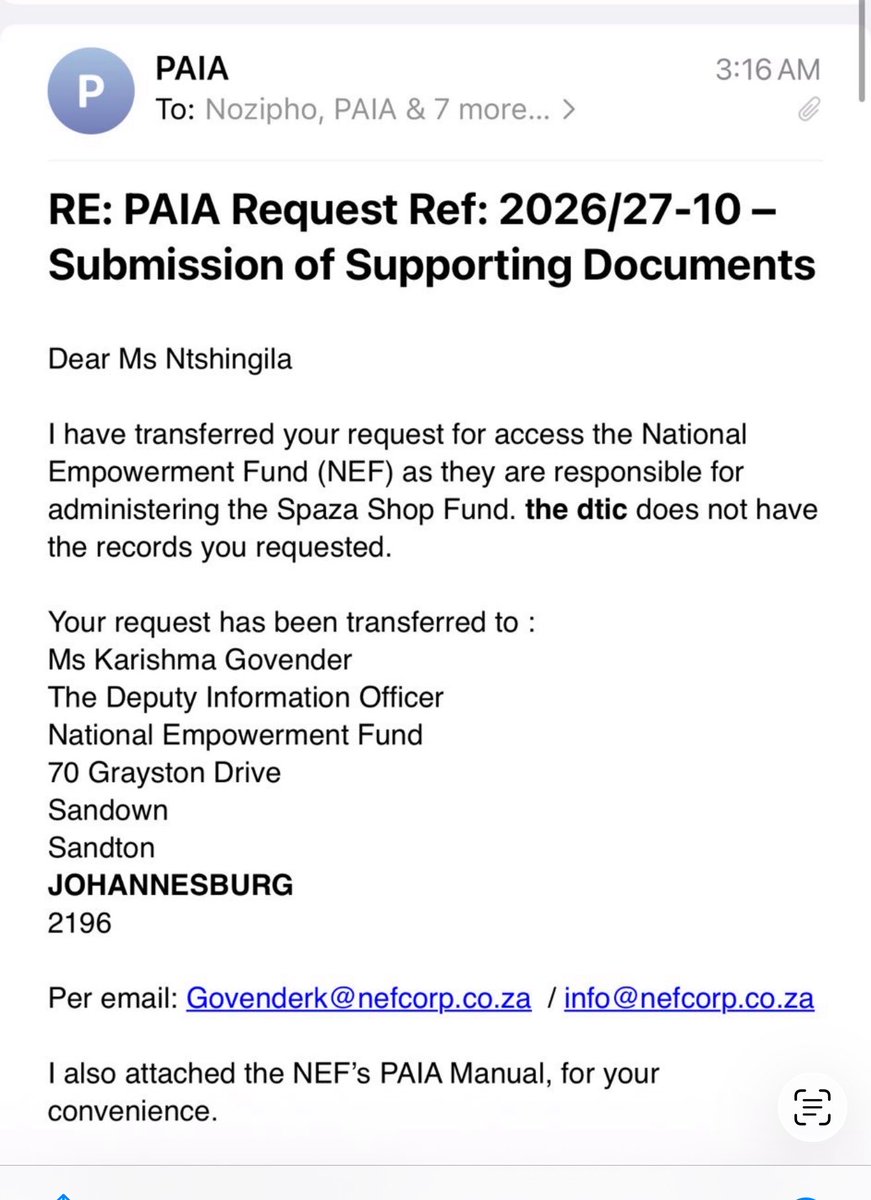
Hello guys we got the reply from @Stellarated department about R500m Spaza Fund PAIA Application .
We made an application to access the list of beneficiaries for the 500 million she got last year to fund the spaza shops . The Small Business Dept responded that they don't have the list as the Fund is administered by NEF. We are in the process of filing another application with NEF. The response from NEF shall determine our next course of action. Credits:@HrhMaNtshingila ❤️.
Re Property In Cape Town
As received
“Cape Town is losing buyers. And the data tells you exactly why.
The Western Cape's average property price in Q1 2026 was R3,357,917 - 72% higher than the national average of R1,951,230. Gauteng now accounts for 50.8% of all property transfers in the country. Buyers are making a choice and Cape Town is losing that argument on affordability.
But this isn't really a Cape Town vs Gauteng story. It's a numbers story. And the numbers don't lie.
The average South African take-home salary in May 2026 was R21,510 in nominal terms. After inflation, real earnings dropped to R20,262 - the lowest level in two years. Nominal salaries grew by just 1.7% while inflation kept eating into what people actually take home.
To qualify for a bond on a R2.5 million property in the Northern Suburbs - not Sea Point, not Camps Bay, not Clifton - just a decent 3-bedroom family home in Kraaifontein, Edgemead, Durbanville or Bellville - you need a household income of roughly R55,000 to R60,000 a month. Net. For a suburb that sits in a 40km radius from the CBD. For a home that, ten years ago, was considered comfortably middle-class territory.
The SARB raised the repo rate by 25 basis points in May 2026. Prime is now at 10.5%. That reversal alone adds hundreds of rands to monthly bond repayments at a time when salaries are going backwards in real terms.
And for those who can't buy? Renting isn't the safe fallback it used to be. Cape Town has 26,877 active Airbnb listings. Every property that goes short-term is one less long-term rental on the market. Landlords know this. Rental prices are being pushed up month after month. And with credit bureaus tightening tenant screening, a single missed payment years ago can lock you out of the rental market entirely.
This is the reality for ordinary working people in the Northern Suburbs right now. Not the CBD. Not the Atlantic Seaboard. The suburbs within a 40km radius of the city - where people actually live, raise families, send their kids to good schools and build communities over decades.
Land is being acquired. Developments are going up. The idea of building a city within a city - dense, mixed-use, premium - is creeping outward from the CBD into what were once genuinely affordable nodes. And as that happens, the people who built those communities are being priced out of them. Not just first-time buyers. Parents whose children have left home, who don't want to leave the suburb they've lived in for 30 years, but who can no longer afford to stay. People who planned their retirement around the value of their home, not the cost of remaining in it.
We all know Cape Town works. The city delivers on services and infrastructure in a way that most South African metros simply don't. That's not up for debate. But that very success has become a trap - because it has made Cape Town desirable to the world and in doing so, has made it unaffordable to the people who actually built it.
Who is to blame? That's a complicated answer. But the question of how it gets resolved is more urgent than ever.
Because a city that prices out its own residents - its teachers, its nurses, its tradespeople, its retirees - isn't a city that's winning. It's a city that's hollowing out from the inside.”
Is this what USAID funded with American taxpayer money flowing into South Africa?
ISIS crisis?
R6 BILLION funneled from local spaza shops straight to African terrorists financing the Mozambican insurgency. Payment systems meant for honest remittances from South Africa suddenly lit up with massive suspicious transactions. ISIS sympathisers and terror cells in South Africa using crime, smuggling, kidnapping, and informal businesses to bankroll jihadists, with maps showing cash flows, gold, and remittances hitting Mozambique hotspots.
This is the reality of South Africa under ANC rule; a breeding ground and funding hub for terrorism.
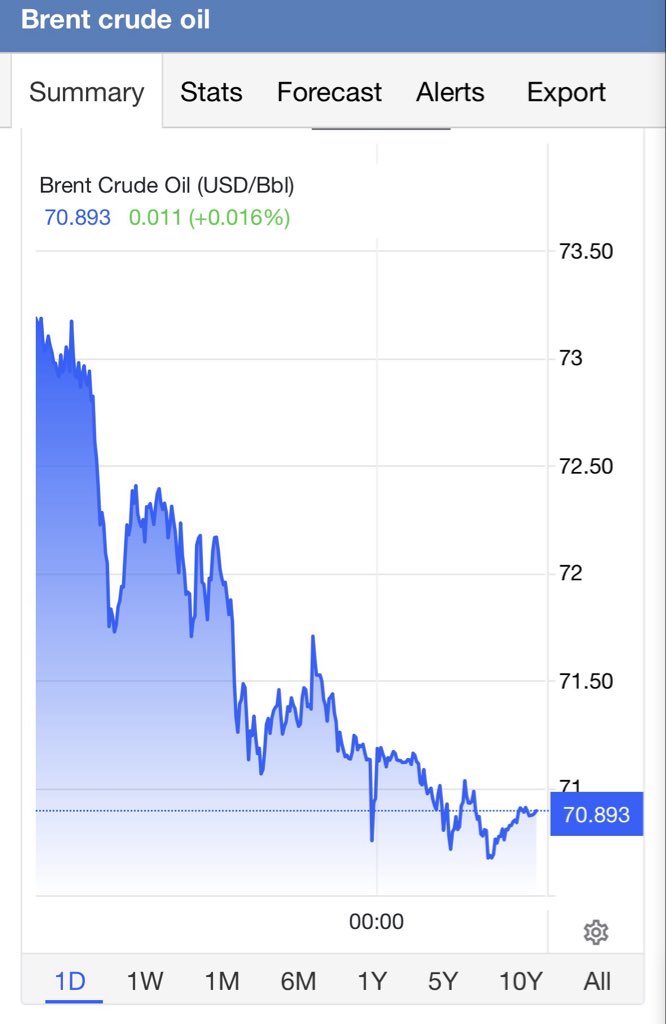
The price of Brent crude oil per barrel is likely to fall below 70 dollars per barrel today. A month ago it was almost 100 dollars. Before the end of July, the price could fall to between 60 and 65 dollars. This means that fuel prices worldwide will fall sharply and that the global economy could experience a very good second half of 2026 with lower inflation and higher growth.
Since 2013, the Khaya Lam land reform project has completed the transfer of more than 24,000 title deeds to underprivileged South Africans.
https://t.co/y12AQTIHS7
In most parts of Africa, there's an absolute masterclass of cognitive decay.
A political mafia can run down the entire national grid, turn hospitals into mortuaries, and reduce the education system to ashes, yet comfortably win an election by simply shouting slogans from 1980s.
It is deep, embarrassing, systemic shallow mindedness.
When you underfund schools, you aren't just saving budget money. You are breeding the perfect, uncritical voter base.
You make people so desperate for daily bread that they view a meal kit from a politician as a divine blessing rather than a bribe funded by their own stolen lithium and gold reserves.
Billions are looted from mines every single year. The infrastructure is rotten to the core. But as long as they can pull out the "we fought for you" card every five years, the looting machine keeps spinning.
That's peak African governance failure, and it's utterly embarrassing.
Cybersecurity experts warn South Africans online to change their passwords after a 24 billion record 8TB data leak was discovered recently.
https://t.co/ifOsazODXL
Friendly reminder that Treasury introduced the sugar tax hoping to increase tax revenues.
In response Coca Cola South Africa quickly changed their formula, reduced the standard can size, and instructed their packagers to use a cheaper tin alloy for their cans at the same time.
Within months, Treasury would never see their projected gains from the sugar tax. To protect and increase revenues, Coca Cola then launched the Cappy brand in South Africa - a product with no added sugars.
I was 28 years old at the time, arguing with government-contracted management consultants who thought they’re smarter than me that the sugar tax was doomed to fail because unlike government, the private sector would quickly respond - and they did, in record time.