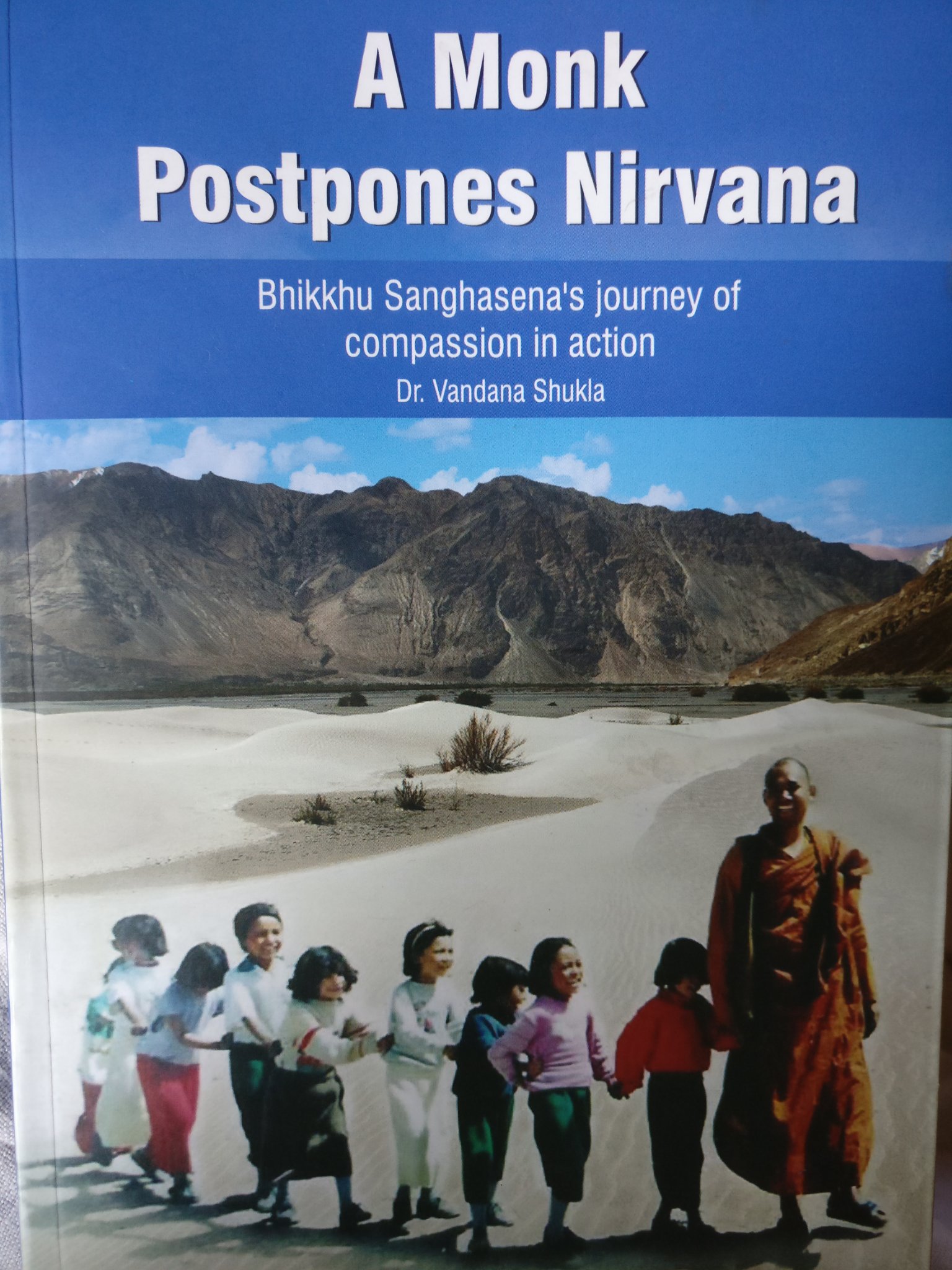
writer. poet. journo. ex timesofindia, ex tribuneindia. chronicler of art/music. official biographer of bikkhu @sanghasena. currently writing a book on kashmir
@DeepikaBhardwaj@GulshanPahujaJR My nanaji died fighting for removal of unlawful enchantments on his residence. If he paid bribe to some policemen perhaps the case would be solved. He fought for 45 years.
क्या मूर्ति बनाया भोले बाबा की ,
क्या अद्भुत काम किया है,
कुदरत जिसको भी देती है भरपूर देती है,
लेकिन जिस लेती है भरपूर खींच लेती है।
धन्य हैं आप जी
#_एक_लाइक_तो_बनाता_है_बाबा_के_लिए
A disturbing reminder from history—one that many would prefer to ignore.
In the 'Civil and Military Gazette', dated May 30, 1934, a chilling report from Simla lays bare a case that feels uncomfortably familiar even today.
The headline read: “Abducted Girl’s Story — Refusal to Embrace Islam.”
According to the report:
“After a tiff with her brother’s wife she went down a hill… Two Muslim washermen… caught hold of the girl and shut her up in a cellar.”
What followed was even more harrowing:
“The same night… they took her to a jungle… till 4 a.m., almost unconscious… She was taken… to a house past the Lakkar Bazar, where she vehemently objected to a proposal that she should embrace Islam.”
This was not a case of strength against strength. This was a vulnerable, emotionally shattered girl—alone, distressed, and seeking momentary human sympathy. Yet, instead of protection, she became prey.
The report further notes:
“…being moved at night between the jungle and several houses until she was found in a heap of hay by some Hindus.”
And significantly:
“The two Muslim washermen were arrested…”
During the investigation, a Muslim woman and a Muslim employee of a local printing press were also questioned by the police.
This episode, nearly a century old, raises an uncomfortable question—was this merely an isolated crime, or does it point to something deeper that we have yet to fully understand?
History does not always shout. Sometimes, it whispers through forgotten columns of old newspapers.
The question is: are we listening?
@sgurumurthy