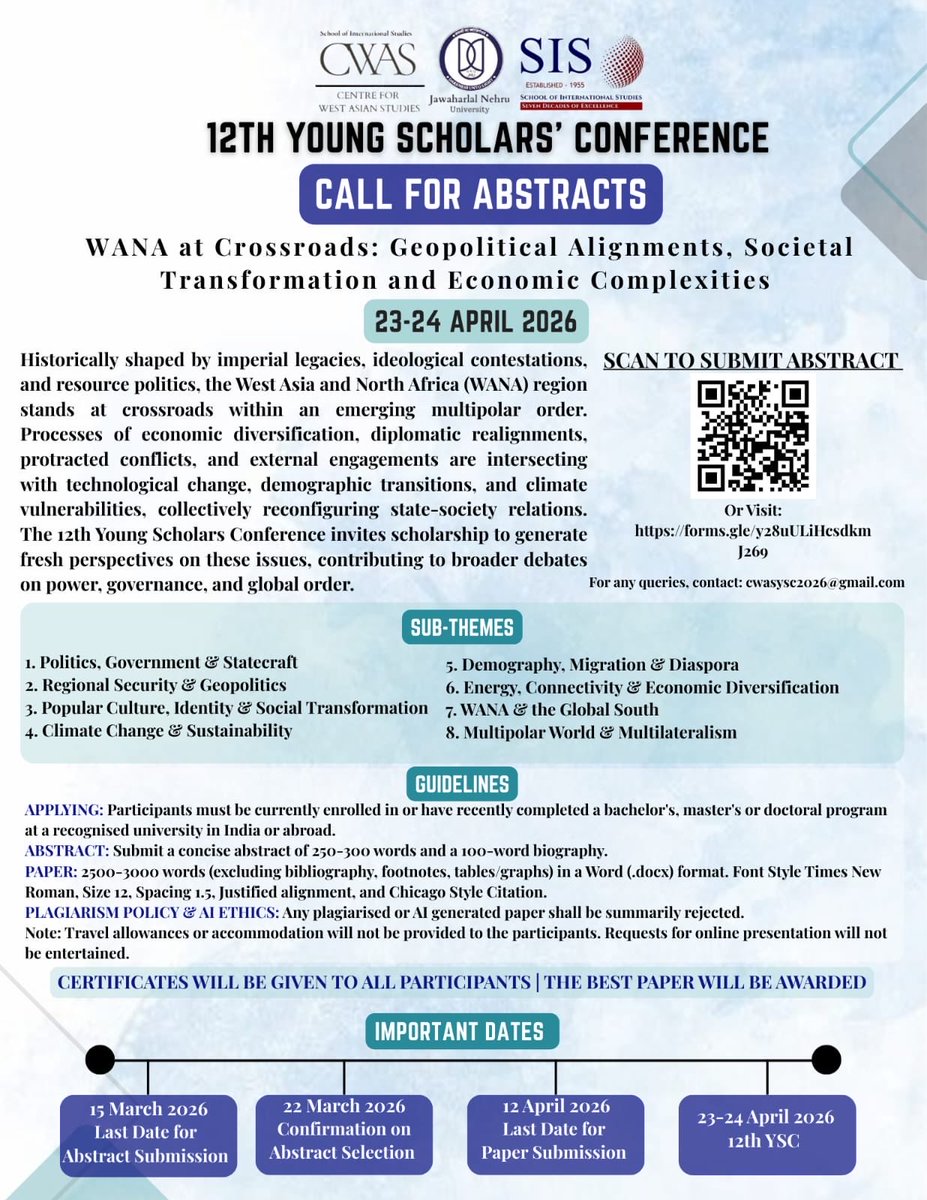
Call for Abstracts!
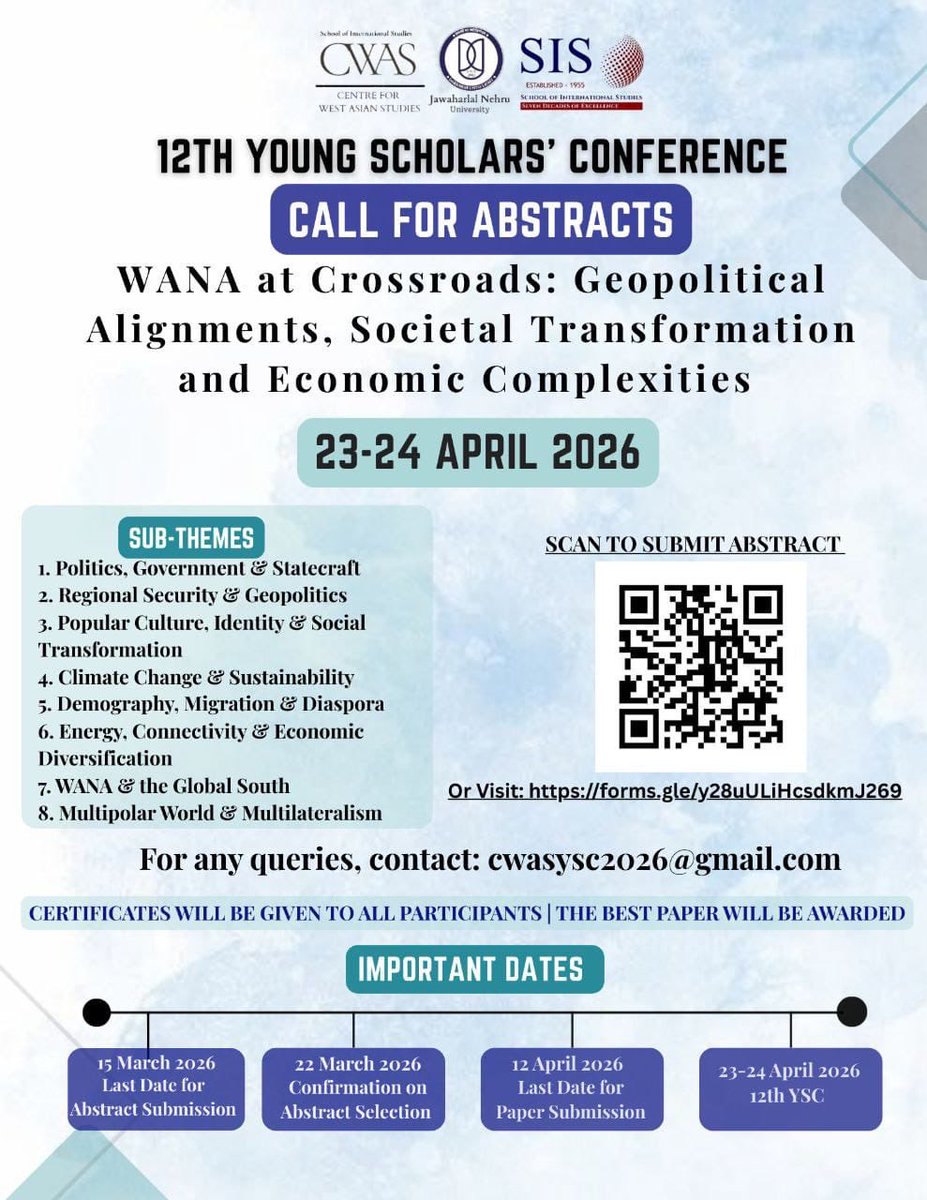
We are pleased to announce the 12th Young Scholars’ Conference (YSC) organised by the Centre for West Asian Studies (CWAS), School of International Studies, Jawaharlal Nehru University.
A thread 🧵
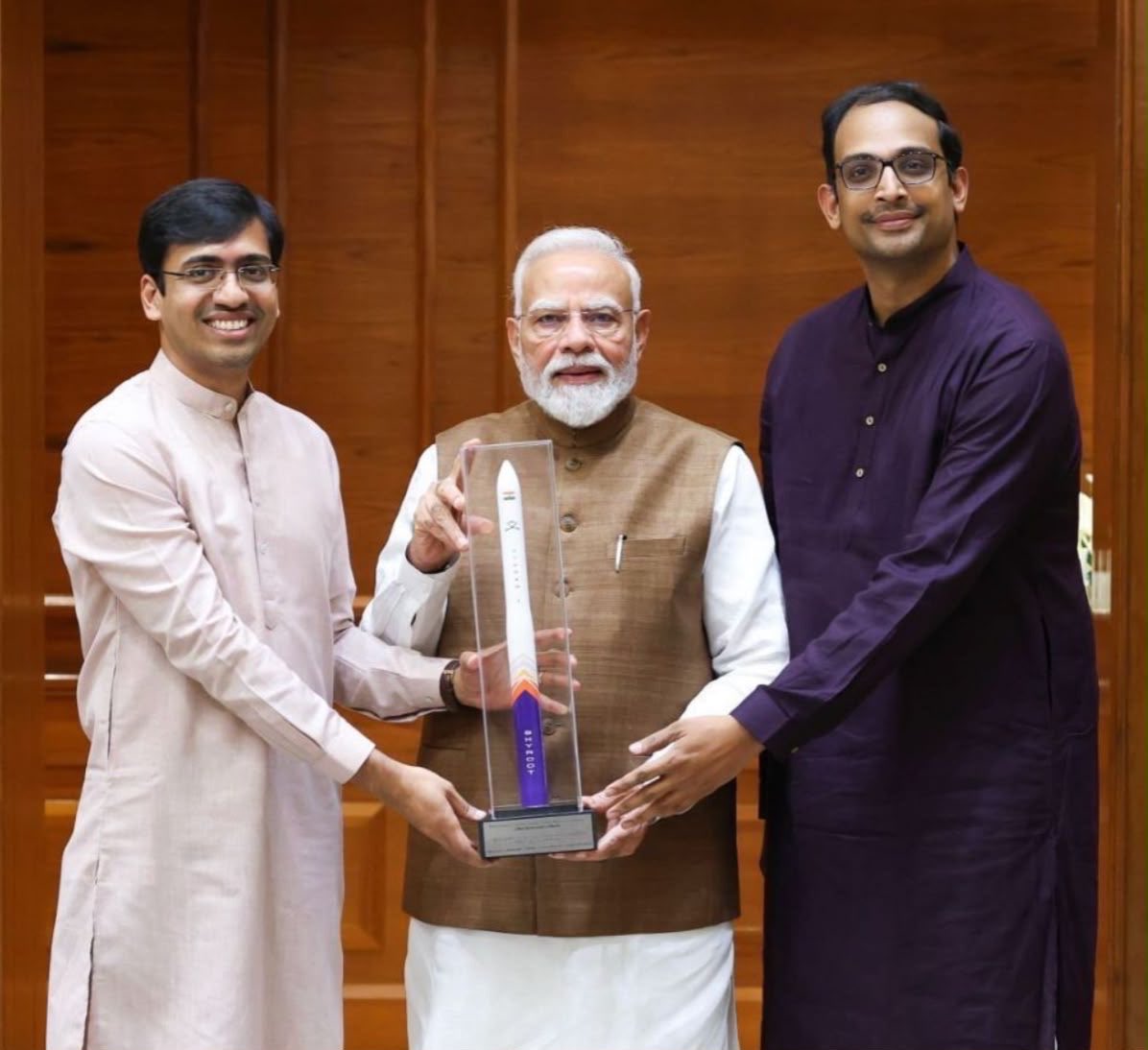
In 2018, a cold LinkedIn message landed in Mukesh Bansal's inbox.
Two engineers from ISRO. They wanted to build a private rocket company in India.
At the time there was no space policy, no IN-SPACe, no legal pathway for a private orbital launch.
He replied. They flew to Bangalore that weekend. He wrote ₹10 crore, and stayed Skyroot's only investor for two years. When COVID nearly killed the company, he put in ₹2 crore more.
On 18 July 2026, Vikram-1 reached orbit on its first attempt - the first privately built Indian rocket to do it, and the moment India became the third country in the world with private orbital launch capability.
₹12 crore, backed eight years before the policy caught up.
Watched this insightful conversation on @kaankit Sir’s YouTube channel.
Professor Jajati Pattnaik (Chairperson CWAS,JNU) beautifully explained the evolving global order, China’s role in global politics, the China–USA rivalry and trade war, the competition over trade routes, recent conflicts in West Asia, and India’s role in the emerging US–China power struggle.
Thanks, Professor Pattnaik, for sharing such valuable insights and perspectives.
It is a commendable initiative by Ankit Sir to invite subject experts and simplify complex global political developments for a wider audience.
I would highly recommend everyone to watch this conversation. 👍
You can now enable Claude to use your computer to complete tasks.
It opens your apps, navigates your browser, fills in spreadsheets—anything you'd do sitting at your desk.
Research preview in Claude Cowork and Claude Code, macOS only.
Why No Direct Retaliation from Gulf Countries Against Iran?
Gulf countries are hesitant to directly attack Iran primarily because of regime survival concerns.
If they openly confront Iran, the conflict could quickly be framed as Gulf monarchies aligning with Zionist or Western powers against a country that portrays itself as defending Islam, Palestine, and Gaza. This narrative is powerful and could resonate strongly among their domestic populations.
Such a perception may trigger internal dissent, protests, or political instability—something Gulf regimes are particularly sensitive to. As rentier states with limited political participation, their stability depends heavily on maintaining public acceptance and avoiding ideological backlash.
In fact, Iran’s positioning on issues like Palestine can sometimes generate more emotional appeal among sections of the Gulf population than their own government’s policies.
Because of this, Gulf countries find themselves in a strategic dilemma: responding forcefully to Iran risks not just external escalation, but also internal challenges to their legitimacy.
The Abraham Accords and the Changing Power Politics of West Asia
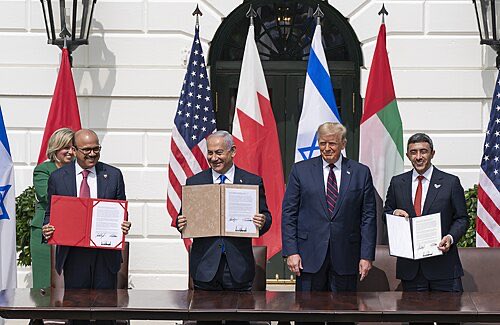
The current conflict involving the United States, Israel, and Iran cannot be fully understood without examining the geopolitical transformation that began with the Abraham Accords. These agreements significantly reshaped alliances in West Asia and contributed to a new strategic rivalry in the region.
Early Arab Recognition of Israel
For decades after the creation of Israel in 1948, most Arab countries refused to formally recognize the Israeli state. Only two Arab countries had established diplomatic relations with Israel before the Abraham Accords.
Egypt became the first Arab country to recognize Israel, signing the Egypt–Israel Peace Treaty on 26 March 1979 following the Camp David Accords.
Later, Jordan normalized relations with Israel through the Israel–Jordan Peace Treaty on 26 October 1994.
For nearly three decades after Jordan’s agreement, the diplomatic landscape in the Arab world remained largely unchanged.
The Abraham Accords: A Strategic Shift (2020)
A major turning point came in 2020 with the signing of the Abraham Accords. Under this framework, several Arab countries normalized relations with Israel. Among the most prominent signatories were the United Arab Emirates and Bahrain.
The agreements were widely celebrated as a historic diplomatic breakthrough. Supporters argued that increased economic cooperation, technology partnerships, and security coordination between Israel and Gulf countries would bring stability and prosperity to the region.
However, the accords also had deeper geopolitical implications.
Iran viewed the agreements as a US–Israel–Gulf alignment that threatened its regional influence.
Expanding Normalization and Regional Tensions
Following the accords, discussions reportedly began between Israel and other Arab states regarding normalization. Among them, Saudi Arabia was widely believed to be close to joining the normalization process.
However, the trajectory changed dramatically after the October 2023 attack on Israel by Hamas. Many analysts believe the escalation disrupted the momentum toward further normalization between Israel and Arab states.
More recently, political changes in Syria have revived discussions around the Abraham Accords. After the fall of Bashar al‑Assad’s government, reports indicate that the new leadership under Ahmed al‑Sharaa may consider engaging with the normalization framework, though the situation remains uncertain.
The Current Conflict and Gulf Vulnerability
In the current confrontation involving Iran and the US–Israel alliance, the Gulf region has become one of the most vulnerable theatres of conflict.
Among all countries affected, the UAE appears to have experienced the most direct pressure. According to the country’s defence ministry, more than 1,700 missiles and drones have been launched toward the UAE since the conflict began, although more than 90 percent were intercepted by air defence systems, fighter jets, and helicopters.
In some cases, projectiles have landed near major civilian locations. Images of fires near international hotels in Dubai or within the grounds of Dubai International Airport quickly captured global attention. While there were no casualties in these incidents, the psychological and economic impact has been significant, particularly in a country that hosts millions of expatriates and tourists.
Economic Interdependence with Iran
Despite geopolitical tensions, the United Arab Emirates remains one of the largest trading partners of Iran, second only to China. Bilateral trade reached about $28 billion in 2024,continuing to grow even amid strict United States sanctions on Iran.
In this sense,The Abraham Accords did not directly cause the conflict but significantly reshaped alliances and intensified the geopolitical rivalry in West Asia.
If you’re planning to present your research paper, make sure to submit your abstract before the deadline.
🔗 *Submission link:* https://t.co/aEXIZTx1yA
🔗*Detailed conference guidelines*: https://t.co/Fb8RqYsJv9
SFC Committee, (CWAS, JNU)
⏳ Last Date Reminder
The last date to submit abstracts for the 12th Young Scholars’ Conference organized by Centre for West Asian Studies, Jawaharlal Nehru University is 15 March 2026.
Link 👇👇……….
JNU Alumnus and former ambassador of India to the United States, Shri Taranjit Singh Sandhu has been appointed as the new Lieutenant Governor of Delhi.
JNU Vice Chancellor Prof Santishree Dhulipudi Pandit and her administration congratulate Shri Taranjit Singh Sandhu on assuming the new role.
@SandhuTaranjitS@LtGovDelhi@rashtrapatibhvn
Confused diplomacy, confused foreign policy.
It took an unusually long time for India to react or establish communication with a friendly country. This delay raises an important question: was India waiting for a possible regime change before rebuilding engagement with Iran?
Why was there such hesitation in responding to the evolving situation in Iran?
The current government has already made several miscalculations in managing neighbourhood diplomacy. During Operation Sindoor, it became evident what kind of diplomatic influence and support India currently commands globally. Meanwhile, Pakistan appeared more effective in shaping the narrative in its favour.
India needs a clearer, more consistent, and more influential foreign policy if it wants to protect its strategic interests and maintain credibility on the global stage.
Before the outbreak of this conflict, India was widely seen as the voice of the Global South. It traditionally maintained a neutral position on such crises—often condemning actions from both sides while consistently calling for peace and stability.
But what changed suddenly? Why does India now appear to be leaning towards one side?
This is a risky diplomatic game. Such a shift rarely happens without strategic calculations. There must be strong geopolitical reasoning behind this apparent paradigm shift.
It is likely being done in the interest of India’s national priorities.
Only time will reveal whether this decision was a strategic masterstroke or a diplomatic miscalculation. Let’s see.
🚨 Major Israel–Arab Wars and Conflicts:
✅ 1948 Arab–Israeli War
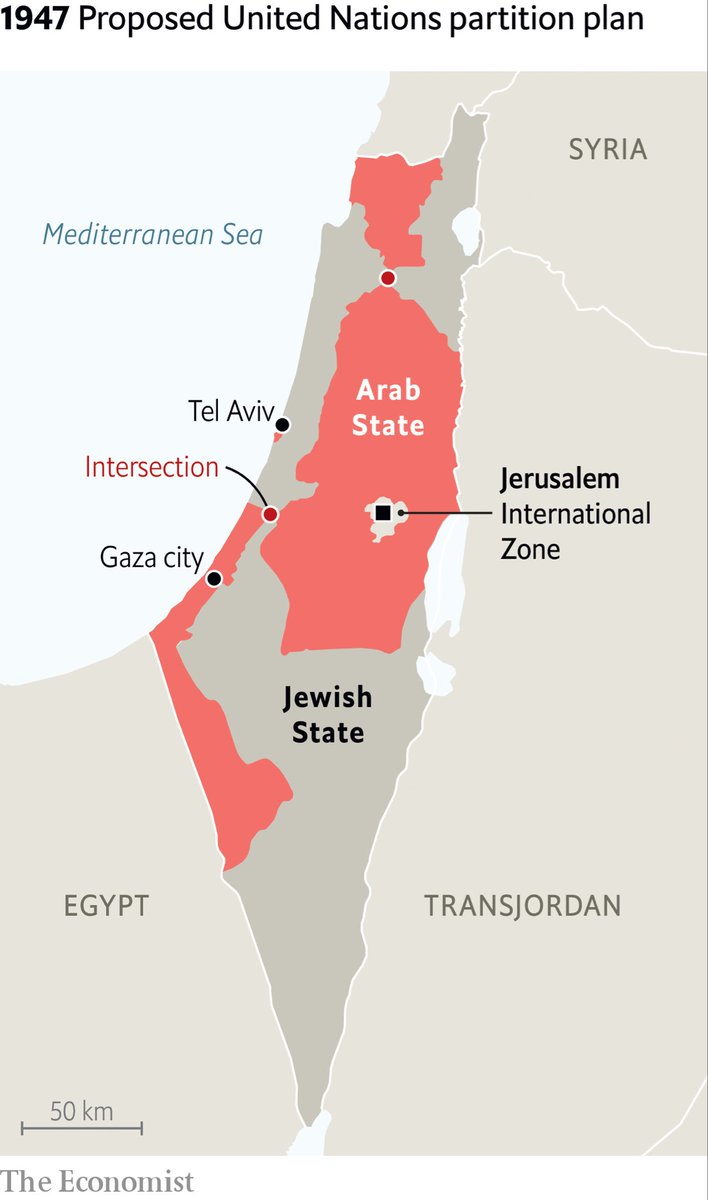
After the United Nations proposed partitioning Palestine into Jewish and Arab states in 1947, Jewish leaders declared the creation of Israel in May 1948. Soon after, neighboring Arab countries — Egypt, Jordan, Syria, Iraq, and Lebanon — launched military attacks against the new state. The war ended in 1949 with Israel controlling more territory than originally allocated by the UN plan. Around 700,000 Palestinians were displaced during the war, an event known among Palestinians as the Nakba (catastrophe).
✅ 1956 Suez Crisis
In 1956, Egypt under Gamal Abdel Nasser nationalized the Suez Canal, which had previously been controlled by British and French interests. Israel, along with Britain and France, launched a coordinated military campaign against Egypt. Israeli forces quickly captured the Sinai Peninsula. However, strong diplomatic pressure from the United States and the Soviet Union forced the invading forces to withdraw, and the Sinai returned to Egyptian control.
✅ 1967 Six-Day War
In June 1967, tensions between Israel and neighboring Arab states escalated dramatically. Israel launched a preemptive strike against Egypt, followed by fighting with Jordan and Syria. Within six days, Israel achieved a decisive victory and captured several strategic territories: the Sinai Peninsula and Gaza Strip from Egypt, the West Bank and East Jerusalem from Jordan, and the Golan Heights from Syria. This war dramatically changed the map of the region and placed Jerusalem’s major holy sites under Israeli control.
✅ 1973 Yom Kippur War
On the Jewish holy day of Yom Kippur in October 1973, Egypt and Syria launched a surprise attack on Israel to regain territories lost in 1967. Egyptian forces crossed the Suez Canal while Syrian troops attacked the Golan Heights. Although Israel initially suffered heavy losses, it eventually pushed back both armies. The war ended with a ceasefire brokered by international powers. It later led to diplomatic negotiations, including the 1978 Camp David Accords and peace between Egypt and Israel.
✅ 1982 Lebanon War
Israel launched a large-scale invasion of Lebanon in 1982. The goal was to remove the Palestine Liberation Organization (PLO), which had been launching attacks against Israel from southern Lebanon. Israeli forces reached Beirut, and the PLO leadership was forced to leave Lebanon. However, the conflict also contributed to the rise of Hezbollah, a Shia militant group backed by Iran that later became a major opponent of Israel.
✅ 2006 Israel–Hezbollah War
In 2006, Hezbollah fighters captured two Israeli soldiers along the Israel–Lebanon border. Israel responded with extensive airstrikes and a ground invasion into southern Lebanon. Hezbollah launched thousands of rockets into northern Israel during the conflict. The war lasted about 34 days and caused heavy damage on both sides before a UN-brokered ceasefire ended the fighting.
✅ Israel–Hamas Conflict in Gaza
Several wars have taken place between Israel and Hamas, which controls the Gaza Strip. Major conflicts occurred in 2008–09, 2012, 2014, and most dramatically in 2023 after Hamas launched a large attack inside Israel. Israel responded with extensive military operations in Gaza. These conflicts have involved rocket attacks, airstrikes, and ground operations and have caused significant civilian casualties and humanitarian crises.
✅ Twelve Days war in June 2025
The Twelve-Day War (June 13–24, 2025) was a massive direct conflict that saw Israel and the U.S. launch thousands of strikes against Iranian nuclear and military infrastructure. Triggered by Iranian nuclear violations, Israel’s Operation Rising Lion killed top IRGC leaders and crippled air defenses, while Iran retaliated with nearly 2,000 missiles and drones targeting Israeli cities like Haifa and Tel Aviv.
🚨Abrahamic Religions and the Geopolitical Roots of the Present-Day USA–Israel–Iran Conflict
Abrahamic religions are faith traditions that trace their spiritual roots to Prophet Abraham (Ibrahim), who is regarded as a model of faith and obedience to one God. Because these religions share a common origin in Abraham, they are grouped together under the term Abrahamic religions.
The three major Abrahamic religions are:
1.Judaism
2.Christianity
3.Islam
Although they developed in different historical periods and have distinct beliefs and practices, they share some core principles:
•Belief in One God (Monotheism): All three religions worship a single, all-powerful God.
•Belief in Prophets: They believe that God sent messengers or prophets to guide humanity.
•Holy Scriptures: Each religion has sacred texts believed to contain divine guidance (Torah, Bible, Quran).
•Day of Judgment: They teach that humans will be judged by God for their actions.
✅ The Promised Land
In Jewish tradition, God made a covenant with Abraham, promising the land of Canaan to his descendants.
Later:
•Moses received the Ten Commandments.
•The Israelites entered the land.
•Around 1000 BCE, King David made Jerusalem the capital.
•His son, King Solomon, built the First Temple in Jerusalem.
The Temple became the spiritual center of Judaism. In 586 BCE, the Babylonians destroyed it and exiled the Jews.
✅ The Second Temple and Jewish Diaspora
The Jews later returned and built the Second Temple (516 BCE). In 70 CE, the Romans destroyed the Second Temple.
After this, many Jews were dispersed across Europe, North Africa, and the Middle East — beginning centuries of diaspora.
Jerusalem remained central in Jewish prayer and identity.
✅ Islamic Era – Al-Aqsa Mosque
In 638 CE, Muslims captured Jerusalem.
Islamic tradition holds that Prophet Muhammad made his Night Journey to Jerusalem.
In the late 7th century:
•The Dome of the Rock was built.
•The Al-Aqsa Mosque was established.
For Muslims, Al-Aqsa became the third holiest site in Islam.
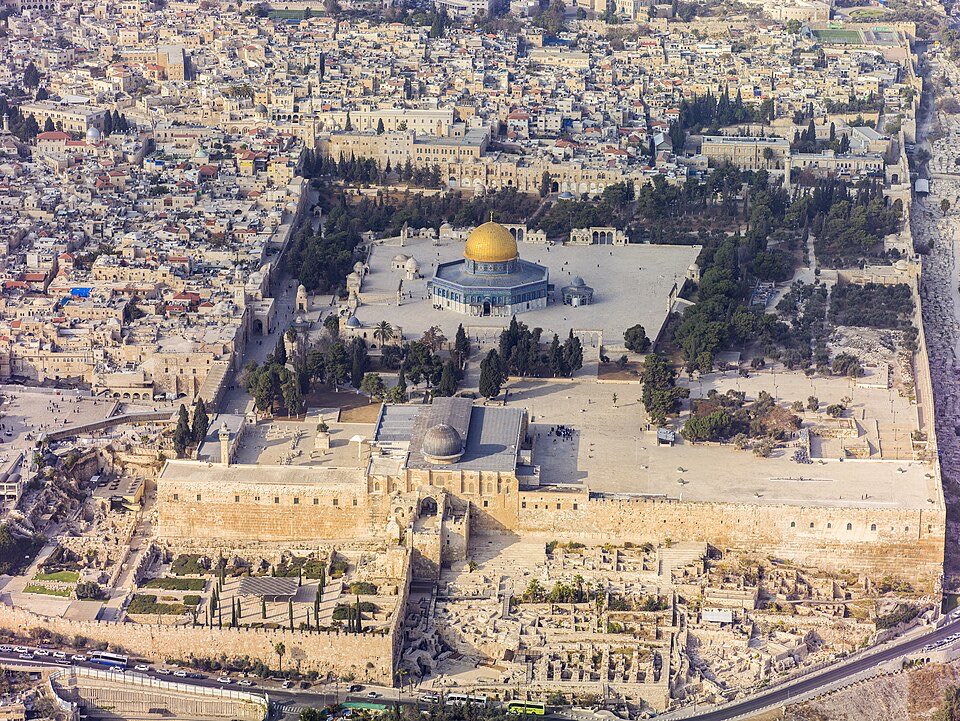
The same land — known to Jews as the Temple Mount and to Muslims as Haram al-Sharif — became sacred to both religions.
✅ Temple Mount
The Temple Mount is a raised platform in the Old City of Jerusalem.
It is one of the most sacred and disputed religious sites in the world because it is holy to Jews, Muslims, and Christians.
Jews call it the Temple Mount.
Muslims call it Haram al-Sharif (The Noble Sanctuary).
✅ Jewish Significance
For Jews, the Temple Mount is the holiest place in Judaism.
According to Jewish tradition:
•It is the site where Abraham prepared to sacrifice his son Isaac.
•It is where King Solomon built the First Temple around 957 BCE.
•It is where the Second Temple stood until it was destroyed by the Romans in 70 CE.
The Temples were the center of Jewish worship.
After the Roman destruction, Jews were dispersed.
The Western Wall, located below the Temple Mount, is the closest accessible remnant of the Second Temple and is now the holiest prayer site in Judaism.
For many Jews, the Temple Mount represents:
•Divine covenant
•Ancient sovereignty
•Spiritual center of Jewish identity
✅ Islamic Significance
For Muslims, the same site is known as Haram al-Sharif.
It includes:
•Al-Aqsa Mosque
•The Dome of the Rock
In Islamic belief:
•Prophet Muhammad made the Night Journey (Isra) from Mecca to Jerusalem.
•From this site, he ascended to heaven (Mi’raj).
Al-Aqsa is considered the third holiest site in Islam, after Mecca and Medina.
For Muslims, it represents:
•Sacred trust
•Religious honor
•Islamic historical presence in Jerusalem
✅ Christian Significance
Jerusalem is important for Christians because it is the city where Jesus Christ spent his final days, was crucified, buried, and, according to Christian belief, rose from the dead.
Visit on our profile to read Part- 2 👇 or check below thread 🧵 👇
What Are the Strategic Interests of the United States in the Middle East, and Why Is It in Confrontation with Iran?
✅ First reason - Protection of Israel
First and foremost, one of the core strategic interests of the United States in the Middle East has been ensuring the security and survival of Israel as a sovereign state. Since the 1979 Islamic Revolution in Iran, Israel has faced sustained hostility from Tehran, which rejects Israel’s legitimacy and has consistently supported anti-Israel actors in the region.
Following the 1978 Camp David Accords, only a few adversarial states remained in the Arab world: Iran, Iraq, Syria, and Libya.
Over the past two decades, these threats have been systematically neutralized:
• The 2003 U.S. invasion of Iraq eliminated the threat posed by Saddam Hussein.
• The 2011 Arab Spring and subsequent revolution resulted in the removal of Muammar Gaddafi in Libya.
• The fall of the Assad regime in late 2025 eliminated Syria as a direct state threat.
Today, Iran remains Israel’s principal state adversary in the region. Tehran has developed what is often called the “Axis of Resistance” — a network of allied non-state actors and militias aimed at countering Israel and U.S. influence.
These include:
•Hezbollah in Lebanon
•Hamas and Palestinian Islamic Jihad in Gaza
•Houthi movement (Ansar Allah) in Yemen
•Various Shia militias in Iraq and Syria
✅ Second reason is Natural Resources
Iran holds approximately 9–10% of the world’s proven oil reserves, ranking 3rd or 4th globally.
Even more significant is Iran’s position in natural gas. It ranks 2nd in the world in proven natural gas reserves, after Russia, possessing nearly 16–17% of global reserves
Beyond hydrocarbons, Iran also possesses substantial mineral wealth, including copper, iron ore, zinc, and uranium, placing it among the top ten countries in several mineral reserve categories.
✅ Third reason is strategic location
Geographically, Iran’s strategic leverage is amplified by its control over the northern coast of the Strait of Hormuz. This narrow maritime chokepoint connects the Persian Gulf to the Arabian Sea and carries roughly 20–25% of global seaborne oil trade and a significant share of global LNG exports. It is widely regarded as the world’s most important energy transit chokepoint.
Because of this, any instability in the region directly affects global energy prices and international security dynamics. Iran’s combination of resource wealth and geographic positioning makes it one of the most strategically significant states in West Asia.
✅ Fourth reason is regional stability & peaceful Middle East for their allies
Although major Arab powers oppose any military action against Iran because they know it would destabilise the entire region, they also consider Iran a major threat to their own security. Publicly, they support de-escalation, but privately many would prefer the weakening or fall of the Islamic regime in Iran. Most Gulf countries are allies of the United States and host U.S. military bases on their territory, reflecting their dependence on American security guarantees.
In simple terms, the U.S.–Iran confrontation is about security and power in the Middle East. The United States wants to protect Israel, secure energy routes, and support its Gulf allies. Iran’s growing influence and strategic position make it a challenge to these goals, which keeps tensions between the two countries alive.
Call for Abstracts!
We are pleased to announce the 12th Young Scholars’ Conference (YSC) organised by the Centre for West Asian Studies (CWAS), School of International Studies, Jawaharlal Nehru University.
A thread 🧵
The conference invites undergraduate, postgraduate, and doctoral scholars to engage with contemporary political, economic, and social transformations in the West Asia and North Africa (WANA) region within an evolving multipolar global order.