Too much of Lebanon’s past has been forgotten, ignored, or rewritten. This page is dedicated to uncovering Lebanon’s lost history, the people, events, and stories that shaped who we are today. 🇱🇧
In Lebanon we are very good at falsifying history.
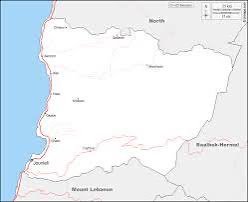
There’s a current debate on X about Keserwan and who was there earlier, Christians or Shia Muslim.
We aim to answer this question in 4 very simple time periods:
1- Early and Medieval Period: Christian dominated
2- Crusader Period: Christian dominated
3- Mamluk period: Maronites expelled and large Shia populations resettlement
4- Post Mamluk: Christian dominated
A thread 🧵
In Lebanon we are very good at falsifying history.
There’s a current debate on X about Keserwan and who was there earlier, Christians or Shia Muslim.
We aim to answer this question in 4 very simple time periods:
1- Early and Medieval Period: Christian dominated
2- Crusader Period: Christian dominated
3- Mamluk period: Maronites expelled and large Shia populations resettlement
4- Post Mamluk: Christian dominated
A thread 🧵
In Lebanon we are very good at falsifying history.
There’s a current debate on X about Keserwan and who was there earlier, Christians or Shia Muslim.
We aim to answer this question in 4 very simple time periods:
1- Early and Medieval Period: Christian dominated
2- Crusader Period: Christian dominated
3- Mamluk period: Maronites expelled and large Shia populations resettlement
4- Post Mamluk: Christian dominated
A thread 🧵
4- Ottoman Era
After the Ottomans defeated the Mamluks and took over Mount Lebanon, the maronites not only returned to Keserwan but they reclaimed and rebuilt many of their old villages, monasteries, and churches that had been destroyed or abandoned since the Mamluk era.
Among them Zouk, Ghazir, Fatqa, Ballouneh etc.
The return of the Maronites deserves a thread on its own but we won’t be covering this period today as we are only focused at answering the questions of the current debate.
In Lebanon we are very good at falsifying history.
There’s a current debate on X about Keserwan and who was there earlier, Christians or Shia Muslim.
We aim to answer this question in 4 very simple time periods:
1- Early and Medieval Period: Christian dominated
2- Crusader Period: Christian dominated
3- Mamluk period: Maronites expelled and large Shia populations resettlement
4- Post Mamluk: Christian dominated
A thread 🧵
3- Mamluk period
The Mamluks resettled Keserwan with Shia populations, mainly Twelvers and at a lower scale Alawites. Very quickly the relationship between the Shias and the Mamluks turned sour and the after the Battle of Keserwan in 1305 the Shia were crushed and retreated into the mountains or south towards Jabal Amil.
4- Ottoman Era
After the Ottomans defeated the Mamluks and took over Mount Lebanon, the maronites not only returned to Keserwan but they reclaimed and rebuilt many of their old villages, monasteries, and churches that had been destroyed or abandoned since the Mamluk era.
Among them Zouk, Ghazir, Fatqa, Ballouneh etc.
The return of the Maronites deserves a thread on its own but we won’t be covering this period today as we are only focused at answering the questions of the current debate.
The bombing of the Church remains clouded in political uncertainty. The pro Syrian Lebanese Security forces at the time quickly blamed the Lebanese Forces and then used the bombing to arrest and convict its leader Samir Geagea.
While there is no definitive forensic evidence, the general consensus was that the bomb was orchestrated by the Pro Syrian regime to eliminate Geagea.
In light of Pope Leo’s announcement that his first overseas visit will include Lebanon we want to revisit the hidden history of Lebanon’s previous papal visits in what is a major moment for Lebanon’s Christian Heritage
In light of Pope Leo’s announcement that his first overseas visit will include Lebanon we want to revisit the hidden history of Lebanon’s previous papal visits in what is a major moment for Lebanon’s Christian Heritage
Bonus facts 💡
The first ever Pope, Saint Peter most likely passed through Lebanon on more than one occasion. Before reaching Antioch, Saint Peter likely passed through Phoenicia. Early Christian communities already existed in Tyre and Sidon are mentioned in Acts, making Lebanon one of the first lands to hear the Gospel ✝️
Gaps and near misses
Pope Francis expressed his desires to visit Lebanon multiple times and the Vatican studied the possibility seriously. However, due to the political volatility and financial collapse in 2019 those planned visit never materialized.