Web3 is not the scam.
In the last few years, we’ve noticed that more and more people have started associating crypto — and the Web3 space in general — with scams.
That’s mainly because of endless hacks, daily exploits, and countless scammers operating across platforms. It genuinely scares off many curious but inexperienced users who want to explore this new era of the internet.
The most popular scams include:
– Exploits of Web3 platforms through vulnerabilities and complex attacks, such as the recent @Bybit_Official or @zkLend incidents.
– Individual scammers who flood your DMs with “get rich fast” schemes, “test this” messages, and other obviously fake offers.
– Bots in Discord and Telegram chats that send malicious links, especially common in large crypto communities.
– Impersonators: accounts that copy real people and push fake tokens or projects to trap others.
– Malicious scripts or browser extensions that, once installed, quietly wait weeks or even months before draining your wallet without any immediate signs.
What we want to say is simple: always recheck information — twice, three times, a thousand times if needed. Inspect links carefully, and stay hyper-aware. Scams have existed for decades and will always exist, but every user has the power to minimize their own risk.
Web3 is not the problem. In fact, it’s building a future based on transparency, user empowerment, and privacy. Many people are working on trustworthy, innovative projects, even if scams still sit in the same room.
At Saktrum, we’re building the exact opposite of what scammers want. A space where people protect and uplift one another. A place where education, awareness, and support are the default. We’re building the antidote to scams — and that foundation will help every one of us grow.
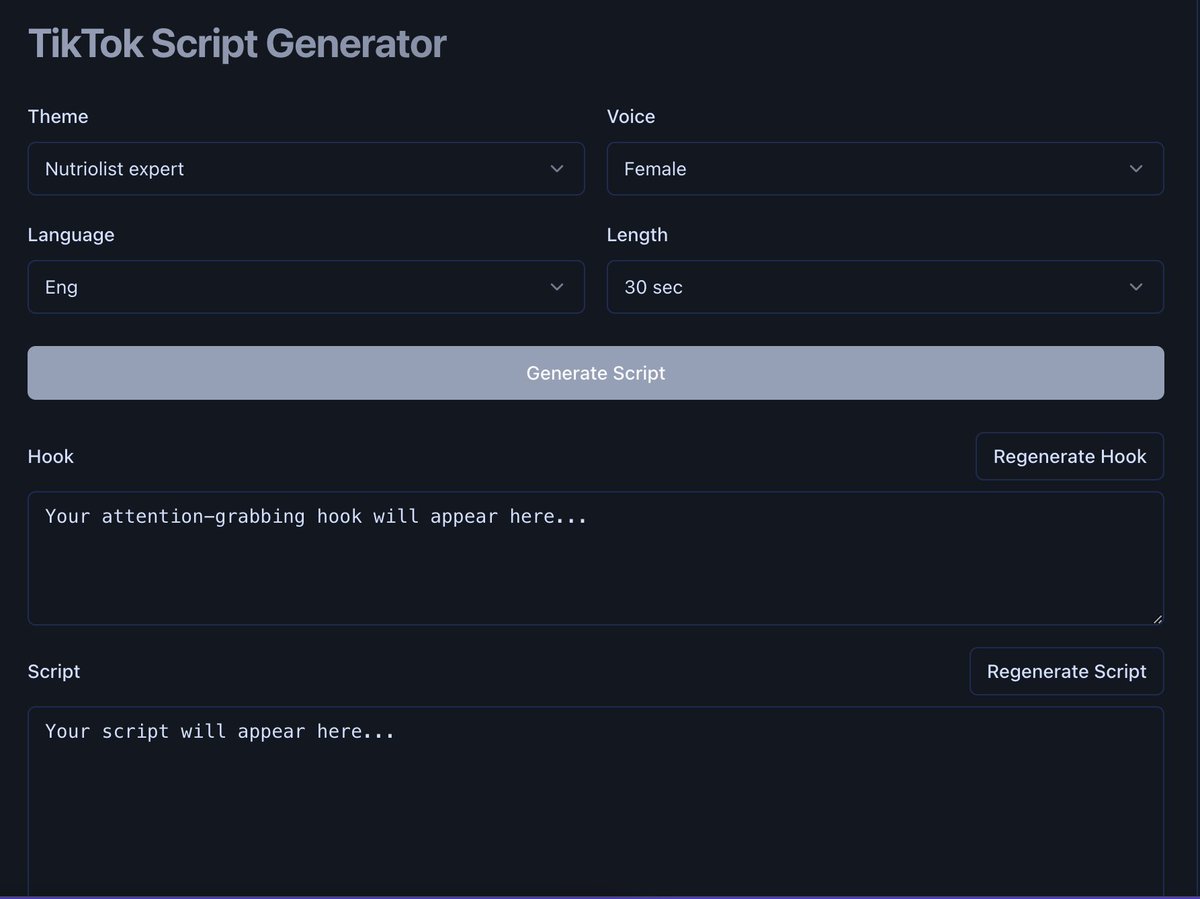
imagine that you could get any short video (in 9x16 or 16x9 format) that explains or demonstrates something in a fully automated way and attracts views on TT, YT, and IG. What niche would you choose to create content in?
Today I published an article on a highly contested topic within @Safaryclub: mindshare vs market share
I argue that the pendulum of crypto marketing swings between mindshare and market share, driven by the scale of the market and the audience it serves.
In the bear market, with a smaller, more focused audience, mindshare is the key to success.
In the bull market, as the audience grows, market share and conversions become the primary goal once again.
The challenge for marketers is not to choose one over the other but to balance both.
Success today depends on being memorable, but success tomorrow requires being measurable.
Lmk what you think!