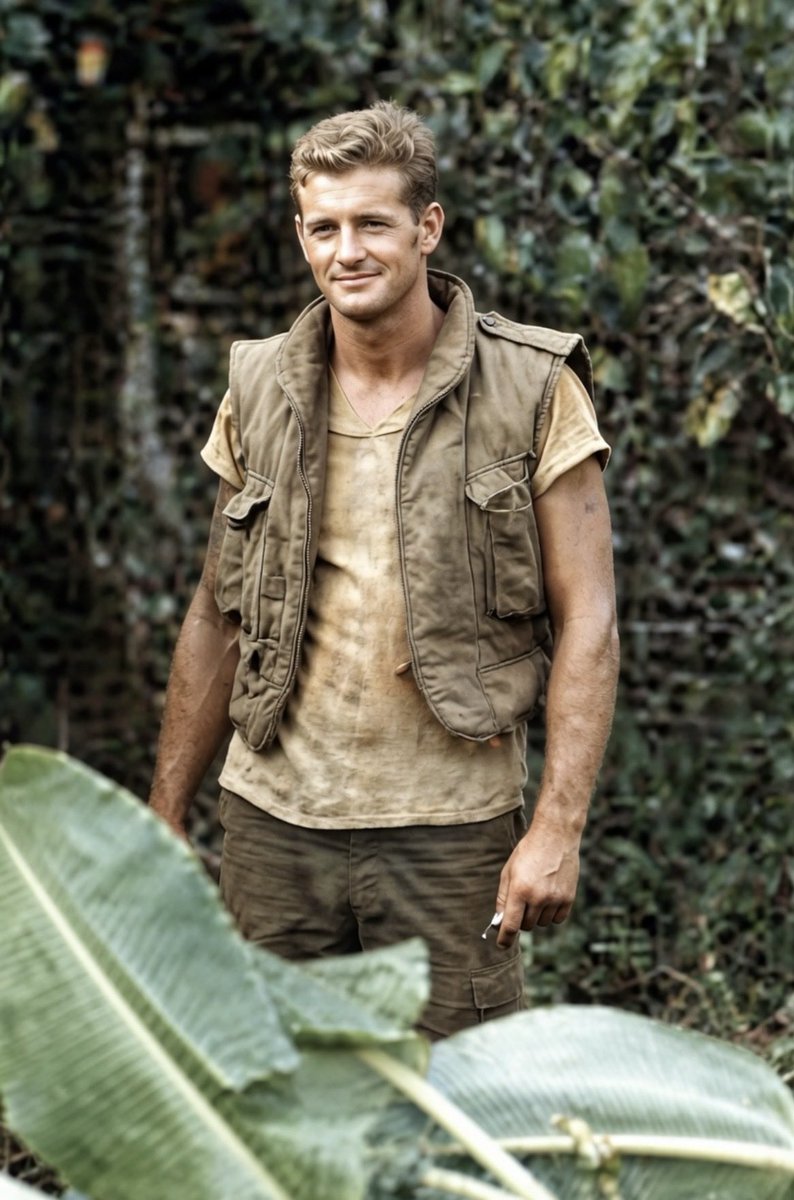
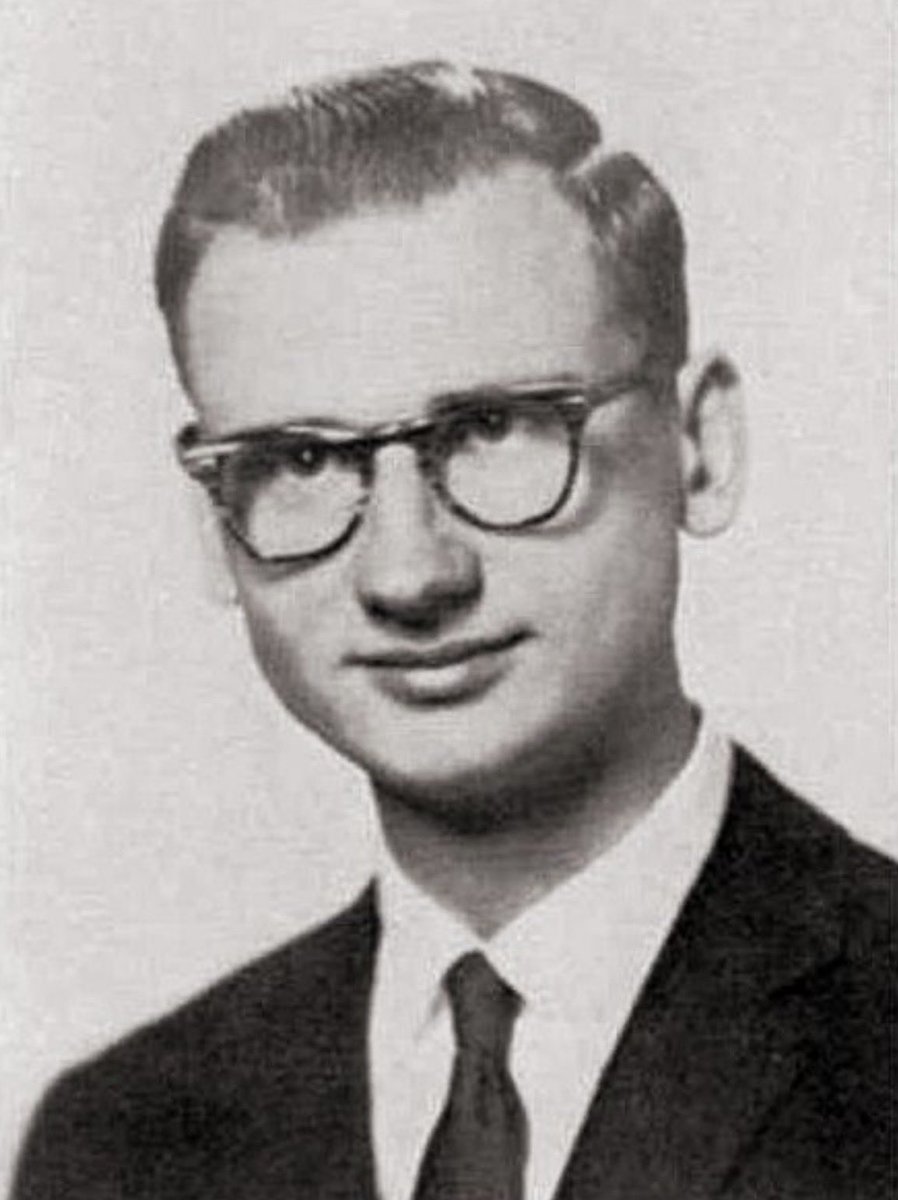
This is my dad’s graduation photo from OCS. He was what I call a Cold War Warrior. He was assigned to SAC and was a missile jockey for the Titan II missile program in the 60’s and later was involved with the AF flying launch program.
He retired from service in 76 as a major and took odd jobs so he could write. He produced a video of his time with the Titan missiles and will be part of release of his writings (if I can figure out how to load it).
In the meantime here is another of his poems:
Overload
The head’s too small
For all those ideas
That keep trying to poke
Their confusing notions
Into a too-crowded space;
And I’m much too dumb
To know which of this new
Might be worthy
Of consideration
In place of one of the old
Already lost in the crowd.
As a consequence,
I spend my dwindling time
Thinking a great deal
About not thinking.
---Paul G Mallory
Copyright 1982
U.S. Army Infantryman Private First Class Craig Hayes Hansen was killed June 20, 1969 multiple fragment wounds. In Tay Ninh Province, South Vietnam. Craig was 24 from Soda Springs, Idaho. 3rd Plt. Delta Co. 2nd BN, 5th Calvary 1st Cav. Div. Bronze Star/Valor🎖️🇺🇸 #America250 Hero
U.S. Army Specialist Four Larry Glen Massie KIA June 20, 1968 transporting captured enemy ordnance in Go Cong, Tan Son Nhut Air Base Vietnam. Larry was 19 from Tonkawa, Oklahoma. 45th Military Intelligence Co. 519th MI BN, 525th MI Group. Remember Larry today #America250 Hero 🇺🇸
U.S. Army Armor Reconnaissance Specialist Four Blaine Wilson Landers killed in ambush June 19, 1967 in Phuoc Tuy South Vietnam. Blaine was 22 from Kansas City, Missouri. K Troop 3rd Squadron 11th Armored Calvary. Bronze Star/Valor🎖️ Remember Blaine today. #America250 Hero 🇺🇸🦅
United States Army Infantryman Corporal LeRoy Charles Cech KIA June 19, 1970 in Cambodia. LeRoy was 27 from Havre, Montana. Alpha Company 4th BN, 9th Infantry, 25th Infantry Division. 2 Bronze Stars/Valor🎖️AM ARCOM Exemplary Soldier #America250 “Quiet Killer” Hero 🇺🇸🦅
It rained a little this morning but the sun is out now and the heat’s on 100! I had the pleasure of mowing Ms. Smiths lawn . She’s inside confined to the bed . Making a difference , one lawn at a time .
Ammon of Pocatello, ID who is taking part in our 50 yard challenge has submitted his 10th lawn. It was for a hero , a first responder . He now moves to his orange shirt .
U.S. Army First Lieutenant Philip Otto Zum Mallen Jr. KIA June 19, 1967 by multiple fragment wounds in Long A Province, South Vietnam. Philip was 24 from Homewood, Illinois. 1st PLT, A Co. 4th BN, 47th Infantry, 9th INF Div. Bronze Star🎖️Remember Philip today. #America250 Hero 🇺🇸
U.S. Army Sergeant John Henry Priest Jr. Killed in Action June 19, 1969 in Vietnam. John was 20 from Greenville, South Carolina. HHT 4 Calvary 25 Infantry Division. Bronze Star🎖️Remember John today. #America250 Hero 🇺🇸🦅
United States Army Specialist Four
Charles Louis “Charlie” Hunter KIA June 18, 1969 in Operation Utah Mesa in Quang Tri Province, South Vietnam. Charlie was 23 from Starkville, Mississippi. C Co. 1st BN, 61st Infantry 5th INF DIV. 2 Bronze Stars (Valor & Merit)🎖️Remember Hero 🇺🇸
U.S. Army Combat Engineer Specialist Four Dennis James Adamski KIA June 19, 1967 multiple fragment wounds in Long An Province, South Vietnam. Dennis was 20 from Appleton, Wisconsin. Delta Co. 15th ENG BN, 9th INF DIV. Remember Dennis, he Volunteered to-go #OTD#America250 Hero 🇺🇸
U.S. Navy Construction Engineer Petty Officer William James Sippel died by grand mal seizure June 19, 1967 brought on by fatigue, stress & hypertension. In Quang Tin Province, South Vietnam. 21 from Lockport, NY. NMCB-71, 3rd NC BDE. Remember William #America250 SeaBee hero 🇺🇸🦅
U.S. Army Private First Class George Daniel Miller was killed in action June 19, 1967 in Long An Province, South Vietnam. Danny was 20 from Indianapolis, Indiana. Bravo Co. 3rd BN, 47th Infantry, 9th INF DIV. Bronze Star/Valor Remember Danny today. #America250 Exemplary Hero🎖️🇺🇸
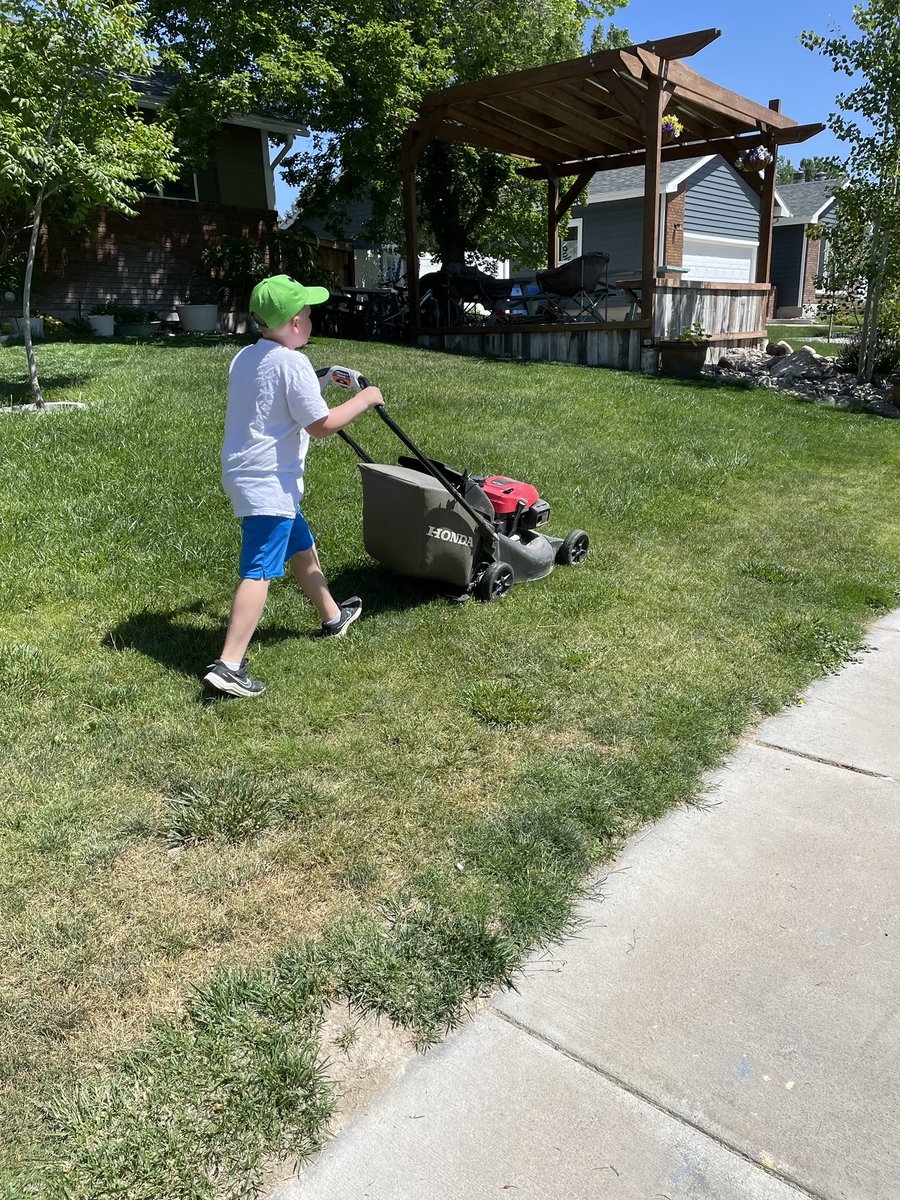
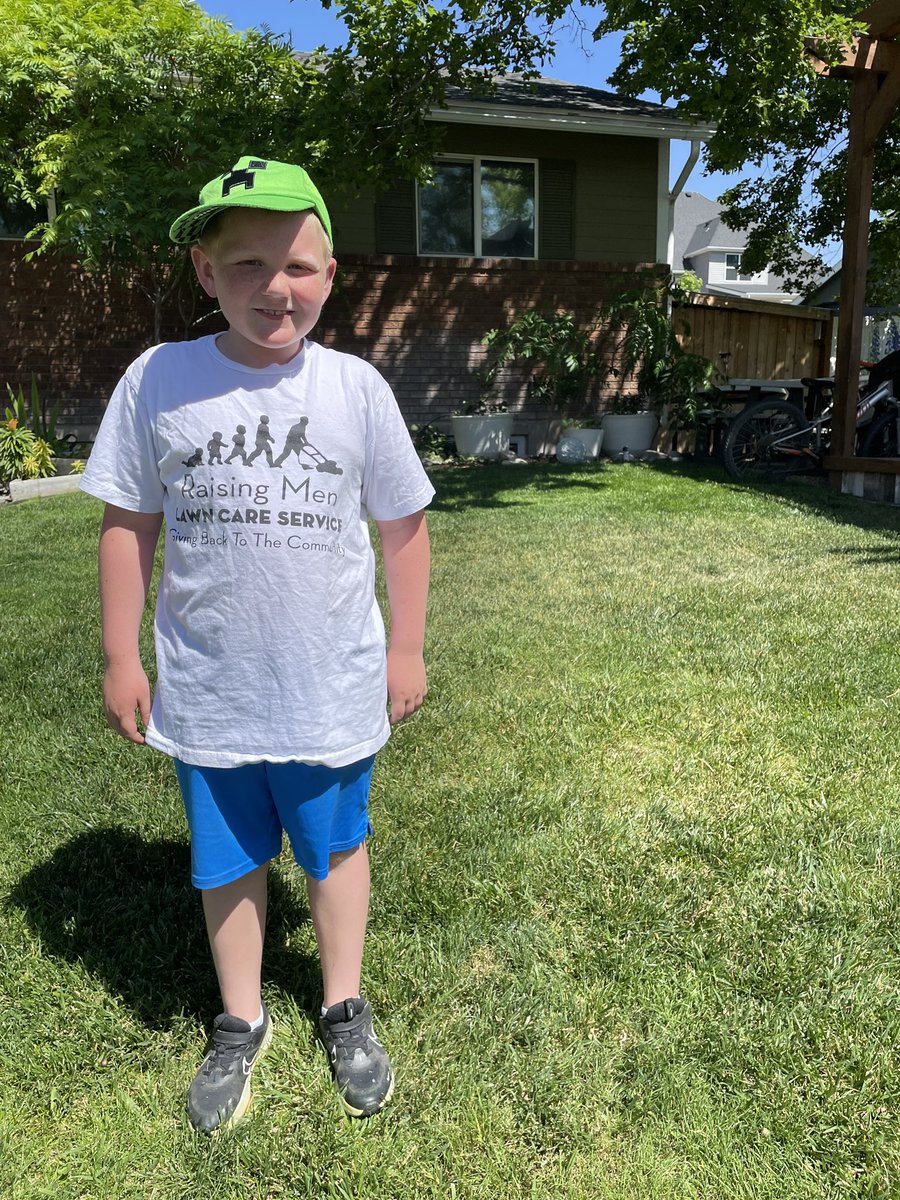
Timmy & Vinny from Bellevue, NE completed our 50 Yard Challenge last year . Now they have decided to take on one of our Special Edition Challenges, available to kids who complete the original challenge. Their choice? The Military Edition: 50 free lawns mowed for veterans and active-duty service members. Here’s their 24 lawn for a veteran .
Eighty-seven-year-old Dorothy Mitchell fired her professional home care nurse and replaced her with a heavily tattooed biker. Her children were furious and even threatened to have her declared mentally unfit.
I’m her neighbor in apartment 4A, and I saw the whole situation unfold. What her family never understood — what almost no one knew except me — was exactly why she made that choice.
Dorothy had lived in 4B for over four decades. After her husband George passed away in 2003, her three adult children moved to different states and only visited a couple of times a year. She battled advanced Parkinson’s and osteoporosis, but the deepest pain was the crushing loneliness that never seemed to leave her.
The home care agency kept rotating different nurses. They performed their duties efficiently — feeding her, bathing her, giving medication — then left. Dorothy started leaving her front door slightly ajar just to hear the sounds of life in the hallway.
Then one cold Tuesday in January, Michael arrived.
I spotted him through my peephole: a towering man, maybe 6’4”, covered in tattoos, with a long beard and a patched leather vest, carrying grocery bags. I stepped out quickly to confront him.
He turned with a warm, disarming smile. “Just bringing some groceries for Miss Dorothy. She called me.”
From inside, Dorothy called out happily, “Michael? Come on in — and bring my nosy neighbor with you!”
Inside, Dorothy sat in her recliner, glowing with a smile I hadn’t seen in months. She introduced Michael as her new helper and announced she had already fired the agency.
As Michael put away the groceries in all the right places, he handed her medications with such tenderness it was striking. Dorothy patted his big hand affectionately and thanked him.
When I asked how they met, Dorothy’s eyes lit up. “He tried to steal my purse,” she said with a grin.
Michael chuckled and told the real story. Three weeks earlier, he had been riding through the neighborhood and saw Dorothy stranded on a bench outside in freezing weather. The elevator was broken, and she couldn’t get back up to her fourth-floor apartment.
He stopped to help. She assumed he wanted money and tried to give him her purse. Instead, he carried her up all four flights of stairs. When she asked why he was helping a stranger with nothing in return, he simply said she needed it and he was there.
That moment broke something open in Dorothy. She invited him for tea. He stayed for hours. He returned the next day, and the day after. A week later, she let the agency go.
“They treat me like a job,” she told me firmly. “Michael treats me like a human being.”
Michael later shared that Dorothy reminded him of his own grandmother, who had died alone in a nursing home while he was overseas in the military. He vowed never to let another elderly woman feel that abandoned if he could prevent it.
In the months that followed, their routine became beautiful. Michael arrived every morning at nine. He helped her with personal care, cooked meals, and spent hours talking with her. He bought a wheelchair out of his own pocket and took her out — to the park, the library, and the café she used to visit with George. People stared at the sight of this massive, tattooed biker pushing a tiny elderly woman, but Dorothy loved it.
She started attending his motorcycle club events, where dozens of bikers called her “Miss Dorothy” and competed to bring her treats. For the first time in years, she felt truly alive.
Then her children found out.
Her daughter Sarah called me, outraged, accusing Michael of being dangerous and taking advantage of their mother. When the three siblings eventually showed up unannounced, they stormed in while Michael was there, shouting accusations of elder abuse and exploitation.
Dorothy rose from her chair — something she rarely managed anymore — and told them to leave. With tears and fury, she defended Michael, pointing out that he had been there every single day while they were absent. “He makes me feel like I matter,” she said.
The family pushed for a competency hearing. But after the judge spoke with Dorothy, Michael, me, and other neighbors, he ruled in her favor. He described her decision as unconventional but clearly well thought out, and even highlighted improvements in her health records.
In the end, her children cut off contact completely. Dorothy was hurt, but realistic. “They were only interested in my money, not in me.”
Months later, Dorothy suffered a bad fall and broke her hip. Michael rode in the ambulance with her, holding her hand, and stayed by her side through surgery and recovery. When the hospital suggested a nursing home, he refused. He moved into her apartment, slept on a cot, and learned everything needed to care for her — wound care, physical therapy, medications. His club brothers stepped up too, bringing food, cleaning, and covering shifts so he could rest.
When her children visited one last time suggesting she go to a facility, Dorothy sent them away. “I already have my family right here.”
That was eight months ago. Though her health continues to decline, Dorothy is surrounded by love and care. Last week, she took my hand while Michael was out and asked me to share her story one day.
“Tell them about Michael,” she said. “Tell them a tattooed biker gave an old woman the happiest years of her life. Tell them he’s the reason I’m leaving this world with dignity instead of in loneliness.”
So I’m keeping my promise.
The next time you see someone who looks like Michael, don’t be too quick to judge. Sometimes the most dangerous-looking people are the ones who show up every day — while the ones in suits only appear when there’s an inheritance at stake.
Dorothy knows the difference.
And now, so do you.
She joined her friends on the lake to see the northern lights. An illegal alien, released by Chicago Democrats, not once, but twice, shot her in the back.
She bled to death on the concrete.
Democrats are a cancer.
During COVID, we were part of a church that consulted some government health agency and outfitted the entire church with arrows so you could only walk one way down hallways or certain staircases, blocked off every other pew, stationed people at doors to redirect you if you went “the wrong way,” had you hand off your children at the door to be walked by random people to their classes, and required masks while singing.
You didn’t need a medical or science degree to know it was all nonsense, yet church leaders willingly went along with it under the guise of protecting others. Instead of providing a haven from the cultural madness, it created a stressful and unpleasant environment and reinforced the message that we all posed a threat to one another.
What an utterly embarrassing failure of spiritual leadership that era represents. I wonder how many churches have learned a thing.
Thanks to the @Unitedcajunnavy Mississippi Chapter for the quick response to catastrophic flooding around Perkinston. We were able to join local 1st responders to help both our human and our furry neighbors! Great job Team UCNMS! @tatereeves
Here’s the thing I want to make exceptionally clear:
We know democrats aren’t going to vote with us or ensure that only Americans are voting in our elections.
It’s an act of betrayal when members of the Republican Party won’t vote for the legislation we elected them to enact.