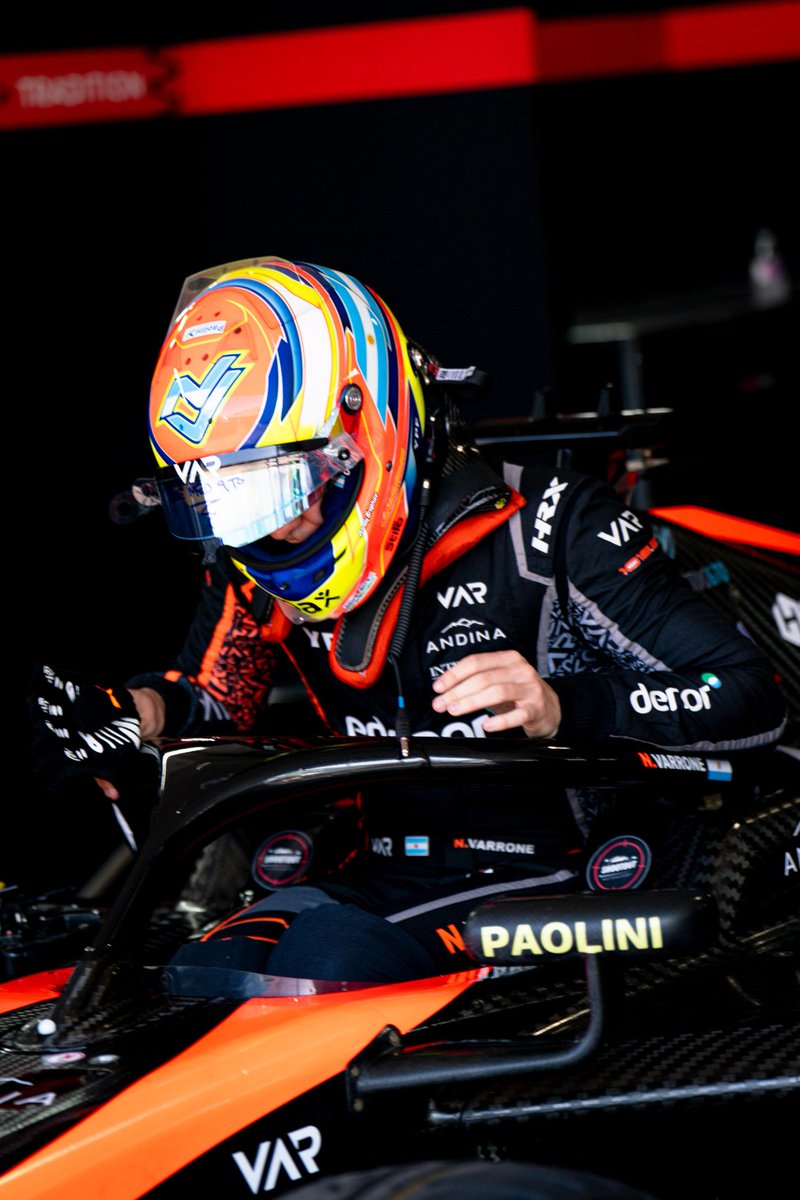
En 2021 @NicoVarrone "robó" una Ferrari de GT y mostró su talento en Paul Ricard. Eran épocas de matar o morir en pruebas. Las superó a todas. Fue campeón mundial, ganó en Daytona, Sebring y dos veces en Le Mans. Hace seis años que no corre en monopostos. El año pasado corrió sin repuestos en el WEC. El bonaerense sigue quemando los libros. Un fuera de serie. Es argentino y hay que disfrutarlo.
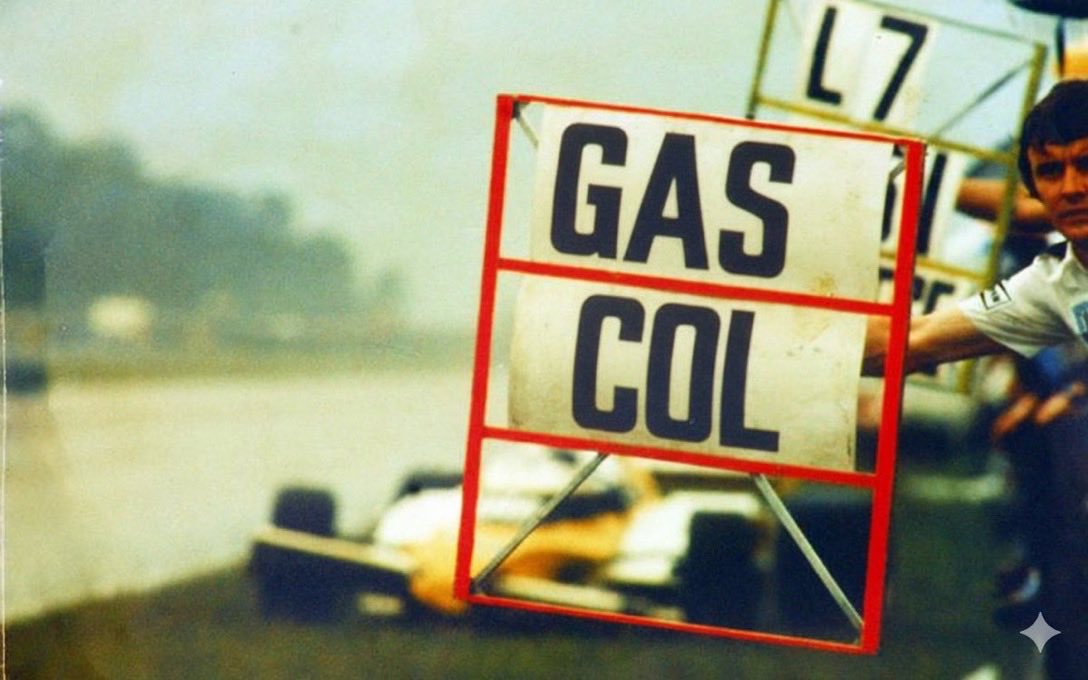
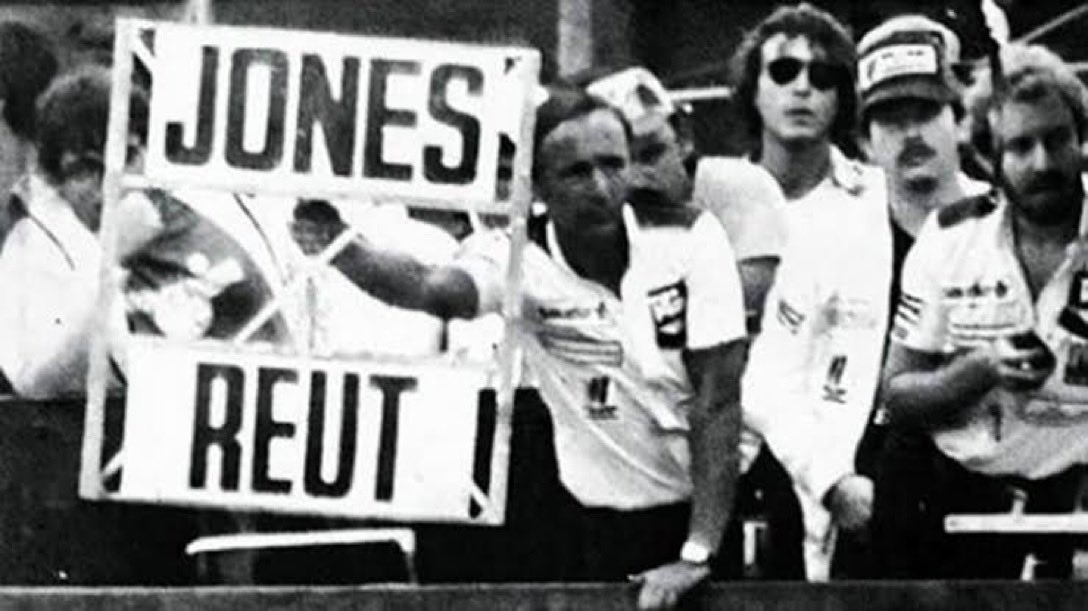
#F1 Pasaron 44 años, aquella vez en Brasil Reutemann peleaba por la victoria, desobedeció la orden y le terminó costando un campeonato, pero se ganó el corazón de la gente. Ayer @FranColapinto recibió una orden ridícula, Alpine no peleaba por nada y ni se dieron cuenta de que si Franco no lo pasaba a Gasly los dos iban a perder con Bortoleto 🏁
Foto vía @marceloacero
The deeper you go into the semiconductor supply chain, the less believable it becomes.
> TSMC, a company on a small island, produces over 90% of the world’s most advanced chips
> TSMC relies on dutch company ASML for EUV lithography machines
> ASML depends on German Company Carl Zeiss, the only firm in the world capable of making mirrors precise enough for ASML’s requirements.
> The light source for ASML’s EUV machines is produced by a single company in San Diego.
> The photoresists used to print transistor patterns are produced by Japanese firms like JSR and Tokyo Ohka Kogyo.
> The ultra-pure quartz needed to make silicon wafers comes entirely from a single mine in Spruce Pine, North Carolina.
> The copper and rare-earth materials inside chips are mined and refined across Chile, the Congo, and China.
> The specialized gases used in chipmaking, like neon and fluorine, largely come from Ukraine and Japan.
> The design blueprints for these chips often come from American companies like NVIDIA, AMD, and Apple, which rely on software tools from U.S. firms like Synopsys and Cadence.
Remove any single piece and the whole system collapses.