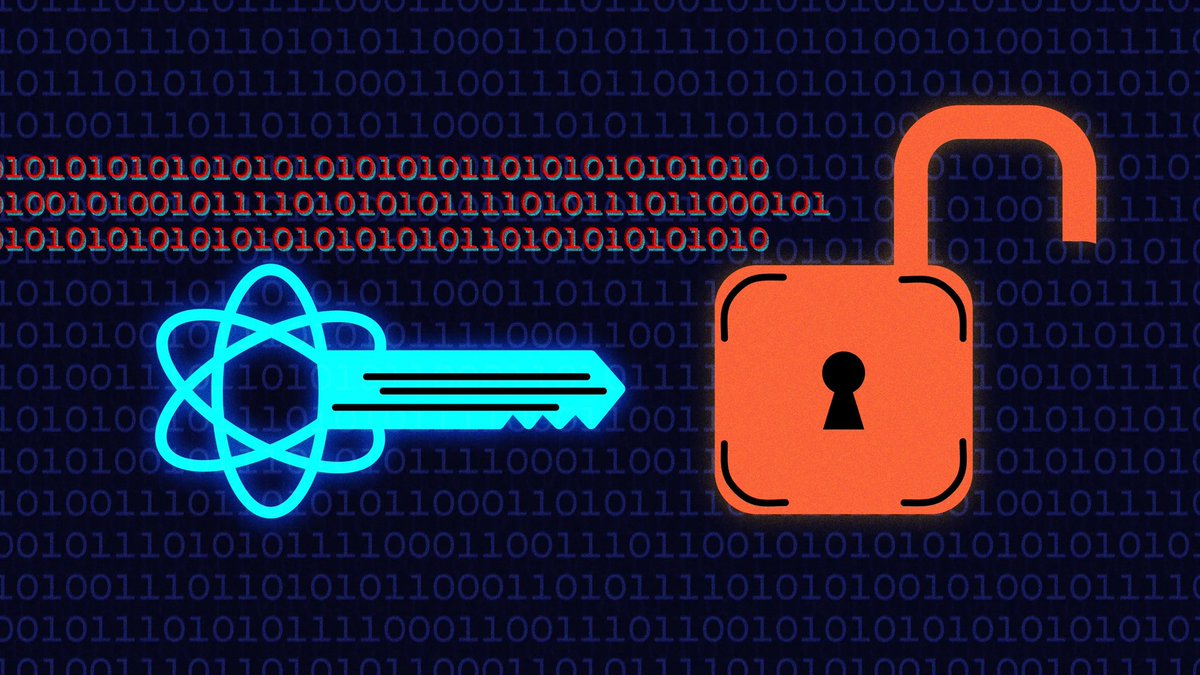
ضمن مسارات برنامج الابتعاث الخارجي في الأمن السيبراني..
#الهيئة_الوطنية_للأمن_السيبراني تطلق برنامج «خبراء التشفير للدراسات العليا»، وتدعو إلى التسجيل فيه.
🔗https://t.co/b4Stki43MU
Post-Quantum Cryptography: The Future of Data Protection
As quantum computing continues to advance, cybersecurity faces one of its greatest challenges yet. Most of today's encryption methods rely on mathematical problems that are extremely difficult for classical computers to solve. However, powerful quantum computers could eventually solve these problems much faster, putting many widely used encryption algorithms at risk.
To address this challenge, researchers have developed Post-Quantum Cryptography (PQC)—a new generation of cryptographic algorithms designed to remain secure even against attacks from quantum computers. Unlike quantum encryption, PQC can be implemented on existing computer systems and networks without requiring specialized quantum hardware.
One of the biggest concerns is the "Harvest Now, Decrypt Later" strategy. Cybercriminals or nation-state attackers may steal encrypted data today and store it until quantum computers become powerful enough to decrypt it in the future. This means that sensitive information, including government records, financial transactions, healthcare data, and intellectual property, could remain at risk for years.
Recognizing this threat, governments, technology companies, and cybersecurity organizations worldwide are already preparing for the transition to quantum-resistant encryption. The goal is to ensure that digital communications and sensitive information remain protected long before large-scale quantum computers become a reality.
In conclusion, Post-Quantum Cryptography is not just an emerging technology—it is a strategic investment in the future of cybersecurity. Organizations that begin planning and adopting quantum-resistant encryption today will be better prepared to defend their data against the next generation of cyber threats.
#Cryptography #Cybersecurity #Encryption #QuantumSecurity #PostQuantumCryptography
Identity Is the New Security Perimeter
Cybersecurity is no longer just about protecting networks, servers, or endpoints. Today, digital identities have become the primary target for cybercriminals.
As organizations increasingly adopt cloud services, remote work, and SaaS applications, a single compromised account can provide attackers with access to critical systems without exploiting a single software vulnerability.
To address this shift, many organizations are implementing Zero Trust architectures, Multi-Factor Authentication (MFA), and continuous identity monitoring. However, attackers have evolved as well, using techniques such as session hijacking, token theft, and MFA fatigue attacks to bypass traditional defenses.
The future of cybersecurity will depend not only on securing infrastructure but also on protecting identities throughout their entire lifecycle. Identity governance, least-privilege access, and continuous authentication are becoming essential components of modern security strategies.
In today's digital world, protecting an identity is often more important than protecting a device.
#CyberSecurity #InfoSec #IdentitySecurity #ZeroTrust #IAM #CyberDefense #DigitalIdentity #CloudSecurity
Cybersecurity is entering a new era where Artificial Intelligence is reshaping both defense and attack strategies. AI is enabling security teams to detect threats faster, automate incident response, and predict potential vulnerabilities before they are exploited. At the same time, cybercriminals are leveraging AI to create more convincing phishing campaigns and sophisticated attacks. The future of cybersecurity will belong to those who innovate faster than their adversaries.
#CyberSecurity #ArtificialIntelligence #AI #InfoSec #CyberDefense #DigitalSecurity
Saudi Arabia's Global Leadership in Cybersecurity
Over the past decade, the Kingdom of Saudi Arabia has emerged as one of the world's leading nations in cybersecurity. Through strategic investments, advanced regulations, and a strong commitment to digital transformation, the Kingdom has built a resilient cybersecurity ecosystem that protects critical infrastructure, supports economic growth, and enhances trust in digital services.
Saudi Arabia's remarkable progress is reflected in its international achievements. The Kingdom achieved first place globally in cybersecurity within the World Competitiveness Yearbook published by the International Institute for Management Development (IMD). In addition, Saudi Arabia earned the highest possible score of 100/100 in the Global Cybersecurity Index (GCI) issued by the International Telecommunication Union (ITU), placing it among the world's most advanced cybersecurity nations.
The establishment of the National Cybersecurity Authority (NCA) in 2017 marked a turning point in the Kingdom's cybersecurity journey. Since then, Saudi Arabia has implemented comprehensive cybersecurity frameworks, national standards, and awareness programs to strengthen cyber resilience across government entities and private-sector organizations. These efforts have significantly improved the nation's ability to prevent, detect, and respond to cyber threats.
Furthermore, Saudi Arabia has invested heavily in developing local talent. Universities, training programs, cybersecurity competitions, and professional certifications have helped create a highly skilled workforce capable of meeting the growing demands of the digital economy. As a result, the cybersecurity sector has witnessed rapid growth in employment opportunities, innovation, and entrepreneurship.
The Kingdom has also become a global hub for cybersecurity collaboration through events such as the Global Cybersecurity Forum, which brings together policymakers, industry leaders, researchers, and experts from around the world to address emerging cyber challenges and promote international cooperation.
After the grace of Allah, much of this success can be attributed to the vision and leadership of His Royal Highness Crown Prince Mohammed bin Salman. Through Vision 2030, he has prioritized digital transformation and cybersecurity as essential pillars of national development. His support has enabled Saudi Arabia to establish a world-class cybersecurity infrastructure that safeguards national interests while accelerating innovation and economic diversification.
Today, cybersecurity in Saudi Arabia is not merely a technical function; it is a strategic enabler of national security, economic prosperity, and digital trust. The Kingdom's achievements demonstrate how visionary leadership, strategic planning, and continuous investment can transform a nation into a global leader in cybersecurity.
#SaudiArabia #Vision2030 #Cybersecurity #SaudiVision2030 #KSA #MBS
Hack The Box One of the platforms that significantly changed the way I learn cybersecurity. Instead of relying solely on books and videos, it provides a hands-on environment where you can practice real-world scenarios, analyze vulnerabilities, exploit systems ethically, and develop the mindset required to solve security challenges.
Cybersecurity is not a field where theory alone is enough. The professionals who stand out are those who continuously test, break, analyze, and learn from practical experience.
#CyberSecurity #HackTheBox #EthicalHacking #PenetrationTesting #InformationSecurity #SOC #BlueTeam #RedTeam #CTF #CyberSecurityLearning #InfoSec #Technology
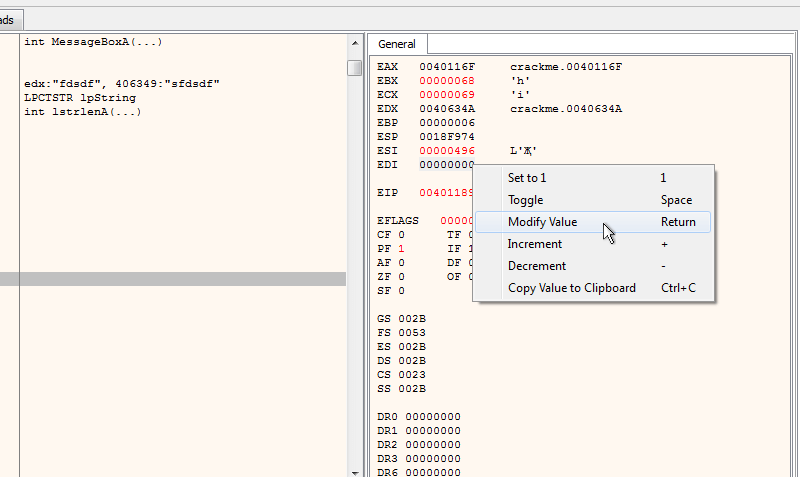
While analyzing a suspicious executable using Dependency Walker, I observed an unusual result: the application appeared to import only a single library. Since most Windows executables rely on multiple DLLs for their functionality, this behavior immediately stood out as a potential indicator of packing, obfuscation, or dynamic API loading techniques designed to conceal the program’s true behavior. This finding highlighted the limitations of static analysis alone and emphasized the importance of performing deeper dynamic analysis to uncover hidden functionality and better understand the file’s intentions. Every anomaly, no matter how small, can provide valuable clues during a malware investigation.
#CyberSecurity #MalwareAnalysis #ReverseEngineering #DependencyWalker #ThreatHunting #ThreatAnalysis #DigitalForensics #DFIR #BlueTeam #InfoSec #SOC #CyberThreats #SecurityResearch #MalwareResearch #IncidentResponse
PASSCODE VS PASSWORD
- Passcodes are usually short numeric codes used for quick access to personal devices like smartphones and tablets. They are simple, fast, and convenient for everyday use. However, because they are shorter and less complex, they can be more vulnerable to guessing or observation attacks.
- Passwords, on the other hand, are designed for stronger security. They often include a mix of uppercase and lowercase letters, numbers, and symbols. Passwords are commonly used to protect online accounts, emails, banking services, and sensitive information. The longer and more unique the password, the harder it becomes for attackers to crack.
#CyberSecurity #InformationSecurity #PasswordSecurity #Passcode #Password #DigitalSafety #CyberAwareness #DataProtection #TechTips #CyberDefense #CyberHygiene
Benefits of Cybersecurity Compliance
1- Enhanced Data Security
Cybersecurity compliance helps organizations protect sensitive customer information, financial records, and intellectual property from cyberattacks and data breaches
2- Reduced Financial Loss
Security incidents can lead to major financial consequences, including fines, legal costs, operational downtime, and recovery expenses. Compliance reduces these risks by enforcing strong security controls and proactive risk management.
3- Improved Reputation & Trust
Customers and partners are more likely to trust organizations that demonstrate a commitment to protecting data and maintaining privacy standards.
4- Business Continuity
Effective cybersecurity practices ensure systems remain operational, minimizing disruptions and maintaining business productivity even during cyber incidents.
5- Legal & Regulatory Adherence
Compliance helps organizations meet industry standards and regulations such as GDPR, HIPAA, and ISO 27001, avoiding penalties and ensuring accountability.
6- Competitive Advantage
Organizations with strong cybersecurity compliance stand out in the market as reliable and secure partners, creating opportunities for growth and long-term success.
#CyberSecurity #CyberCompliance #InformationSecurity #DataProtection #CyberAwareness #RiskManagement #DataSecurity #BusinessContinuity #Privacy #GDPR #HIPAA #ISO27001 #CyberDefense #ITSecurity #Technology #Compliance #SecurityAwareness #Infosec #CyberResilience
Symmetric vs Asymmetric Encryption
Symmetric Encryption uses a single shared key for both encryption and decryption. It is fast, efficient, and ideal for securing large amounts of data. Common algorithms include AES, DES, and ChaCha20. However, the biggest challenge is securely sharing the secret key between parties.
Asymmetric Encryption uses two keys: a public key and a private key. One key encrypts the data while the other decrypts it. This method solves the key exchange problem and enables technologies like digital signatures, HTTPS, and secure online communication. Popular algorithms include RSA, ECC, and Diffie-Hellman.
#CyberSecurity #Encryption #Cryptography #InformationSecurity #CyberAwareness #DataSecurity #AES #RSA #ECC #Tech #CyberDefense #DigitalSecurity
PE Studio is a powerful static analysis tool used in reverse engineering and malware analysis to inspect Windows executable files without running them. It helps analysts identify functions, imported APIs, DLLs, and strings such as URLs, IP addresses, commands, and registry paths to better understand program behavior. The tool also detects suspicious indicators like obfuscation, packed files, and dangerous API usage, making it highly useful in malware analysis, threat hunting, and digital forensics.
#PEStudio #ReverseEngineering #StaticAnalysis #MalwareAnalysis #CyberSecurity #ThreatHunting #DigitalForensics #InfoSec #MalwareResearch #CyberDefense
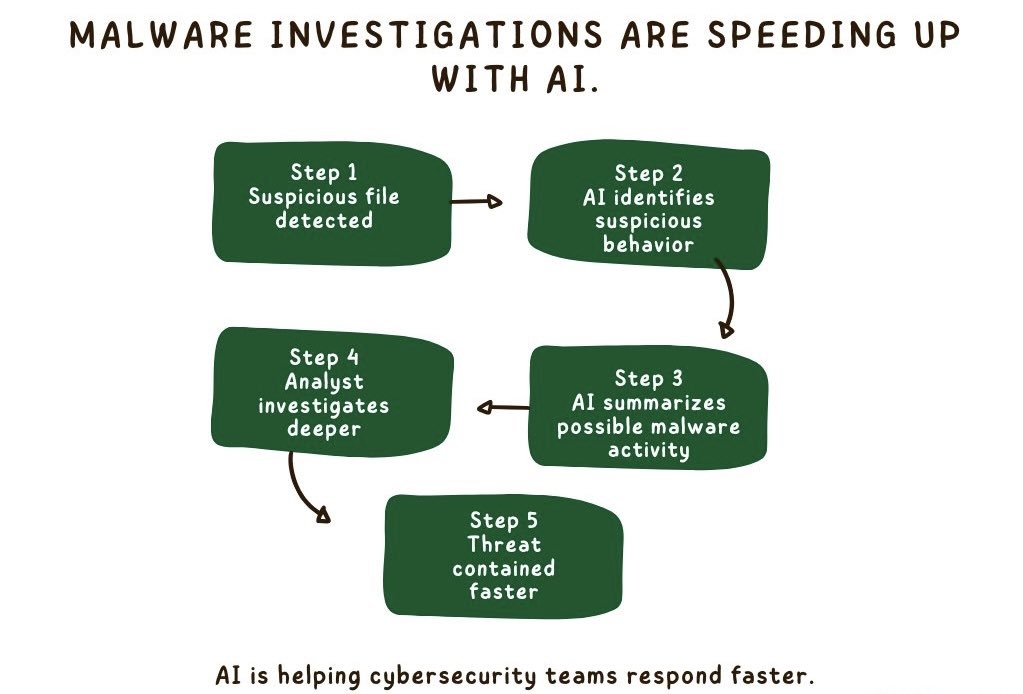
AI is accelerating malware investigations by detecting suspicious behavior, summarizing threats, and helping analysts respond faster. By combining AI with cybersecurity expertise, organizations can contain threats more efficiently and strengthen their overall defense against cyber attacks.
#CyberSecurity #AI #MalwareAnalysis #ThreatDetection #SOC #CyberDefense #ArtificialIntelligence #DigitalSecurity #ThreatHunting #InfoSec
The rapid growth of IoT devices has transformed the way we live and work, but it has also introduced new cybersecurity risks. From smart cameras and sensors to connected home and industrial systems, IoT devices are often targeted by cybercriminals due to weak security settings and outdated software. Protecting these devices requires a proactive approach that combines strong password management, regular firmware updates, network segmentation, and continuous monitoring.
Organizations and individuals should also prioritize data encryption, implement multi-factor authentication, and follow recognized security standards such as ISO/IEC 27001. In addition, employee awareness and cybersecurity training play a critical role in reducing risks caused by human error. Advanced technologies like Artificial Intelligence and Machine Learning can further enhance threat detection and response capabilities.
By adopting these security practices, we can build safer IoT environments, reduce vulnerabilities, and ensure the confidentiality, integrity, and availability of connected systems in an increasingly digital world.
#IoT #CyberSecurity #IoTSecurity #InformationSecurity #CyberAwareness #DataProtection #EthicalHacking #CyberThreats #Technology #ArtificialIntelligence #MachineLearning #Encryption
Security Hardening is the process of strengthening systems by reducing vulnerabilities and minimizing the attack surface. This includes removing unnecessary services, applying security patches, enforcing strong passwords, and limiting user privileges based on the Principle of Least Privilege, The image clearly demonstrates the difference between a vulnerable system and a hardened one.
• Before hardening:
- Weak passwords
- Unnecessary services
- Excessive access permissions
- Unpatched vulnerabilities
• After hardening:
- Strong passwords
- Only necessary services enabled
- Least privilege access
- Updated and patched systems
#Cybersecurity #SecurityHardening #InformationSecurity #BlueTeam #SOC #ITSecurity #RiskManagement #CyberAwareness
Cybersecurity is built on foundational principles that ensure information remains safe, accurate and accessible. These principles guide professionals in designing secure and sustainable systems.
1. Confidentiality
- Ensures that sensitive data is accessed only by authorized users.
- Prevents data leakage through encryption and access controls.
2. Integrity
- Protects data from unauthorized changes or tampering.
- Ensures information remains accurate and trustworthy.
3. Availability
- Ensures systems and data are accessible when required.
- Protects services from downtime, failures and cyber attacks.
#Cybersecurity #InformationSecurity #CIA #CIA_Triad #Confidentiality #Integrity #Availability
Imagine opening the world map but instead of roads and cities, you see cyber attacks moving directly in front of you, lines rushing between countries... hacking attempts do not stop... and thousands of attacks that occur at this moment only, this is the Kaspersky Cyberthreat Live Map: https://t.co/5YlNJTdicg
#LiveThreatMap #CyberSecurity #CyberThreats #CyberAttack
Cybersecurity in Saudi Arabia is no longer just a promising sector, but has become an international pillar upon which global partnerships are built, the selection of the United Nations, represented by the UNITAR Institute, Riyadh, as the headquarters of the first specialized office in cybersecurity reflects international confidence in Saudi competencies, and confirms that the Kingdom's vision has become making a global impact in capacity building, policy development, and promoting digital security, Saudi Arabia today is not keeping up with the future... It participates in its industry.
#Saudi_Arabia #Cybersecurity #UNITAR #UnitedNations #KSA
#مجلس_الوزراء: اختيار الرياض مقرًا لأول مكتب يُعنى بالأمن السيبراني لمعهد الأمم المتحدة للتدريب والبحث؛ يُعدّ تجسيدًا لريادة النموذج السعودي في الأمن السيبراني، وامتدادًا لجهود المملكة ومبادراتها الهادفة إلى تعزيز استقرار الفضاء السيبراني وازدهار المجتمعات ونمو الاقتصادات، مما جعلها وجهة رائدة لاحتضان الكيانات والمنظمات الإقليمية والدولية في هذا القطاع الحيوي.
#واس