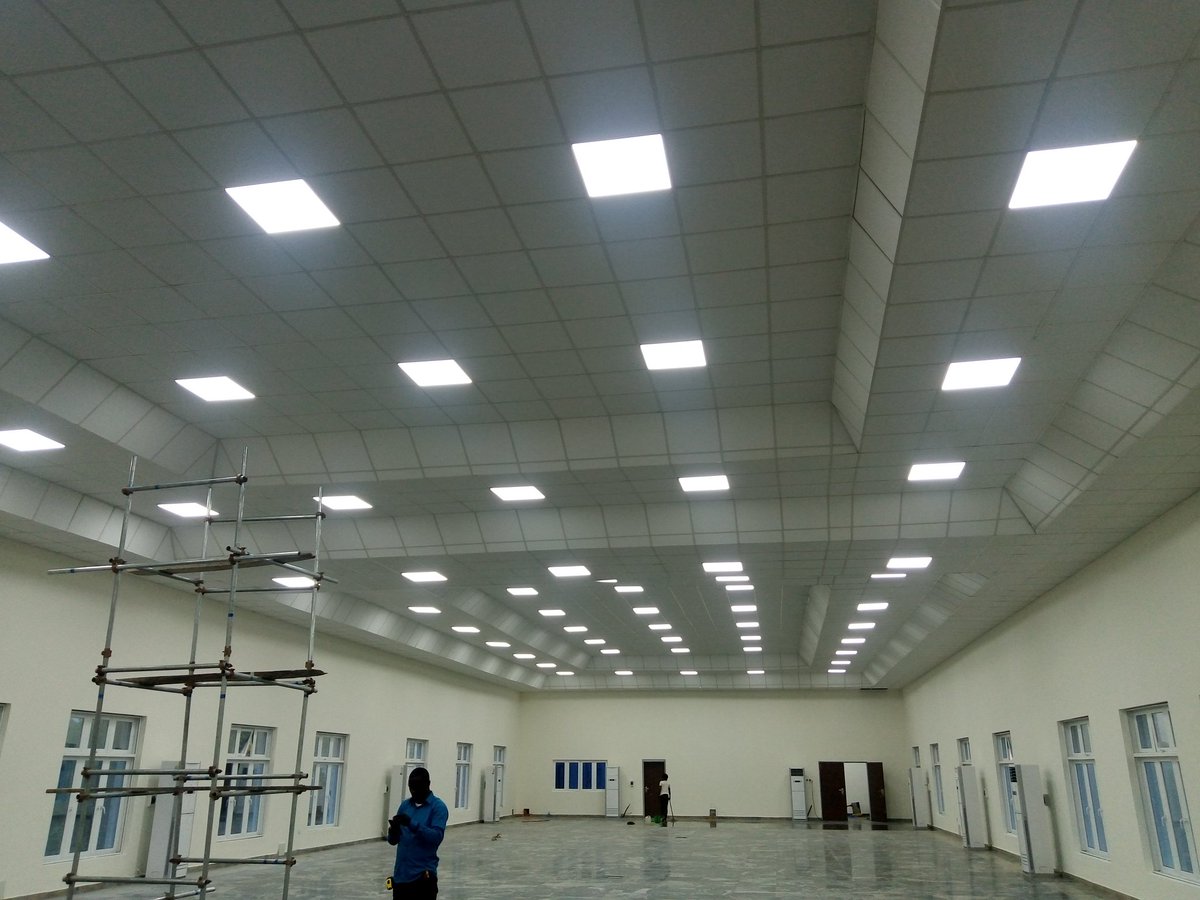
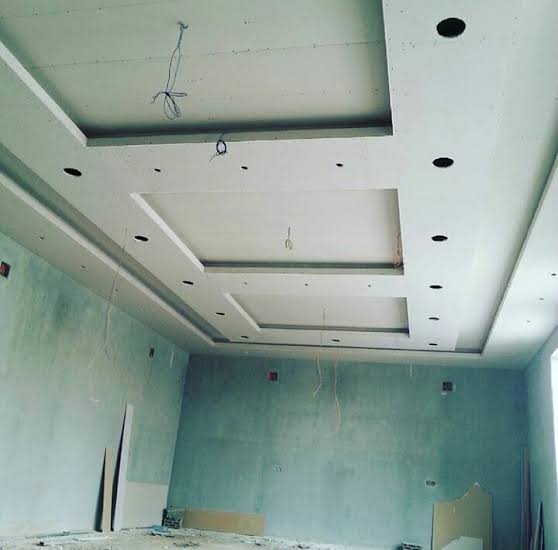
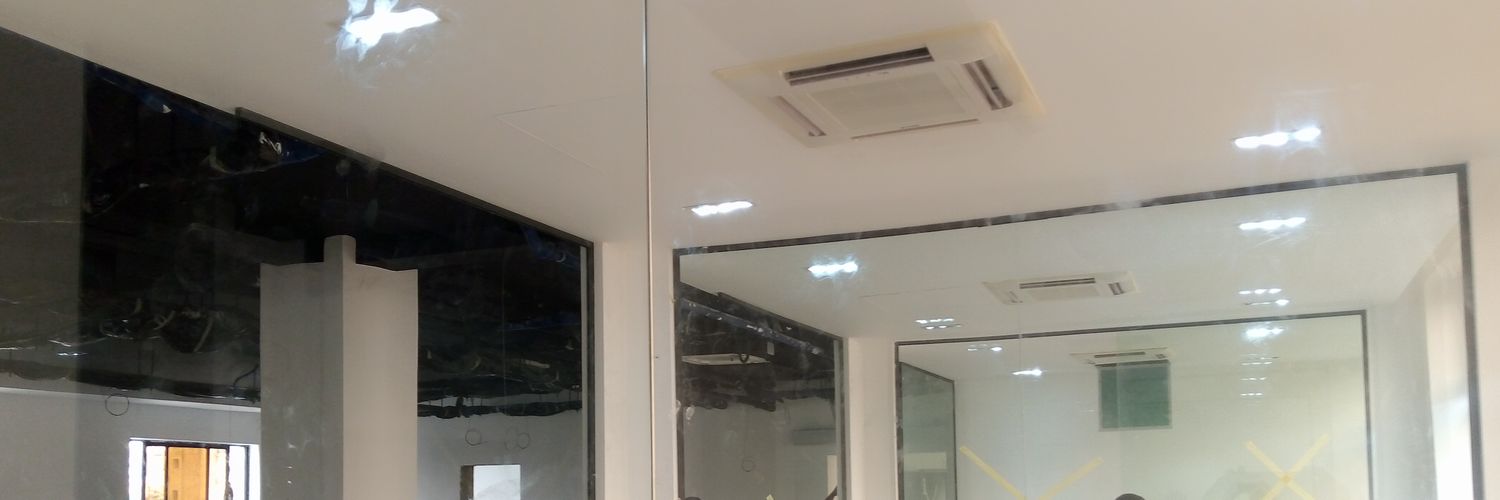
@DrJoeAbah For your Drywall Partitioning, Plasterboard Ceiling, Suspended Ceiling, Faux Marble Wall Cladding, etc, etc...hit me up on my DM.
You'll be glad you did.
@Ahjitkamal@Ezeudu100@gsbabatunde How are you able to conclude from what he posted that his father donated the mosque. How can there be a donation of such without the accompanying documents?
Had his father decided to convert the mosque to something else while alive, would these agitators have stopped him?
@Ahjitkamal@Ezeudu100@gsbabatunde The more reason those Muslims should allow the guy take control of the property he inherited from his father instead of clinging to material things that never belonged to them in the first place.
1979: General Obasanjo banned football betting: Nigerians say we no go gree: Obasanjo sef sey himsef no go gree:
Obasanjo don wear khaki finish, e wan hand over, but before e comot, e drop one bomb.
The government said pools betting must stop across the whole of Nigeria. No more coupon, no more Saturday dream, no more checking your number on paper. It did it with Decree No. 19 of 1979, the Pool Betting and Casino Gaming Prohibition Decree. It came into effect on 16 April 1979.
Inside that decree, Section 1 spoke plainly. From that day, running a pools business in Nigeria was a crime. Playing it was also a crime. Nobody could collect a licence again. If you sold a coupon, if you collected money for pools, if you printed pools paper, if you helped someone to play, you had entered trouble. The punishment was heavy for that time. A fine of not less than N5,000, plus prison, plus the seizure of your pools materials.
Why did Obasanjo do it? The government said gambling was spoiling society, it was making people waste money, and it was carrying foreign exchange out of the country because foreign owners were taking the profit abroad. Obasanjo said he wanted to build a decent, responsible and humane society, and to put social discipline in the mind of Nigerians.
But when Nigerians heard it, they said we no go gree. And Obasanjo himself said he too no go gree. Two stubborn sides collided.
The fight started at once, and it came from three corners.
First, there were the workers. Pools was not just a game. It was daily bread. Agents, clerks, distributors, the people who worked for the pools companies, saw their work vanish overnight. In Lagos, Ibadan, Ilorin, Bendel, Calabar and other towns, agents took to the streets after the decree, carrying placards. They wrote that to ban pools was a matter of life and death, and that the pools industry gave millions of Nigerians their daily bread. Some of those protests ended with police arrest.
Second, there were ordinary players and newspaper people. They said the government was punishing the poor man who was trying to make small money, while big corruption was going on at the top. Pools workers asked, if government truly wanted to fight poverty, why would it kill a business that fed low income people?
Third, there was politics. Civilian rule was coming, election was near. The National Party of Nigeria supported the ban, they said it was a moral matter. The Unity Party of Nigeria, led by Obafemi Awolowo, opposed it, and promised to lift it. They said the poor man should not suffer because government wanted to preach morality. Awolowo had an old connection with the pools industry before, so many agents believed him.
UPN did not win the presidency, but it won five governorships. In those states, it turned the ban upside down, it opened pools again, and it began to collect revenue again. At the same time, many people simply continued underground. That is why historians say when there is a ban, there is a way.
And the money told the story. By September 1980, Lagos alone had made about N3,537,450 from gambling licences. Between 1980 and 1983, the fees Lagos collected from pools betting, casinos, and gaming machines rose from a total of N5,260,000 to about N8,363,000.
So the ban was a real ban, law was law, but it did not hold everywhere, and it did not kill pools. It turned pools into a political matter about jobs, poverty, and who had the right to tell ordinary Nigerians how to spend their small money.
@EricaLu38@EtuksaviourAnt1@yabaleftonline That medical exam isn't for the faint hearted. I wonder why there are no better and less invasive ways of carrying out the test.