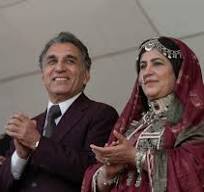
"It's like a dystopian nightmare for most Afghan women."
@AlexCrawfordSky reflects on her time in Afghanistan, where people are caught between harsh Taliban policies and major cuts to foreign aid.
ډېر جالب تحقیقاتي راپور دی، نه یواځې په لیدلو ارزي، بلکې په فکر کولو او لا زیات تحلیل او شننې هم ارزي!
په کتلو به يې پیښمانه نه شئ!!
https://t.co/wM5EV0uQaM
You can’t copy and paste western liberal democracy in Pakistan. The very idea is flawed and based on an inadequate understanding of development. There is no one grand theory of development as I discuss in this article:
“the West’s industrial modernisation owes nearly nothing to democracy since in those cases democracy was the outcome, not the cause, of said modernisation. This holds even in the context of the US/UK. Also, much of the capital for European modernisation was furnished through overseas colonial expropriation, enslavement, genocide.” https://t.co/uKKFpoqa9c
Even free and fair elections will not change the nature of Pakistan's state, nor would a hard state. Pakistan's political discourse is based on binaries that have little to do with history. This is why we are lost.
Why?
"There is no one theory of development because there is no single historical route to prosperity. Japan, South Korea, Taiwan, Singapore, China and Vietnam did not follow the same script; neither did Britain, the United States or continental Europe. Britain did not give women equal voting rights until 1928. Switzerland did not give women the federal vote until 1971. The US became an economic superpower before the Voting Rights Act of 1965.
History's lesson is uncomfortable but hard to ignore: countries often get democracy after they get development, not the other way around. Democracy can be the product of prosperity and strong institutions—not necessarily the engine that creates them.
The common thread among successful cases is not a regime label but the ability to build capabilities, solve binding constraints, experiment, learn and adapt. That is precisely what is missing from much of Pakistan's political discourse. We argue endlessly about who should wield power while paying too little attention to what that power is supposed to accomplish. Even educated political leaders reduce a complex historical and economic problem to a choice between democracy and coercion."
https://t.co/uKKFpoqa9c
@Nasir_Amany دغه جهاني د ملا عمر په وخت کي د هغو د نظام پلوي وو او هغه نظام ې د پښتنو نظام ګڼې او هغه اشغال ته ې پلمې لټولې او ټوله نړۍ خبره ده چي هغه وخت ټول افغانستان د نړۍ په ترهګرو ډک وو او تر ملا عمر زیات قدرت د اسامه وو خو نن بیا دغه اوتي بوتي واي
در روی پول افغانی باید تصویر بزرگان ادب و عرفان چاپ شود
🔳زردشت
🔳ابونصر فارابی
🔳خواجه عبدالله انصاری
🔳ابن سینا بلخی
🔳ابو المجد مجدود حکیم سنایی غزنوی
🔳مولانا عبدالرحمان جامی
🔳رحمان بابا
🔳 خوشحال خان خټک
🔳مولانا جلال الدین محمد بلخی
#آریانا#افغانستان
فارسیبازی به زبانشناسی ربط ندارد و وسیله و طرح سیاسی برای فعالان ضد پشتون است. چنین فعالان زبانشناس و مورخ نیستند و با آگاهی اندک، مفکورۀ «ایرانشهر» را ـ که در اصل در سلسلۀ ساسانی(۲۲۴ م-۶۵۱ م ) آغاز شده بود ـ با بلاهت نگرانکننده گسترش میدهند. بر علاوه، مفکورۀ «ایرانشهر» همچنان از اوستا اقتباس شده است و هیچ ربطی به نژاد پارسی ندارد.
در اوستا، جهان آریایی با پایتخت آن در آریانا به هفت ناحیه تقسیم شده است.
هفت کشور:
⏹️ «آرْزهی» (Arəzahī)
⏹️ جنوب شرق: «فراداتفشو» (Fra-daδafšu)
⏹️ جنوب غرب: «ویداتفشو» (Wīdaδafšu)
⏹️ غرب: «ساوهی» (Sawhī)
⏹️ شمال غرب: «وُروبرشتی» (Wouru barəštī)
⏹️ شمال شرق: «وُروجشت» (Wōrūǰaršt)
⏹️ در مرکز هفت اقلیم، «خوانیرثه بامی» (Xᵛaniraθa-bāmī) یا سرزمین 🔸آریا با پایتخت «آیریانم ویجه» (Airyana Vaejah) واقع شده است.
🔳هفت اقلیم برای آریایان در آریانا مفکوره روحانی بود. ارواح مقدس در آسمان با یک هزار چشم از کاینات پاسداری وپیره میکنند.اهل فارس چنین مفکوره به موضوع سیاسی تناسخ دادند.
🟨یشت (۱۰) در مورد هفت اقلیم (۱۲۰۰ ق م در آریانا)
yahmya sāstārō aurva
paoiriš ĩrā̊ rāzayente
yahmya garayō bərəzantō
pouro vāstrā̊rᵊhō āfəntō
θātairō gave frāθayente
yahmya ǰafra varayō
urvāp̄̊rᵊhō hištəante
yahmya āpō nāvayā̊
pərəθwiš xšaoθarᵊha θwaxšənte
āiškatəm pourutəmča
avi arəzahi savahi
avi fradaθafśu vīdaθafśu
avi vouru barəšti vouru ǰarəšti
avi imat̠ karšvarə
yat̠ x ᵛaniraθə bāmīm
gavašayanəm gavašitīmča baēšzy̜a̜m
miθrō sūrō ādiθātī
ساسانیان در قرن سوم میلادی مفکورۀ هفت اقلیم را به موضوع امپراتوری و سیاسی مبدل کردند و در نتیجه اسم مستعار «ایرانشهر» را اختراع کردند.
فارسی از جغرافیای «فارس» افاده میکند و در اصل هیچ ربطی به فارس ندارد.
🟨. اوستایی در آریانا
⏹️ اوستایی کهن (۲۲۰۰–۱۷۰۰ ق.م)
↩️ اوستایی میانه (۱۷۰۰–۱۲۰۰ ق.م)
↩️ اوستایی نوین (۹۰۰–۴۰۰ ق.م):
⤵️ دری و ⏹️ پشتو
🔳تعریف فارسی: زبان کسانیکه در فارس به دری گپ میزدند و به مرور زمان لهجۀ خود را تغییر دادند.
▪️ عبدالله ابن مقفع (۷۲۴م – ۱۰۵–۱۰۶ هجری قمری)
▪️ ابوعلی محمد بلعمی (وفات ۹۹۲م) که وزیر نوح بن منصور سامانی (۹۶۳–۹۹۷م) بود، زبان دری را زبان رسمی سامانیان در کتاب «تاریخ الرسل و الملوک» طبری شرح میکند.
▪️ فردوسی (۳۲۹ هجری قمری – ۹۴۰م)
همه از زبان دری روایت دادهاند.
🟨البیرونی در غزنی کتاب «تحقیق ما للهند» را در سال ۴۲۱ هجری(1030 میلای ) تالیف کرد. با نرجع به موضوع هفت اقلیم اوستا، البیرونی اقتباس هقت اقلیم را توسط ساسانیان شرح می کند.
اهل پارسی آریایی نیستند و تنها فرهنگآریایی را بنوع زبان (اوستایی)و دین(زردشتی) سال۵۲۲ ق م در سلطنت داریوس اول(۵۲۲-۴۸۶ ق م) اقتباس کردند. مردم پارس در آن زمان به زبان های ایلامی ، اکدی و بابلی تکلم می کردند. آریا و پارسا دو نژاد مختلف هستند.
فرق دری، فارسی و تاجیکی از لحاظ زبانشناسی⬇️
هر کله وبّرخیال
#آریانا
#افغانستان
On this Mother’s Day, let’s all remember that economy is the foundation of real freedom; a woman who can earn with dignity can stand on her own with dignity and that no true freedom can exist alongside poverty.
Afghans in diaspora and friends of Afghan women should know that nothing supports Afghan #women more than buying what they produce locally, like the #Wakhjir in #Kabul, that I randomly found on Instagram. They sell handmade items crafted by #Afghan women. This is how Afghan women gain independence, not through charity, but through opportunity. Buying from women goes directly to the #women you want to help, not the system.
Happy Mother’s Day y’all!
#HappyMothersDay
Iran-Pakistan-India
Pakistan imports nearly $17 billion worth of oil, LNG, LPG and coal every year. Yet our power plants run below capacity. Our fertiliser plants cry for feedstock. Our industry waits for predictable energy. LNG is expensive. Spot cargoes are risky. The energy gap is real, growing and costly — in lost output, idle factories, pressure on the rupee and foreign exchange spent at the worst possible time.
The answer sits next door. Iran has oil — around 208 billion barrels of crude oil reserves, with a notional gross value of nearly $22 trillion. Iran has gas — around 34 trillion cubic metres of proven natural gas reserves, with a notional gross value of around $20 trillion. These are not cash-in-hand numbers. These are in-ground, gross-value numbers. But they show the scale just across Pakistan’s border.
Gas from South Pars. Oil from Iranian fields. Moving east into Pakistan. Into our power plants. Into our fertilizer sector. Into our industry. At prices potentially below imported LNG. Without the volatility of spot cargoes. Without full exposure to distant shipping routes and chokepoints. That is what an Iran-Pakistan energy corridor means — before India even enters the equation.
Cold truth: Pakistan’s energy crisis is not only a shortage problem. It is a geography problem. The solution begins next door.
Now talk about India.
Pakistan must convert geography into transit income. Not millions. Billions. Consider the equation: India needs energy. Iran needs markets. Pakistan needs dollars.
Last year, India imported nearly $137 billion worth of crude oil — roughly 88 percent of the crude it consumes. It also imported another $15 billion worth of LNG. Then there is LPG: roughly $10 billion more. Add crude, LNG and LPG together, and India’s fossil-energy import bill stands in the range of $175 billion to $190 billion a year.
Cold truth: India does not run its economy on oil and LNG. India runs its economy on imported oil and imported LNG.
Three facts: India has demand. Iran has supply. Pakistan has geography.
Pakistan must turn geography into economics. The pipeline logic is simple. Gas from South Pars moves through Iran’s internal gas network towards Iranshahr, then to the Iran-Pakistan border, across Balochistan to Gwadar, and onward to Nawabshah — Pakistan’s gas-grid junction. From Nawabshah, the same corridor can move eastward towards India.
South Pars becomes the source. Gwadar becomes the energy node. Nawabshah becomes the grid gateway. India becomes the market. Pakistan becomes the transit state.
Imagine: Gas moves east. Dollars move west. Pakistan earns in the middle.
Pakistan’s geography has no value until it is monetised. Pakistan’s map earns nothing — a corridor earns. Assume the corridor carries 1 billion cubic feet of gas a day. At $12 per MMBtu, that is a $4.5 billion annual gas flow. At Asian LNG-linked prices, it can cross $6 billion a year.
Imagine: 1 bcf moves east. $6 billion moves west. Pakistan earns $500 million in the middle.
Nawabshah to India is commercial geography. Nawabshah to China is strategic geography. A South Pars–Gwadar–Nawabshah line could, over time, become part of a CPEC energy spine moving north towards Xinjiang. China has the demand. China has the capital. East to India. North to China. India offers demand next door. China offers capital and scale.
Under sanctions, Iran is closed. Under normalisation, Iran becomes one of the biggest energy openings in the world — one of the largest undeveloped hydrocarbon prizes on earth. ExxonMobil, Chevron, ConocoPhillips, Halliburton, Baker Hughes, Schlumberger — the entire American energy ecosystem would look at Iran. Not out of charity. Out of scale. Out of reserves. Out of technology gaps. Out of long-term cashflows.
Sanctions have kept capital out. Technology has lagged. Fields need recovery, drilling, compression, LNG, pipelines, processing plants and petrochemicals. That is not a million-dollar opportunity. That is a multi-hundred-billion-dollar reconstruction of an energy system.
Five ground realities: India needs energy. Iran has gas. Pakistan has geography. Gwadar has location. Nawabshah has the grid. The missing piece is policy.
https://t.co/2Ono7kcx32
@Barmakf Who has claimed that these people came from no where I am also of the opinion that they r the same lot as that of Afghans living in those areas u mentioned but were not a different nation. After converting to Islam they became known with new name as Tazis.
@Barmakf U are falsely erecting a false history. I have challenged u many times to find Tajik word in any historical record before Islam came to Afghanistan but u failed to mention any history book in this regard. Stop lying.