Protecting Every Vote. Winning 2027. Together.
My fellow Nigerians at home and abroad,
Over the past months, wherever I go and in your many messages, two questions keep coming up: How will our votes be protected in 2027? And how will we win?
These are fair questions, and you deserve direct answers.
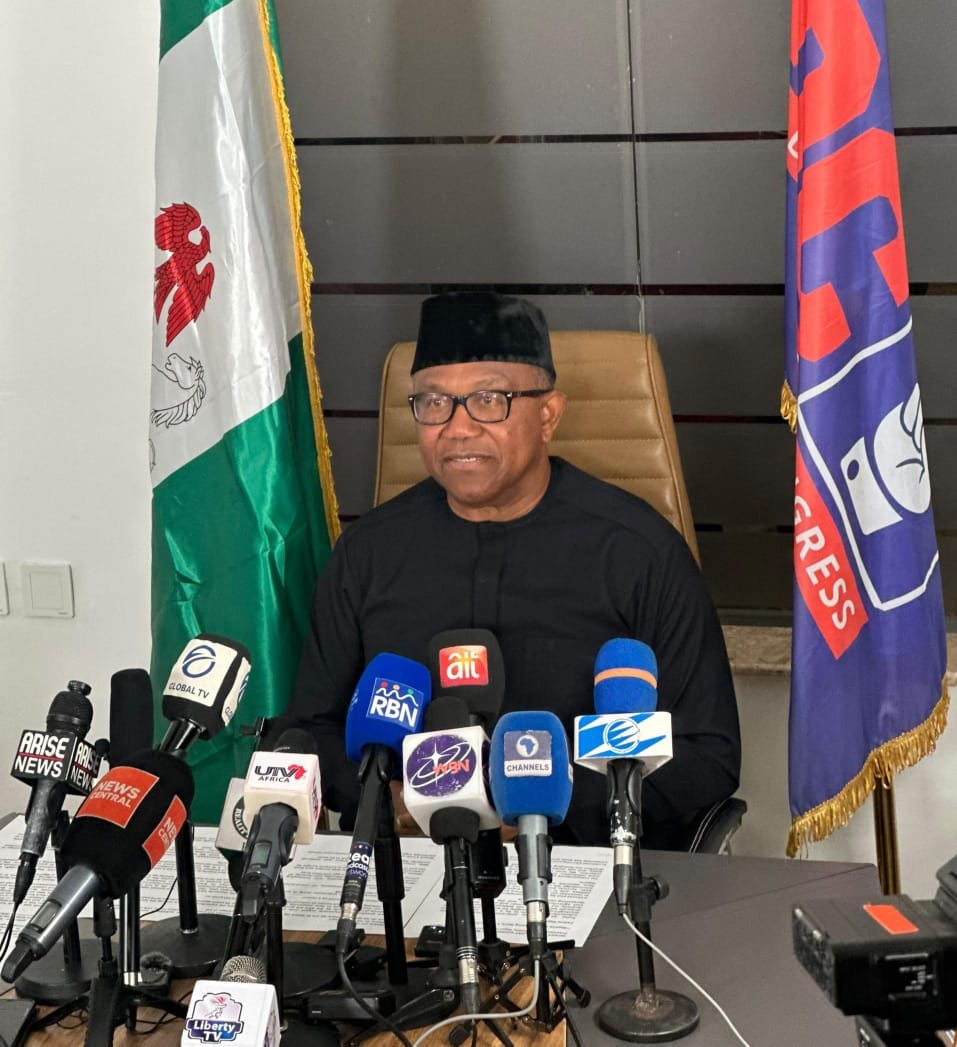
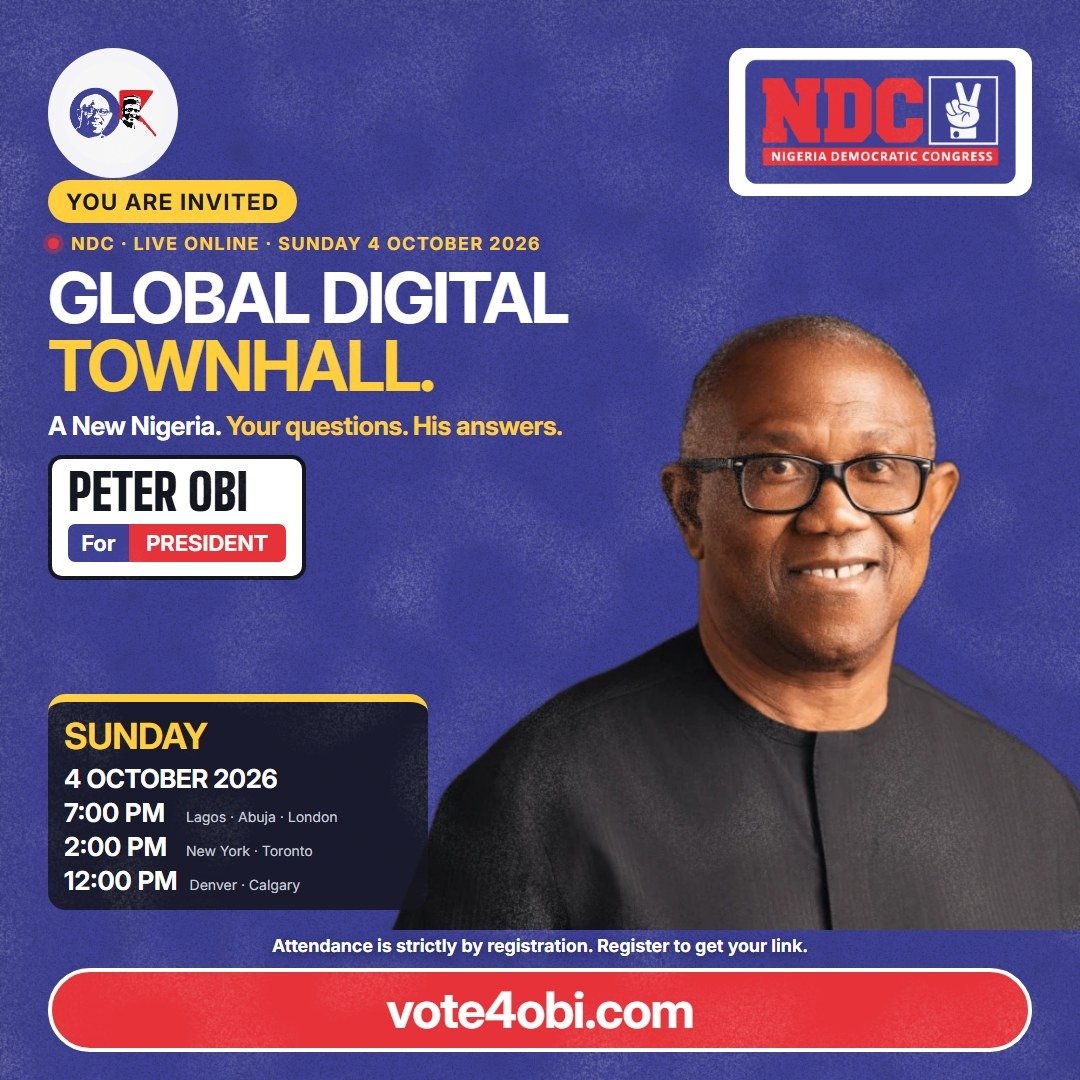
This Sunday, I will answer you directly, and more importantly, listen to you. I will join you for A New Nigeria Global Digital Townhall. We will speak plainly about protecting every vote and the path to victory.
But this is not only about speaking to you. It is about listening to you. I want to hear your concerns, your insights and your strategies. This movement has always been built by you, and your ideas will shape what we do next.
Sunday, October 4, 2026
7:00 PM WAT/GMT | 2 PM EST | 12 PM MST
Attendance is by registration: https://t.co/tBtGQWtcun
Let us continue this conversation together. A New Nigeria is POSSIBLE. -PO
Independence Is Meaningless Without Real Freedom
As we continue to reflect on Nigeria’s Independence, we must remember that independence means very little if citizens cannot freely express themselves, within the bounds of the law, without fear.
Reports that some Nigerians in Akwa Ibom were arrested simply for identifying with the Obidient Movement should worry every Nigerian who believes in democracy and freedom, especially when such identification is a constitutional right.
One of the greatest tragedies of our society is that people who once described themselves as freedom fighters can become defenders of oppression when they eventually occupy positions of authority. Those who once complained about injustice can become comfortable with injustice when it is being perpetrated against people they disagree with. That must not be the Nigeria we accept.
Our independence must ultimately mean freedom from fear, injustice, intolerance and abuse of power.
Nigeria must belong to all of us. -PO
Nigeria at 66: Looking Back, Looking Forward
Fellow Nigerians,
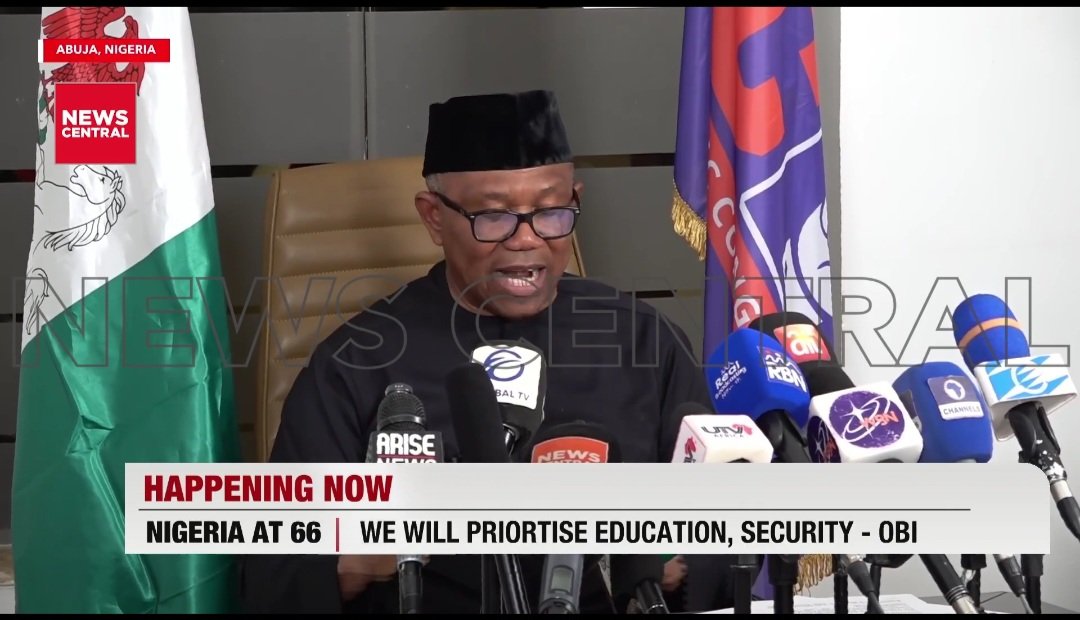
Today we mark the sixty-sixth anniversary of our independence. It ought to be a day of celebration and thanksgiving to God Almighty for the gift of life and for the immense blessings He has bestowed on our nation—our diversity, our abundant human and natural resources, our vast agricultural potential, and the relative absence of devastating natural disasters.
It should also be a day of appreciation and patriotism: a day to remember our founding fathers and all those who made selfless, and in many cases supreme, sacrifices for the birth, survival and growth of our dear nation. We must acknowledge the efforts of past and present leaders who have laboured, however imperfectly, to build a better Nigeria.
Yet independence anniversaries must never be reduced to mere celebration. They are moments for honest national reflection. We must look back, examine where we stand today, and ask ourselves whether we are moving in the direction our founding fathers envisioned.
In national planning and strategy, every serious nation must continually ask three fundamental questions:
Where are we today?
Where do we want to be?
How do we get from where we are to where we want to be?
These questions are especially urgent now. Despite the enormous promises made by the APC-led government in 2023, our nation continues to face deepening challenges across virtually every critical sector of national life.
Today we stand before the world as a nation:
With an extraordinarily large population living in poverty and severe hardship; over 140M
With one of the largest populations of out-of-school children in the world; over 18M
Where insecurity, terrorism, banditry and kidnapping continue to threaten lives and livelihoods, just recently 37 young Nigerians in their productive age lost their lives
Where millions of Nigerians struggle with hunger and food insecurity; over 40M Nigerians will be in extreme hunger by the end of 2026.
With unacceptably high rates of infant and maternal mortality; Nigeria today is the worst place to be born.
Where youth unemployment and underemployment remain alarmingly high; over 35M
Where drug abuse and substance misuse increasingly threaten our young population; today 14% as against global average of 6%
Where life expectancy remains among the lowest globally, today 54 years against global average of 74 years
And the list goes on.
This reality demands serious, sober and honest reflection. Socrates taught that “the unexamined life is not worth living.” By the same principle, an unexamined nation cannot successfully chart its future. We must therefore ask ourselves: Are we cursed, or have we become the curse through the choices we have made and the failures we have tolerated?
The answer cannot be that Nigeria is cursed. We are a nation immensely endowed and blessed. Our greatest problem is not a lack of resources; it is the failure to convert our enormous resources into human development, productivity, security and shared prosperity.
Only yesterday, Senator Rabiu Kwankwaso and I returned from a two-day visit to Sokoto State. We held extensive consultations with people from different parts of the state on insecurity, out-of-school children, poverty, youth unemployment, drug abuse and other challenges confronting our people.
In concluding the visit, we went to the Internally Displaced Persons camp at Ramin Kura within Sokoto metropolis. What we saw was deeply troubling. Thousands of women and children live in deplorable conditions, displaced from their homes and deprived of the basic necessities of life. Many of the children have no access to education. Mothers and children have limited access to basic healthcare. These are Nigerians who should be living in their communities, going to school, farming their land, conducting their businesses and contributing to the economy. Instead, they live as displaced persons in their own country.
Yesterday, I spoke with ARISE News on the Anambra debt question and other issues affecting our nation.
In the interview, I clarified the facts surrounding the multilateral development funds accessed by Anambra State, the financial position I left behind in 2014, and the urgent need to focus on the hardships confronting Nigerians rather than on political distractions. I am Sharing this interview to correct factual details, clear all doubts, and put the issues in their proper perspective.
A new Nigeria where leaders are proud of their past is POssible. -PO
https://t.co/kvURszM91q
ON THE ANAMBRA DEBT QUESTION
I have remained silent over the past few days because I have been grieving the loss of my very dear elder brother and friend, Chief Okey Ezeibe. However, the time has come for me to address some of the matters that have occupied public discussion in recent days.
I respectfully urge everyone to concentrate on the existential challenges confronting Nigeria and the hardships endured by its citizens, rather than on the needless distractions that have become widespread in our politics.
I wish to assure the public that I have no disagreement with my dear elder brother, Governor Soludo, or with any governor in Nigeria. I am not seeking the office of governor in any state, and I will not seek that position again, even if the Constitution is amended.
Accordingly, I appeal to governors to support whichever presidential candidate they choose while also permitting and assisting other presidential candidates and contenders for other offices to campaign freely and without interruption in their states. Ultimately, voters should be allowed to determine whom they wish to serve them.
Regarding the multilateral funding inaccurately described as “debt owed by Peter Obi” in Anambra State, I wish to state unequivocally:
As Governor of Anambra State, I did not approach any financial institution to borrow funds or issue a bond on behalf of the state. Indeed, at his farewell ceremony, the then Director-General of the DMO, Abraham Nwankwo, appointed me chairman and declared that, during his 10 years in office, I was the only state governor who had not approached him for a loan facility.
When I left office, the Anambra State Government owed no unpaid salaries, gratuities, or pensions. Neither did it owe any contractor or supplier who had completed work that the government had verified and certified.
Regarding development financing from the World Bank, these are concessionary development-support funds secured by the Federal Government for states selected by it to address specific needs. Repayment is spread over 25 to 30 years.
The Anambra State Government must therefore differentiate among three separate figures: the total amount approved for the multiyear development program; the amount Anambra State actually drew during my tenure; and the funding balance outstanding when I handed over on 17 March 2014.
The government has combined these distinct categories, added them together, and described the resulting US$123.77 million as “loans left by Peter Obi.” That is an incorrect application of public-sector accounting.
The eight facilities identified were primarily World Bank and IFAD development programs negotiated by the Federal Government, with participating states receiving access to the funds through subsidiary arrangements. They were not conventional commercial loans that I personally secured during my tenure.
This does not suggest that Anambra had no repayment responsibilities; rather, each facility must be examined in light of its approval, effectiveness, drawdown, and repayment record.
The clearest contradiction appears in the government’s own figures. It states that the original facilities amounted to approximately US$123.77 million and that US$92.35 million remained outstanding in June 2026. However, the DMO’s published records showed Anambra’s total external debt at approximately US$18 million when I began my tenure in March 2006, about US$30 million in March 2014, when I left office, and approximately US$45.15 million as of 31 December 2014, nine months after my departure.
The Anambra State Government must therefore clarify how a state whose recorded external debt was about US$30 million in March 2014 and US$45.15 million in December 2014 could supposedly have inherited US$123.77 million from Peter Obi, who left office in March of that same year.
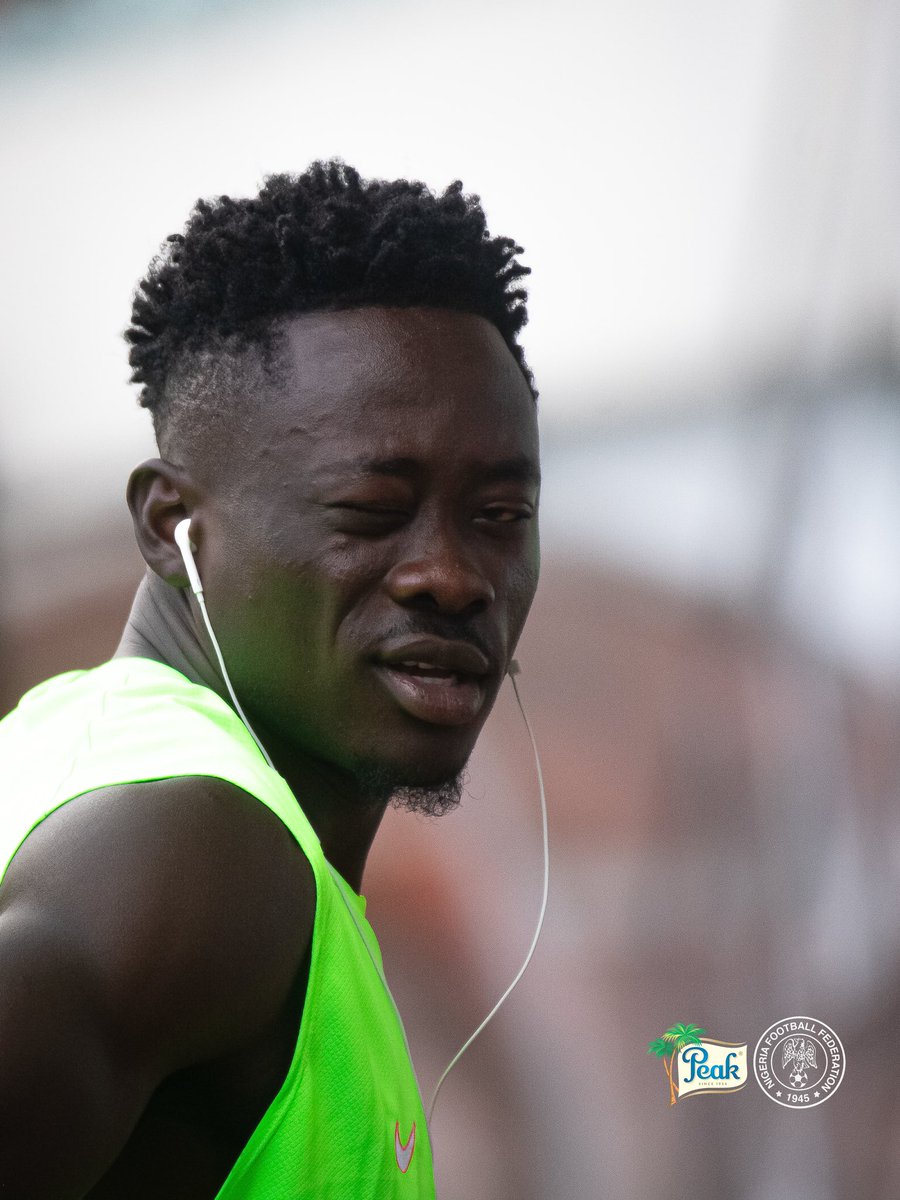
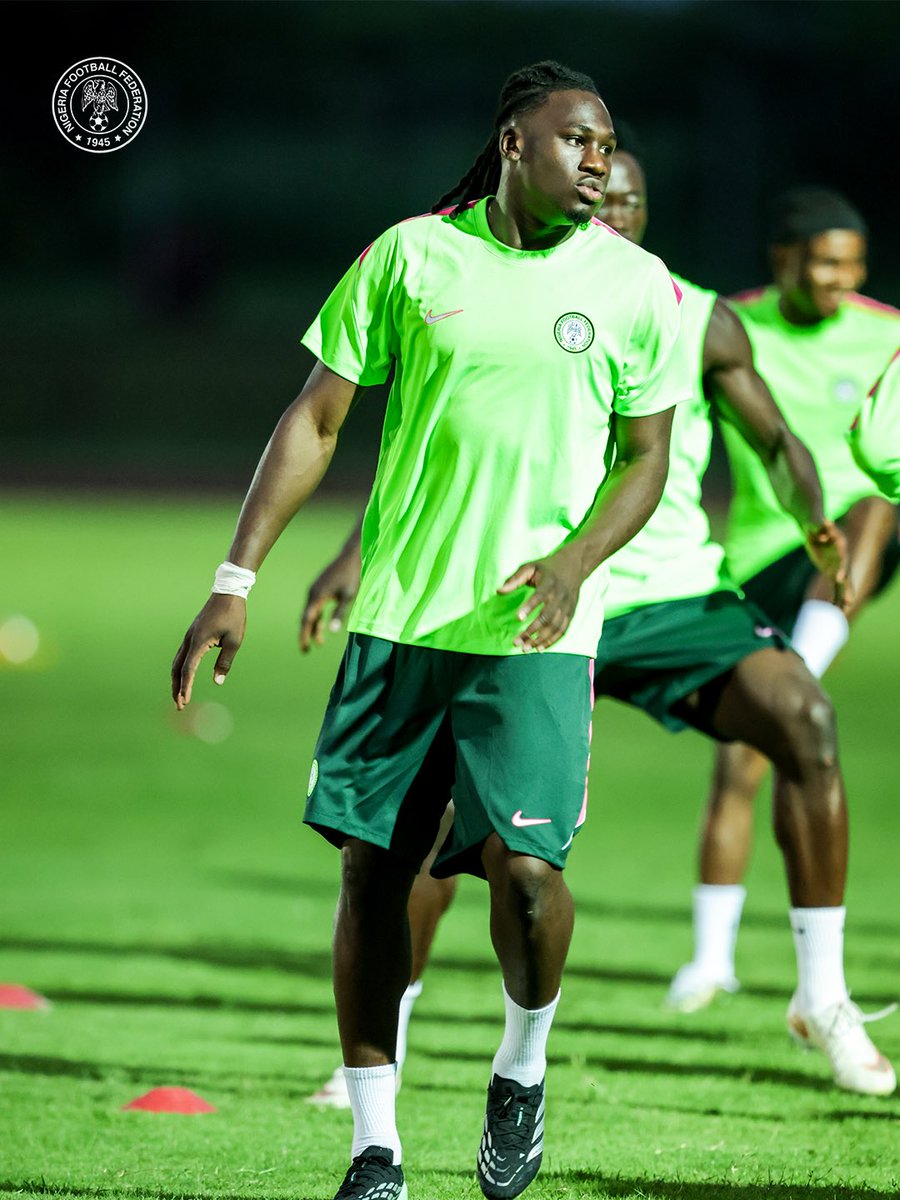
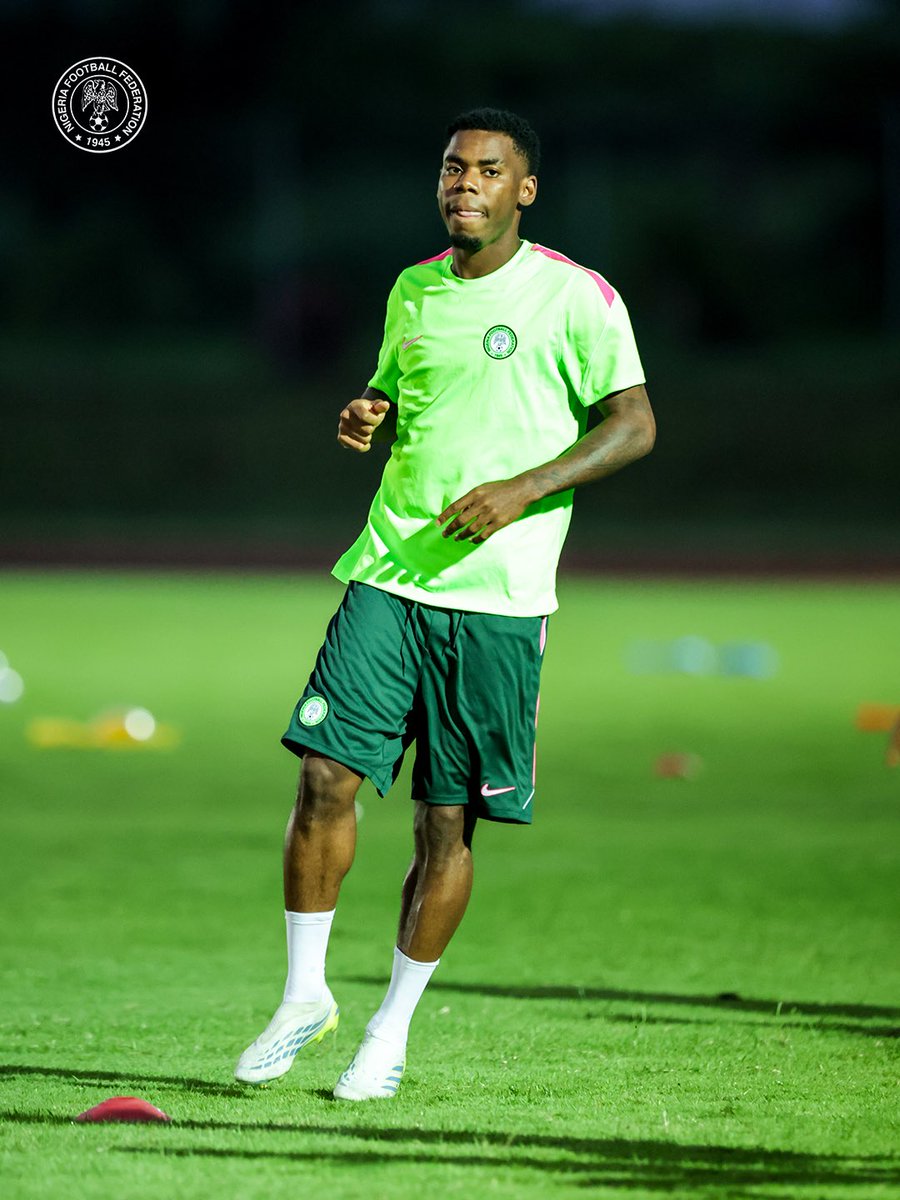
George Ilenikhena, Moses Usor and Isaac James get their first taste of the Super Eagles’ camp initiation.
Welcome to the Eagles, boys. 🇳🇬
#SoarSuperEagles
Today in London, I continued consultations centered on Nigeria's future with some shareholders.
Our conversations centered on economic partnerships, strengthening institutional frameworks, and unlocking potential locked within Nigeria's vibrant youth demographic.
A recurring theme in all my discussions was the urgent necessity of transforming Nigeria from a consumer economy into a productive economy. This structural shift relies entirely on intentional investments in human capital—specifically health, education, and enterprise. We must forge a society where merit, integrity, and competence are celebrated and rewarded, leaving behind the era of nepotism and compromise.
While our current challenges are profound, they pale in comparison to the boundless resilience and determination of our people.
A New Nigeria is POssible. -PO
Let's begin to give dignity to human lives in our land.
The death of 37 persons in the custody of the Nigeria Security and Civil Defence Corps (NSCDC) in Minna, Niger State, is a deeply troubling tragedy that demands urgent answers. These were persons who had been arrested as suspects. Whatever offence they were suspected of committing, they were still human beings, and the responsibility of the State was to keep them alive, safe, and treated humanely while due process took its course.
It is particularly disturbing that so many people could die within a place of detention in such a short period. While investigations are ongoing into the actual cause of these deaths, including reports concerning disease, overcrowding, and inadequate ventilation, Nigerians deserve a transparent, independent, and credible investigation that establishes exactly what happened.
This tragedy also reminds us that security is not merely about arresting people. Security is about protecting lives, upholding the dignity of every citizen, and ensuring that the institutions entrusted with our safety operate within the law.
A nation cannot claim to value human life when people can enter government custody alive and emerge dead without immediate, transparent, and credible accountability.
I extend my deepest condolences to the families of the deceased and urge the authorities to ensure that justice is done. Nigeria must become a country where the rule of law protects every citizen, not only those who are free but also those who are in custody.
May God grant the families the strength to bear this painful loss. -PO
This was the day I finally decided to take a break. Since 2020 I have dedicated my art and platform to speaking up against injustice, bad governance and societal ills.
I remember all of it even during the 2023 Elections. There is nothing I will say now that I haven’t already said. And even though I know I can continue to do that, it just gets tiring.
A few of us can’t keep begging the Majority of Nigerians to earn their own freedom.
The oppressors will never let it go so easily. They are nothing without corruption and that is why they will stop at nothing to continue to enable the rot in our society at the expense of the Nation’s success and prosperity.
How can a few politicians continue to ruin the lives of over 200 Million Nigerians and do it so brazenly without any resistance! I’m sure they also cannot believe their luck.
Until Nigerians get rid of the survival mentality which conditions us to automatically operate on survival mode instead of a sane and enabling environment that gives every Nigerian the opportunity to succeed, then we are truly not ready.