My book "Japanese Morphography: Deconstructing hentai kanbun" published by Brill is out now! The e-book is already available and the hardback version will follow very soon.
For everyone interested in the history of writing in Japan or morphography.
https://t.co/zgIOfunv2k
A new paper of mine just got published in the new issue of Japonica Humboldtiana. It is concerned with Japanese handbooks on letter writing and particularly the expression of politeness by decursivizing the script.
If you are interested, drop me a DM.
https://t.co/yt3nBt2g7k
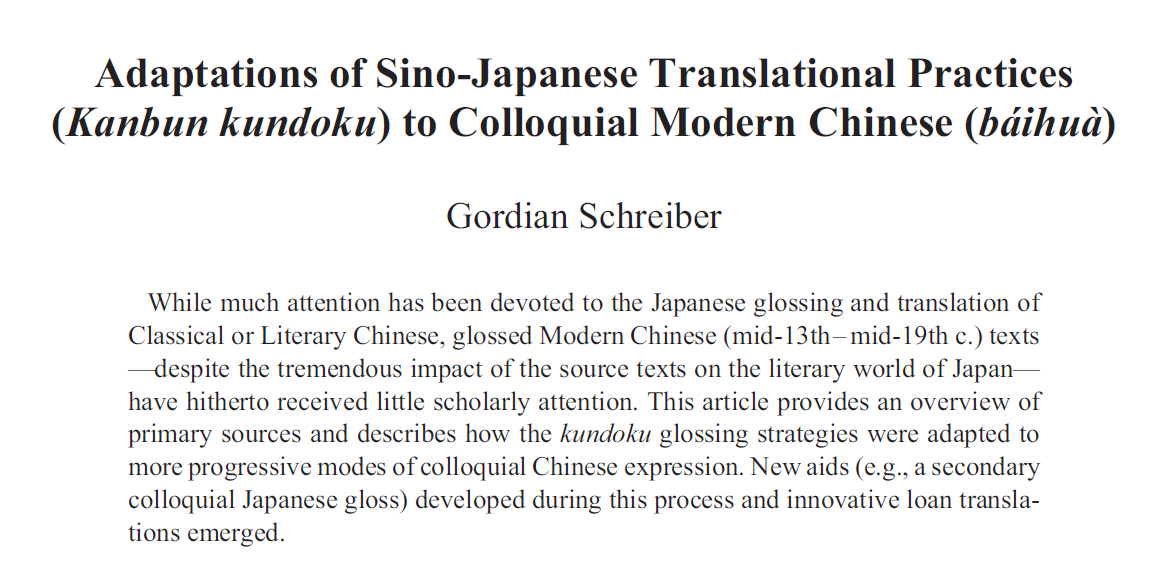
The new issue of BJOAF includes not one but two papers on kanbun kundoku! My part deals with the challenges and adaptations of kundoku in the realm of colloquial Chinese texts.
If you are interested, drop me a DM.
Also check out Sven Osterkamp's paper!
https://t.co/ua2KZFijyT
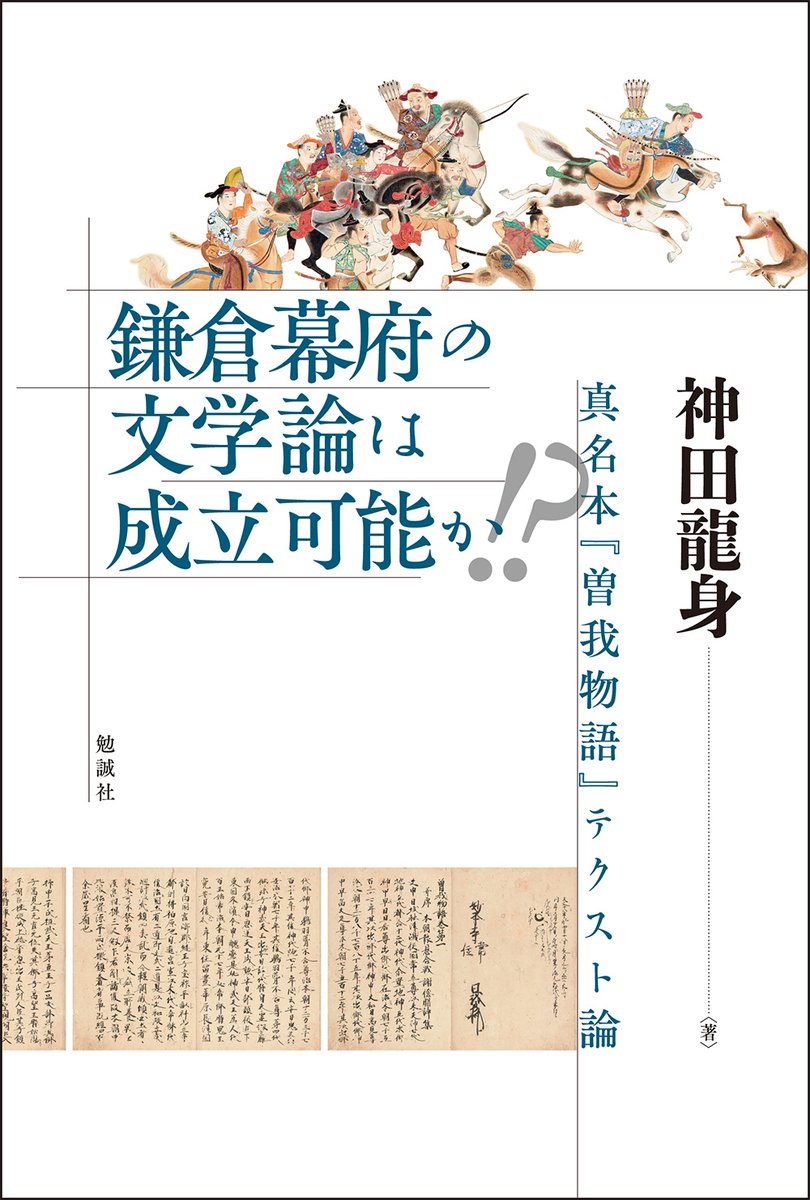
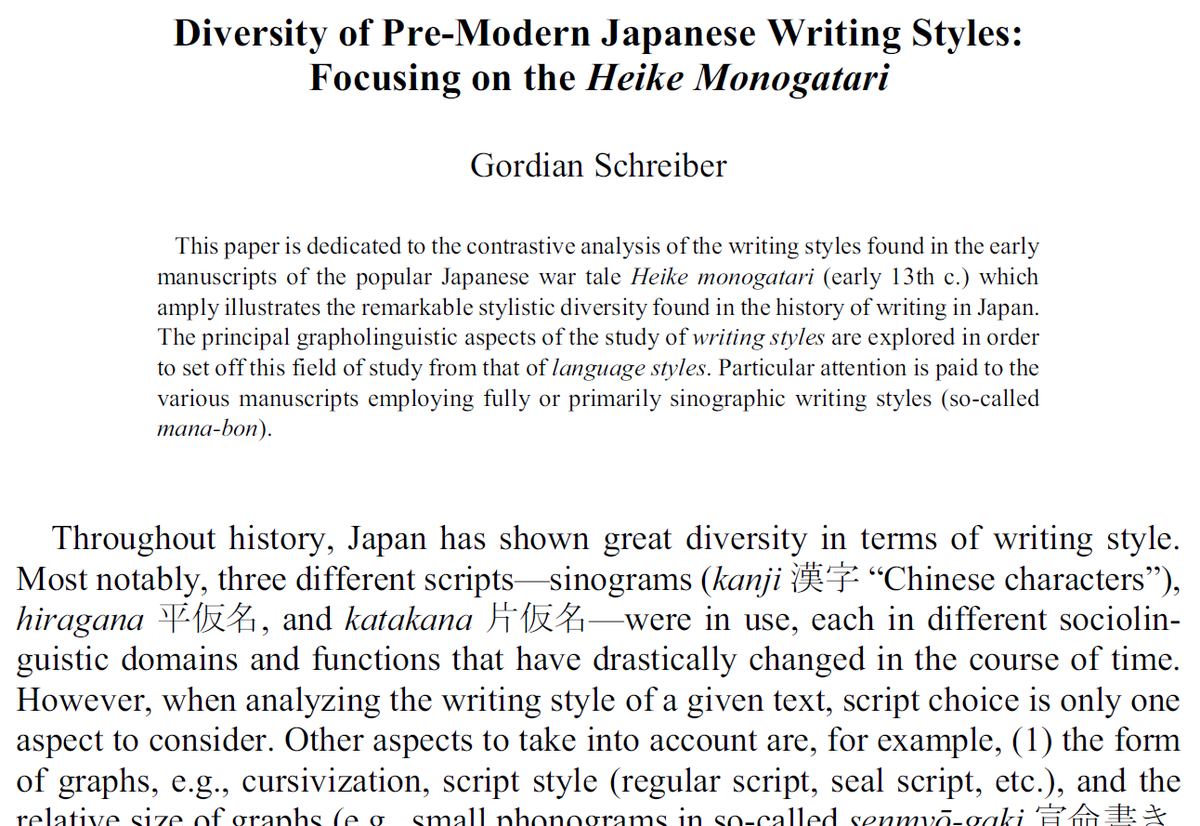
Just uploaded a new paper on the diversity of writing styles in pre-modern Japan, mostly in regard but not limited to the Heike monogatari.
I'm particularly intrigued by the so-called manabon 真名本 - manuscripts written predominantly in kanji.
https://t.co/bXJDzSdTuH
Neat poster design from the 60s by Yokoo Tadanori.
Reminiscent of Ukiyo-e including funky use of sinograms.
時夜無・銀髪婆人 for "John Silver" (the name of the play).
Summer School for Ancient Trans-Himalayan Languages (SSATH) announced at Trinity College Dublin, with a core offering on Tibetan, Tangut, and Classical Newar, Old Chinese exc. documents, and workshops on Classical Yi, Old Meitei, and Old Burmese. https://t.co/23YVNJWibZ
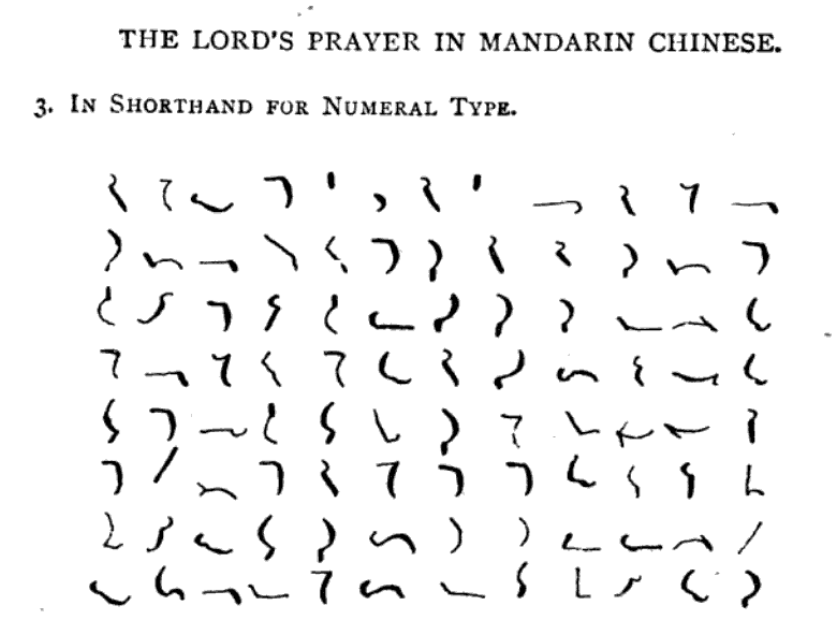
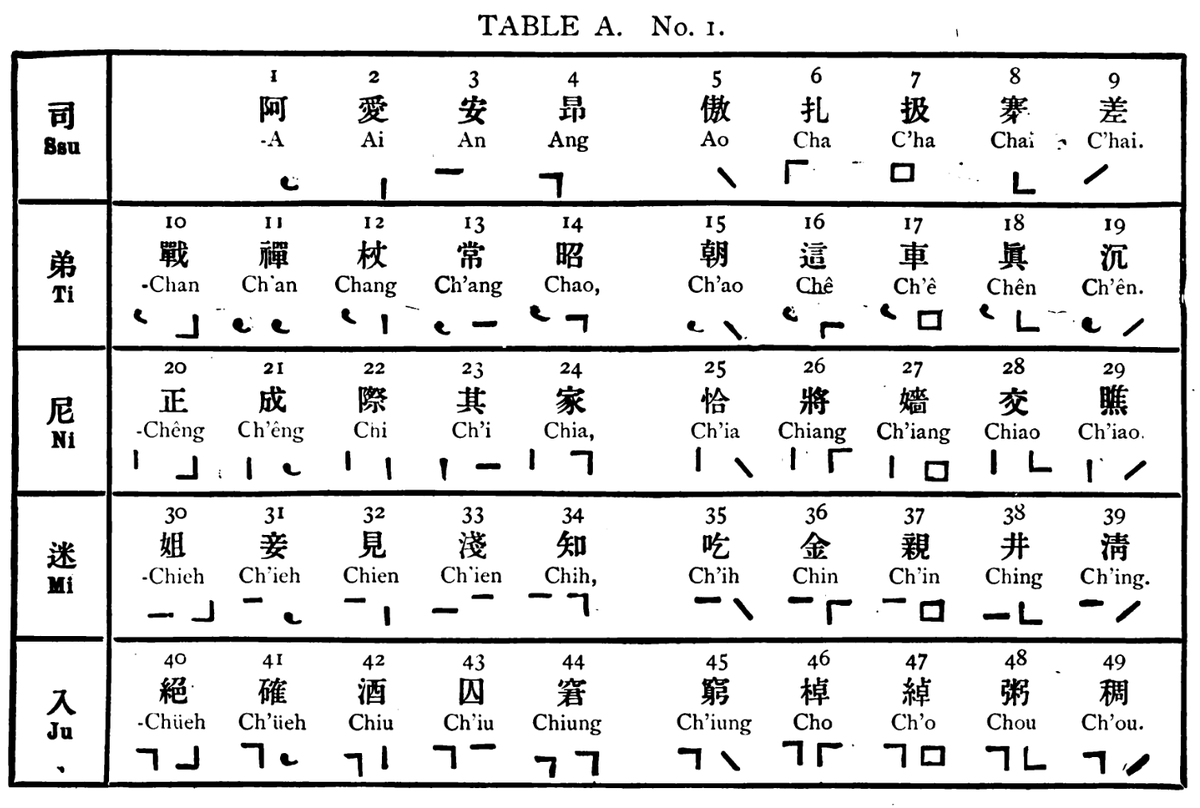
Note especially the edition of Mark in Murray's "numeral type" (= N.T.Chin.d.29), a quite amazing way of writing Mandarin. For an outline of this Braille-based numeral system, see:
Gordon Cumming 1898 The Inventor of the Numeral-Type for China @ https://t.co/6U3u2b1iOc
I am thrilled to have my paper published in the journal Historiographia Linguistica. Many thanks to the editors and reviewers for the quick turnaround!
Excited to announce the publication of my new article "Visions of the Eastland: Reading the Azuma uta of Man'yoshu" in Japanese Language and Literature last week: https://t.co/AZG47wxzvh
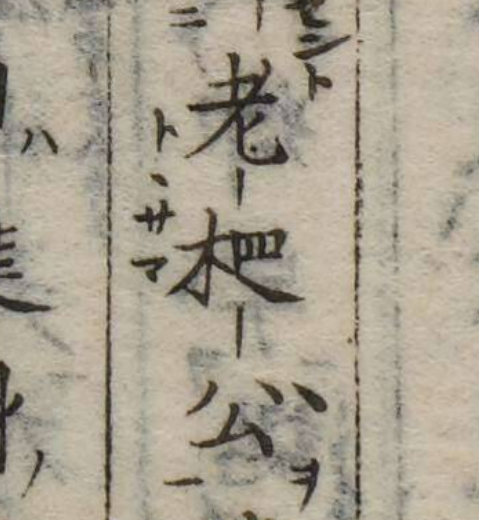
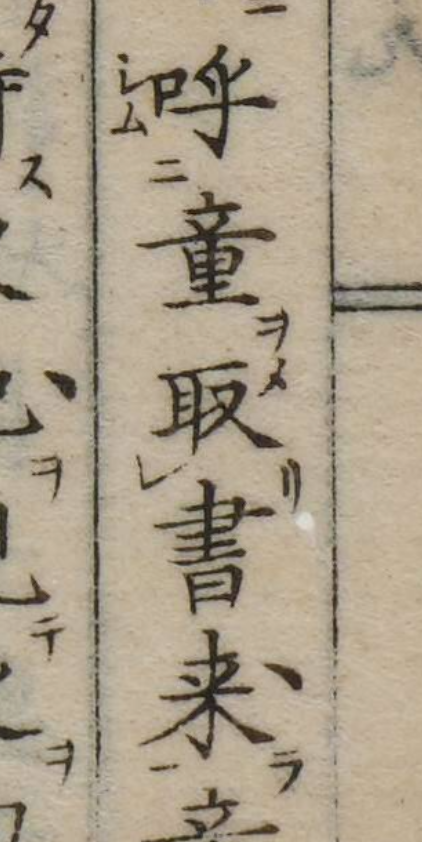
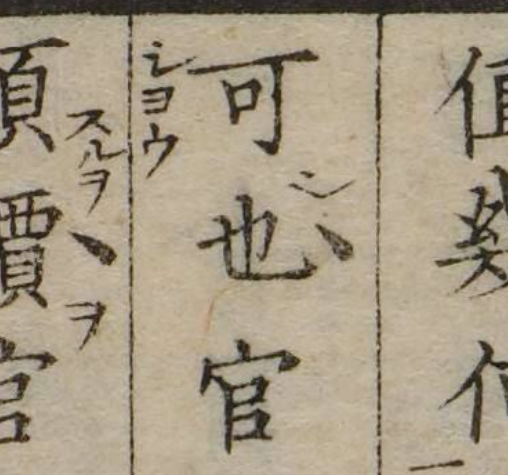
Another interesting hybrid approach (print from 1829) to glossing a similar causative construction.
読み添え of シテ (≈ "new" approach) but the シム is still attached to the left side of the graph (≈ "old" approach)not right side. Not sure but it's probably intentional.
I think it's safe to say that at this point in time (print is from 1857) there was some confusion on how to deal with the glossing of causatives, here 教, and where to place シテ for the causee in particular.
Old: Treat 教 as a 再読文字
New: 読み添え of シテ
???: Do both!
48 high-quality submissions to the 2024 /gʁafematik/ conference have been accepted. Here is the full list, which is also displayed on the conference's website. Check it out!
Out now (at least online): Routledge Handbook of East Asian Translation 🥳
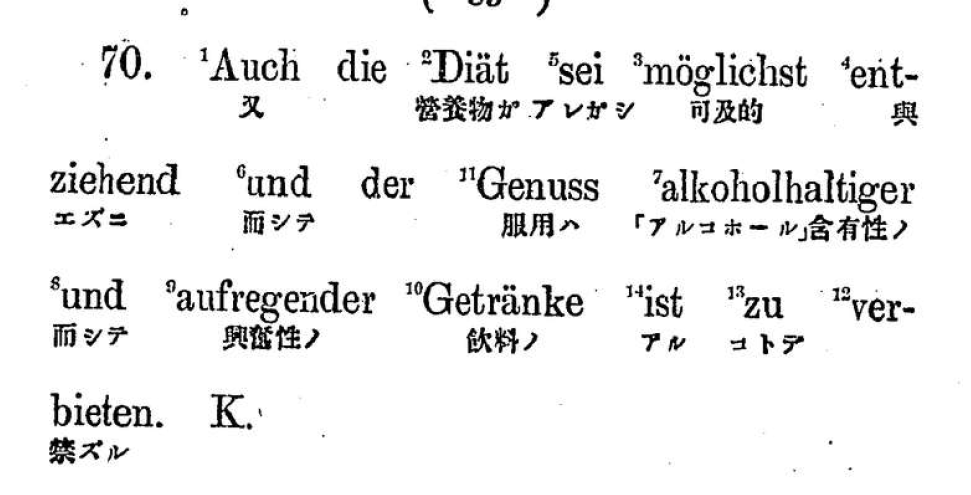
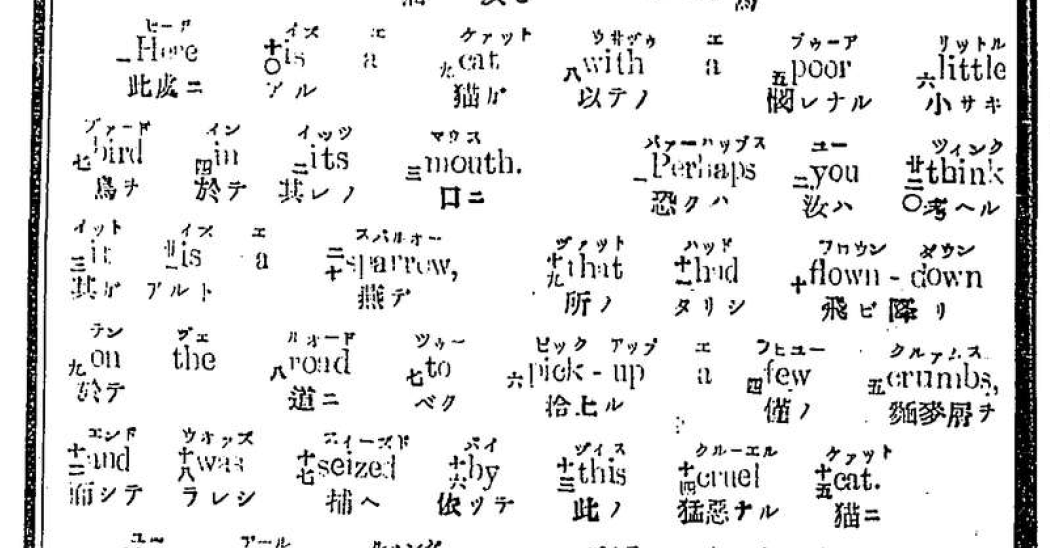
Including a paper by @lingulangua and myself: "European Languages through Sino-Japanese Looking Glasses? Ōbun kundoku in Japanese Translation History (Late 18th to Early 20th C.)": https://t.co/Lyi3hfs9Rl