I am saddened to learn that another Indonesian UNIFIL peacekeeper has succumbed to his wounds following an incident in March, when a shell fired from an Israeli Defence Forces tank struck a @UNIFIL_ position in southern Lebanon, according to UNIFIL’s preliminary findings.
My deepest condolences to the family, friends & colleagues of the fallen peacekeepers and I wish a full & fast recovery of the other injured.
Six peacekeepers serving with UNIFIL have now been killed & several more have been seriously injured following recent incidents amid the hostilities between Hizbullah & the Israel Defense Forces.
These attacks must stop.
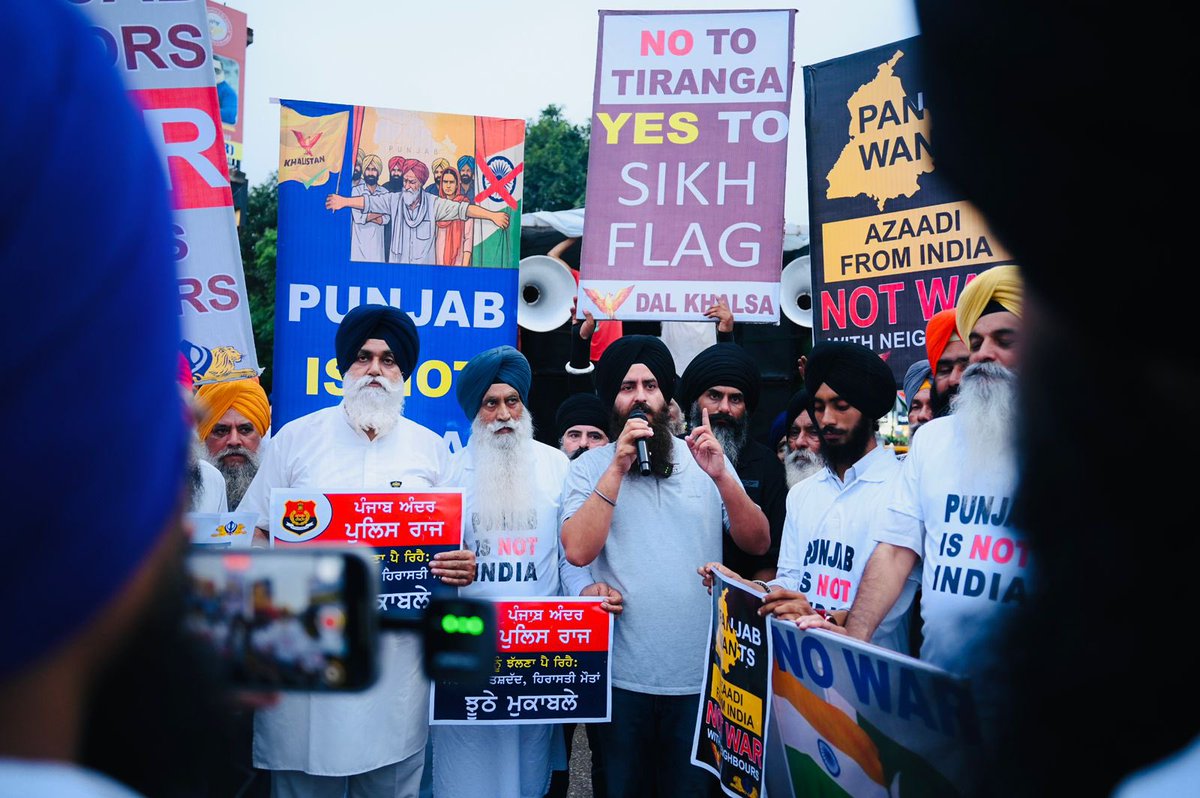
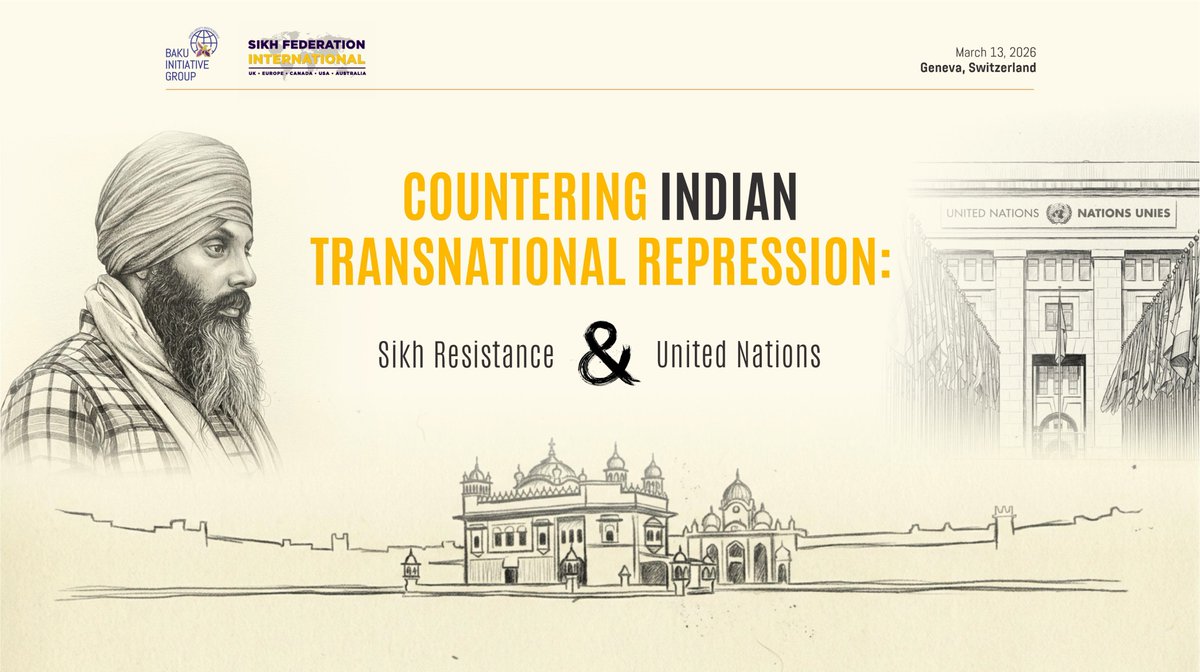
At a recent conference on transnational repression in Geneva, Bhai Moninder Singh reflected on the historical foundations of Sikh sovereignty, outlining how the Sikh political tradition evolved from the teachings of Guru Nanak and the martyrdom of Guru Arjan to the creation of the Khalsa by Guru Gobind Singh in 1699, which established a collective identity committed to justice, self-rule, and the principle of Raj.
He emphasized that Sikh political aspirations today must be understood within this historical trajectory. The Sikh Confederacy and the period of Khalsa Raj demonstrated that Sikhs exercised sovereignty and maintained systems of governance prior to colonial intervention. In this context, he noted that the Sikh call for Khalistan is not about constructing a new political project, but about reclaiming a sovereignty that historically existed and was lost through colonial restructuring of the subcontinent and the later consolidation of the modern India. Understanding this distinction, he argued, is central to recognizing why many Sikhs frame their struggle not as secession, but as the restoration of a historical right to sovereignty.