Distance: 2.54 miles. Calories burned: 643. Duration: 1 hour 5 minutes. Average pace: 25:33. Average heart rate: 139.
Numbers tell part of the story—but they don’t capture the discipline behind it. This session wasn’t about speed or chasing a record. It was about consistency, control, and putting in real work from start to finish. Staying locked into a steady pace, managing breathing, and maintaining that heart rate without falling off is what builds endurance over time.
An average heart rate of 139 means I stayed in that effective zone—pushing enough to burn and build stamina, but controlled enough to sustain it for over an hour. That balance is where progress happens. Not too easy, not reckless—just focused effort.
The first few minutes are always smooth. You feel fresh, everything flows. But as time goes on, fatigue starts creeping in. Legs get heavier, focus starts drifting, and that internal voice tells you to slow down or cut it short. That’s where discipline takes over. That’s where you decide whether you’re just working out or actually training.
643 calories burned isn’t just a number—it’s the result of staying consistent even when it got uncomfortable. It’s the result of not stopping when it would’ve been easy to. Every minute added pressure, and every minute I chose to keep going.
Pace matters, but control matters more. I wasn’t trying to sprint through this. I was building something sustainable—endurance that lasts, not quick bursts that fade. That’s the difference between short-term effort and long-term progress.
Sessions like this build more than just physical strength. They build mental resilience. The ability to stay focused, to stay consistent, and to push through discomfort translates into everything else—inside and outside the gym.
No shortcuts. No skipped steps. Just showing up, putting in the time, and doing the work.
This is how progress is made—one session at a time.
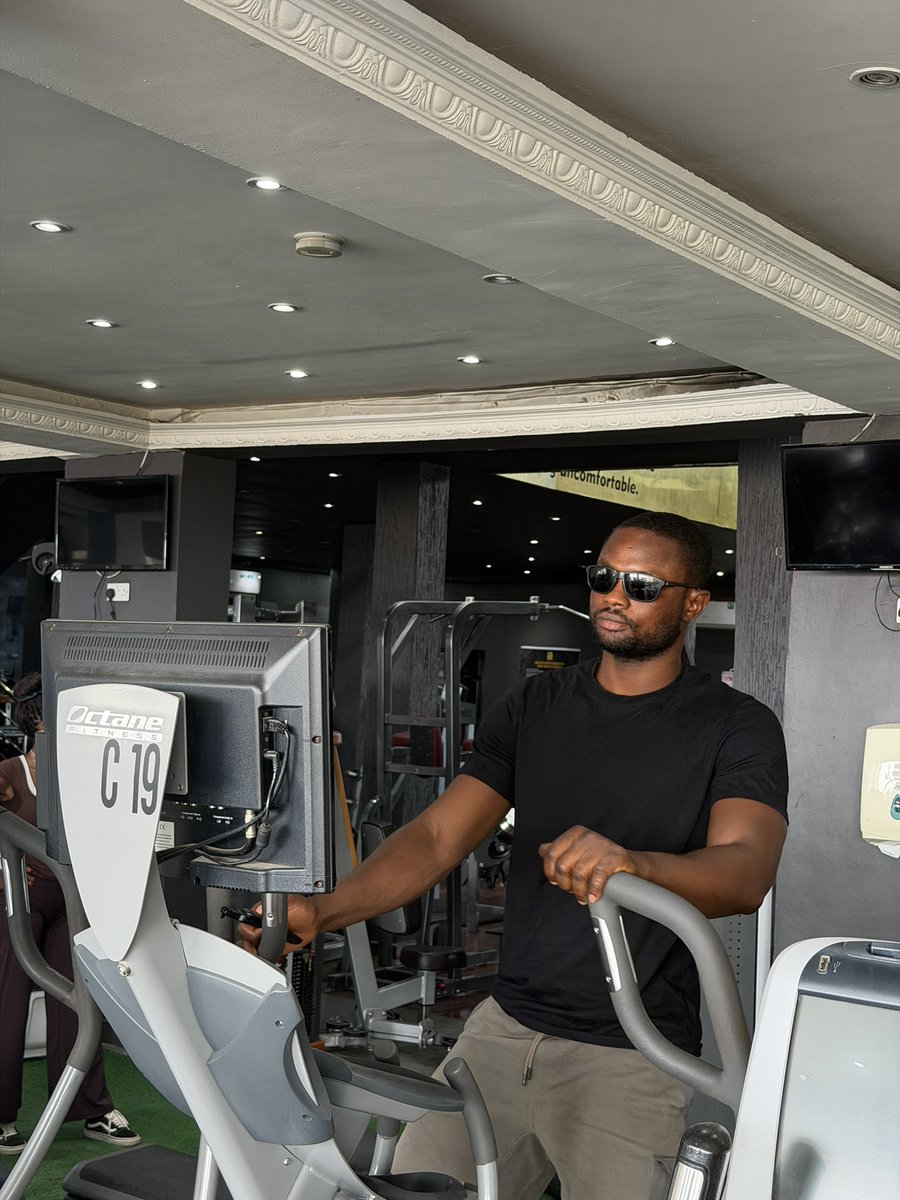
Started with the elliptical trainer to get the body fully activated and the blood flowing. I always prioritize cardio at the beginning—not just for the physical benefits, but to mentally lock in and set the tone for the entire session. Around 40+ minutes in, steady pace, controlled breathing, and staying consistent with the resistance. It’s not about rushing through it, it’s about discipline and endurance.
A lot of people overlook this part, but this is where stamina is built and fat is burned efficiently. This is where you train your mind to keep going even when it gets uncomfortable. No shortcuts, no skipping steps—just putting in the work.
From here, it’s straight into the rest of the workout. Every session is a step forward. Stay consistent, stay focused, and keep showing up.
Started with the elliptical trainer to get the body fully activated and the blood flowing. I always prioritize cardio at the beginning—not just for the physical benefits, but to mentally lock in and set the tone for the entire session. Around 40+ minutes in, steady pace, controlled breathing, and staying consistent with the resistance. It’s not about rushing through it, it’s about discipline and endurance.
A lot of people overlook this part, but this is where stamina is built and fat is burned efficiently. This is where you train your mind to keep going even when it gets uncomfortable. No shortcuts, no skipping steps—just putting in the work.
From here, it’s straight into the rest of the workout. Every session is a step forward. Stay consistent, stay focused, and keep showing up.
80kg × 30 reps.
At a glance, it’s just a number. Something easy to scroll past. Another set. Another post.
But that’s the difference between people who watch… and people who understand.
Because this set didn’t start when I picked up the weight.
It started long before that.
It started on the days I didn’t feel like training but showed up anyway.
The sessions where energy was low, motivation was gone, and nothing felt right—but I stayed.
The quiet work. The unnoticed reps. The consistency nobody applauds.
That’s where this was built.
So when I unrack 80kg, I’m not just lifting weight—I’m carrying all of that with me.
The first 10 reps? Controlled. Focused. Technical.
Everything is where it should be. Breathing steady. Form locked in.
This is the part everyone sees.
But that’s not where the set begins.
By rep 12… 15… 18… things start to change.
The weight feels heavier. The tempo slows. The burn starts spreading across your chest, into your arms. Your breathing gets sharper. Your body starts asking questions.
“Rack it.”
“Take a break.”
“That’s enough.”
Most people listen here.
Because it’s still easy to justify stopping.
You’ve already done more than average.
But average isn’t the goal.
So you keep going.
At 20 reps, everything shifts.
Now it’s no longer about strength—it’s about tolerance.
Tolerance for discomfort.
Tolerance for fatigue.
Tolerance for that voice in your head trying to negotiate your way out.
Every rep now is slower. Heavier. More intentional.
There’s no rhythm anymore—just effort.
And then you reach the point most people never touch:
The last 10 reps.
This is where the set reveals you.
There’s no technique advantage here. No trick. No hack.
Just a decision—over and over again.
Push.
Lock out.
Lower.
Repeat.
Your chest is burning. Your arms feel like they’re giving out.
Your breathing is broken. Your focus is narrow.
And your mind starts getting louder.
“This is enough.”
“You’ve proven your point.”
“Stop here.”
But this is exactly where the work is.
Not in the comfort. Not in the clean reps at the beginning.
But here—in the messy, uncomfortable, grinding part where everything slows down and nothing feels good.
This is where discipline replaces motivation.
Because motivation fades early.
Discipline is what carries you through the reps that actually matter.
So you keep pushing.
One more rep.
Then another.
Then another.
Until there’s nothing left to give.
And when the weight finally racks, it’s not relief—it’s clarity.
Because you know you didn’t stop where it was easy.
You stopped where it was finished.
That’s the difference most people will never see.
They’ll see “80kg × 30 reps.”
They won’t see the conversation behind it.
They won’t feel the resistance, the doubt, the decision-making that happened inside that set.
But that’s where progress lives.
Not in numbers.
Not in highlights.
But in those moments where quitting is justified—and you choose not to.
That’s how strength is built.
Quietly. Repeatedly. Intentionally.
No shortcuts. No noise. No excuses.
Just work.
Now I’ll ask you something real—
When it starts to burn… when it slows down… when your body tells you to stop…
Do you actually push past it?
Or do you stop where it’s comfortable?
80kg × 30 reps.
At a glance, it’s just a number. Something easy to scroll past. Another set. Another post.
But that’s the difference between people who watch… and people who understand.
Because this set didn’t start when I picked up the weight.
It started long before that.
It started on the days I didn’t feel like training but showed up anyway.
The sessions where energy was low, motivation was gone, and nothing felt right—but I stayed.
The quiet work. The unnoticed reps. The consistency nobody applauds.
That’s where this was built.
So when I unrack 80kg, I’m not just lifting weight—I’m carrying all of that with me.
The first 10 reps? Controlled. Focused. Technical.
Everything is where it should be. Breathing steady. Form locked in.
This is the part everyone sees.
But that’s not where the set begins.
By rep 12… 15… 18… things start to change.
The weight feels heavier. The tempo slows. The burn starts spreading across your chest, into your arms. Your breathing gets sharper. Your body starts asking questions.
“Rack it.”
“Take a break.”
“That’s enough.”
Most people listen here.
Because it’s still easy to justify stopping.
You’ve already done more than average.
But average isn’t the goal.
So you keep going.
At 20 reps, everything shifts.
Now it’s no longer about strength—it’s about tolerance.
Tolerance for discomfort.
Tolerance for fatigue.
Tolerance for that voice in your head trying to negotiate your way out.
Every rep now is slower. Heavier. More intentional.
There’s no rhythm anymore—just effort.
And then you reach the point most people never touch:
The last 10 reps.
This is where the set reveals you.
There’s no technique advantage here. No trick. No hack.
Just a decision—over and over again.
Push.
Lock out.
Lower.
Repeat.
Your chest is burning. Your arms feel like they’re giving out.
Your breathing is broken. Your focus is narrow.
And your mind starts getting louder.
“This is enough.”
“You’ve proven your point.”
“Stop here.”
But this is exactly where the work is.
Not in the comfort. Not in the clean reps at the beginning.
But here—in the messy, uncomfortable, grinding part where everything slows down and nothing feels good.
This is where discipline replaces motivation.
Because motivation fades early.
Discipline is what carries you through the reps that actually matter.
So you keep pushing.
One more rep.
Then another.
Then another.
Until there’s nothing left to give.
And when the weight finally racks, it’s not relief—it’s clarity.
Because you know you didn’t stop where it was easy.
You stopped where it was finished.
That’s the difference most people will never see.
They’ll see “80kg × 30 reps.”
They won’t see the conversation behind it.
They won’t feel the resistance, the doubt, the decision-making that happened inside that set.
But that’s where progress lives.
Not in numbers.
Not in highlights.
But in those moments where quitting is justified—and you choose not to.
That’s how strength is built.
Quietly. Repeatedly. Intentionally.
No shortcuts. No noise. No excuses.
Just work.
Now I’ll ask you something real—
When it starts to burn… when it slows down… when your body tells you to stop…
Do you actually push past it?
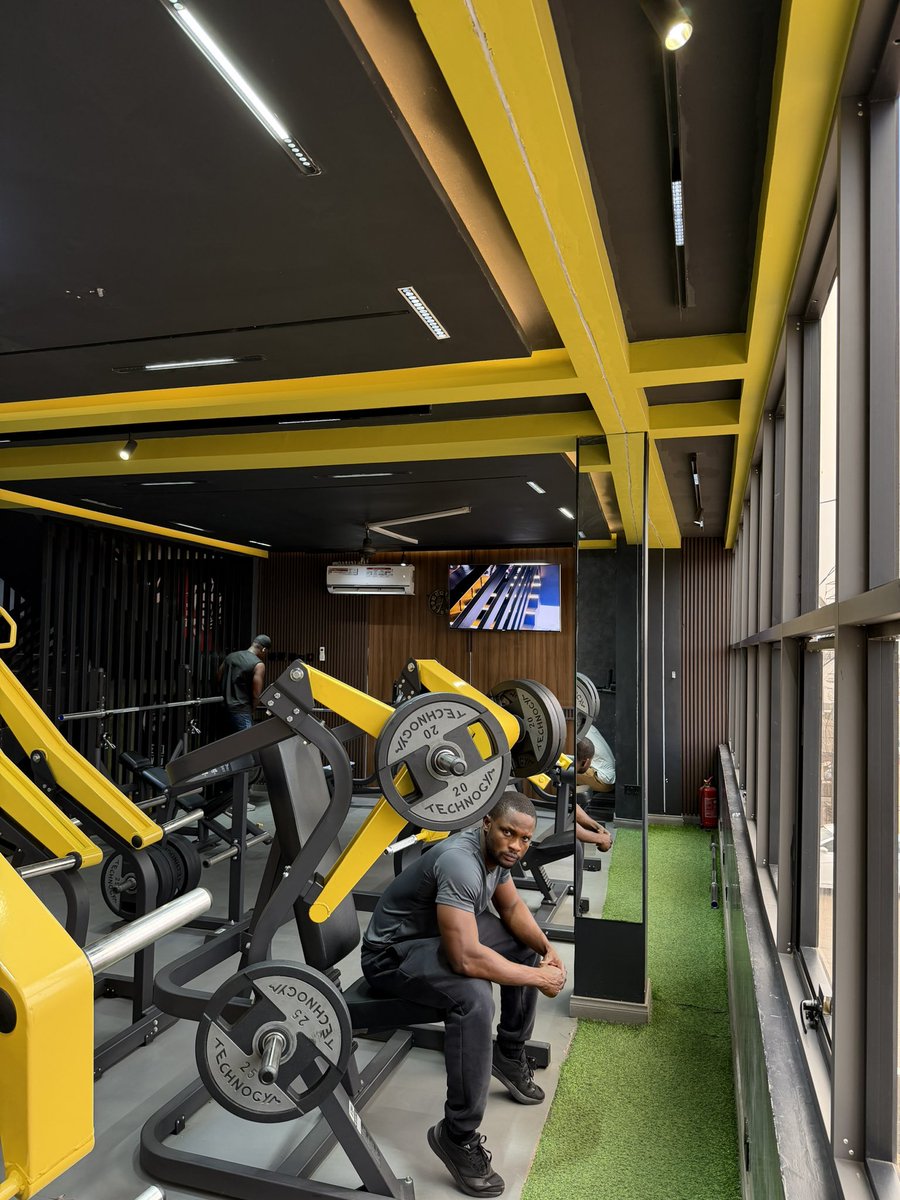
Hip Abduction — Max Weight, 30 Reps
This is where the real work happens. No light sets, no shortcuts — just controlled reps under maximum load.
The focus here is the glute medius, one of the most overlooked muscles when it comes to building a complete lower body. Strong glutes aren’t just about aesthetics — they’re critical for hip stability, balance, injury prevention, and overall lower-body strength.
For this set, I’m pushing max weight for 30 reps, which forces both muscular endurance and hypertrophy. The key is not just moving the weight, but controlling it:
•Slow and controlled on the way out
•No bouncing or using momentum
•Full range of motion every single rep
•Constant tension — no resting at the bottom
By the time you hit rep 20+, the burn is intense — that’s where most people quit. That’s also where the growth starts.
If your goal is to build stronger, rounder glutes, you need to go beyond comfort. High-rep, heavy sets like this will challenge your muscles in a way lighter weights never will.
Consistency + intensity + proper form = results.
Train with intent. Track your progress. Push past your limits.
Hip Abduction — Max Weight, 30 Reps
This is where the real work happens. No light sets, no shortcuts — just controlled reps under maximum load.
The focus here is the glute medius, one of the most overlooked muscles when it comes to building a complete lower body. Strong glutes aren’t just about aesthetics — they’re critical for hip stability, balance, injury prevention, and overall lower-body strength.
For this set, I’m pushing max weight for 30 reps, which forces both muscular endurance and hypertrophy. The key is not just moving the weight, but controlling it:
•Slow and controlled on the way out
•No bouncing or using momentum
•Full range of motion every single rep
•Constant tension — no resting at the bottom
By the time you hit rep 20+, the burn is intense — that’s where most people quit. That’s also where the growth starts.
If your goal is to build stronger, rounder glutes, you need to go beyond comfort. High-rep, heavy sets like this will challenge your muscles in a way lighter weights never will.
Consistency + intensity + proper form = results.
Train with intent. Track your progress. Push past your limits.
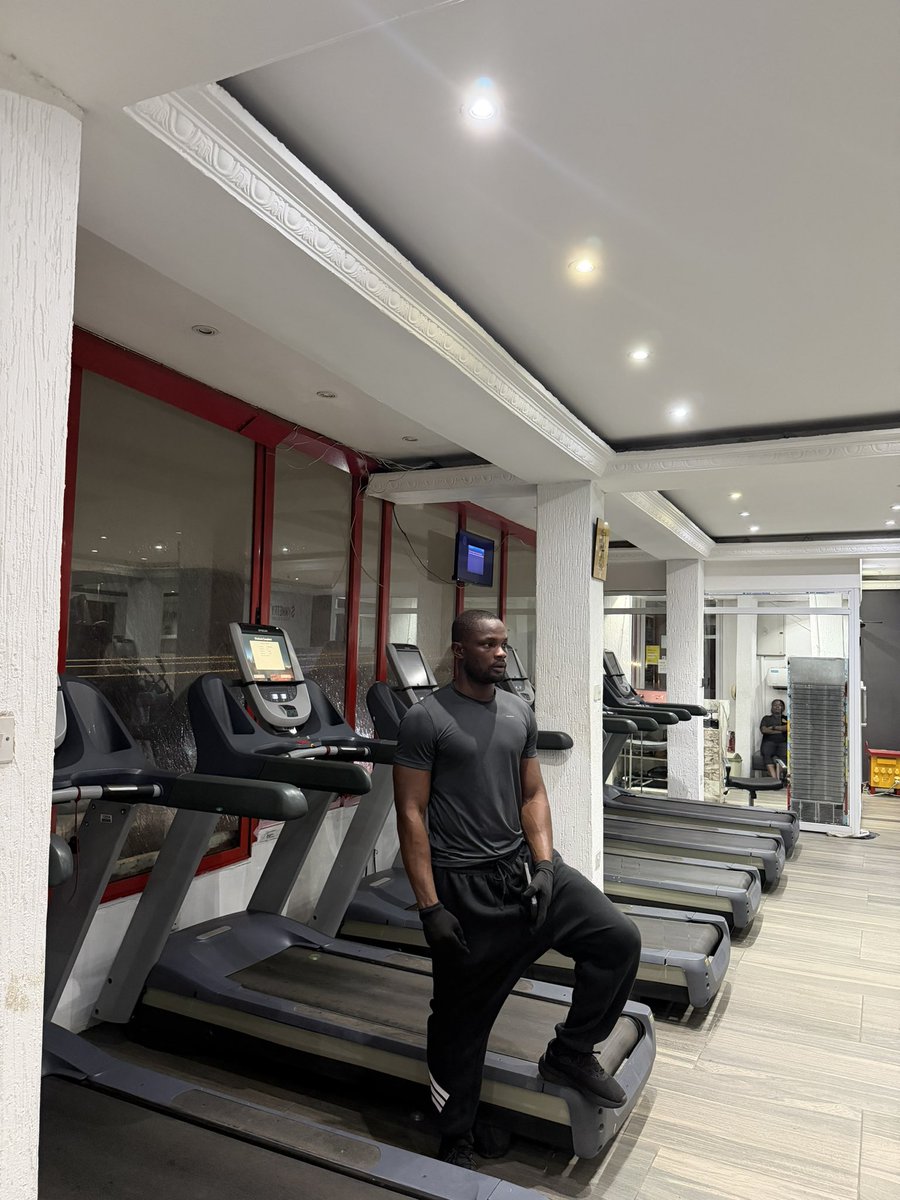
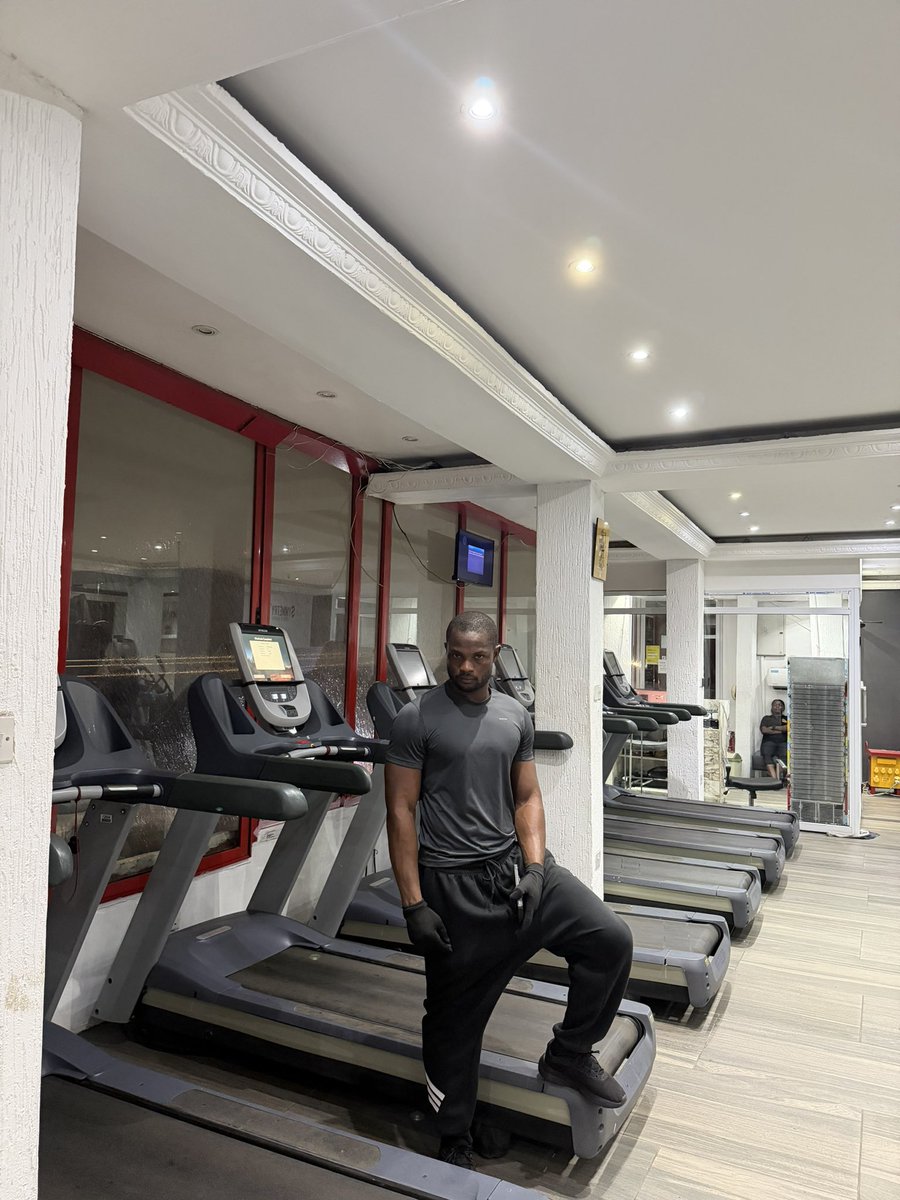
- Treadmill → 1 hour walk ✔️
- Leg Press → 100 kg × 100 reps ✔️
- Seated Dip → 68 kg × 150 reps ✔️
- Leg Extension → 50 kg × 200 reps ✔️
- Lat Pull-Down → 68 kg × 150 reps ✔️
- Hip Abduction → 64 kg × 170 reps ✔️
- Pull-Ups → 125 reps (bodyweight) ✔️
- Hip Adduction → 50 kg × 200 reps ✔️
- Abdominal → 50 kg × 200 reps ✔️
- Rotary Calf → 54 kg × 188 reps ✔️
That’s over 81,000 kg of total tonnage moved in one day.
Not a workout.
A statement.
Who else is training like this? Drop your craziest session below 👇
#BeastMode #HighVolume #GymLife #NoDaysOff #GhanaFitness