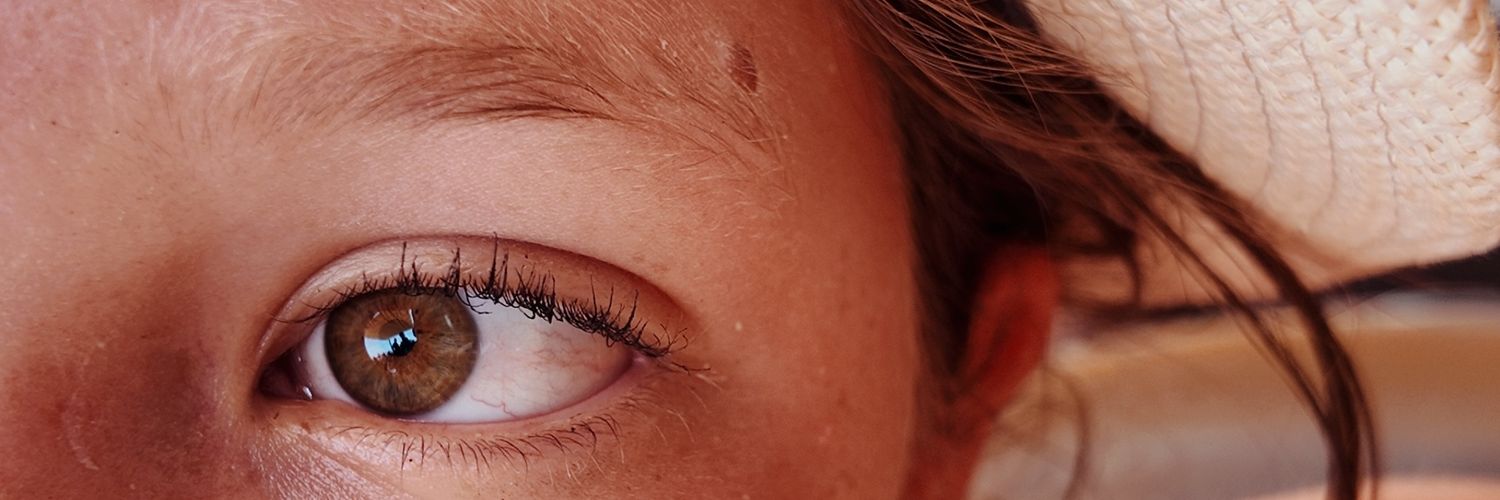
In 1972, Alfred Hitchcock's "oner" leaves the murder to our imagination as the camera follows, then creepily retreats on a studio set. At the end, a hidden cut reveals the real location in London. Did he use a crane, jib or overhead track inside?
Olá cinefilia!!
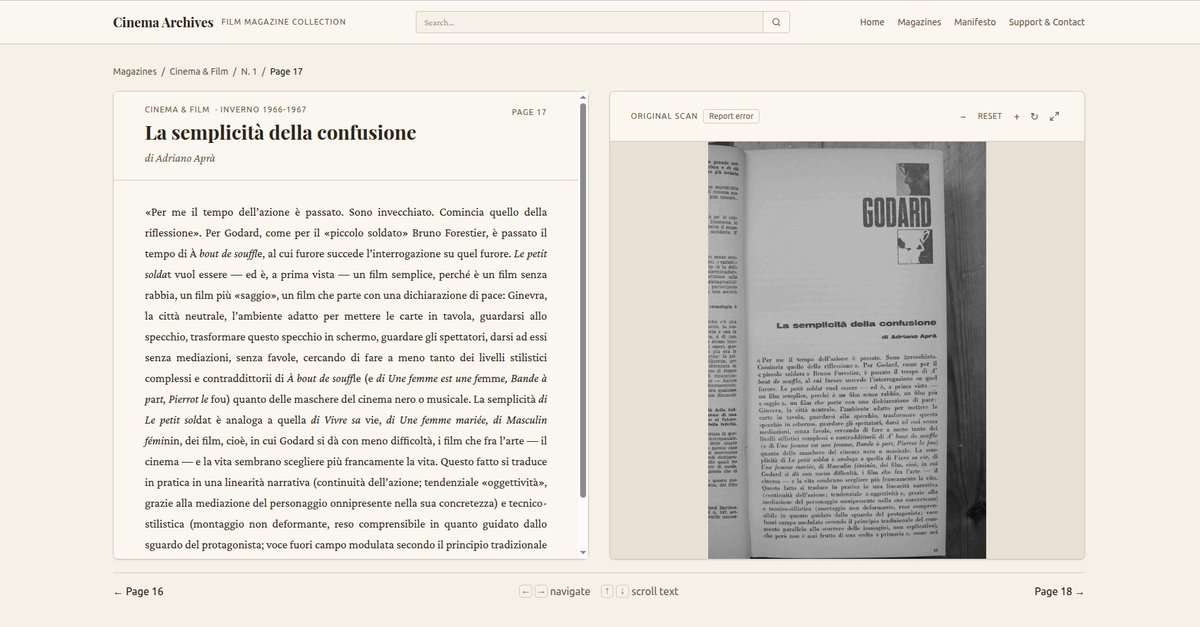
Nas últimas semanas eu desenvolvi um site que é um arquivo de revistas de cinema antigas.
O foco é em fazer full-text search e facilitar a leitura (assim você não precisa ficar dando zoom em PDF).
https://t.co/7WgNn3KTaU
Algo mucho más irritante que los textos planos generados por ChatGPT,
la "revelación vacía" típica de Claude: "no es un insight, es palabrería".
otros formatos de pseudosabiduría hueca:
> "Esto no es un liberación de la tecnología; es un nuevo estadio de opresión."
> "No solo estamos creando un producto, estamos creando una experiencia"
Esta autocorrección retórica que produce Claude es muy socorrida en estos tiempo.
En lo que se ha venido a llamar "copywriting" se celebra como una forma de elevar la propuesta de un producto (o en presentación a inversores).
Además en textos y vídeos para internet da un chutecito de dopamina al que los recibe: el emisor finge anticiparse a la lectura superficial del receptor ("sé lo que estás pensando: X") para desautorizarla y ofrecerse a sí mismo como alguien que ha visto más allá.
Esta ilusión te da esa pequeña recompensa de sentirte un poco más listo: ¡no me he quedado en X como hace todo el mundo, voy más allá!.
Pero es todo hueco, más que argumentar realmente se trata de aparentar que se argumenta.
"Lorem ipsum dolor sit amet".
El texto de relleno reivindica la creatividad humana en la campaña de presentación de Purga Films, la división de inteligencia artificial de Purga Studio.
|| Más info👉🏽 https://t.co/zAIk9IM0Rd
All the President’s Men turns 50 today.
This famous “six‑minute shot” is a masterclass in phone acting and pure technical nerve.
Director Alan J. Pakula and cinematographer Gordon Willis pull off a single, unbroken slow zoom: from a wide, humming newsroom to a tight close-up on Redford. No cuts. No safety net. Tension builds in real time.
Redford carries it with typical quiet confidence. Six minutes of note-taking and talking into a phone, no flashy “Oscar clip.” He even flubs a name (“McGregor” for “Dahlberg”), corrects himself naturally, and Pakula keeps it because it feels authentic.
The background is part of the story. As Woodward hones in on his phone call, everyone behind him huddles around a TV watching Senator Tom Eagleton resign. The contrast is deliberate: they chase the “obvious” headline, while the camera drifts past them to Woodward, and the real story.
To hold Redford and the busy background in focus early on, they used a split‑diopter lens, then had to ease it out as the camera moves in. A technical tightrope. The timing of both actor and cinematographer is spot on.
As Woodward closes in on the truth, the world literally falls away: the newsroom blurs, the noise fades, and we lock into his obsession. It’s one of cinema’s great moments: Redford doing almost nothing—and somehow everything at the same time.
What makes this shot brilliant is the contrast it carves between Redford and the newsroom around him. The visual language does the talking: he’s locked in, disciplined, driven, all focus and fire. He stands apart because the work matters more than anything else.
Me llama la atención una cosa, como corrector. De un tiempo para acá, la invasión «neurogramatical» del inglés es terrible y se nota en una simplificación de los tiempos verbales: a la porra el subjuntivo, el pluscuamperfecto, también pasiva por doquier... Pero, a la vez →
Los medios de comunicación precarizan a los profesionales de la información.
¿Cuánto pagan los medios a los periodistas freelance?
Guía fundamental si te dedicas a la comunicación elaborada por @CNT_Prensa_MMCC
https://t.co/yDrHZLaLqn
Lo importante no es cuidar la ortografía, sino cuidar la comunicación. Para quien ha decidido que eso no le atañe, la autenticidad es solo otra excusa.
La IA ha cambiado el valor de escribir bien. Cuando cualquier texto puede ser impecable, lo imperfecto es una señal de autenticidad y símbolo de estatus.
Algunos directivos ya lo están utilizando: emails sin pulir o textos con errores deliberados.
https://t.co/U7d5M7541V