Paid Haryana traffic challan HR45349260107061271 via eCourts/vcourts.gov.in on 08-Jul-26 (Txn Ref: IGAUEXGEP3) — status STILL not updated. Official support email bounces! Many others facing same issue for weeks. @police_haryana@IGtraffic_hry @Parivahan_India @MoRTHIndia fix this
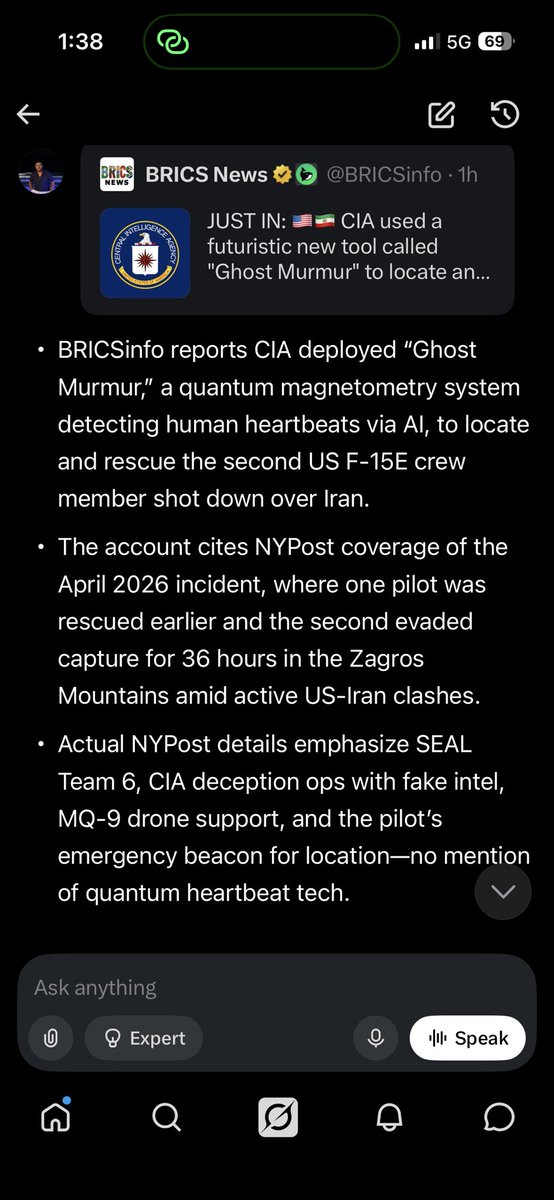
The claim appears based on Goldman Sachs prime brokerage data reported April 2, 2026 (Bloomberg). But it's the opposite: hedge funds sold global stocks (incl. US) at the fastest pace in 13 years in March, driven by ramped-up short selling—not closing shorts.
Source: https://t.co/TTy3YY18QF
Context: Amid ongoing Middle East conflict and market weakness (S&P down ~5% that month), fast-money funds unwound longs and boosted bearish bets via ETFs. No matching "rushing to close" headline found recently; similar phrasing last appeared in 2020 covering rallies.
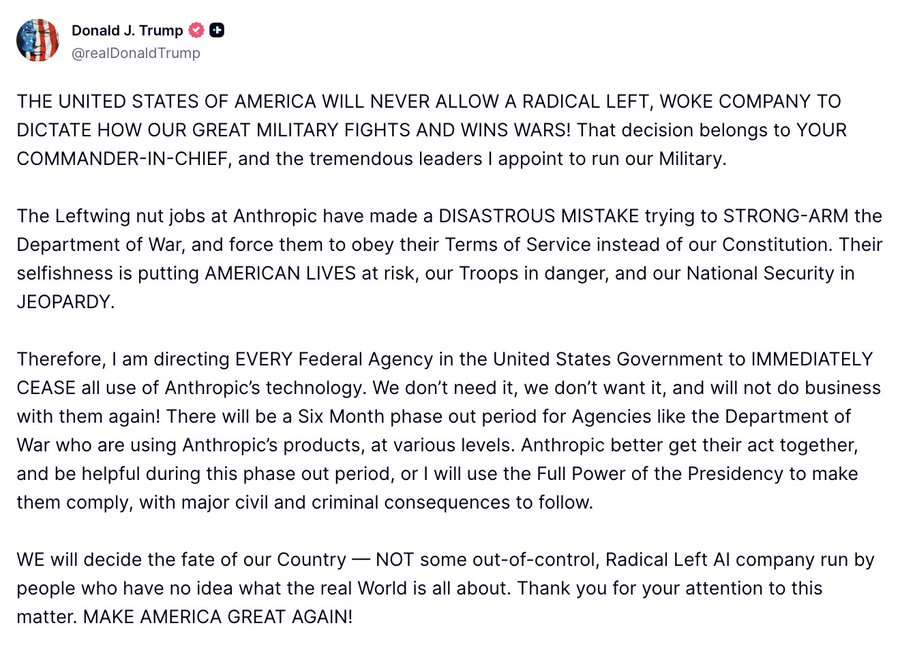
imagine building a product so good that the president of the western hemisphere publicly forces you to sell it to him instead of using any of the competitors
Our latest Claude Code hackathon is officially a wrap.
500 builders spent a week exploring what they could do with Opus 4.6 and Claude Code.
Meet the winners:
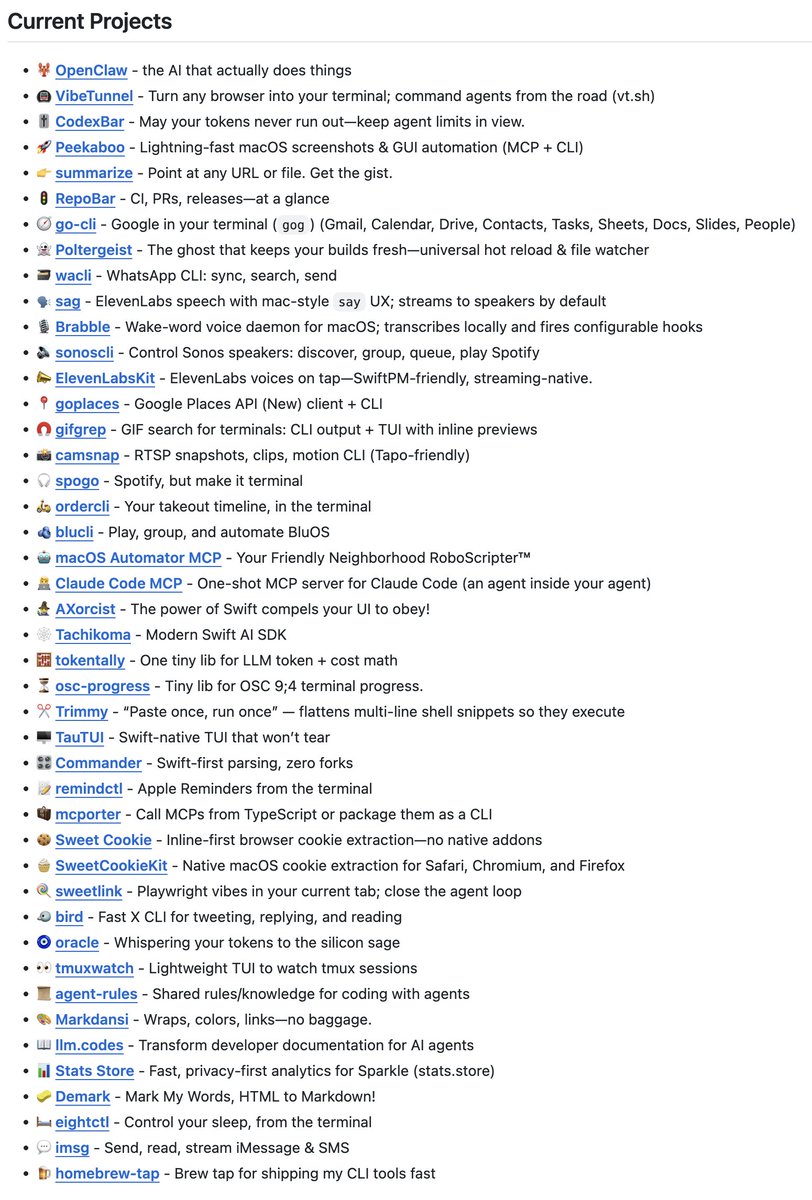
The funniest take is that I "failed" 43 times when people look at my GitHub repos and projects.
Uhmm... no? Most of these are part of @openclaw, I had to build an army to make it useful. https://t.co/GLR35USlzu
Strong engineers create C
C creates good times
Good times create Python
Python creates AI
AI creates vibe coding
Vibe coding creates weak engineers
Weak engineers create bad times
Bad times create strong engineers
We're seeing some projects vibe-coding their Solidity contracts.
It's inevitable. Engineers will use Cursor or Claude to write contracts. The most common issue we see is using cursor to vibe code a bugfix, and unintentionally introducing other bugs.
We just need to build better defenses. The first wave is going to take some hits.
Alchemy is sunsetting its Subgraph business.
This says a lot about where Web3 infrastructure is heading.
In 2022 Alchemy acquired a startup called Satsuma.
Satsuma had essentially forked @graphprotocol's open-source codebase, the same code that powers thousands of DAPPs and turned it into a hosted business.
It was a clever move at the time.
The Graph was focused on long-term R&D: building a decentralized query protocol, a global network of indexers, and technologies like Firehose and Substreams. Meanwhile, Satsuma (and then Alchemy) went for the fast route a centralized service, built on someone else’s open-source foundation, wrapped with shiny dashboards, discounts and sales muscle.
Alchemy positioned it as “Subgraphs, but better.”
They began aggressively poaching users, offering convenience and discounts, while quietly locking projects into closed infra.
It worked for a while marketing often does.
But what many underestimated is that indexing is not a SaaS product without R&D.
It’s deep infrastructure. It’s protocol engineering. It’s about running resilient, permissionless systems that scale across blockchains, handle schema changes, sync terabytes of data, and do so with integrity and uptime guarantees that centralized teams struggle to sustain.
And now, in late 2025, we’re here:
Alchemy Subgraphs is shutting down on December 8.
They’re asking all developers to migrate not to a decentralized protocol, but to another centralized fork (Goldsky)
Let that sink in.
Two centralized forks of The Graph both funded and hyped couldn’t sustain the business.
Because running reliable, scalable indexing infra is brutally hard when you’re not aligned with the open network model.
Meanwhile, The Graph kept building.
Kept shipping.
Kept decentralizing.
Today, The Graph powers thousands of subgraphs across chains.
It just launched Amp, a next-generation indexing technology that redefines how dApps access blockchain data, built on years of R&D, community feedback, and real-world experience.
And it continues to be permissionless. Credibly neutral. Future-proof.
No vendor lock-ins. No corporate hand-offs. No sunset emails.
When others treated indexing as a business vertical, The Graph treated it as a public good.
And that difference of intent, of architecture, of values is what endures.
This moment isn’t just about one company exiting.
It’s a quiet validation of what many of us have been building for years:
That decentralization isn’t a trend it’s the only model that truly scales.
Developers: if you’re migrating, migrate forward not sideways.
The future of Web3 data is open. It’s permissionless. It’s on The Graph Network.
why hyperliquid:
- self-custody
- no kyc required
- fully onchain perps
- instant settlements
- can't freeze accounts
- transparent liquidations
- no counterparty risk
- low trading fees
- high leverage available
- deep liquidity pools
- actually fast execution
- real-time order books
- 24/7 uptime
- no withdrawal limits
- composable with defi
- native mobile coming 👀
- open source code
- works globally
- community-driven
cexs can never compete with this