We're helping shape the digital layer around an AI healthcare company that has raised $500k+ in early funding.
What started around the product quickly spread into everything around it:
patients, doctors, AI workflows, mobile, web and partner-facing material.
The interesting part is how connected all of it is.
If the website explains one thing, the product behaves like another and the partner material tells a third story, the company starts to feel more complex than it actually is.
At this stage, the useful design question is whether every surface is helping people understand the same product clearly.
An AI fitness mirror can track nearly 400 exercises and offer 300+ classes.
Impressive technology. But what happens when someone is mid-workout and can't understand the feedback on screen?
While working on smart fitness-mirror UX, we had to think beyond the usual interface design challenges.
Viewing distance, information hierarchy, feedback timing, and what users actually need to see while exercising.
The same principle applies to complex SaaS products.
More capabilities don't automatically create more value.
The real challenge is turning sophisticated technology into an experience people can understand and act on without unnecessary effort.
Your SaaS can win the demo and still lose the deal during implementation planning.
G2's 2026 buyer study found 25% cited implementation planning as their biggest post-selection delay.
Having worked on enterprise HR, healthcare and education products, I've seen why.
Permissions, onboarding, approvals and admin workflows aren't secondary features.
They're what help customers confidently adopt the software they're buying.
A great demo sells what's possible. A great product makes it practical.
One partnership with a Webby-winning Canadian design studio has grown into 5 projects in just 7 months.
And the calibre of those projects still feels pretty incredible.
We've supported digital experiences for:
• A serial entrepreneur whose companies have collectively sold for $3B+
• An AI software company named a Representative Vendor in Gartner's 2026 Market Guide
• A 50-year-old US construction firm with 1,000+ completed projects
Alongside enterprise marketing experience involving Autodesk & GSK, work with a $500K-backed AI healthcare startup, and a sports app we helped launch that reached #40 in Egypt's iOS Sports chart.
Pretty rewarding to look back at how far we've come.
What means the most is earning the trust to keep working with ambitious teams on increasingly complex projects.
And honestly, the goals are much bigger now.
Deeper enterprise partnerships, more ambitious products, and opportunities to build at a whole different scale.
Always happy to connect with founders and studios building something serious. 🚀
@abdul_shajeed_ Admin setup was our first priority. That’s where we found the biggest friction, especially tracking onboarding and pending compliance checks.
Still early to draw conclusions on the metrics, but that’s where we expect the biggest impact.
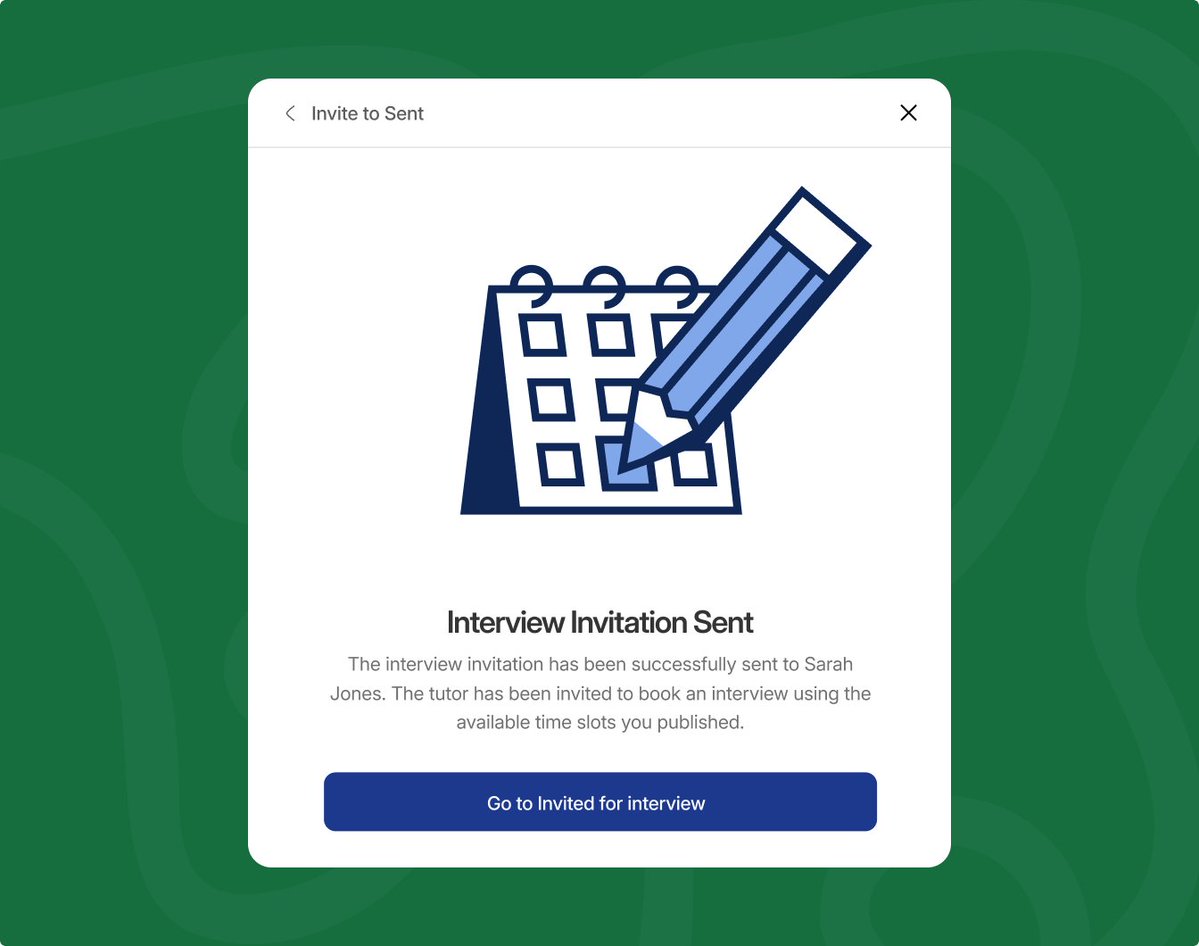
A SaaS platform trusted by 50+ UK education organisations had users struggling with core workflows.
We redesigned onboarding and admin UX around real customer feedbacks.
AI makes shipping more features easier. But if customers can't navigate what you've built, faster shipping won't fix it.
Mostly tracking tutors through onboarding. There were 8–10 required steps, but admins struggled to see who was at what stage, which compliance checks were pending, and what needed attention next.
We focused on making that MUCH clearer, especially around the Single Central Record (SCR).
A global education company needed faster, consistent campaigns.
We built reusable Adobe Marketo templates for enrollment, webinars and onboarding - cutting production time 50–60% while achieving ~99% rendering accuracy across 40+ clients/devices.
Scale the system, not the rework.
One missed vaccine temperature alert can put an entire batch at risk, leading to wasted stock and disrupted care.
We helped design a connected UK healthcare platform that reached real-world clinical use.
In healthcare, clear UX isn't optional. It's critical.
A viral sports community was running on Instagram, Discord, WhatsApp and Google Sheets.
We helped design a connected app and admin system to support its growth.
One lesson stuck with me:
The processes that got you your first customers often reveal what your product needs next.
An AI healthcare company needed to earn trust before launch.
We helped connect its patient, doctor and AI experiences into one digital ecosystem, supporting conversations with major healthcare facilities in India.
Advanced technology still needs a clear, trustworthy experience.
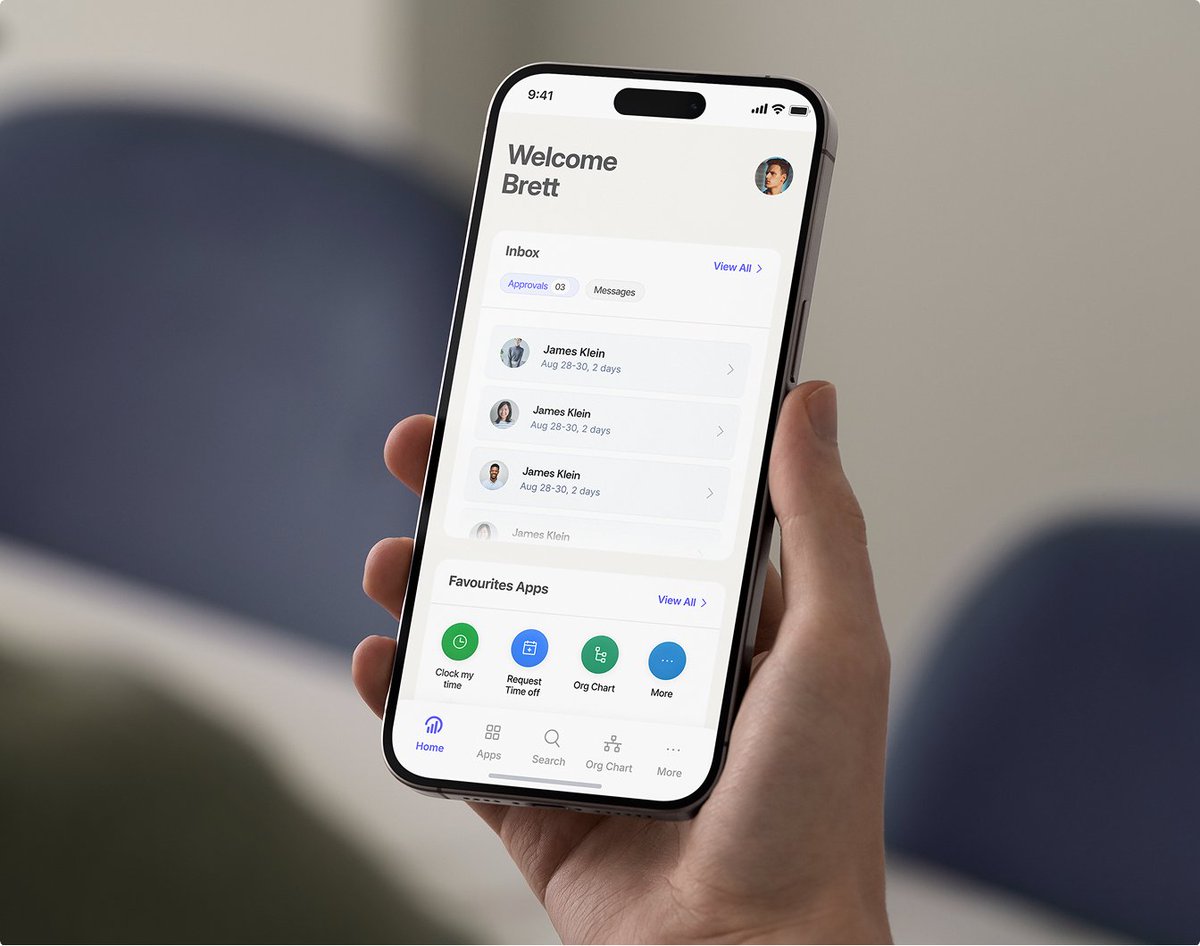
While designing an HR platform gaining traction with companies employing 10,000+ people, we faced a challenge:
How do you support custom workflows without multiplying complexity?
We focused on flexible configurations and reusable patterns built for enterprise scale.
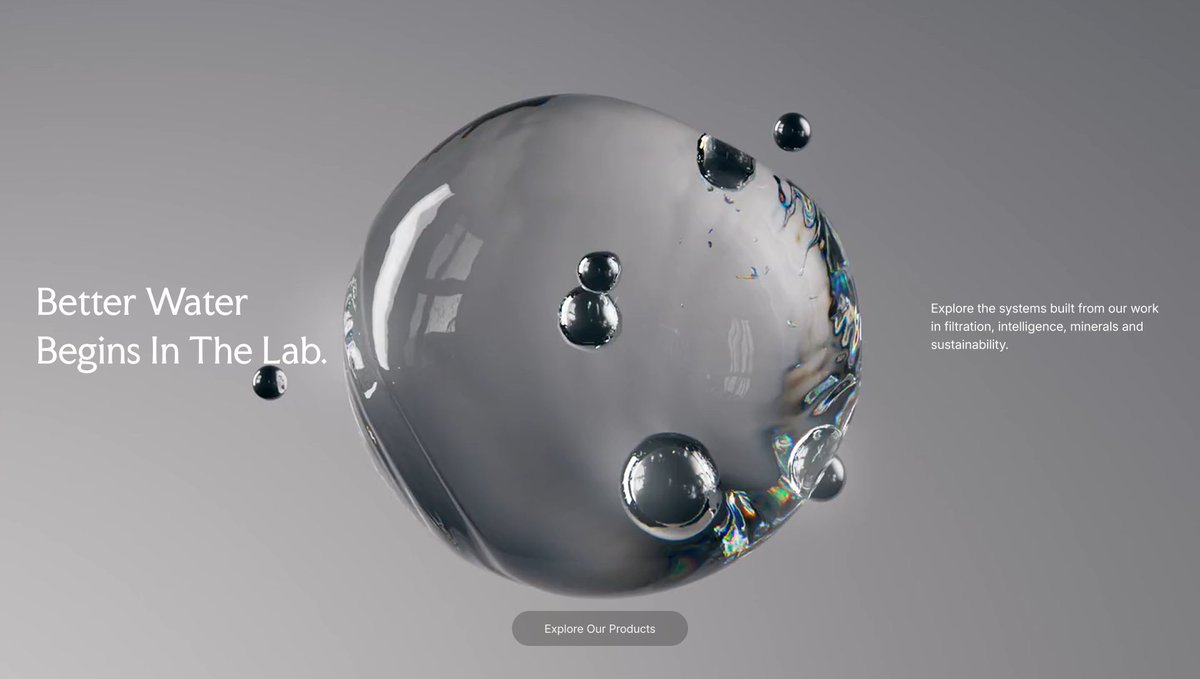
We worked on the website redesign and app experience for a water-tech business serving 4,000+ organisations.
AI can accelerate design and development, but speed alone doesn't align a brand with its product.
What customers are promised should match what they experience.
A $15K fixed-scope SaaS engagement taught me that not every project is worth the revenue.
Constant micromanagement, difficult and disrespectful communication, and late payments can make even a good contract expensive to deliver.
Now I evaluate the working relationship as carefully as the scope.
From SaaS redesigns to enterprise Marketo systems at companies generating $30B–$300B+ annually, I've learned that expensive projects can start with the wrong problem.
Before committing to a full product redesign, identify what actually needs fixing.
More scope doesn't always mean more value.
We helped design an enterprise HR platform that's gained traction with companies employing 10,000+ people.
The challenge was balancing complex HR automation with everyday usability.
We built clearer workflows and reusable systems across web and mobile to support enterprise growth.
A UK education platform trusted by 50+ organisations had an onboarding problem: 8–10 steps, many required for compliance, but users struggled to follow them.
We redesigned the stages and progress visibility rather than removing necessary steps.
Complexity was required. Confusion wasn't.
Running Techiatrix has made me more careful about what we commit to before a project starts.
Being capable of doing something doesn't automatically mean the scope, timeline or expectations make sense.
Some of the most useful work happens before execution: understanding the trade-offs and being clear about what we're actually committing to.
If Customer Success explains the same workflow on every onboarding call, I'd investigate the product before expanding support.
That friction might come from the UI, permissions, or the workflow itself.
The best UX improvements often remove work people shouldn't have to keep doing.
A growing community can look like a successful business while the founder is still running half of it manually.
We helped turn Padel Underground's existing community into a gamified digital product in roughly 4 months.
Sometimes the opportunity isn't creating demand. It's building the system to support it.
A vaccine fridge overheating and a surgery inventory request seem unrelated.
We had to support both in one healthcare platform, alongside pharmacy and multiple clinical roles.
First operational version in ~2–3 months.
The challenge wasn't designing each screen. It was connecting the workflows.