The Deafening Silence of Judicial Watchdogs and the Media in a Moment of Constitutional Crisis
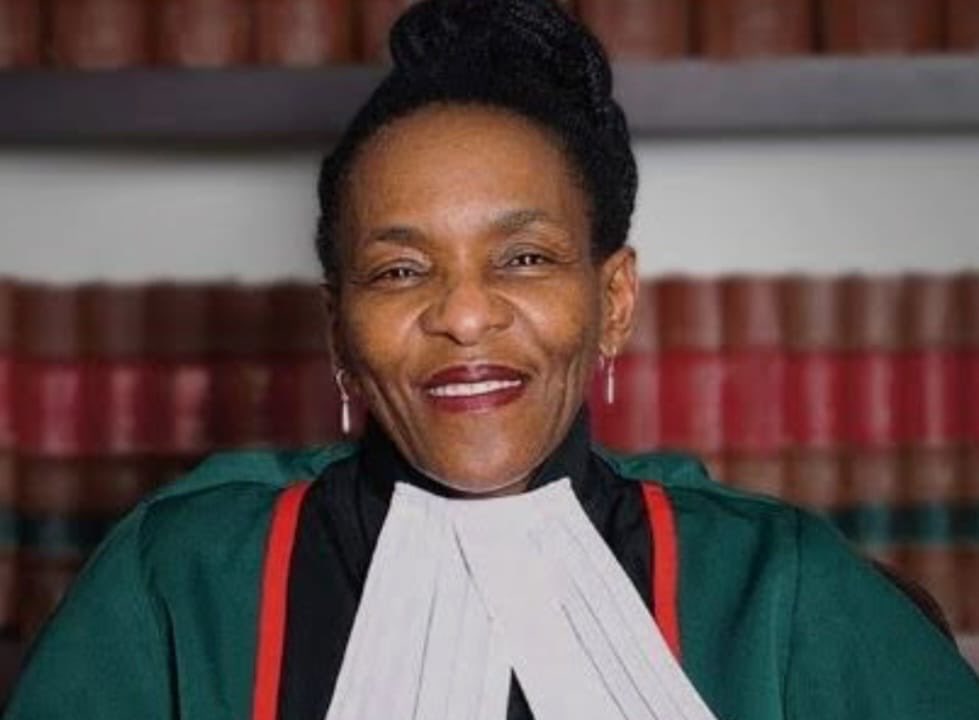
It has now been weeks since the Chief Justice issued a solemn public statement acknowledging the gravity of Judge Portia Phahlane’s arrest on corruption charges, yet the Judiciary has failed to take decisive action. Instead of swift suspension to safeguard public confidence, the country has witnessed a troubling silence from the very leadership that promised transparency, accountability, and institutional integrity. This is not an isolated lapse it reflects a disturbing pattern. Two years ago, when these allegations were first brought to the attention of then Chief Justice Raymond Zondo, he displayed the same inertia. Now, despite Judge Phahlane allegedly boasting about her connections within the Pretoria High Court and her ability to secure the coveted IPHC succession matter, there is still no visible consequence. This vacuum in leadership is deepening the perception that senior members of the Judiciary selectively act on misconduct, depending on whose careers or alliances are at stake.
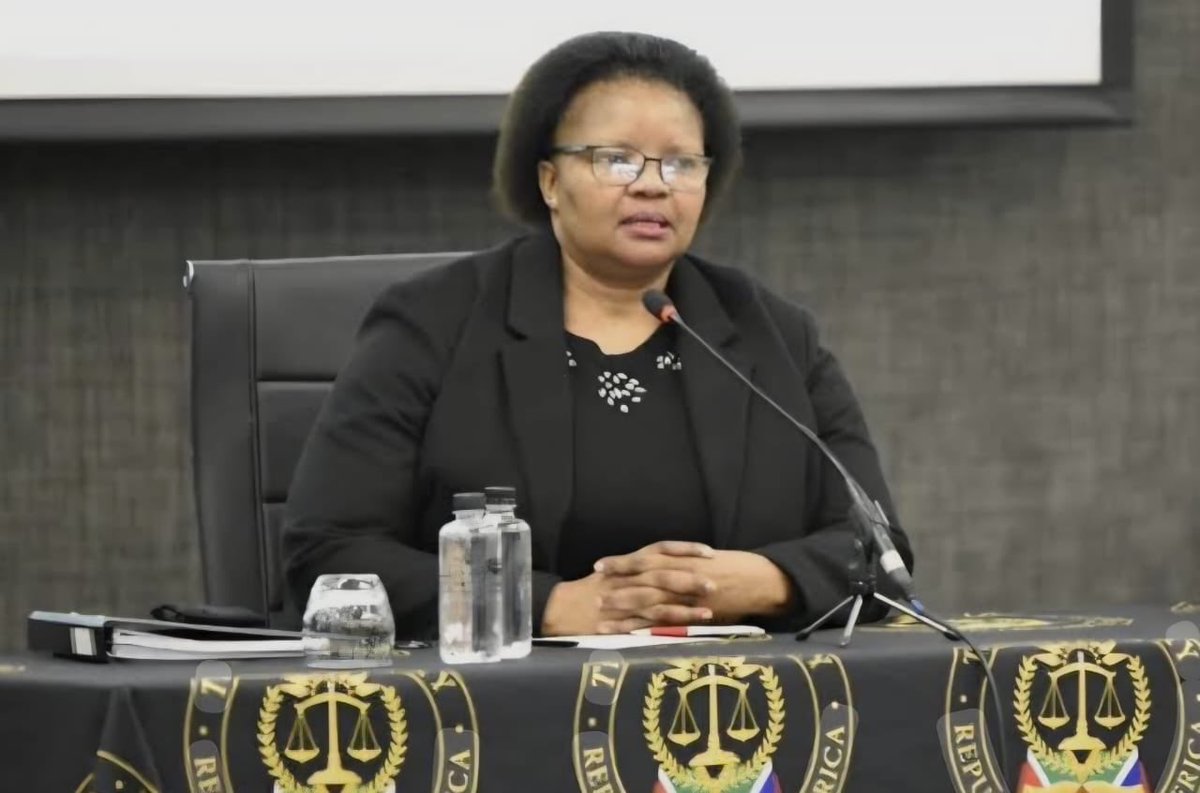
Even more alarming is the inaction of Deputy Chief Justice Dunstan Mlambo, who was reportedly made aware of the bribery allegations yet failed to refer them to the Judicial Service Commission despite his history of personally reporting a subordinate for impeachment. The unanswered question confronting the nation is simple: why did he act decisively in one case but turn a blind eye when confronted with allegations of judicial corruption of this magnitude? The public is left to speculate whether this silence shields internal beneficiaries of the alleged “boxes of evil money,” from Sandlana criminal enterprise as claimed in the allegations involving Phahlane. And while the Constitutional Court leadership appears paralysed, Justice Maya who reassured the nation that rot in the Judiciary would be rooted out has taken no action to suspend Phahlane, despite the urgency her own statement conveyed. South Africa deserves clarity, not evasiveness. The nation demands to know whether the Judiciary is still governed by the rule of law or whether invisible hands are now pulling the strings at the highest court in the land.
CONSPICUOUSLY ABSENT FROM THIS MOMENT OF NATIONAL RECKONING IS JUDGES MATTER AND THE MAINSTREAM MEDIA, WHOSE SUDDEN SILENCE IS AS DISTURBING AS IT IS INDEFENSIBLE. THE ALLEGED BRIBING OF A SITTING JUDGE IS A HISTORIC RUPTURE IN SOUTH AFRICA’S CONSTITUTIONAL DEMOCRACY, YET THE VERY CIVIL SOCIETY ACTORS AND MEDIA INSTITUTIONS THAT ROUTINELY POSTURE AS GUARDIANS OF JUDICIAL ACCOUNTABILITY HAVE RETREATED INTO QUIET COMPLICITY. FOLLOWING THE MKHWANAZI REVELATIONS, THIS SHOULD HAVE BEEN THE POINT AT WHICH EVERY SECTOR OF SOCIETY LEGAL WATCHDOGS, EDITORIAL BOARDS, AND OPINION LEADERS ALIKE APPLIED SUSTAINED PRESSURE FOR TRANSPARENCY AND CONSEQUENCES. THEIR FAILURE TO DO SO RAISES SERIOUS QUESTIONS ABOUT SELECTIVE OUTRAGE AND THE COMFORT OF SILENCE WHEN ACCOUNTABILITY THREATENS POWERFUL INTERESTS. IN A CONSTITUTIONAL ORDER BUILT ON OPENNESS, THIS COLLECTIVE MUTENESS DOES NOT PRESERVE JUDICIAL INDEPENDENCE; IT CORRODES IT