The more I've worked on this project for @crossway, the more I've become convinced that the New Testament use of the Old dismantles the case for slow incremental development and utterly vindicates "early high Christology." Here we have Peter (casually!) replacing YHWH with Christ, in a passage that's not even making a wider point about Christology.
@KristanHawkins No. I am old enough to remember when they backed Jimmy Carter. The largest Southern Baptist church in my town had his campaign posters on their busses.
Everyone should read this book.
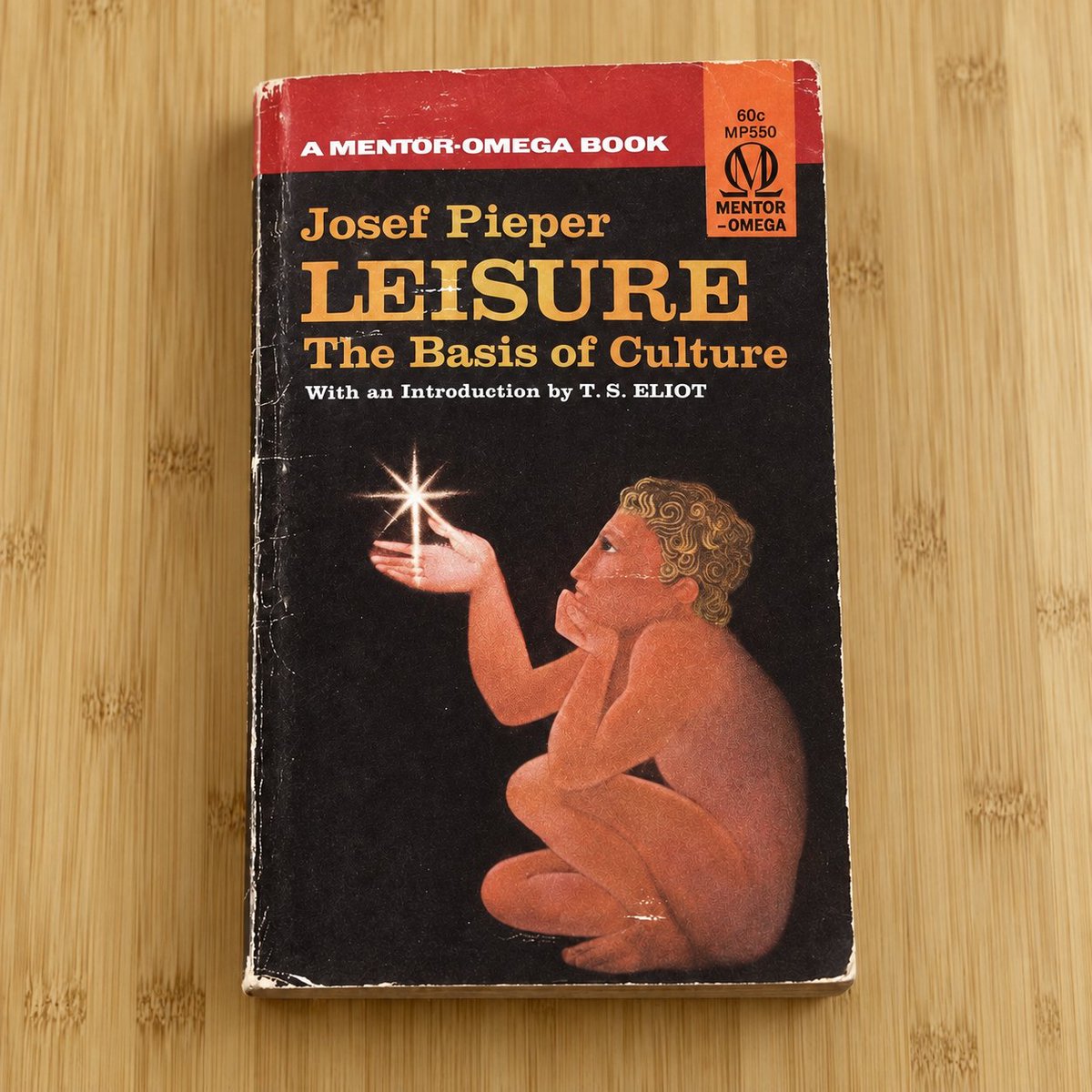
In Leisure: The Basis of Culture, Pieper dismantles modernity's obsession with productivity and its misunderstanding of leisure.
Moderns think of "leisure" as a break from work: a way to recharge to make you a better worker.
Pieper argues beautifully that, instead, leisure is the foundation of all culture. And rather than passive relaxation, leisure is really a state of active receptivity: not the absence of activity but the presence of depth.
In the High Middle Ages, idleness wasn't understood as "doing nothing." Being idle was refusing to engage deeply with existence. Ironically, the modern workaholic is the true idler: "the restlessness of work-for-work's-sake arises from nothing other than idleness."
Engaging in true leisure isn't easy. You must learn to be at leisure, with intention and willingness to cultivate stillness. Pieper:
"The condition of utmost exertion is more easily realized than the condition of relaxation and detachment, even though the latter is effortless."
It's a paradoxical discipline, in the sense that it requires effort to relax in a way that truly restores you. But it is through leisure that you encounter truth, beauty, and meaning.
Pieper writes much about the role of the festival. If creation is good, we ought to celebrate it:
"And just as Holy Scripture tells us that God rested on the seventh day and beheld that ‘the work which he had made’ was ‘very good’—so too it is leisure which leads man to accept the reality of creation and thus to celebrate it, resting on the inner vision that accompanies it."
In our work-obsessed world, many use parties to drug or otherwise distract themselves from life. But in Pieper's conception, a true party is a heightening and celebration of life, a specific and time-bound event that points to the timeless and universal.
"Feast days and holy-days are the inner source of leisure. It is because leisure takes its origin from ‘celebration’ that it is not only effortless but the direct contrary of effort; not just the negative in the sense of being no effort, but the positive counterpart."
However, the biggest revelation comes when you realize that you can actually reverse-engineer this process and turn even "ordinary" moments into moments of leisure.
No matter where you are, leisure can be found when you let reality wash over you, pierce through the veil of mundanity to see its hidden beauty, and take a moment to express your gratitude.
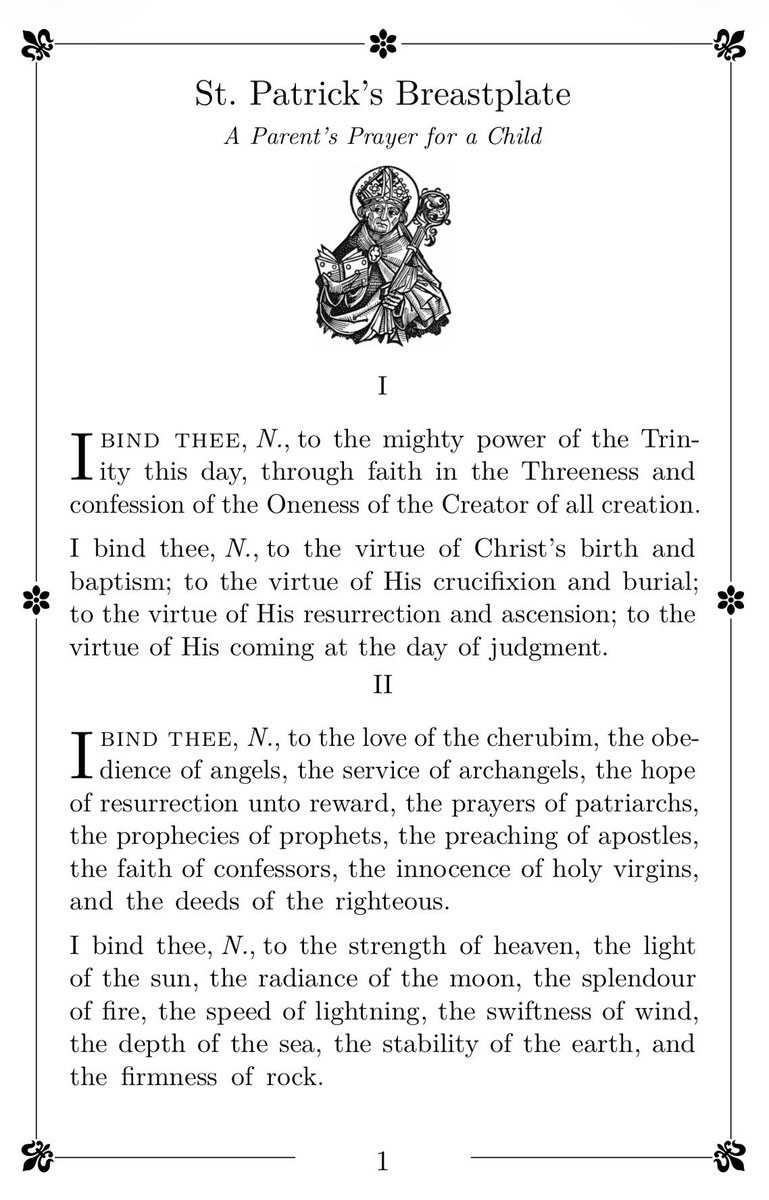
I’ve been praying St. Patrick’s Breastplate over my kids at bedtime, so I adapted a version specifically for parents to pray over their children. Sharing here in case anyone else wants to use it.
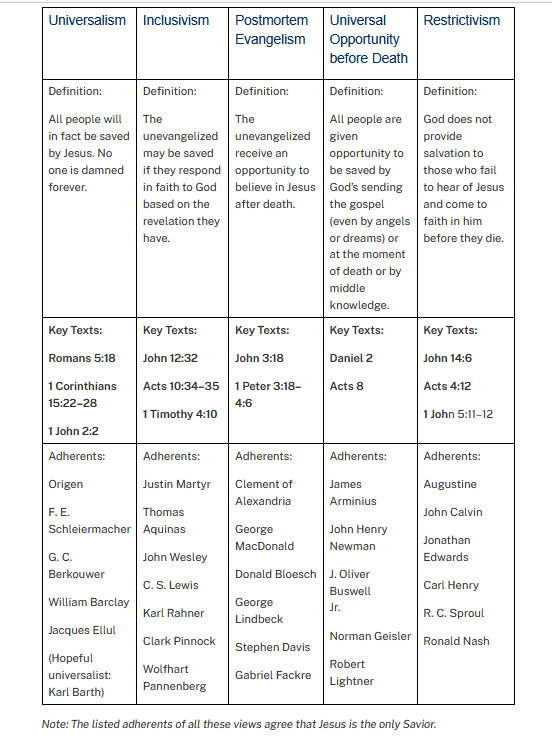
Since people are mixing those stances up today, I went and pulled up my favorite chart on the matter.
(Chart by John Sanders, from his article "Those Who Have Never Heard: A Survey of the Major Positions.")
The Hamilton School at Florida is hiring two 2-year postdoctoral fellows for 2027-28 in English literature, intellectual history, political theory, theology and religion, philosophy, political science, and strategic studies. Competitive pay, no teaching expectations. Link below.
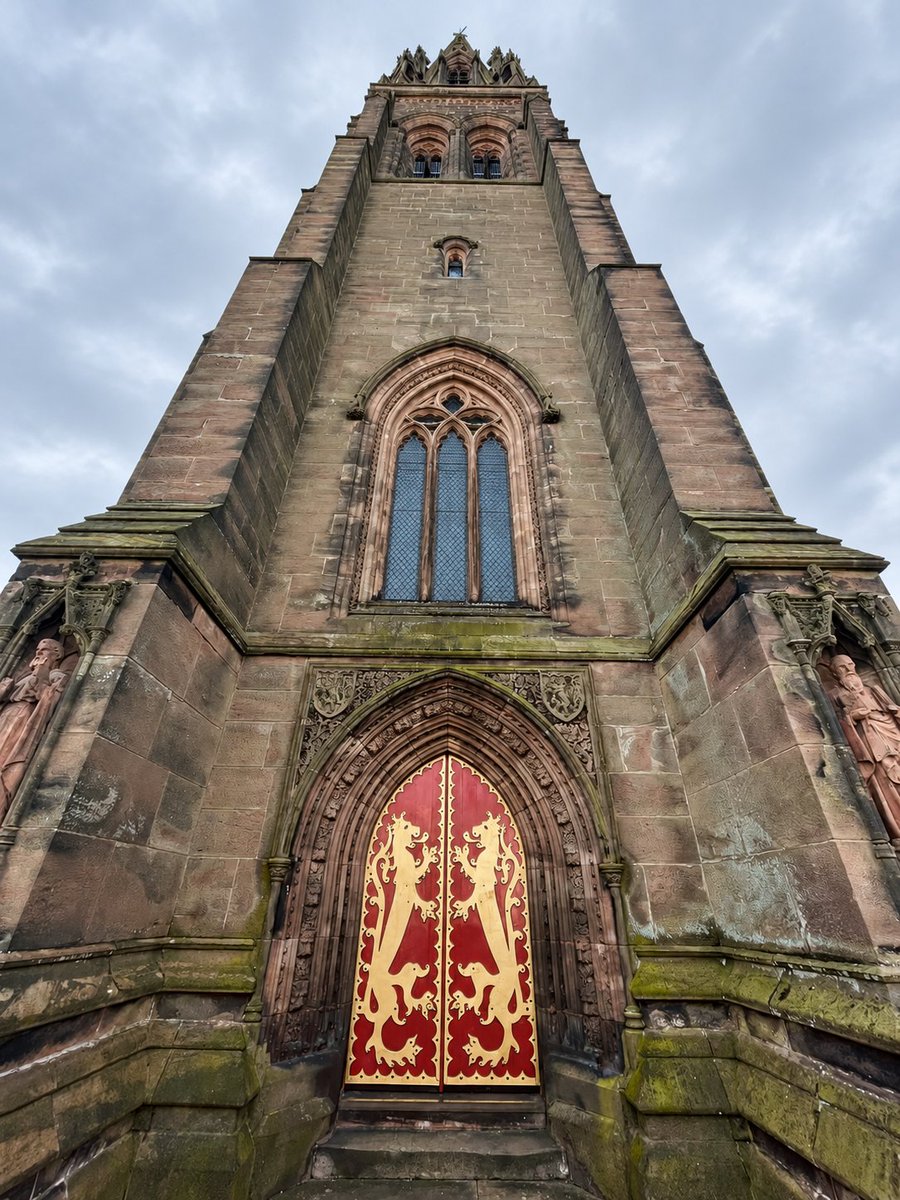
On this day, 14th September 1852, Augustus Pugin died aged just 40.
A brilliant architect and devout Christian, Pugin helped revive medieval Gothic architecture in England. He designed much of the interior and decoration of the Palace of Westminster, while his masterpiece, St Giles’ Church in Cheadle, remains known as “Pugin’s Gem.” 🏴
I have published my MA dissertation on Anglican Papalism on Substack! If you love (or hate) Anglican Papalism or the history of the Anglo-Catholic movement in general, give it a read (link in replies)